
BRIEF US!
Design illuminating activations around the world with us.

THANK YOU FOR YOUR REQUEST
Thank you very much for your interest in EIDETIC MARKETING.
We look forward to working with you.
We will contact you soon.Thanks Again.

THERE WAS A PROBLEM WITH YOUR SUBMISSION.
Have you checked all the required fields?
We want you to write your Company, Name, E-mail, Budget, Country to Execute, Website URL, Wanted Services and Project Description.Thanks.

Tag Archives: marketing agency in Asia
What is the Biggest Sphere in the World?
August 17, 2025
Sphere LEDs are quickly becoming one of the most powerful tools for brand storytelling. Unlike standard billboards or flat LED screens, these massive spherical displays double as city landmarks and immersive media platforms. As more companies look to leverage this medium, common questions have emerged around how Sphere LEDs work, how to create effective content for them, and what advertising costs involve.
This FAQ brings together the most common questions and answers to help you understand the essentials of Sphere LED marketing and production.
What is a Sphere LED?
A Sphere LED is a spherical structure covered with LED panels, providing a 360-degree viewing angle. Unlike flat LED screens, its curved design creates a more immersive and dimensional experience, making it ideal for landmark advertising and large-scale storytelling.
What are the most famous Sphere LED locations worldwide?
Some of the most famous examples include the Las Vegas Sphere, the Riyadh Sela Sphere, and the Mall of Asia Globe in Manila. For a full overview of seven iconic locations, see our detailed guide: The Most Famous 7 Sphere Locations in the World.
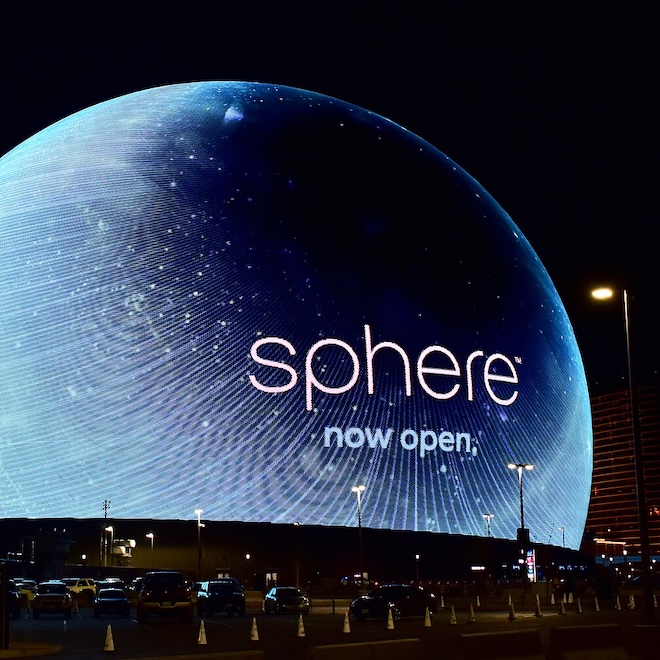
The Las Vegas Sphere is the world’s largest spherical structure. It rises 366 feet (about 111 meters) tall and spans 516 feet (about 157 meters) at its widest point. Its exterior is covered with 580,000 square feet of LED panels, making it not only the biggest sphere ever built but also one of the most advanced digital canvases in the world.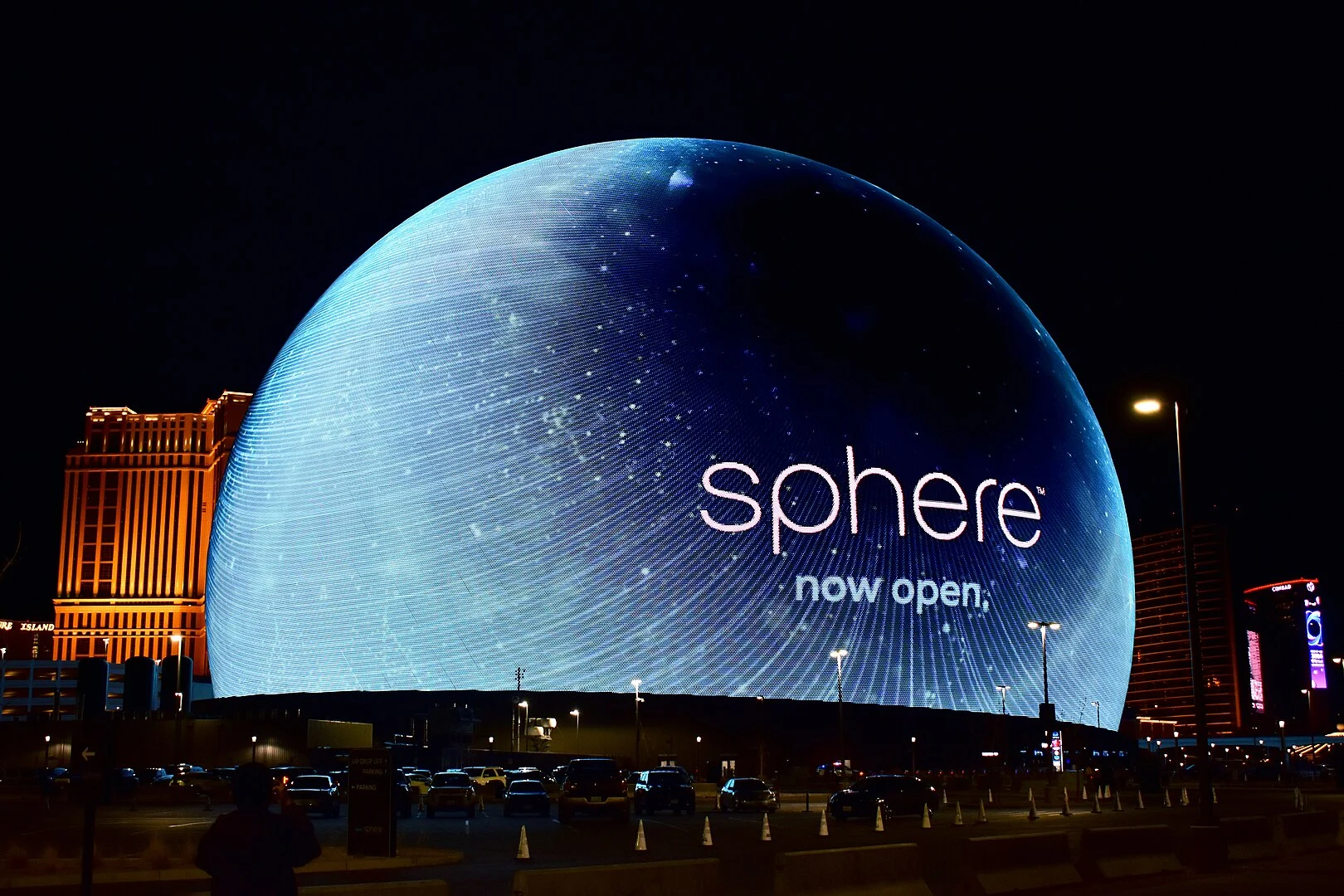 Image by Y2kcrazyjoker4
Las Vegas Sphere: Key Facts
The architecture was led by Populous, with interior and lighting design by ICRAVE. The building spans eight floors with more than 300,000 square feet of interior space, including lobbies and VIP zones. The exterior LED is made up of more than 1.23 million puck-shaped lighting modules, designed to create seamless visuals across the curved surface.
The venue seats about 17,600 people and can accommodate up to 20,000 including floor space.
How is wraparound or dimensional video achieved on Sphere LEDs?
Content creators typically use 3D animation and simulation to match the curvature of the sphere. Depth and perspective are enhanced through movement, lighting, and shading effects. Seamless integration between panels ensures a continuous image, while full wraparound video covers the surface for maximum impact.
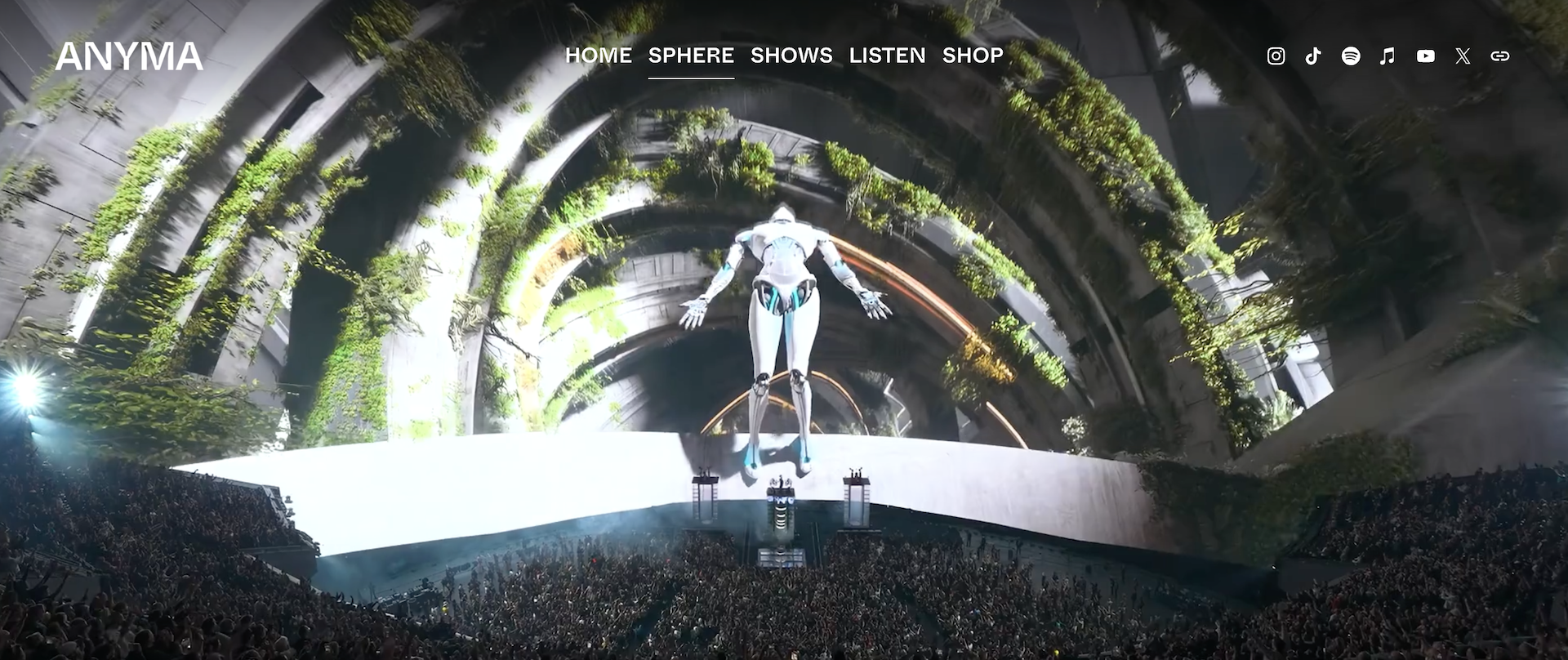
A clear example is the Anyma show at the Las Vegas Sphere. The visuals projected onto the massive curved screen created the illusion of towering structures and lifelike digital figures surrounding the audience. This immersive design highlighted how dimensional video can transform a concert into a fully enveloping experience.
Building a Sphere LED requires a significant investment. Even a small pavilion–sized structure can cost around 2 million dollars to install. The price reflects not just the LED panels but also the engineering, power systems, and integration needed to create a seamless spherical display. By comparison, the Las Vegas Sphere—with its 580,000 square feet of exterior LED—represents a multi-billion dollar project.
Closing Note
Installing a Sphere LED is not the same as working with flat screens. Because of its curved structure, only a limited number of technicians can work on it at once, which makes installation more time-consuming. For exhibitions with a short preparation period, a Sphere may not be the most practical choice. It’s possible, but often not recommended.
That said, there are many effective alternatives. Curved panoramic screens can deliver a similar sense of scale. Immersive 3D video content alone can also create a powerful effect for audiences.
Our work demonstrates how these alternatives can work in practice:
✓ Link & Co Portfolio: 90m × 8m panoramic LED stage — full management and execution
✓ San Diego Comic-Con: 3-sided LED installation with dimensional wraparound effects [Youtube link]
👉 Explore more in our live event video portfolio: [Link & Co Portfolio]

TGS 2025 Exhibitor Alert: New Regulations & Booth Rules
March 30, 2025
TGS 2025 Exhibitor Alert: New Regulations & Booth Rules
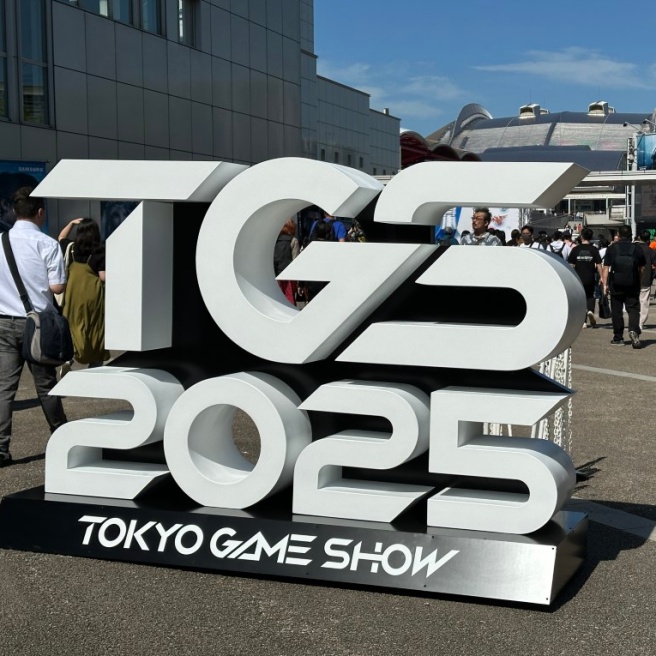
Tokyo Game Show (TGS), one of the world’s top three game exhibitions and Asia’s largest, has officially opened registration for 2025.
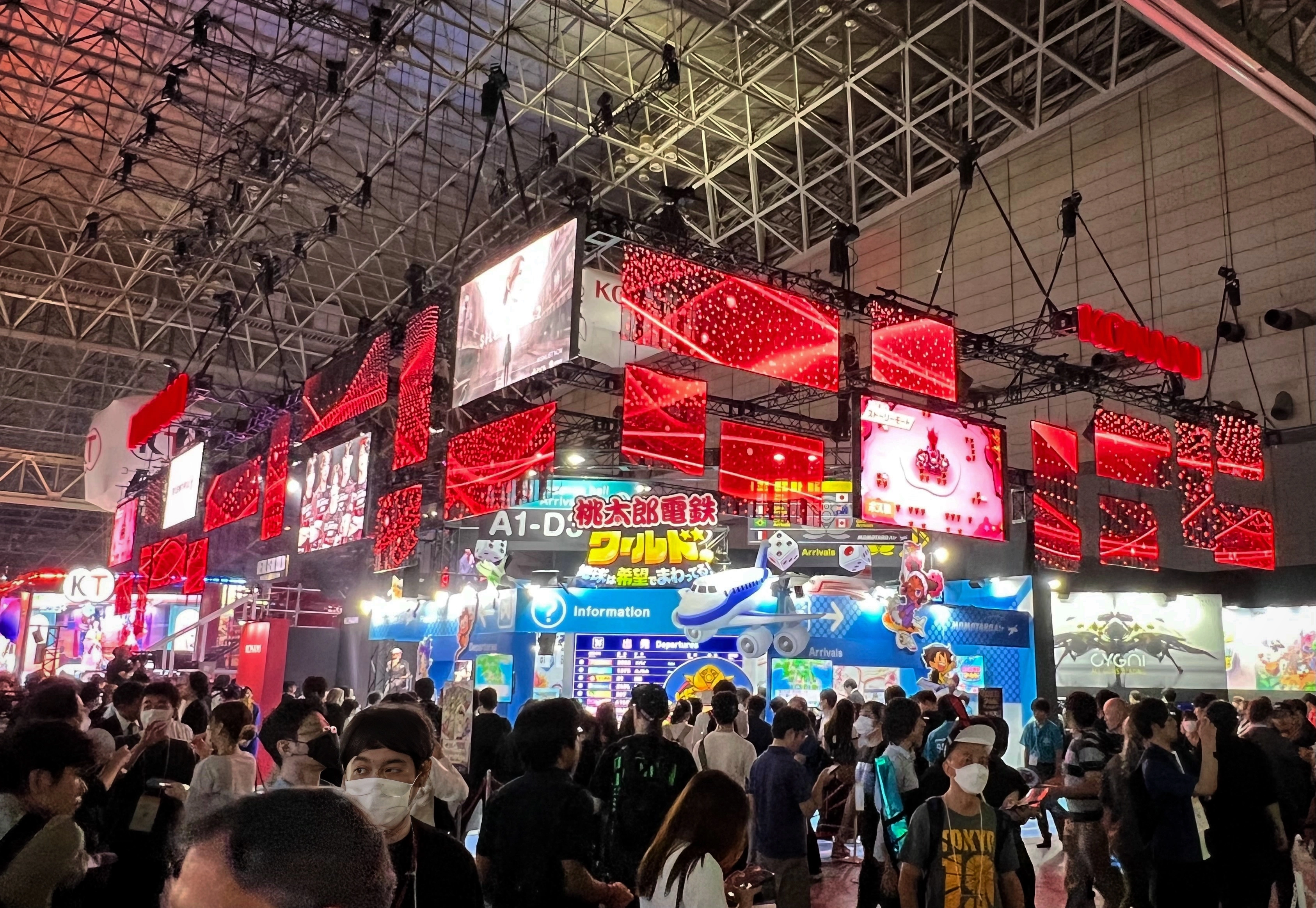
In 2024, for the first time ever, overseas exhibitors outnumbered domestic Japanese companies. (535 overseas vs. 450 Japanese). As international participation grows, the organizers are placing greater focus on globalization. In this guide, we’ll share the latest updates and essential information to help you prepare for a successful TGS 2025 exhibition.
Why Japan Is a Prime Market for Games?
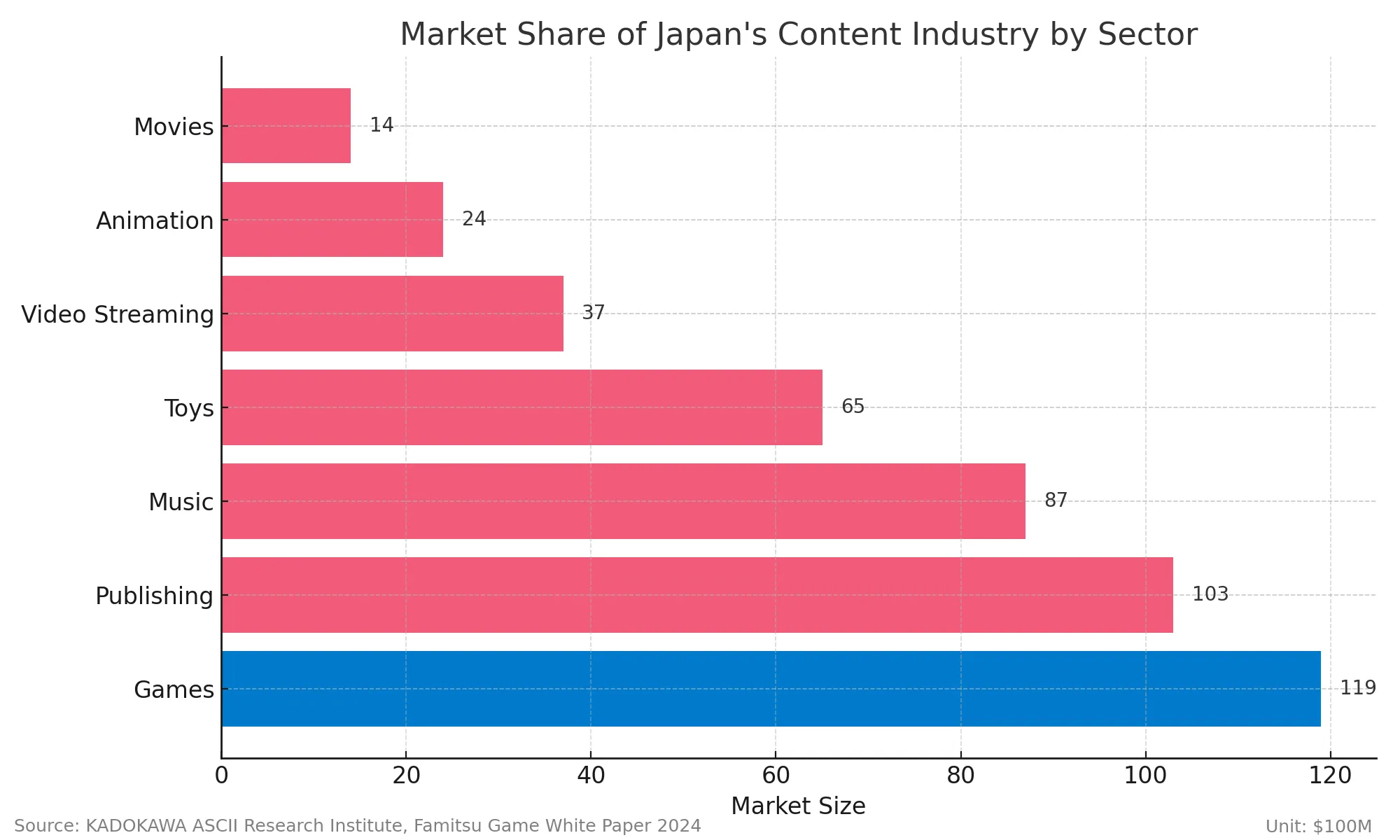
According to the TGS committee, the Japanese game industry now holds the largest share in Japan’s content market—surpassing even anime and manga. Japan’s vibrant game culture and consumer enthusiasm make it a key destination for global game companies aiming to expand in Asia.
In 2024, we witnessed the high energy of Tokyo Game Show firsthand. With 274,739 attendees and a growing international presence, TGS continues to live up to its name as one of the world’s biggest game expos.
The stats speak for themselves: 79% of attendees and 82% of exhibitors reported high satisfaction. Notably, 78% of visitors said they plan to return next year.
Exhibitors emphasized how the event helped them connect with both global buyers and local players—proving TGS is more than a showcase; it’s a launchpad for international growth.
TGS 2025 Dates and Application Deadlines
Like last year, TGS 2025 will be held in a hybrid format—both in-person and online. The physical show will take place at Makuhari Messe in Chiba, Japan, and online activations will be hosted via the official TGS website and Steam.
✔️ TGS 2025 Schedule:
-
- • Business Days (B2B): Sept 25 (Thu) & Sept 26 (Fri), 10:00–17:00
-
- • Public Days (B2C): Sept 27 (Sat) 9:30–17:00 & Sept 28 (Sun) 9:30–16:30
✔️ Application Deadlines:
-
- • Companies applying for more than 42 booths: May 23
-
- • Companies applying for fewer than 42 booths: May 30
📍1 Booth = 3x3m ≒ 10x10ft
TGS 2025 Booth Size & Timeline
| Over 42 Booths | 16–41 Booths | Under 16 Booths | |
|---|---|---|---|
| Application Deadline | Friday, May 23, 2025 | Friday, May 30, 2025 | Friday, May 30, 2025 |
| Booth Assignment Announcement | Tuesday, June 17, 2025 | Tuesday, June 24, 2025 | Tuesday, July 8, 2025 |
| Exhibitor Briefing Session | Tuesday, July 8, 2025 | ||
| Payment Deadline | Friday, July 18, 2025 | ||
*May 31 – June 16: 50% cancellation fee
*From June 17: 100% cancellation fee
Booth positions will be announced ahead of the show, and an official exhibitor briefing is scheduled for July 8.
❗️Booth Assignment Priorities:
- 1. Exhibitors who participated in TGS 2024 and apply before the deadline
- 2. Non-2024 exhibitors who apply before the deadline
- 3. 2024 exhibitors who apply after the deadline
- 4. First-time exhibitors applying after the deadline
When multiple applicants fall under the same priority, booth selection is granted first to CESA members. Then, for those applying for 16 or more booths, space is determined by lottery. For fewer than 16 booths, assignment is on a first-come, first-served basis.
TGS 2025 Booth Pricing by Zone
TGS operates across multiple zones within Makuhari Messe. Booth fees vary by zone and booth type. Please refer to the official price list to calculate your budget accordingly.
| No. | Zone | Exhibition Hall | Exhibition Period | Price (Incl. VAT) |
|---|---|---|---|---|
| 1 | General Exhibition | Halls 1–8 | 4 days | ¥385,000 per booth(3×3m) |
| 2 | AI Technology Pavilion | |||
| 3 | Game Academy Zone | |||
| 4 | AI Technology Pavilion | |||
| 5 | Accessibility Zone | |||
| 6 | Smartphone Games | Halls 9–11 | ||
| 7 | Game Hardware | |||
| 8 | Gaming Lifestyle Zone | |||
| 9 | AR/VR Zone | |||
| 10 | eSports Zone | |||
| 11 | Indie Game Zone | |||
| 12 | Business Solution Zone | Halls 1–8 | 4 days or 2 Business Days | |
| 13 | Family Game Park | Event Hall | 2 Public Days |
“ASOVIVA!” Game Experience ¥275,000 per booth(2.5×2.5m) “MANAVIVA!” Job Experience ¥385,000 per booth(3×3m) |
| 14 | Merchandise Sales Zone | Halls 9–11 | 4 days | ¥440,000 per booth(3×3m) |
| 15 | Business Meeting Zone | International Conference Hall | 2 Business Days | Meeting room: ¥660,000 Booth in another zone: ¥550,000 Table space: ¥220,000 |
📍1 Booth = 3x3m ≒ 10x10ft
New Rules and Key Updates for TGS 2025
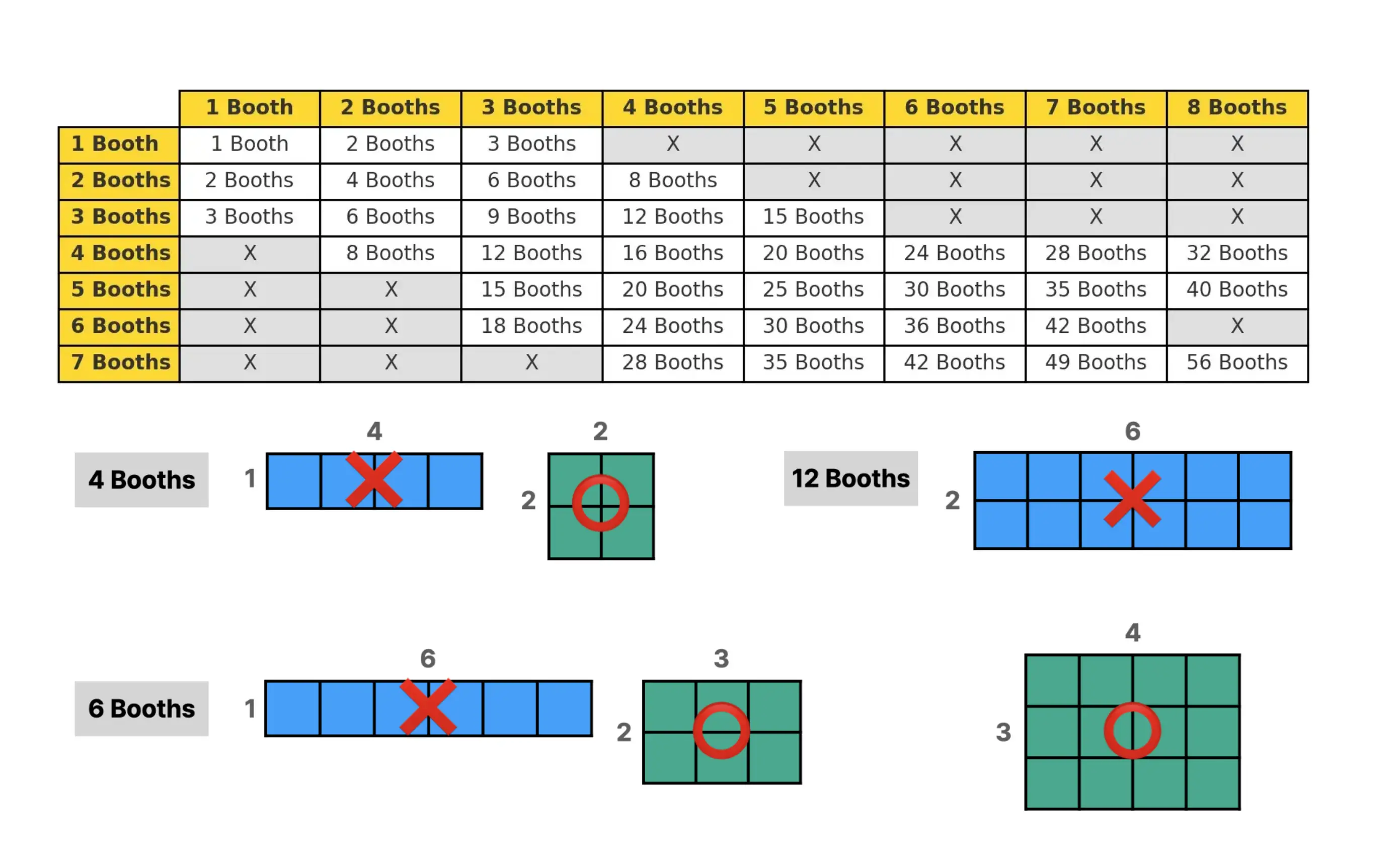
1. Booth Structure Standardization
To improve layout efficiency and crowd flow, booth rows are now standardized to 21 meters (7 booths). Only exhibitors applying for 42+ booths may request an island-style layout.
2. Updated Show Hours
B2C opening hours on the first public day have been moved 30 minutes earlier—to 9:30 AM. This allows more time for visitors to enjoy the exhibits and experiences.
3. Stage Layout Regulations
New regulations affect booth stages across all booth sizes:
Be sure to incorporate these guidelines into your booth design to avoid disqualification during approval.
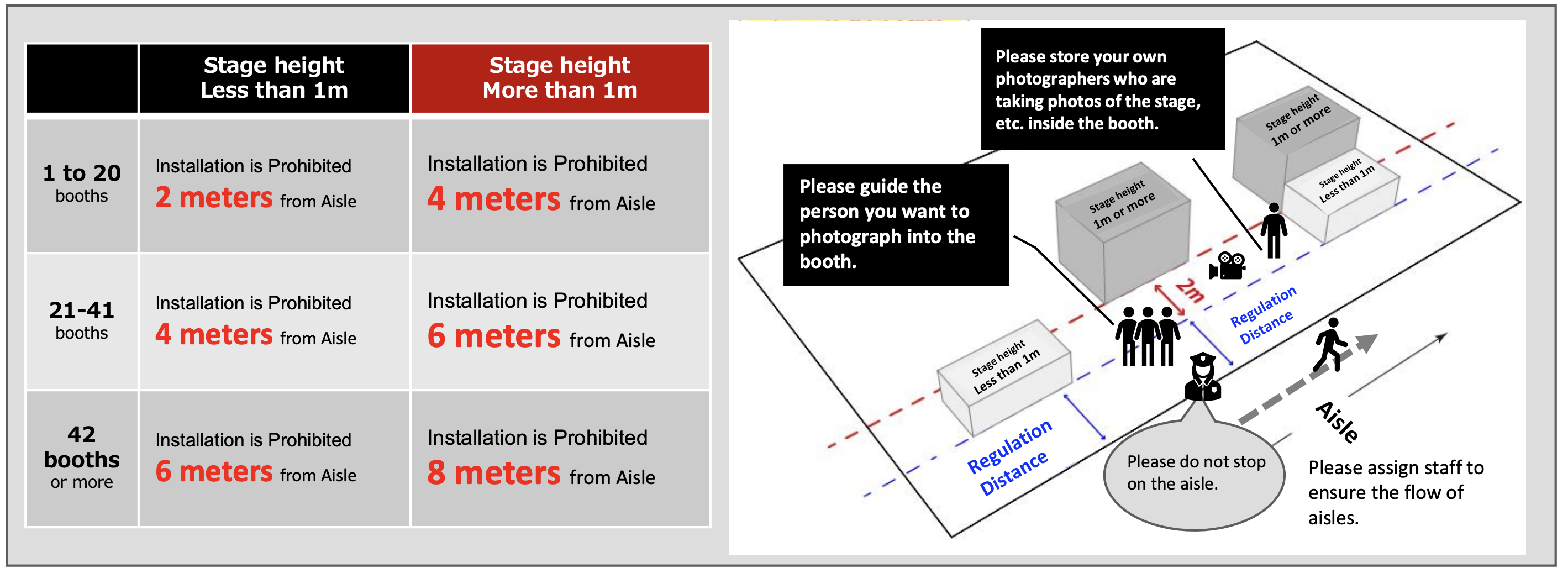
🔎 Example: For 40 booths
– For stages under 1m in height: minimum 4m setback from aisles
– For stages 1m or taller: minimum 6m setback
4. New “Accessibility Zone” Added
TGS 2025 will introduce a new zone dedicated to accessibility and inclusive gaming. This space will feature software, adaptive controllers, voice command systems, and more—showcasing innovation in game accessibility for players of all abilities.
Exhibitor Checklist for TGS 2025
Booth Design Approval Timeline
Booth location announcements and design submissions occur in early to mid-August. Since Japanese contractors often require 1–2 weeks to finalize drawings, design decisions should begin in June. We recommend preparing a flexible booth plan in advance, which can be adjusted after final placement.
Communicating with Japanese Contractors
Japanese vendors may use different terminology, which can cause miscommunication. Use annotated images or diagrams to ensure clarity.
Costume Planning (Cosplayers)
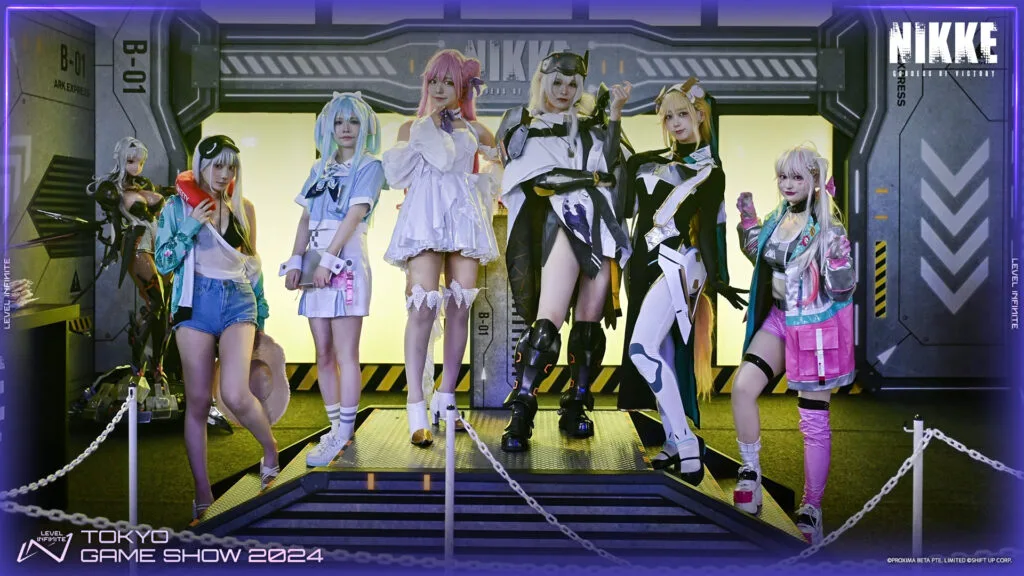
Allow 1–1.5 months for custom costume production, plus 2 weeks for fittings. If hiring local Japanese cosplayers, act early—they’re in high demand.
Booth Setup & Dismantling
Setup time is limited to two days: 8:00 AM–10:00 PM. Overnight access or late construction may require additional fees. In 2024, Day 1 early entry cost ¥100,000, while Day 2 entry was free. Dismantling must be completed by 10:00 PM on the final day.
Japan also follows different payment practices. First-time vendors may require 100% prepayment—no partial payments. Contracts in Japanese take around 3 weeks to process; English contracts may take up to 2 months. Choose partners with Japan-specific experience to minimize risks.
Why Eidetic Marketing?
We have long-standing relationships with trusted Japanese partners, making it easier to manage costs, communications, and deadlines. From Tokyo Game Show and Comic Market to pop-up events and roadshows, we offer tailored planning and execution for the Japanese market.
Let us help you streamline your Tokyo Game Show participation—from booth design and local staffing to setup, rehearsal, and operations.
Stay tuned for Part 2, where we’ll cover TGS rules and key local insights for a smoother on-site experience.
Top 5 Global Exhibitions in Germany
January 18, 2025
Top 5 Global Exhibitions in Germany
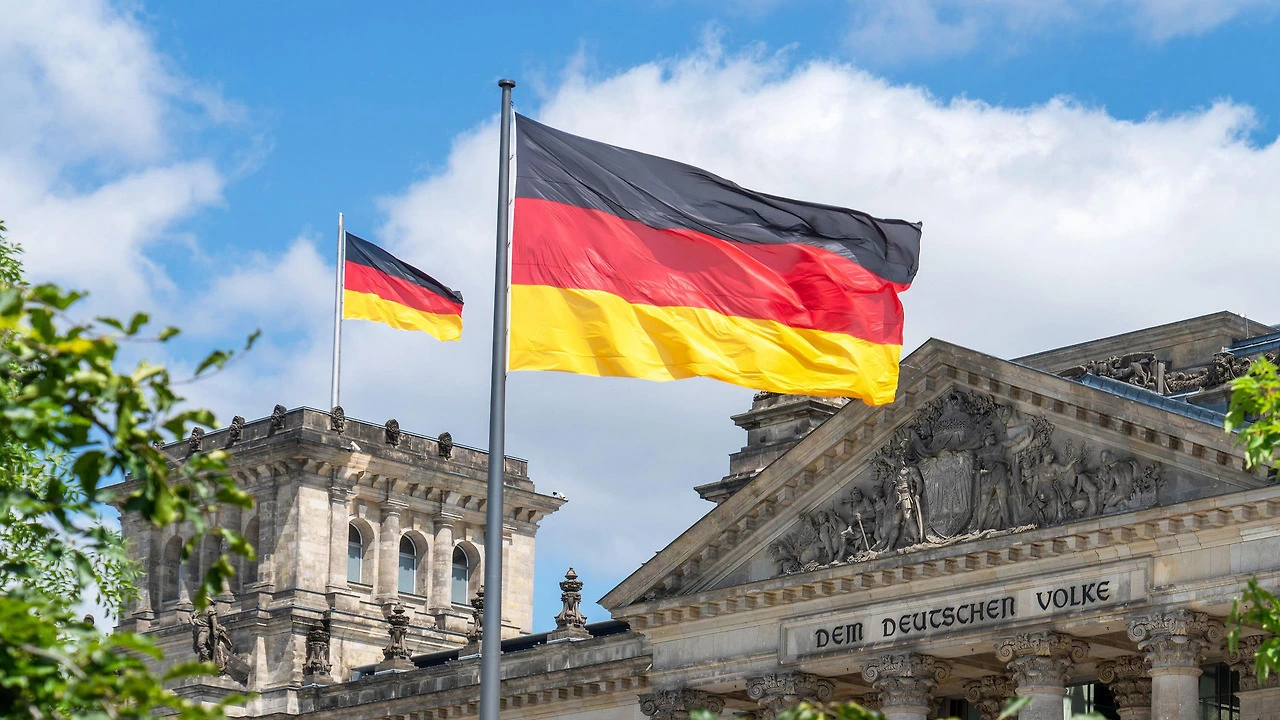
Germany continues to solidify its position as a global hub for industry and innovation in 2025, hosting world-class exhibitions that bring together professionals, innovators, and industry leaders. These events are not just trade shows but platforms that drive collaboration, showcase cutting-edge advancements, and shape the future of various sectors. Here are the top five global exhibitions in Germany to look out for this year.
1. IDS (International Dental Show)
- Location: Köln Messe (Messepl. 1, 50679 Köln)
- Dates: March 25–29, 2025
- Frequency: Biennial
- Type: B2B
- Attendance (2023): 116,693 attendees from 162 countries
IDS is the premier event for the dental industry, offering a comprehensive showcase of innovations in dental materials, digital technologies, and hygiene solutions. The event serves as a global meeting point for dental professionals, manufacturers, and researchers to explore the latest advancements in the field. Established in 1923 in Berlin and now held in Cologne, IDS has grown to become the definitive platform for networking and knowledge exchange in the dental sector.
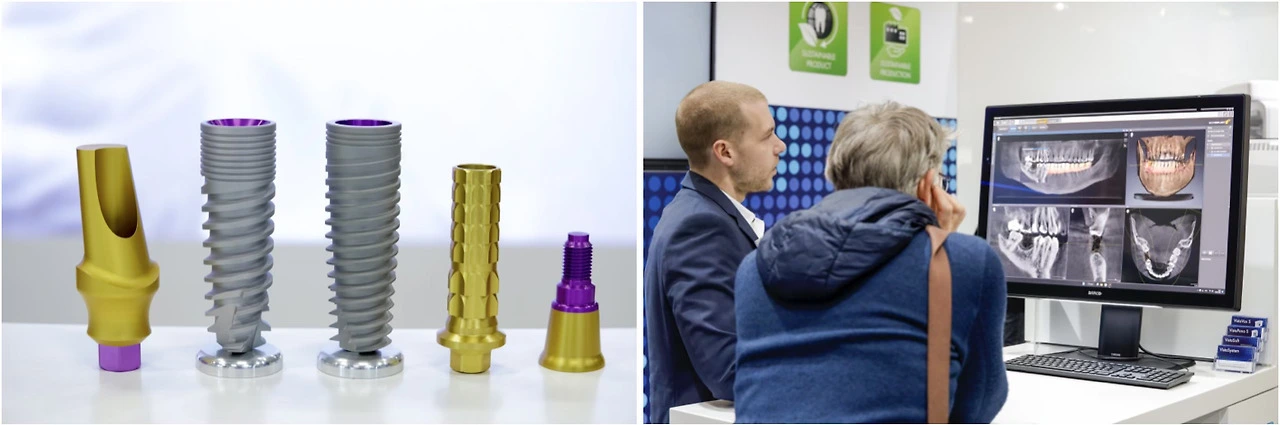
2. Hannover Messe
- Location: Deutsche Messe (Messegelände, Hermes Allee, 30521 Hannover)
- Dates: March 31–April 4, 2025
- Frequency: Annual
- Type: B2C
- Attendance (2024): 126,978 attendees from 156 countries
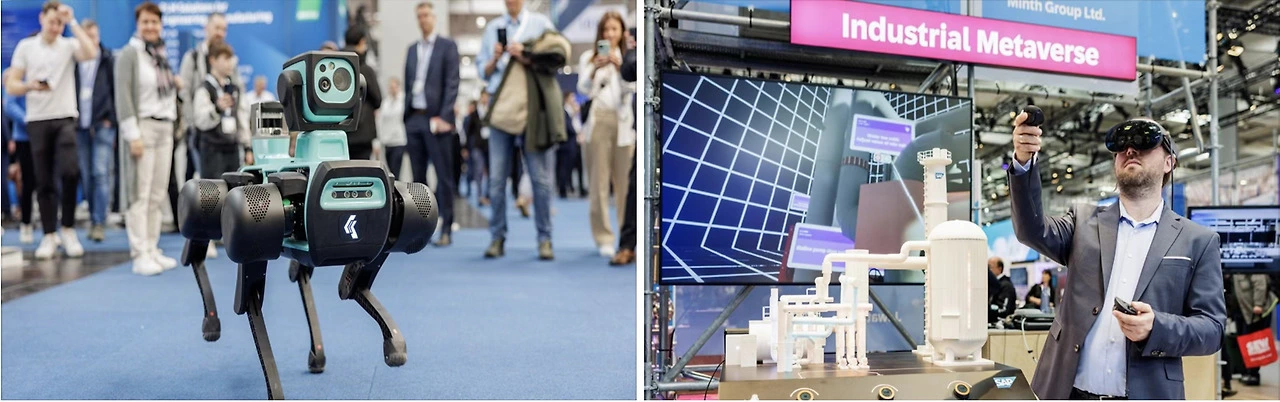
Hannover Messe is the world’s leading trade fair for industrial technology, spotlighting themes like AI, robotics, and renewable energy. Since its inception in 1947, it has played a pivotal role in rebuilding and advancing Germany’s industrial capabilities. Hannover Messe not only showcases cutting-edge solutions but also serves as a platform for global collaboration, driving innovations in smart factories and sustainable energy systems.
3. MWC (Mobile World Congress) Barcelona
- Location: Fira Barcelona Gran Via (Av. Joan Carles I, 64, 08908 L’Hospitalet de Llobregat, Barcelona, Spain)
- Dates: March 3–6, 2025
- Frequency: Annual
- Type: B2B
- Attendance (2024): 101,000 attendees from 205 countries
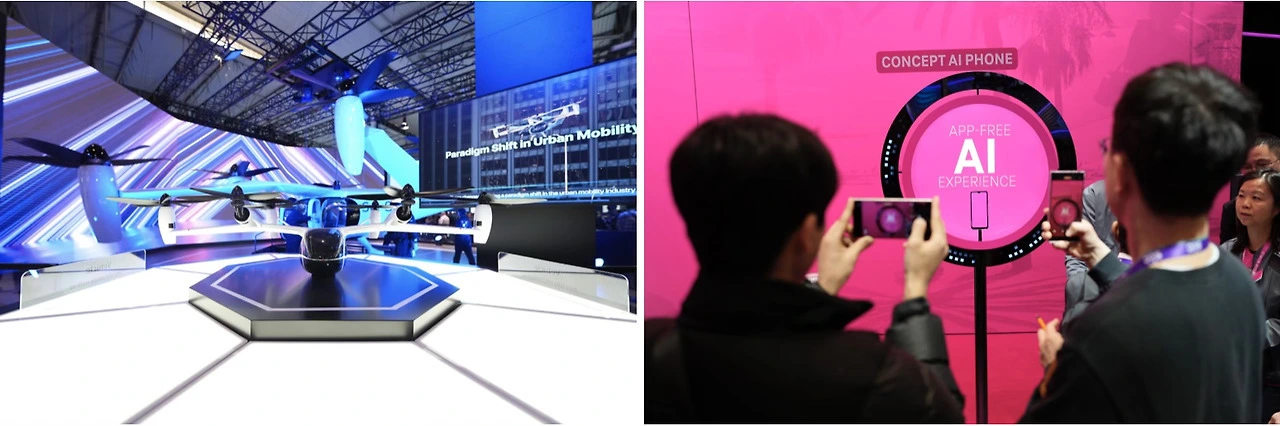
Though based in Barcelona, MWC (Mobile World Congress) is the world’s largest exhibition for mobile technology and digital innovation. Originally launched in 1987 as the GSM World Congress, MWC has evolved into the premier global platform for showcasing advancements in 5G, IoT, AI, and beyond. Beyond cutting-edge technologies, the event emphasizes critical topics like sustainability and cybersecurity, making it a must-attend for anyone in the telecommunications and technology industries. While its home is in Spain, MWC’s influence resonates globally, impacting key tech markets and fostering international collaborations.
4. Bauma
- Location: Messe München (Am Messesee 2, 81829 München)
- Dates: April 7–13, 2025
- Frequency: Triennial
- Type: B2B
- Attendance (2022): 495,132 attendees from 200 countries
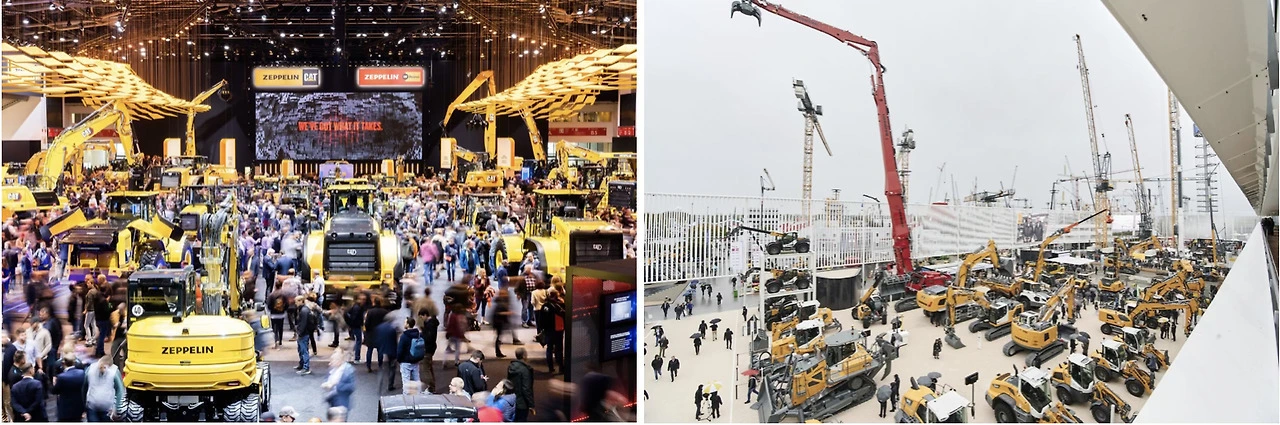
Bauma is the largest trade fair for the construction machinery industry, offering an unparalleled platform for showcasing innovations in mining, recycling, and construction technologies. Spanning over 600,000m², it’s a monumental event that draws nearly half a million professionals, highlighting advancements that shape the future of global infrastructure development.
5. The Smarter E Europe
- Location: Messe München (Am Messesee 2, 81829 München)
- Dates: May 7–9, 2025
- Frequency: Annual
- Type: B2B
- Attendance (2024): 108,917 attendees from 176 countries
The Smarter E Europe is a standout among global exhibitions in Germany, focusing on renewable energy, energy storage, and electric mobility. As a unified platform encompassing four specialized trade shows—Intersolar, ees Europe, Power2Drive, and EM-Power—it provides a comprehensive view of the energy sector’s future. With its commitment to sustainability, The Smarter E Europe inspires innovation and global cooperation in green energy solutions.

Global Exhibitions in Germany
Germany’s exhibitions in 2025 highlight the country’s commitment to fostering innovation and collaboration across industries. Whether it’s dentistry, industrial technology, mobile communication, construction, or energy, these events provide invaluable opportunities to connect, learn, and grow. As these exhibitions pave the way for breakthroughs, they also reaffirm Germany’s role as a global leader in trade fairs and innovation.



