



Monthly Archives: June 2026
EIDETIC Leads Official Sponsor Partnership for Hisense
June 22, 2026
EIDETIC Leads Official Sponsor Partnership for Hisense
Global marketing consultancy EIDETIC is leading the official sponsor partnership campaign for World Cup sponsor Hisense ahead of the 2026 FIFA World Cup.
The project is a large-scale local campaign that will take place across the United States, Canada, and Mexico, covering more than 10 major cities. During the World Cup, the campaign will serve as a strategic sports marketing initiative.
It is designed to expand Hisense’s brand value and global fan influence. EIDETIC will oversee planning, design, interactive content development, and operations. The work includes large-scale popup booths and on-site experiences for World Cup SFE and FFF. (SFE refers to Stadium Fan Experience, while FFF refers to FIFA Fan Festival.)
Global Sports Marketing Expansion
Founded in 2011, EIDETIC is a global integrated marketing consultancy headquartered in Los Angeles, with offices in Shanghai and Seoul. The company has executed sports marketing projects for Midea, a sponsor of Manchester City FC. It has also worked with Roborock, a sponsor of Real Madrid CF. Through these projects, EIDETIC has led global campaigns based on brand partnerships and sports sponsorship strategy.
EIDETIC has also created experiential spaces at major global exhibitions such as CES and IFA. These spaces reinterpret product competitiveness through sports and entertainment-driven experiences. Through this approach, the company has developed a strategy that connects mega events, popup booths, and media promotion with sports to create a continuous brand experience.
New Standard for Fan Experiences
EIDETIC previously oversaw EA Sports’ World Cup branding during the 2022 Qatar World Cup, demonstrating its ability to integrate strategy, creative, and operations within the sports marketing field. The latest World Cup partnership with Hisense is expected to further prove EIDETIC’s expertise and execution capabilities in global sports marketing.
Original Korean coverage: Seoul Economic Daily
EIDETIC helps global brands bring sports sponsorships to life in Korea through Seoul-based popup campaigns, flagship store experiences, sports star partnerships, ambassador campaigns, and fan-focused activations for World Cup sponsor moments and other international sports events.

Global Game Exhibition Guide: Venue Size and Key Characteristics by Region
June 15, 2026
Global Game Exhibition Guide: Venue Size and Key Characteristics by Region
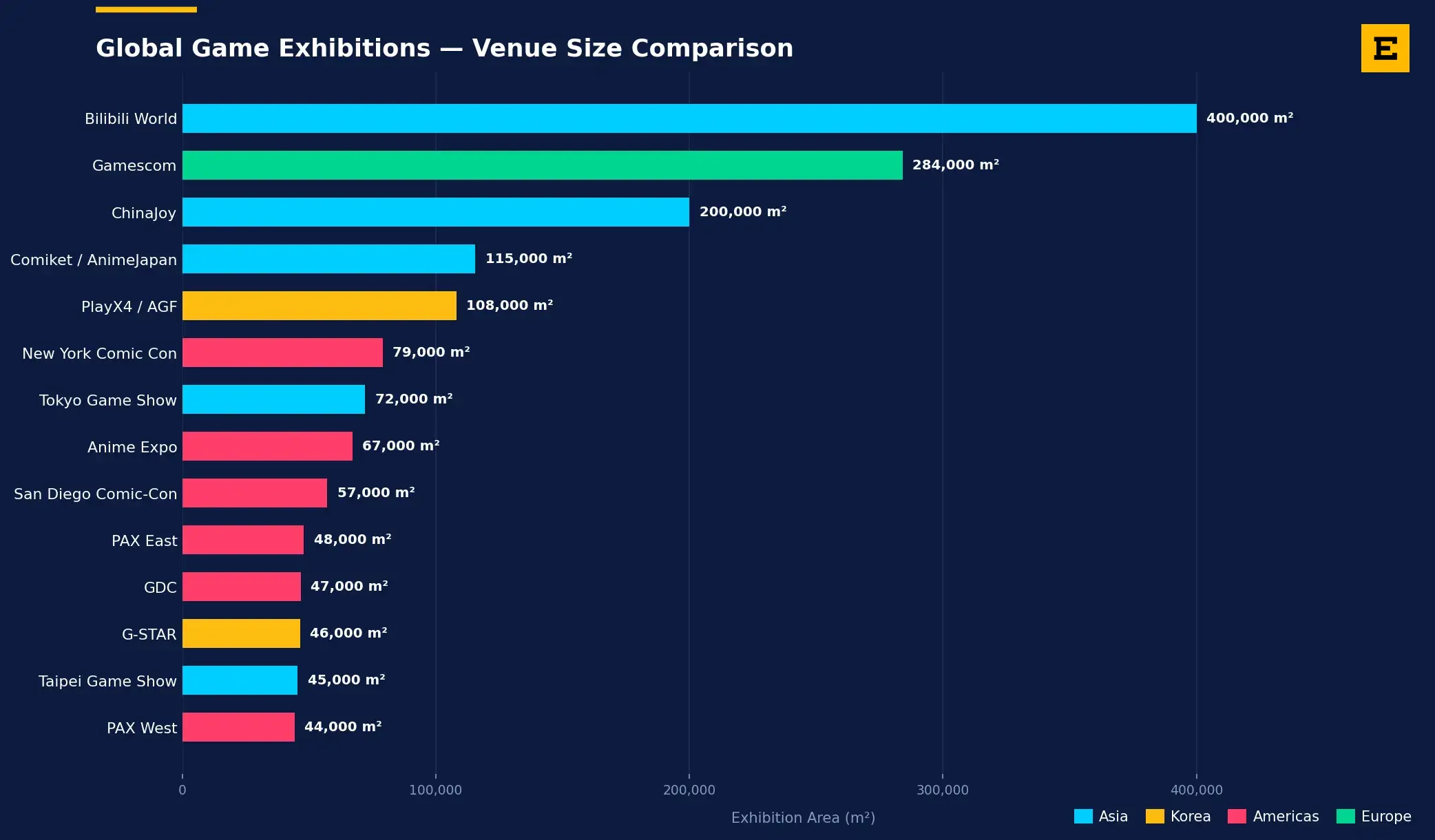
Global game exhibitions vary significantly in scale, audience profile, and market focus. While some events attract hundreds of thousands of fans, others are built around industry networking, publisher meetings, media coverage, or business development opportunities.
However, venue size is only one part of the equation for companies planning international exhibition activities. The more important consideration is understanding who attends each show, how audiences engage with brands, and what role the event can play in broader marketing, publishing, or market expansion strategies.
In this guide, we compare major global game exhibitions by venue scale, regional characteristics, audience behavior, and exhibitor value. As a global exhibition partner for game brands, EIDETIC supports booth strategy, planning, design, production, and on-site operations for major gaming and fan-driven events.
Global Game Exhibition Guide by Region
| Exhibition | Country / City | Venue | Exhibition Area (m²) |
|---|---|---|---|
| Bilibili World | China / Shanghai | National Exhibition and Convention CenterNECC | 400,000 m² |
| gamescom | Germany / Cologne | Koelnmesse | 284,000 m² |
| ChinaJoy | China / Shanghai | Shanghai New International Expo CentreSNIEC | 200,000 m² |
| Comic Market, AnimeJapan | Japan / Tokyo | Tokyo Big Sight | 115,420 m² |
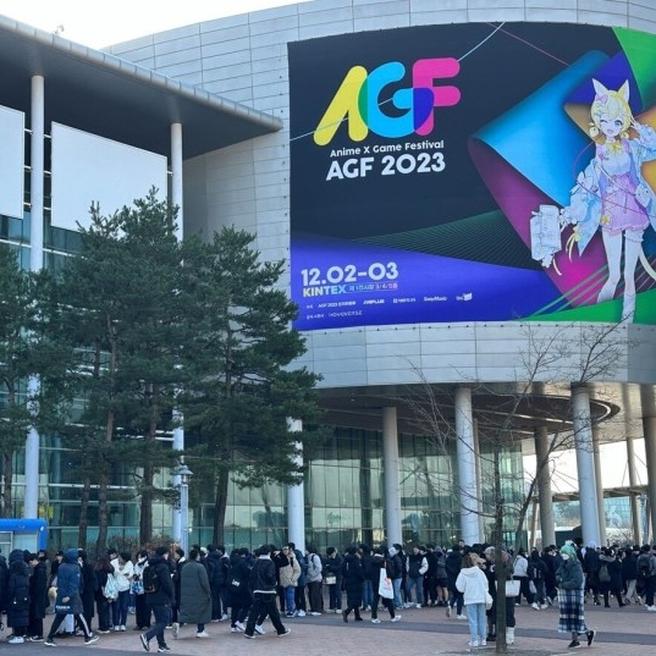
| AGF (Anime Game Festival), PlayX4 | Korea / Ilsan | KINTEX | 108,011 m² |
| New York Comic Con | U.S. / New York | Javits Center | 79,000 m² |
| Tokyo Game Show | Japan / Chiba | Makuhari Messe | 72,000 m² |
| LA Anime Expo | U.S. / Los Angeles | Los Angeles Convention CenterLACC | 67,000 m² |
| San Diego Comic-Con | U.S. / San Diego | San Diego Convention CenterSDCC | 57,200 m² |
| PAX East | U.S. / Boston | Boston Convention & Exhibition CenterBCEC | 47,940 m² |
| GDC (Game Developers Conference) | U.S. / San Francisco | Moscone Center | 46,665 m² |
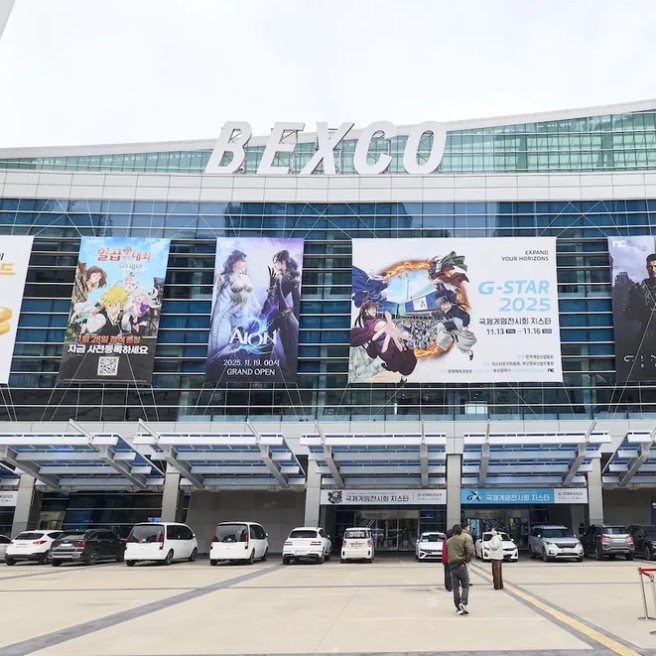
| G-STAR | Korea / Busan | BEXCO | 46,380 m² |
| Taipei Game Show | Taiwan / Taipei | Taipei Nangang Exhibition Center | 45,360 m² |
| PAX West | U.S. / Seattle | Seattle Convention Center | 44,215 m² |
A large exhibition venue can create massive traffic. At the same time, it also increases competition, walking distance, production complexity, staffing needs, and cost. By contrast, a smaller venue can still deliver strong ROI when the audience is highly concentrated, media access is strong, or business meetings are easier to manage.
Before choosing a global game exhibition, exhibitors should ask three questions: Is the show designed for B2B meetings, B2C fan engagement, media exposure, or IP expansion? Does the venue separate business, entertainment, fandom, and public areas clearly? And is the booth enough, or should the strategy include off-site activations, media lounges, hotel meetings, or city-wide branding?
The best exhibition strategy starts by matching the show environment to the brand’s business goal.
China: Mega-Scale Game Shows
China is home to some of the largest game and subculture events in the world. For exhibitors, the opportunity is enormous, but the scale requires careful planning around traffic flow, platform culture, IP fandom, and local execution.
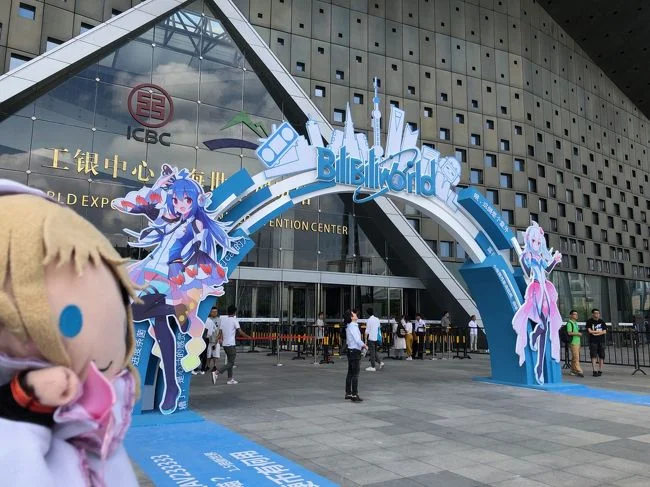
Bilibili World: Fandom Traffic Powered by Platform IP
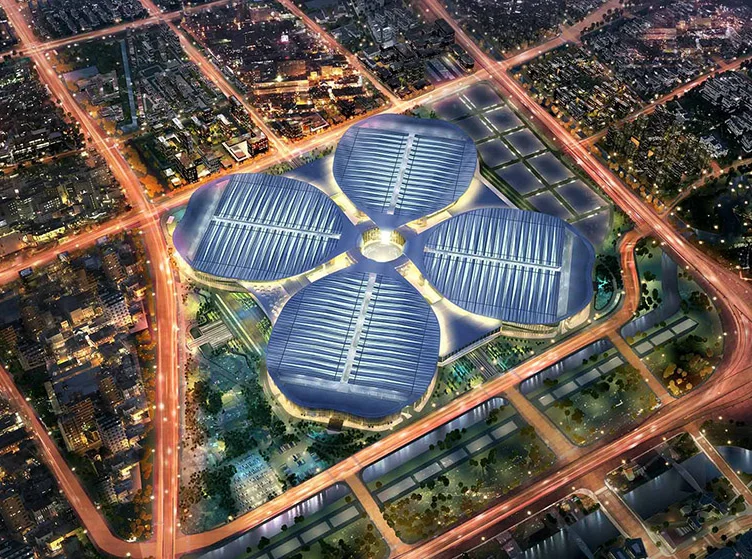
Venue: National Exhibition and Convention Center (NECC), Shanghai
Scale: ~400,000 m² (incl. 100,000 m² outdoor) · 16 halls
Type: B2C Fandom · Platform IP · Gen Z Subculture
Bilibili World is held at the National Exhibition and Convention Center in Shanghai, also known as NECC. Although Bilibili World has a relatively short history compared to legacy game shows, its growth has been explosive. The event is powered by Bilibili’s platform ecosystem, where China’s Gen Z audience has strong loyalty toward games, anime, creators, virtual idols, and subculture IP.
For exhibitors, this means traffic is not only driven by the show itself. It is also driven by platform-native fandom. Booths that perform well at Bilibili World usually connect the physical experience with online community behavior, creator culture, character IP, and shareable moments.
Bilibili World is especially relevant for brands that want to reach Chinese Gen Z fans, activate anime-style game IP, launch character-driven campaigns, or build social momentum around fandom participation.
For companies considering the event, our Bilibili World 2026 exhibitor guide covers audience characteristics, booth strategy, and planning considerations in more detail.
ChinaJoy: Official Industry Access and Large-Scale Public Exposure
Venue: Shanghai New International Expo Centre (SNIEC), Shanghai
Scale: ~200,000 m² indoor + 100,000 m² outdoor · 17 halls
Type: B2C + B2B · Government-Backed · China Digital Entertainment
ChinaJoy is held at the Shanghai New International Expo Centre, known as SNIEC. Unlike pure fan events, ChinaJoy has a more formal industry structure. It is backed by government and industry associations, and it clearly separates B2C public days from B2B business areas.
For companies focused on licensing, publishing, platform partnerships, or market entry, the N1 and N2 business halls are often more important than public traffic alone. For companies focused on brand visibility, IP awareness, and fan engagement, the W and E public halls provide stronger exposure to consumer audiences.
ChinaJoy is not just a large exhibition. It is one of the central networking stages for China’s digital entertainment industry.
Germany: Gamescom as a Global Industry Hub
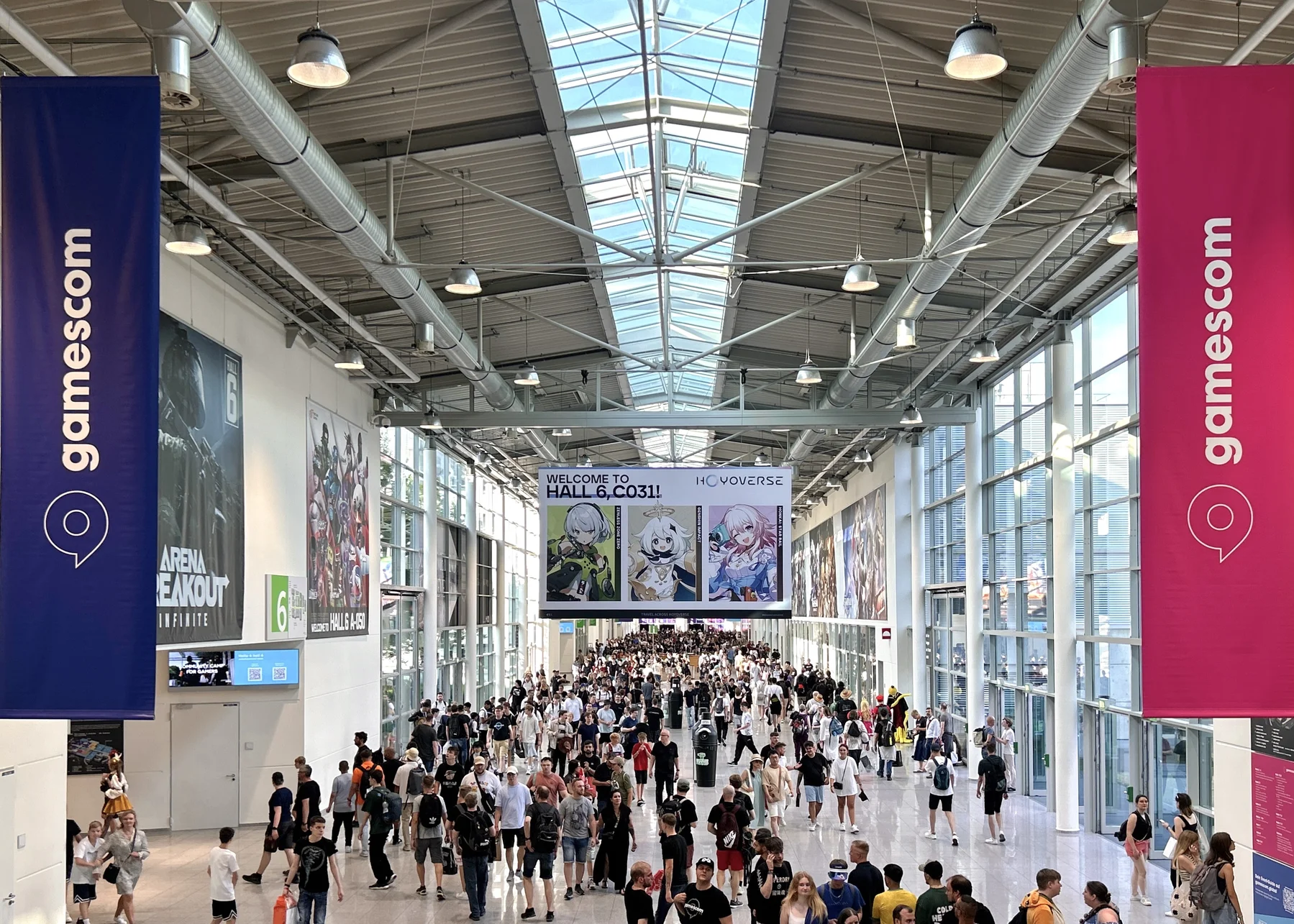
Venue: Koelnmesse, Cologne
Scale: ~284,000 m² indoor + 100,000 m² outdoor · 11 halls
Type: B2B + B2C · Global Industry Week · Press & Partner Access
Europe is largely centered around one mega-scale game show: gamescom. By venue scale, it is larger than ChinaJoy’s indoor exhibition area and second only to Bilibili World among the shows listed in this comparison. However, the real value of gamescom is not just its size.
The show separates the Business Area and Entertainment Area, which allows exhibitors to plan for both trade meetings and public fan engagement within the same event. At the same time, European, North American, and Asian publishers, developers, investors, media, platforms, and partners gather in Cologne throughout the week. This is what makes gamescom more than a public game show. It is where the global game industry converges.
For exhibitors, gamescom should not be treated as a booth-only event. During the show week, Cologne becomes part of the campaign environment. Hotel lounges, business suites, outdoor media, city-center activations, creator events, and Rhine-side brand experiences can all become part of a broader exhibition strategy.
For global game brands, gamescom is one of the strongest options for combining B2B meetings, public fan engagement, press exposure, and international market positioning.
Our Gamescom 2026 exhibitor guide covers registration, booth costs, audience structure, and event planning in more detail.
For a closer look at how EIDETIC translates a game IP into a large-scale show-floor experience, see our Mecha BREAK gamescom B2C case stud
Japan: Dense Media Value and Subculture IP
Japan has a unique exhibition environment where game, anime, manga, console, mobile, and character IP culture are closely connected. The venues may be smaller than China’s or Germany’s mega-scale halls, but the density of media, fandom, and platform influence is extremely high.
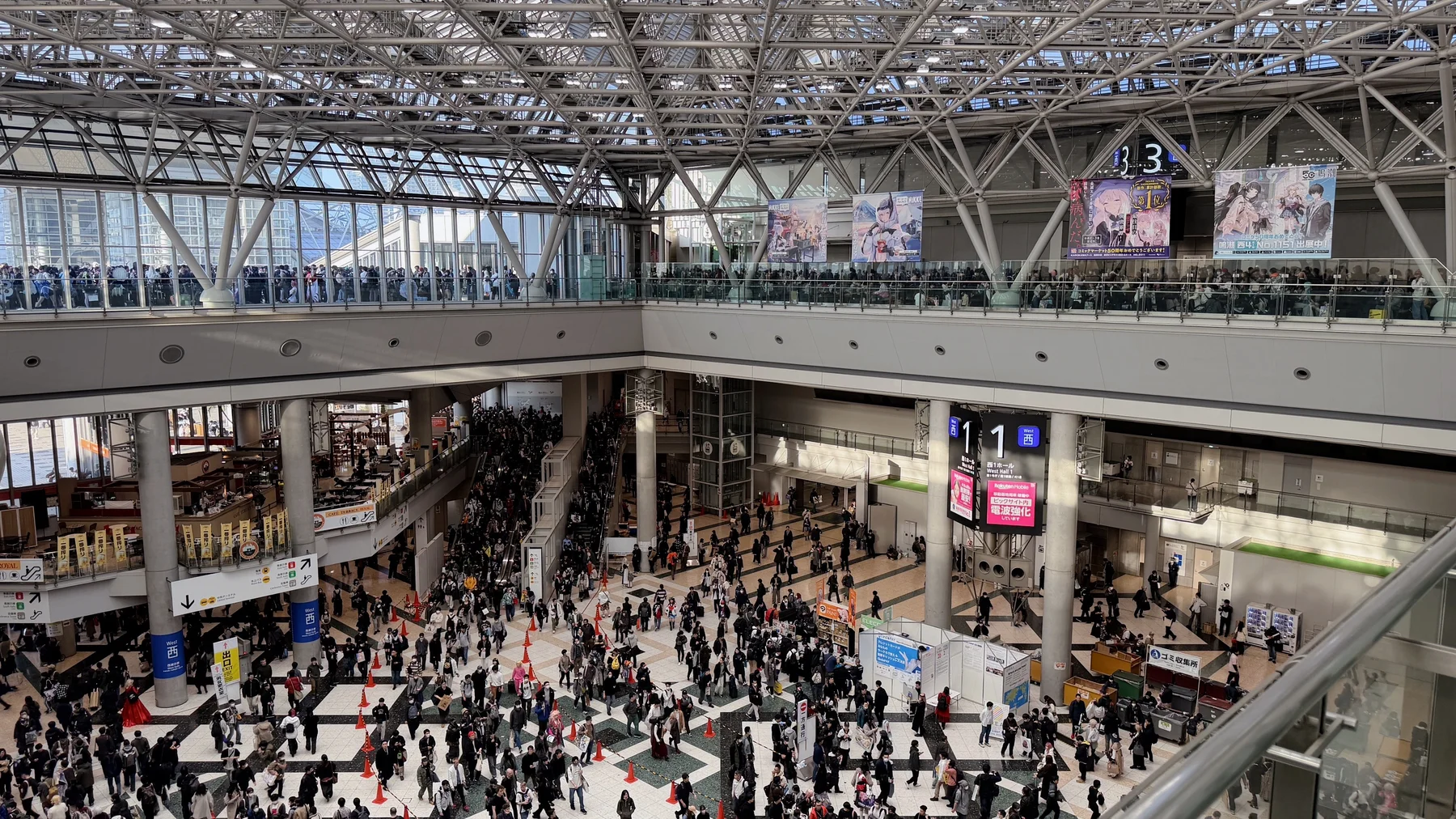
Tokyo Big Sight: AnimeJapan and Comic Market
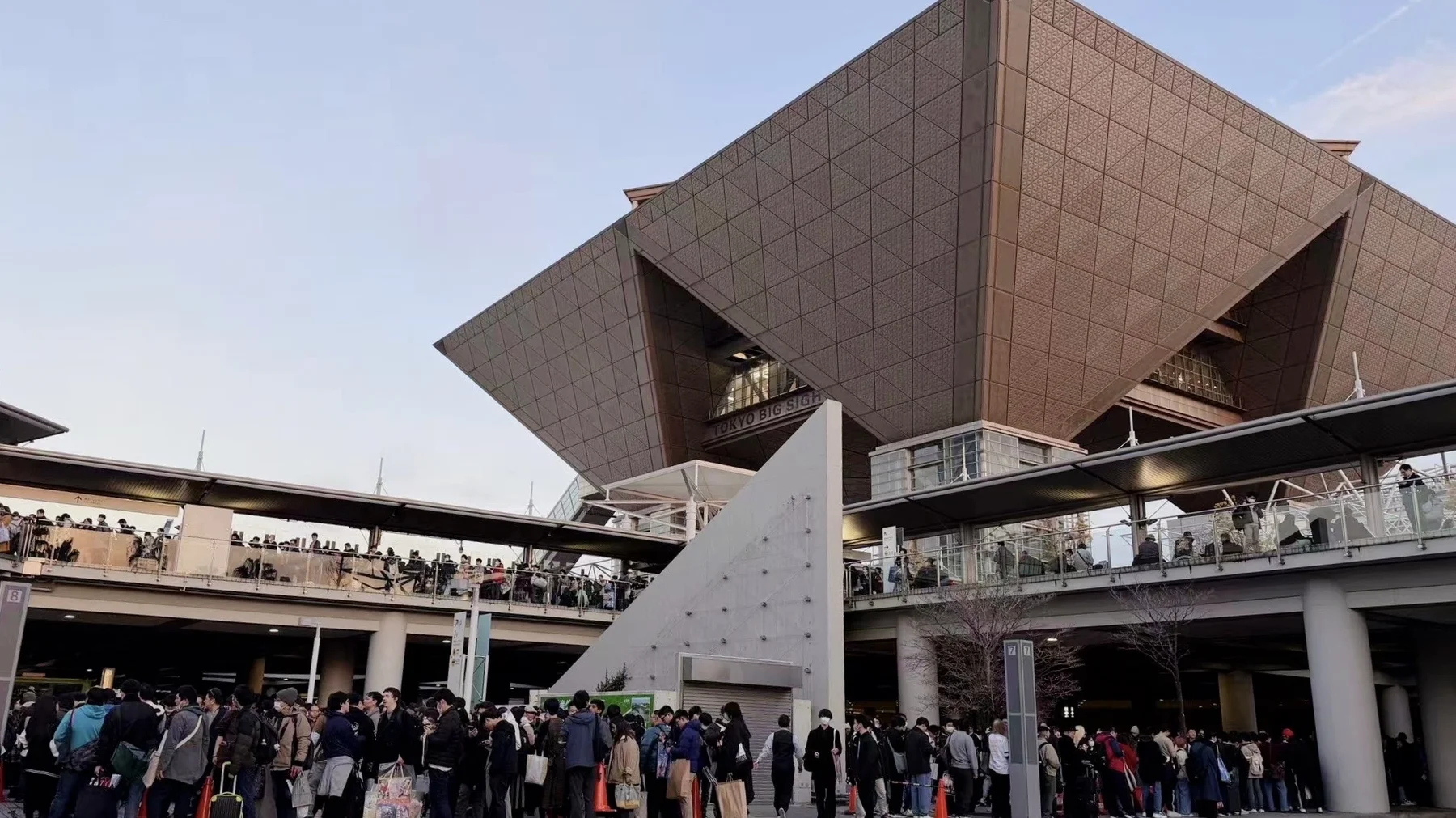
Venue: Tokyo Big Sight, Tokyo
Scale: ~115,420 m² · East, West, and South Halls
Type: B2C Fandom · Anime / Manga / Character IP
Tokyo Big Sight is the venue for major subculture events such as AnimeJapan and Comic Market. For brands connected to anime, manga, character IP, webtoon, or fan merchandise, Tokyo Big Sight is one of the most important venues in Asia. The environment is highly fandom-driven, which means booth strategy should prioritize visual identity, character storytelling, merchandise flow, photo zones, and queue management.
Tokyo Game Show: Smaller Scale, High Media ROI
Venue: Makuhari Messe, Chiba
Scale: ~72,000 m² · Halls 1–8 and 9–11
Type: B2C + Media · Console / Mobile / PC · Asia Region Launch Platform
Tokyo Game Show, commonly known as TGS, is not held in Tokyo. It takes place at Makuhari Messe in Chiba. Compared with gamescom or ChinaJoy, TGS is much smaller. However, its influence is much larger than its square meter count suggests.
For four days, Japan’s game media, streamers, console platform holders, publishers, and fans gather in one place. In addition, this makes TGS especially valuable for media exposure, influencer coverage, live demonstrations, and regional announcement strategies. For console, mobile, and PC game publishers targeting Asian markets, TGS can deliver strong media efficiency per square meter.


Booth size, location, fabrication, labor, logistics, and exhibitor services can significantly affect your exhibition budget. Get an initial planning range before developing your booth strategy.
United States: Shows by Objective
The U.S. game exhibition market is not built around one single mega show. Instead, it operates as a portfolio of specialized events. Each show serves a different purpose, and the key decision is choosing the event that matches the brand’s goal.
New York Comic Con: East Coast IP and Transmedia Visibility
Venue: Javits Center, New York
Scale: ~79,000 m² · 10 halls
Type: B2C · IP Expansion · Transmedia / Entertainment Partnerships
New York Comic Con is a strong East Coast platform for IP business, transmedia announcements, fan marketing, and entertainment partnerships. Since film, TV, comics, games, publishing, and streaming IP all intersect at the show, it is especially useful for game brands that want to position their title as part of a larger entertainment universe. For exhibitors, NYCC is not only about game demos. It is also a platform for expanding game IP into broader pop culture and fandom.
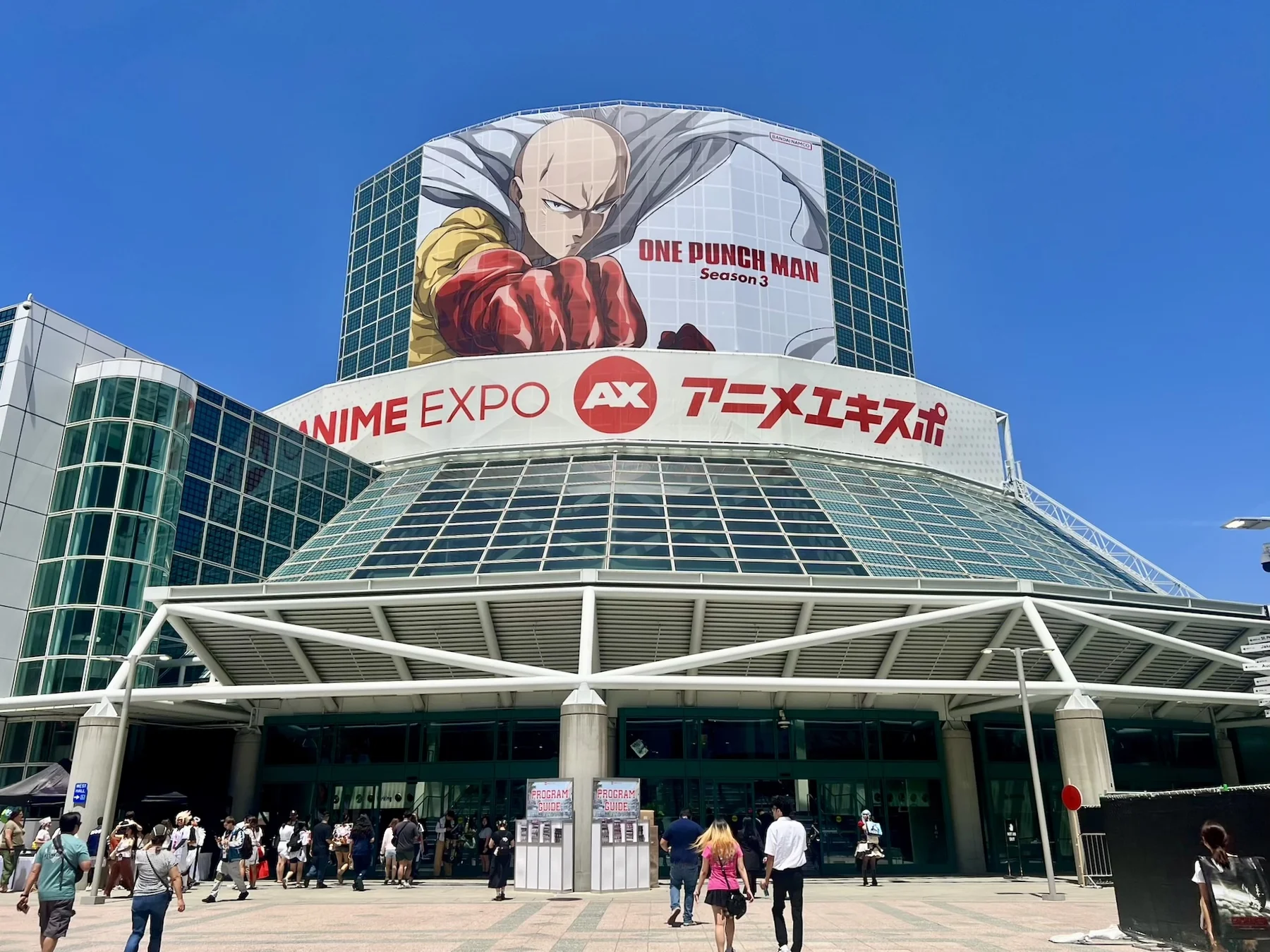
Anime Expo: North America’s Major Anime and Game Culture Stage
Venue: Los Angeles Convention Center, Los Angeles
Scale: ~67,000 m²
Type: B2C Fandom · Anime / Japanese IP / Korean Subculture Game
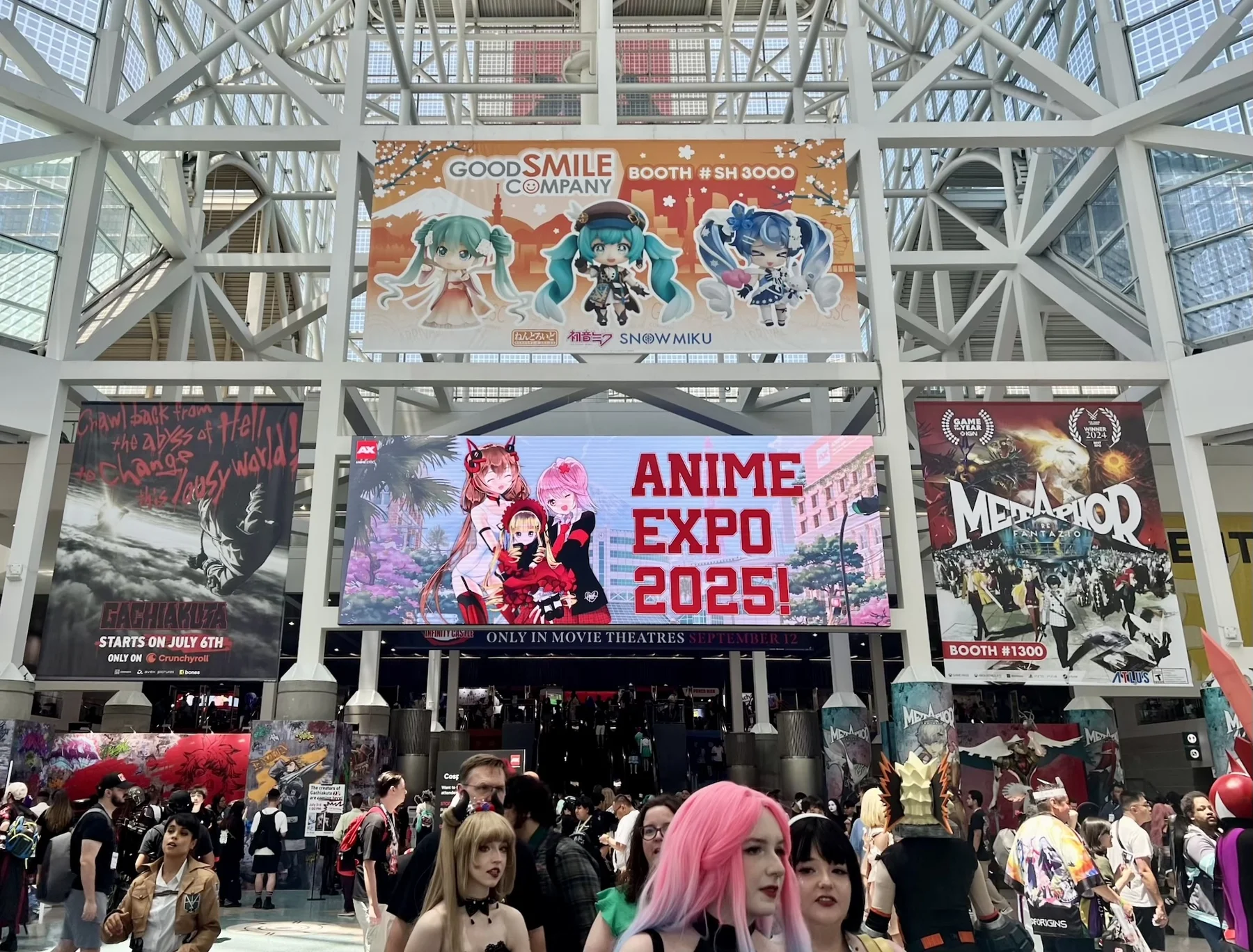
Anime Expo is one of the most important anime, Japanese IP, and game culture events in North America. In recent years, more Korean subculture game companies, webtoon brands, and character IP companies have also entered the show.
From an on-site strategy perspective, Anime Expo is less about traditional product demos and more about fandom experience. Photo zones, merchandise sales, cosplay integration, creator moments, and character-led storytelling often perform better than a standard gameplay booth.
Game publishers planning to exhibit in Los Angeles can find more practical information in our Anime Expo exhibitor guide, including booth planning and on-site strategy.
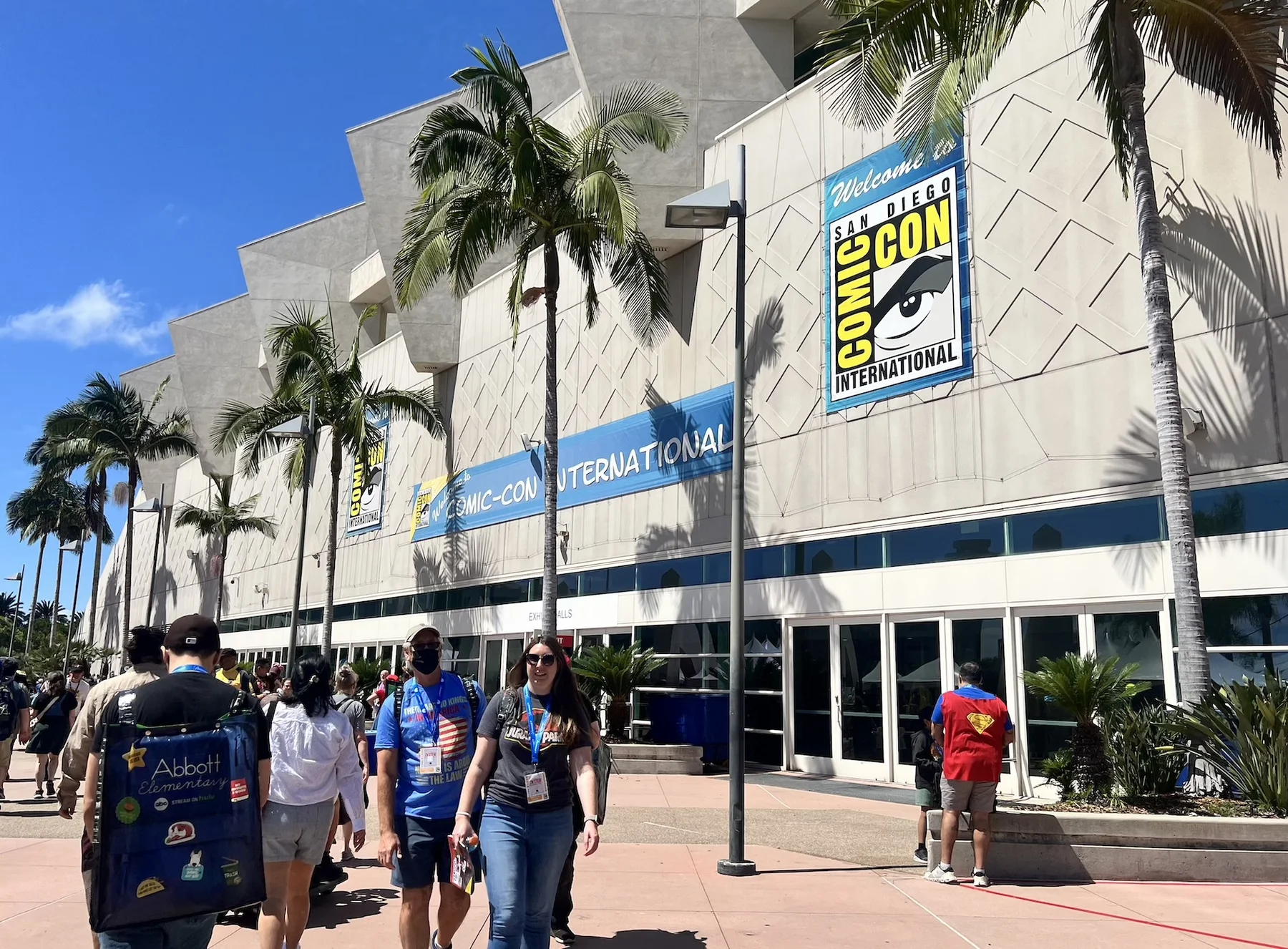
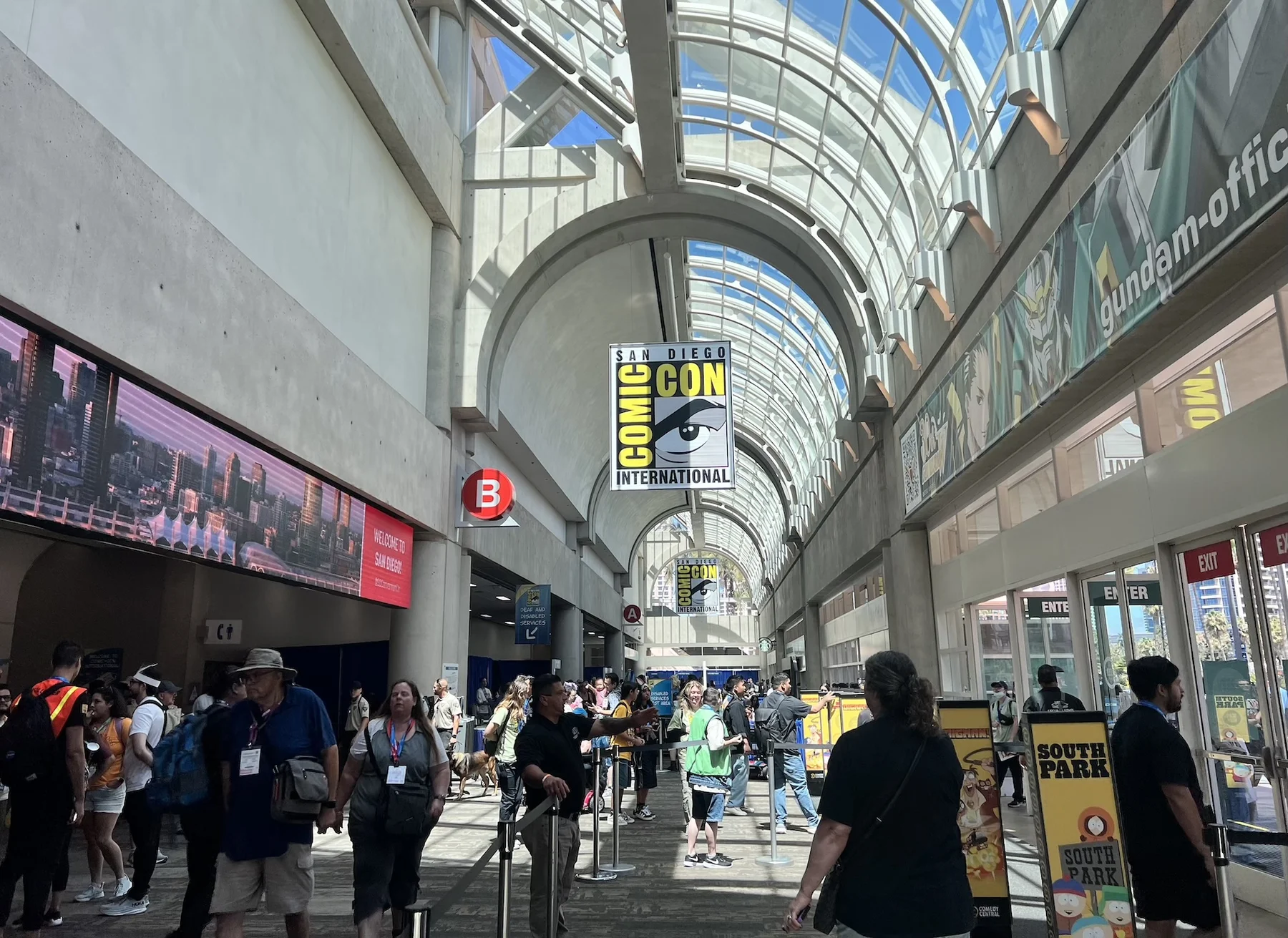
San Diego Comic-Con: Global Media Impact for Transmedia IP
Venue: San Diego Convention Center, San Diego
Scale: ~57,200 m² · 7 halls
Type: B2C · Hollywood / Games / Comics · Global Entertainment Media
San Diego Comic-Con sits at the intersection of Hollywood, games, comics, and global entertainment media. It is one of the strongest stages for major transmedia IP announcements. For exhibitors, ROI is rarely created by booth size alone. Media panels, celebrity guests, press coverage, announcement timing, and off-site events are often the core of the strategy.
See how major game publishers approach this environment in our analysis of SDCC game booth and IP activation strategies.
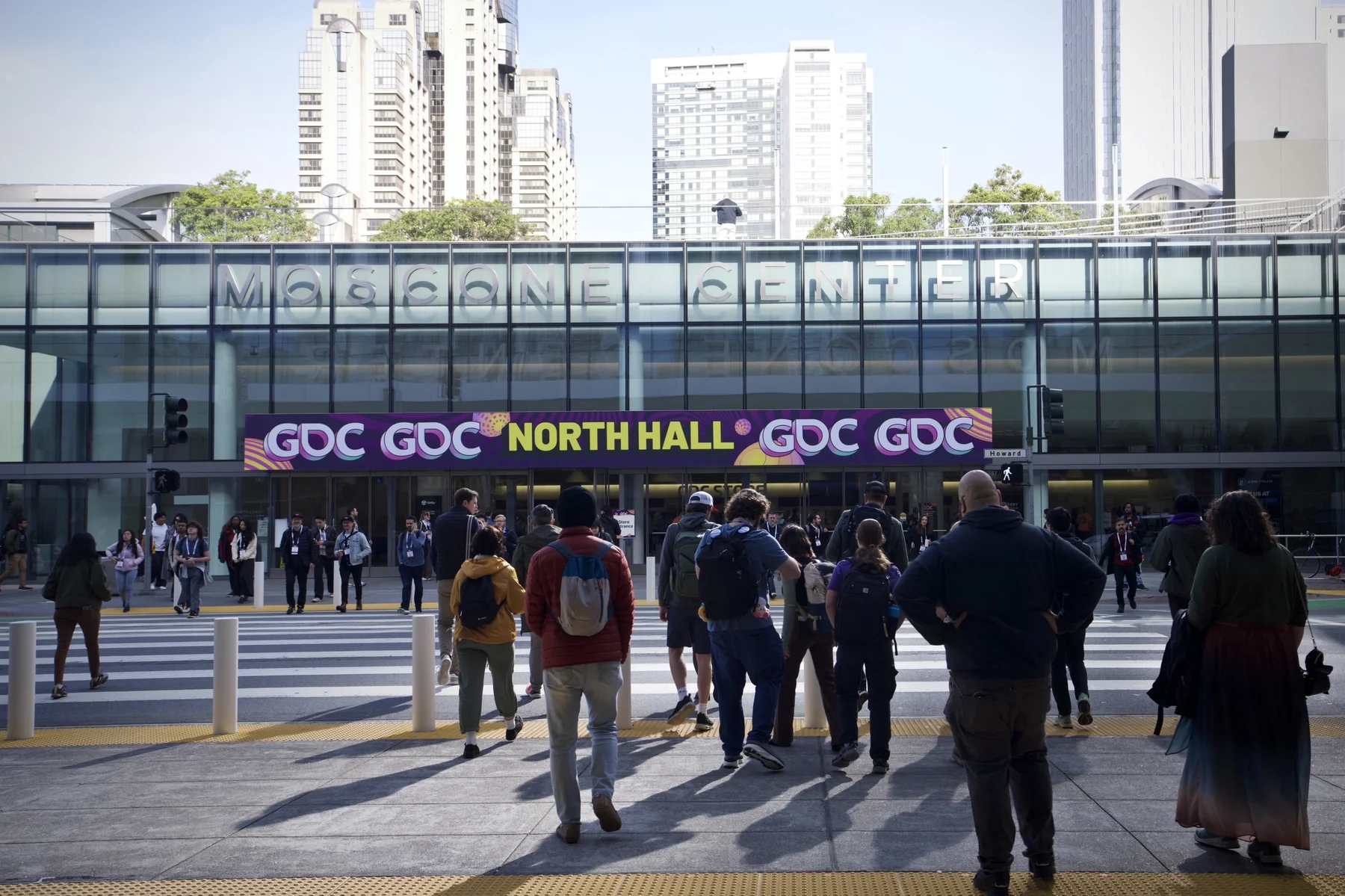
GDC: The B2B Conference for Developers and Technology Partners
Venue: Moscone Center, San Francisco
Scale: ~46,665 m²
Type: B2B · Developer & Tech Conference · Publisher & Platform Meetings
By venue size, GDC is mid-tier. By industry influence, it is one of the most important B2B conferences in the global game industry. For developers, publishers, middleware companies, technology partners, and platform businesses, the booth is often a supporting channel. The real value happens through private meetings, speaker sessions, partner introductions, and after-hours networking. At GDC, meeting room strategy can be more important than booth size.
For a closer look at its conference structure, expo floor, audience, and networking environment, read our guide to how the Game Developers Conference works.
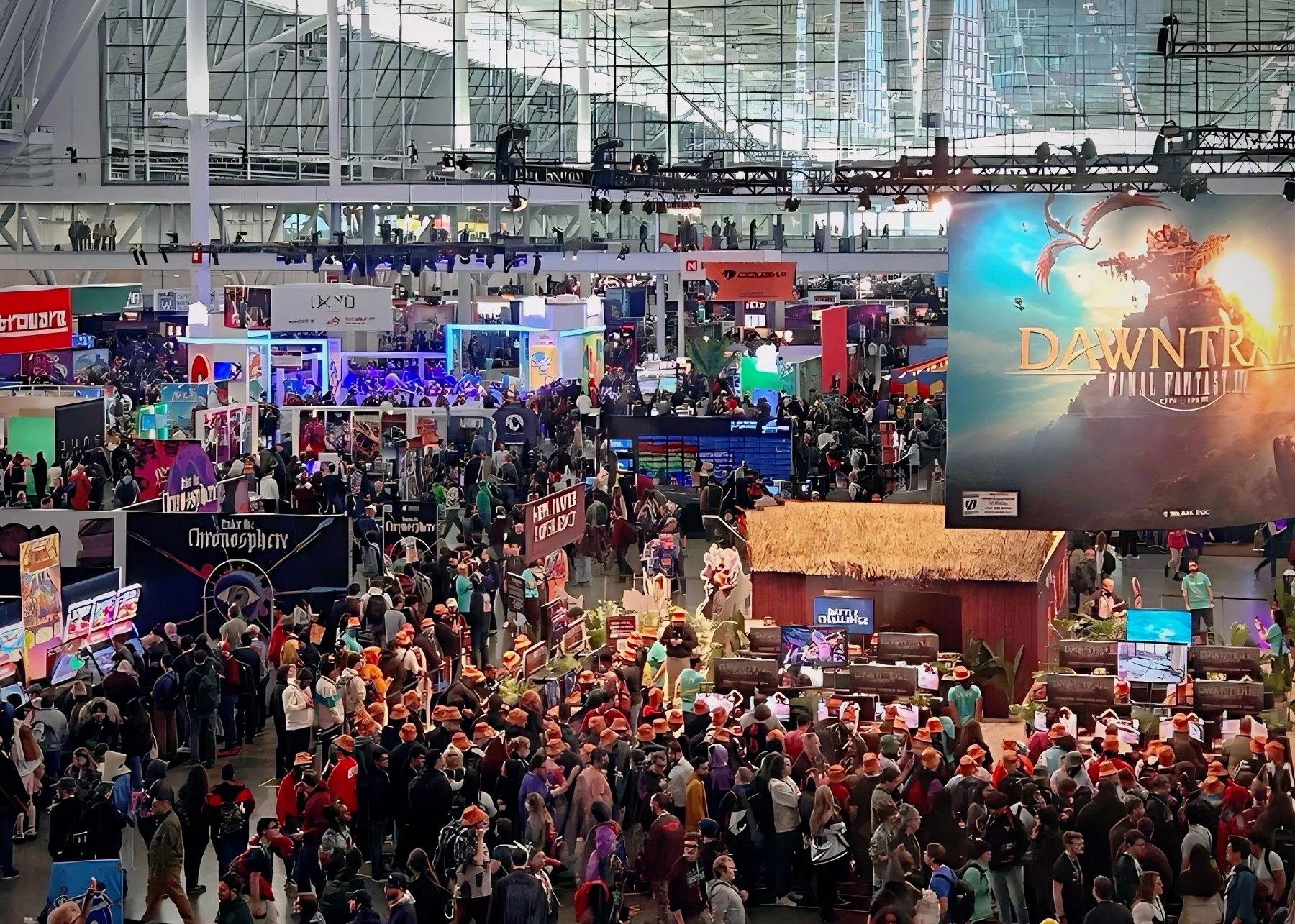
PAX East and PAX West: Community, Playtesting, and Core Gamer Engagement
PAX East: Boston Convention & Exhibition Center · ~47,940 m²
West: Seattle Convention Center · ~44,215 m²
Type: B2C · Core Gamer Community · Playtest & Indie Launch Platform
Both PAX shows are strong platforms for reaching core gamer communities in North America. Unlike media-first or business-first events, PAX is especially useful for playable builds, community building, Steam wishlist growth, Discord conversion, creator engagement, and direct player feedback.
For indie games, early-stage titles, and community-led launches, PAX can provide valuable audience validation before a larger global campaign.
Korea: Asia’s Game and Subculture Base
Korea is a powerful market for games, webtoons, esports, mobile titles, character IP, and subculture fandom. For overseas game companies, Korean exhibitions can serve as a practical base camp for entering the wider Asian market.
AGF and PlayX4: Subculture and Game Audiences at KINTEX
Venue: KINTEX, Ilsan
Scale: ~108,011 m²
Type: B2C Fandom · Anime / Game / Character IP · Korean Subculture
AGF and PlayX4 are held at KINTEX in Ilsan. AGF, in particular, is becoming a major gathering point for Korea’s core subculture audience. Anime, games, comics, character IP, and fan communities come together in one venue, making it highly relevant for Japanese, Chinese, and Korean game companies targeting fandom-driven users.
For exhibitors, AGF and PlayX4 are strong options for fan engagement, local community building, character-led experiences, and regional audience testing.
Publishers targeting Korea’s fandom market can find registration dates, audience insights, booth costs, and operational considerations in our AGF Korea 2026 exhibitor guide.
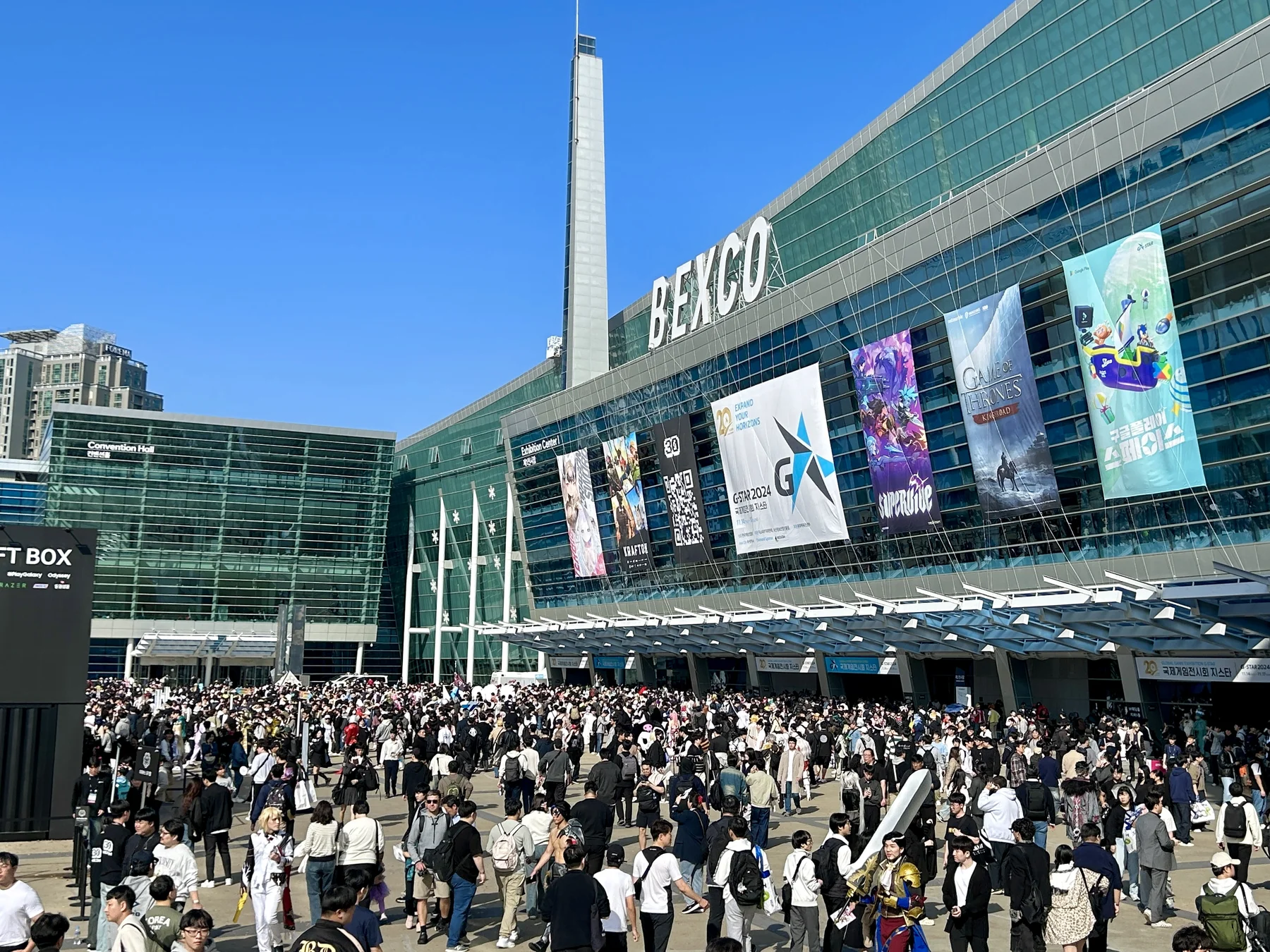
G-STAR: Korea’s Representative Game Show
Venue: BEXCO, Busan
Scale: ~46,380 m²
Type: B2C + B2B · Korea Game Show · Market Entry Platform
Compared with gamescom or ChinaJoy, G-STAR may appear smaller. However, it remains Korea’s leading game show and one of the most important entry points for overseas game companies looking to reach Korean gamers. G-STAR is larger than PAX West and comparable shows by venue scale, and it offers direct access to Korean players, media, creators, and industry partners.
For brands entering Korea, G-STAR can be a practical stage for testing player reactions, gathering feedback on new titles, building local awareness, and creating launch momentum.
Our G-STAR 2026 exhibitor guide covers registration deadlines, booth costs, exhibitor rules, and key planning considerations.
For an example of how EIDETIC builds a large-scale game show experience in Korea, explore our NC G-STAR B2C case study.
FAQ for Global Game Exhibition
The largest global game exhibitions can be viewed by venue size and audience scale. By venue size, Bilibili World, gamescom, and ChinaJoy are among the biggest. By audience scale, gamescom, ChinaJoy, Tokyo Game Show, Anime Expo, and major Comic-Con events are also important because they attract large fan, media, and industry audiences.
For B2B meetings, gamescom, GDC, and ChinaJoy’s business halls are strong options. gamescom is useful for global publishing and investor meetings, GDC is focused on developers and technology partners, and ChinaJoy is important for entering China’s digital entertainment market.
Game companies usually need more than booth production for an overseas exhibition. A strong partner should support booth strategy, local production, demo flow, staffing, logistics, fan engagement, and on-site operations. For first-time exhibitors, this is especially important because venue rules, audience behavior, and business expectations vary by country and event.
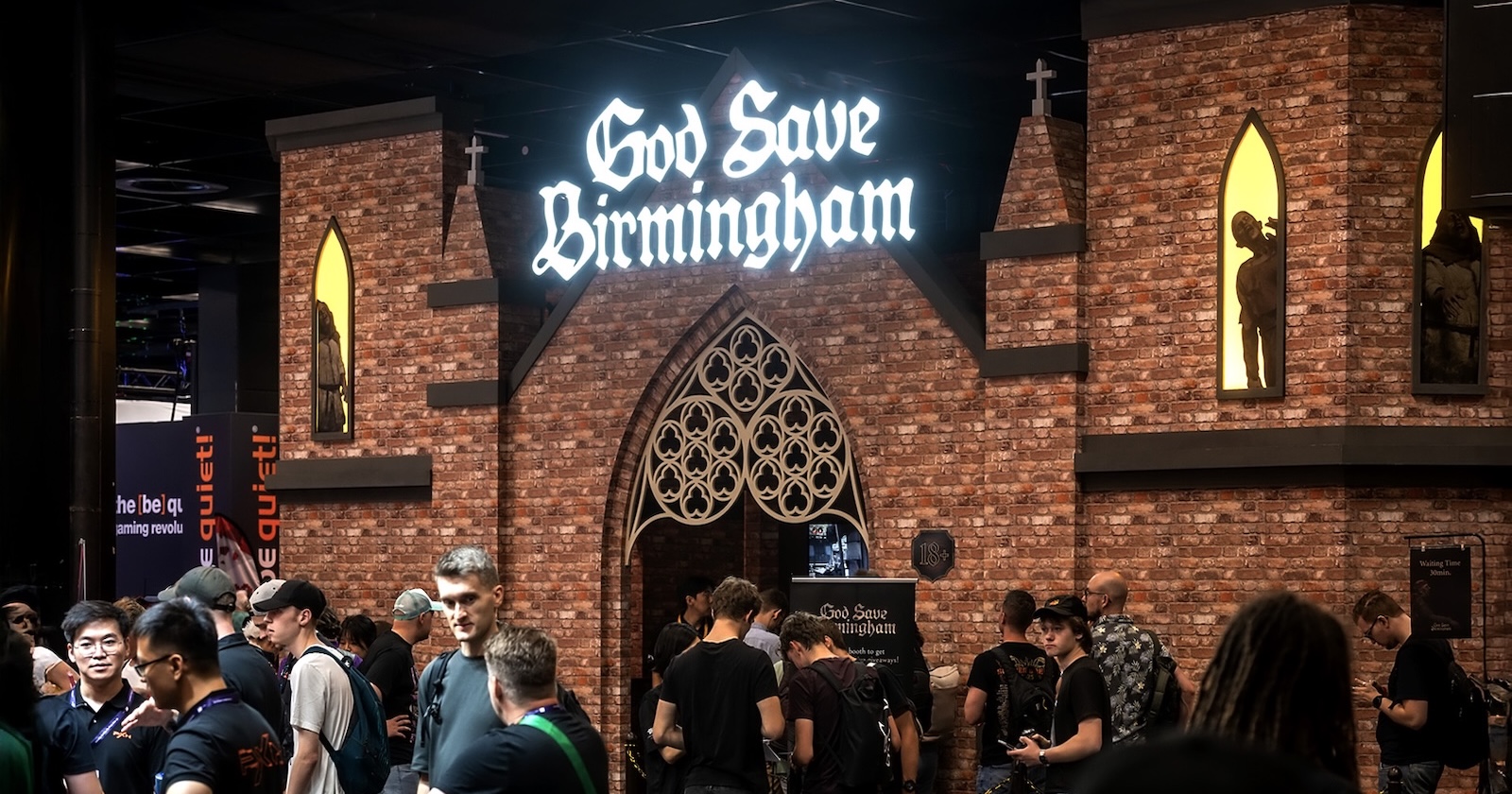
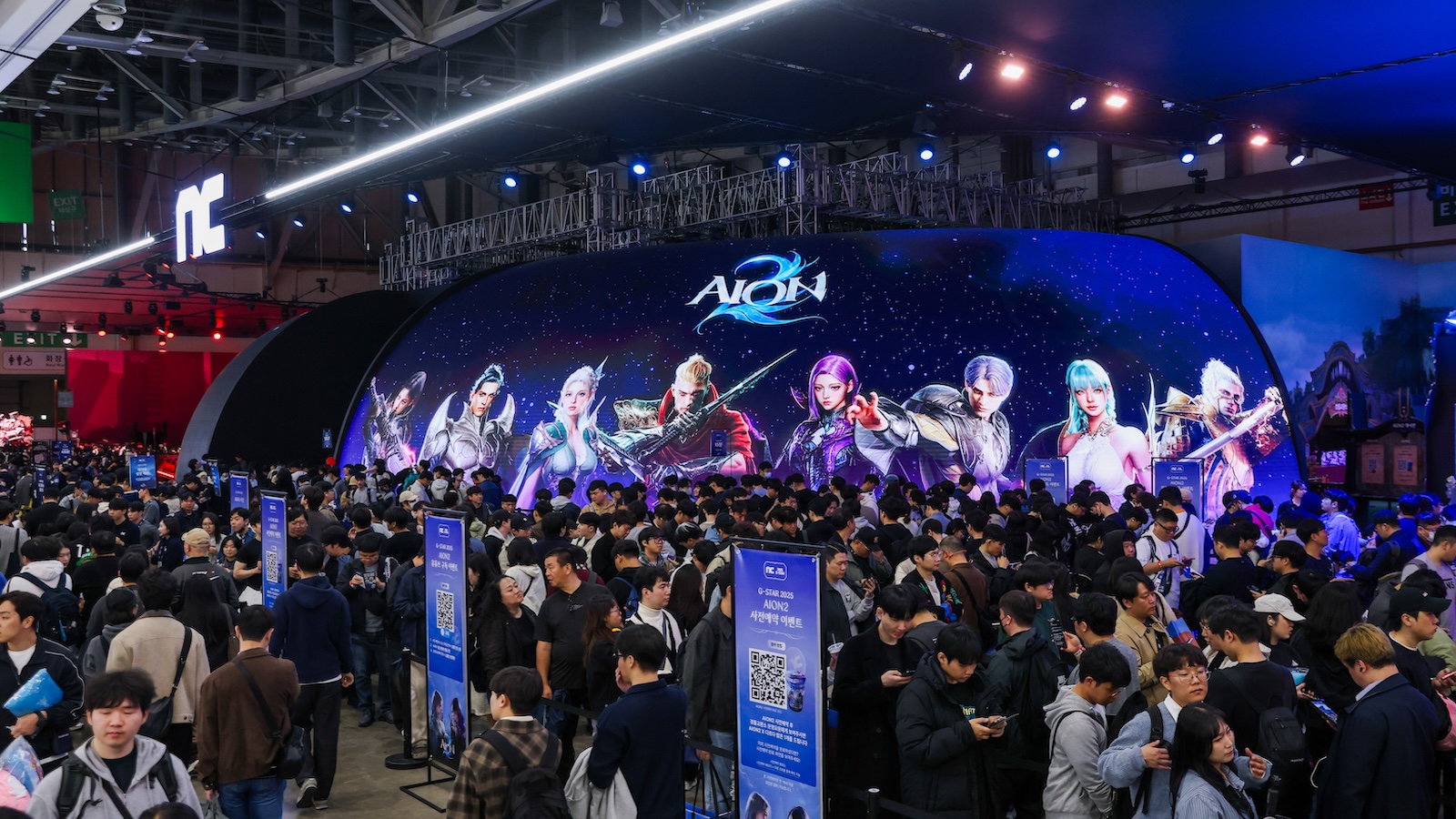
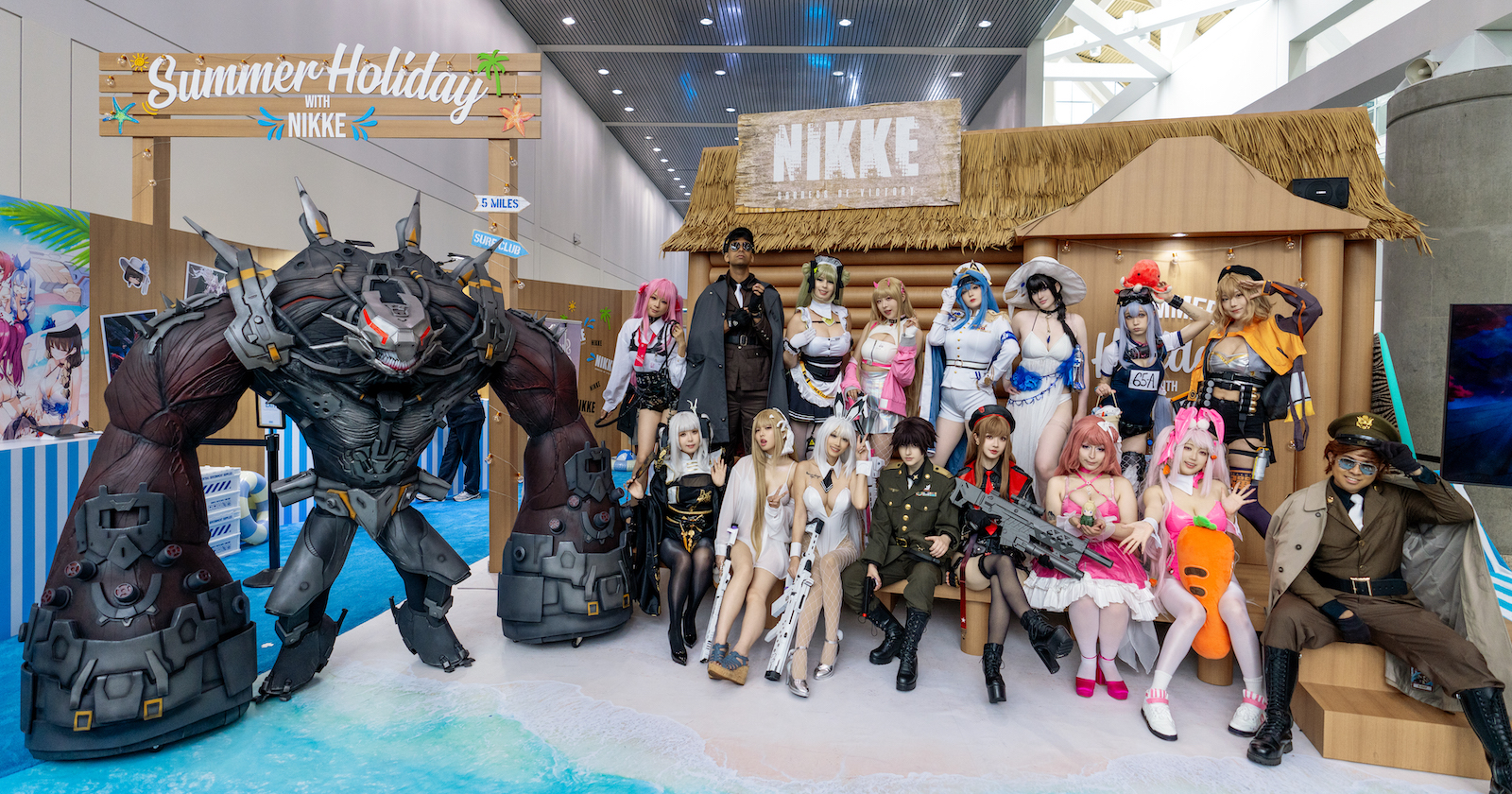
Global game exhibitions are not one-size-fits-all. The right strategy depends on the venue, audience, market, and business goal. EIDETIC helps game brands plan and execute exhibition campaigns across booth strategy, design, production, staffing, fan experience, and on-site operations.



