



Where Brands Can Activate at LA28
August 28, 2026
Where Brands Can Activate at LA28
LA28 will turn Los Angeles into a network of competition venues, hospitality spaces, retail districts, landmarks, and event destinations.
For brands, that creates a much broader activation landscape than the official venue map alone might suggest.
LA28 activation locations can take very different forms depending on the brand’s rights, audience, and objective. Official partners may have opportunities within Games venues and other authorized environments, while other brand experiences may take place across independent properties throughout Los Angeles.
In Part 1 of this series, we looked at the role a brand should play in a major sporting event. Part 2 asks the next question:
Where should that role come to life?
LA28 Will Spread Across the City
The official LA28 venue plan makes one point clear: there will be no single center of the Games.
Downtown Los Angeles includes the LA Convention Center, DTLA Arena, Peacock Theater, and Dodger Stadium. The LA Memorial Coliseum anchors Exposition Park, while SoFi Stadium, listed by LA28 as the 2028 Stadium, and Intuit Dome form a major Inglewood cluster.
Other competitions extend through Long Beach, Carson, Venice, Pasadena, Anaheim, Arcadia, Universal City, and other parts of Southern California.
SoFi Stadium will host swimming and co-host the Olympic Opening Ceremony with the LA Memorial Coliseum. The Coliseum will also host athletics and the Olympic Closing Ceremony.
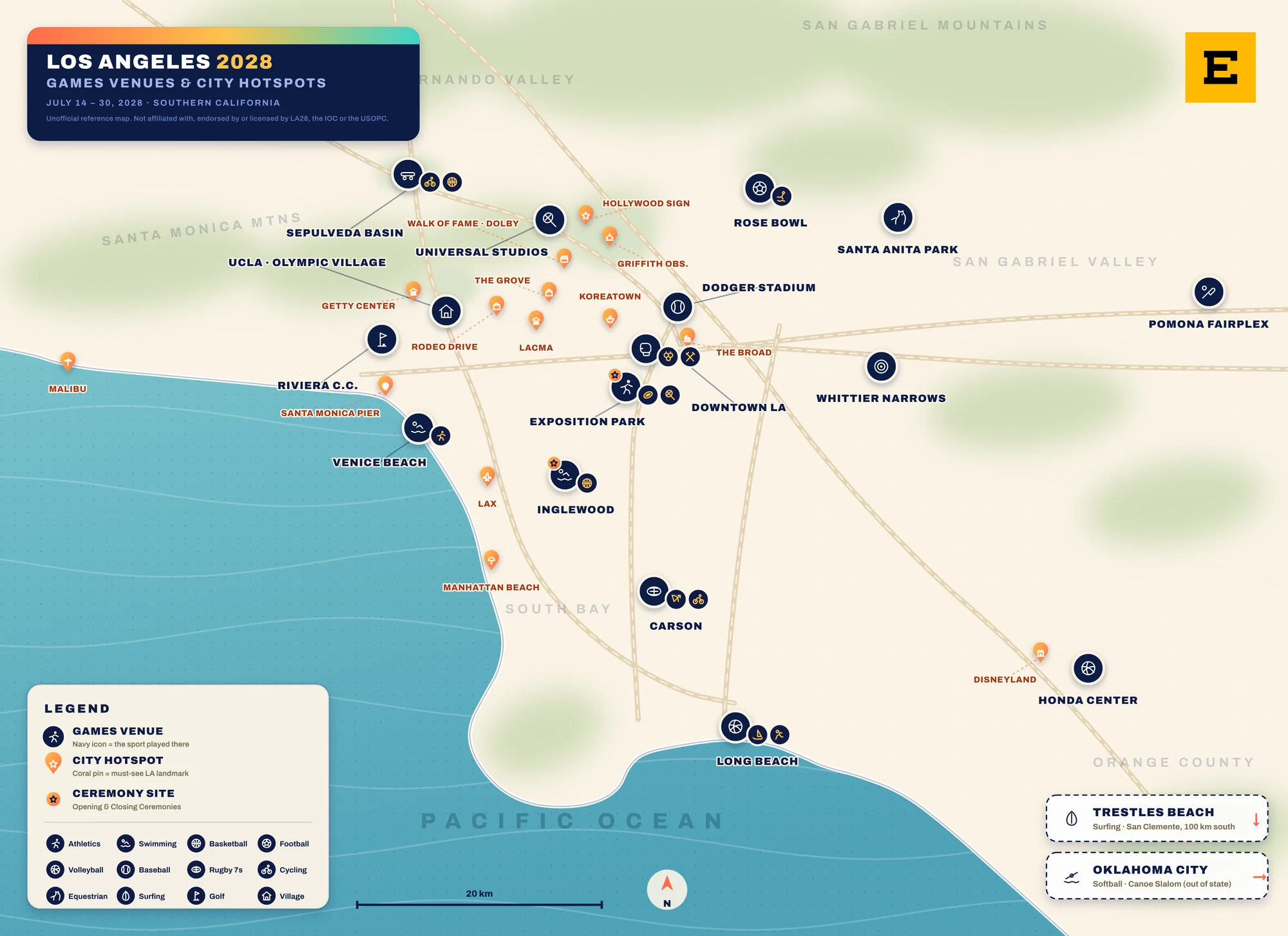
That geographic spread matters for marketers.
Someone attending swimming in Inglewood will move through Los Angeles differently from a fan heading to football in Pasadena or beach volleyball in Long Beach. International visitors may stay in Hollywood or Santa Monica, while corporate guests may spend much of their time around hotels, restaurants, and private events.
The competition venue is only one point in a much larger Games-time journey.
1. Start With the Official Venue Plan
Official competition venues should be the first layer of an LA28 location plan, particularly for brands with Olympic or LA28 partnership rights.
They offer direct Games association, concentrated spectator traffic, and commercial opportunities that independent properties cannot replicate.
LA28 has also introduced the first Olympic and Paralympic competition-venue naming-rights program. Comcast Squash Center at Universal Studios and Honda Center were the first venues announced under the program, while naming-rights opportunities may extend to up to 19 temporary venues for eligible Worldwide Olympic and Paralympic Partners and LA28 partners.
Football is a useful example of how the official venue footprint works.
LA28 has confirmed that the final stages of the Olympic football tournaments will take place at Rose Bowl Stadium in Pasadena, including the men’s and women’s gold medal matches. Preliminary and knockout-stage matches will also take place across six other U.S. metropolitan areas, with the final stages held at Rose Bowl Stadium.
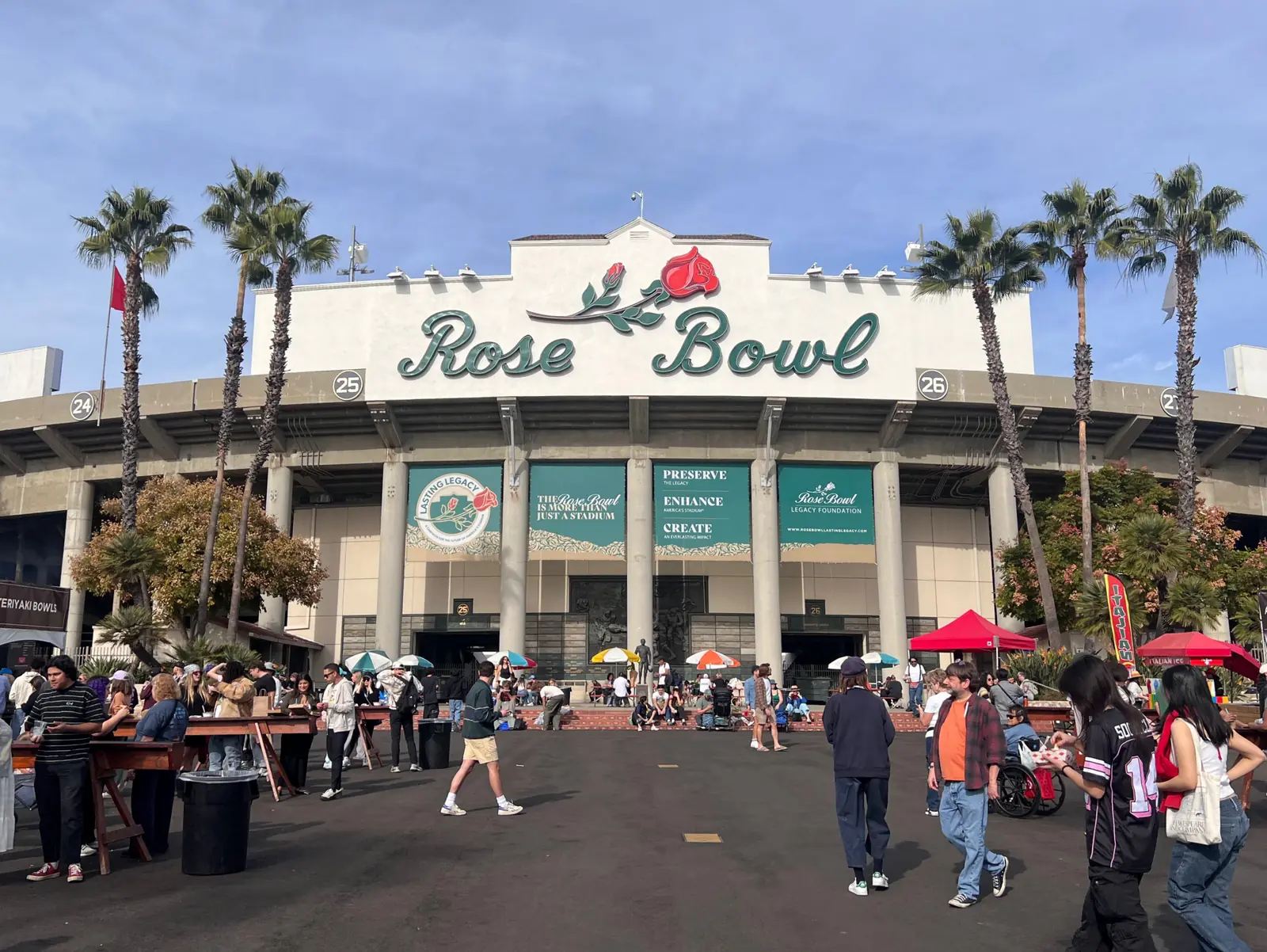
Understanding this official footprint helps brands identify where spectator movement will be concentrated. It also establishes a clear line between official Games inventory and independent properties elsewhere in the city.
For official partners, the venue plan may reveal direct activation opportunities.
For other location planning, it provides something equally useful: a map of where audiences will be moving.
2. Create an Off-Site Destination
Some brand programs benefit from having a destination of their own, with enough space and time to host several experiences under one roof.
A brand house can combine product, hospitality, content, media, community programming, food, entertainment, and private events within one property.
Los Angeles saw a strong version of this model during the opening week of the 2026 World Cup.
Los Angeles Location Idea – Hollywood Athletic ClubBuild a Brand House in Hollywood
From June 11 to 14, Paris Saint-Germain transformed Hollywood Athletic Club into Ici C’est Paris – La Maison Los Angeles.
Rather than focusing the property around one football activity, PSG used the venue to bring several parts of the club’s identity together.
The ground floor included retail, collaborations, customization, an EA SPORTS FC gaming area, Formula 1 simulators, screenings, and performances. Programming elsewhere in the property expanded into wellness, technology, talks, networking, and dining.
The choice of property helped make that range possible.
A historic Hollywood venue gave PSG enough room to move between public programming, entertainment, product, and hospitality without asking every experience to fit into one temporary activation footprint.
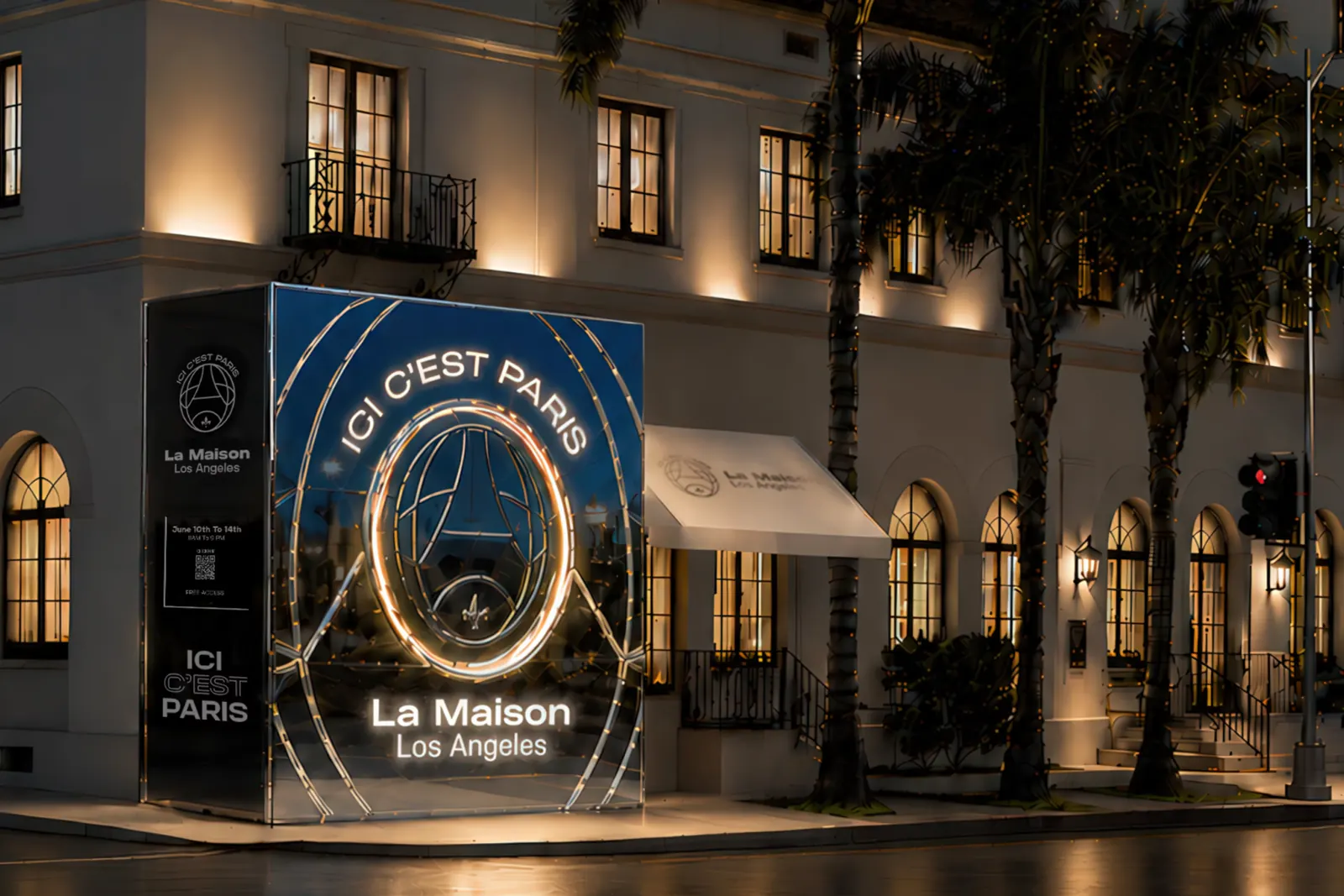
June 11–14, 2026. Image © Paris Saint-Germain.
For LA28 planning, the same model can work at very different scales.
A consumer brand might need a multi-day public destination. A technology company may need a private studio for demonstrations, content, and client meetings. Another brand may achieve more through a restaurant takeover or a smaller hospitality property.
The question is not how large the brand house can be.
It is how much control the program needs over the space, audience, and schedule.
3. Use a Location People Already Know
Some of the strongest activation locations are already destinations in their own right.
Los Angeles has an unusual concentration of places with global recognition. Santa Monica, Hollywood, Venice, Downtown Los Angeles, and other areas bring existing tourism, pedestrian traffic, restaurants, entertainment, and visual identity into the activation.
Los Angeles Location Idea – Santa Monica PierLet the Location Carry Part of the Experience
During the 2026 World Cup, official FIFA sponsor Michelob ULTRA brought its Pitchside Club to Santa Monica Pier.
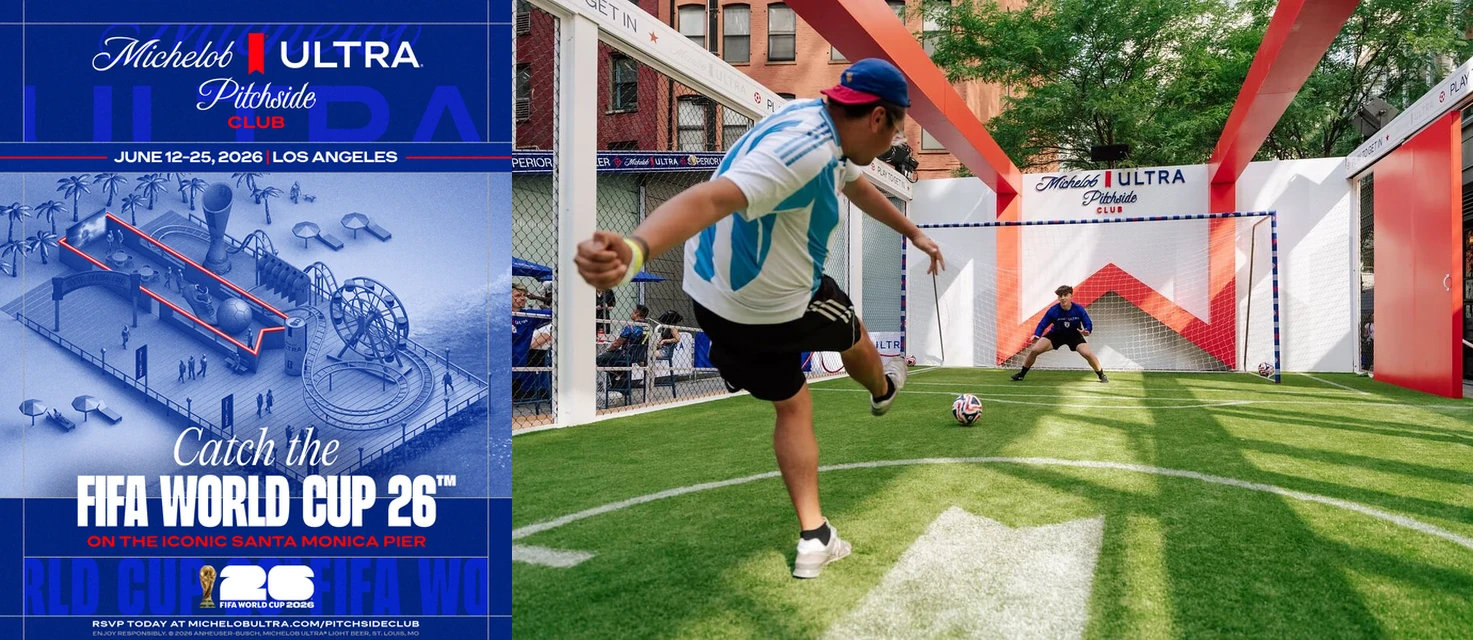
The temporary 21+ experience combined live match viewing, interactive games, cultural programming, merchandise, and athlete appearances. The City of Santa Monica said the activation was also designed to increase activity and foot traffic around the Pier and surrounding businesses.
The Pier was not valuable because it resembled a sports venue.
Its value came from what was already there: the Pacific Ocean, a recognizable Los Angeles setting, existing visitor traffic, nearby businesses, and a place people had a reason to visit regardless of the activation.
That is a useful location principle for LA28.
When the property already carries cultural meaning, the brand does not need to manufacture every part of the environment.
Santa Monica is also already looking ahead to 2028, with the city publicly positioning its coastline and downtown for major international events and Games-related activity.
That does not make every Santa Monica property an available LA28 brand activation site. It does show why cities and brands are thinking about location well before the Games begin.
4. Turn Retail Into a Fan Destination
Retail and entertainment districts offer a different advantage: people already spend time there.
They arrive to shop, eat, meet friends, watch movies, and move between activities. That existing dwell time can make the property useful for experiences that need more than a brief spectator interaction.
During the 2026 tournament period, we saw two very different versions of this strategy firsthand in Los Angeles: The Grove and Ovation Hollywood.
Nike’s own description of its 2026 marketplace strategy emphasized transforming retail and community spaces into immersive football destinations through product, personalization, and local programming.

Football in a Retail Destination
Nike took over The Grove for three weeks with a football-focused experience that included one-on-one gameplay, match viewing, DJs, MCs, immersive product experiences, and limited Nike By You customization.
The Grove already had something most temporary activation sites need to create: an audience with a reason to stay. The experience added football programming to an existing shopping, dining, and entertainment journey rather than operating as an isolated event space.
Nike’s official newsroom describes The Grove as a three-week Nike Soccer takeover, with one-on-one gameplay, match viewing, DJs and MCs, and limited-edition Nike By You customization.
A few miles away, a much smaller footprint served a different purpose.

A Pop-Up in the Heart of Hollywood
At Ovation Hollywood, formerly Hollywood & Highland, Nike and the LEGO Group presented Play on Instinct in the Courtyard outside Kids Foot Locker.
The experience combined soccer challenges, LEGO creative play, immersive visuals, and interactive moments within one of Hollywood’s busiest tourism districts. The property allowed a compact activation to reach visitors who were already moving through the area.
Ovation Hollywood‘s official event calendar confirms that Play on Instinct combined Nike, LEGO, soccer challenges, creative play, immersive visuals, and interactive elements in the Courtyard outside Kids Foot Locker.
The two properties illustrate why retail should not be treated as one activation format.
The Grove supported a longer-running destination with several layers of programming. Ovation Hollywood supported a smaller interaction inside a high-traffic tourism environment.
In both cases, the location strategy started with behavior already happening at the property.
The Grove and Ovation Hollywood are not confirmed LA28 brand activation sites. They are recent Los Angeles examples that show how retail and entertainment properties can support sports-related brand experiences during a major international event.
Follow the Fan Journey
A venue map tells marketers where the competition happens.
It does not tell them where the rest of the day happens.
A visitor may stay in Hollywood, attend a competition in Inglewood, spend time elsewhere in the city between sessions, and meet friends or clients in another neighborhood that evening.
Location planning becomes more useful when it starts with that journey rather than with a list of available properties.
Before committing to a site, brands should be able to answer four questions:
- Who are we trying to reach, and around which Games moment?
Ticketed spectators, international visitors, clients, media, and partners may follow very different schedules and routes. - Where will that audience already be before or after those moments?
The strongest location may fit naturally into an existing trip rather than requiring another journey across Los Angeles. - What level of Games association do our commercial rights actually allow?
The answer determines how the event can be named, promoted, designed, and connected to Games-time activity. - Can the property support the experience operationally?
Transportation, loading, capacity, permits, security, operating hours, guest flow, and production access should be tested before the creative concept is locked.
This is especially important in Los Angeles.
The strongest activation location may not be the building closest to an Olympic venue.
It may be the place where the audience, the brand objective, the brand’s rights, and the way people actually move through the city intersect.
Secure the Location Early
The best location options will narrow as LA28 approaches. High-demand event venues, studios, retail properties, restaurants, rooftops, and landmark spaces all have limited availability, while Games-time access, permitting, transportation, and production conditions may affect which properties remain practical.
Early planning gives brands more than a longer production timeline. It creates more room to secure the right property, confirm commercial rights and permitting requirements, and understand whether the location can actually support the experience before the creative concept is locked.
Before committing to a site, teams should confirm three things:
- ・Property and rights: availability, commercial agreements, signage rights, and any restrictions related to Games-time marketing.
- ・Production feasibility: loading access, build schedules, power, staffing, security, operating hours, and local permits.
- ・Audience movement: transportation, travel time from relevant venues, guest arrival, and how the location fits into the wider Games-time journey.
For global brands, this is also where a campaign developed at the global level has to become a real Los Angeles experience.
EIDETIC works with global brands and lead agencies to translate campaign strategies into physical activations in Los Angeles, from location planning and experiential design to fabrication, production, installation, and local vendor coordination.
Once the location is defined, the next question is what should actually happen there.
Sports Marketing Activation Ideas: From Immersive Experiences to Fan Engagement
Once the location is defined, Part 3 will look at what fans should actually experience there, from interactive sports challenges and immersive technology to personalized content, gamification, viewing experiences, rewards, and the operational details behind them.
FAQ
Brands with appropriate rights may have opportunities within official LA28 environments. Other physical brand experiences may take place at independent event venues, retail districts, hotels, restaurants, entertainment destinations, and other properties across Los Angeles, subject to applicable commercial rights, property agreements, permits, and Games-time requirements.
Independent commercial events can take place in Los Angeles during the Games period, but brands should not imply an official relationship with LA28, Team USA, or the Olympic and Paralympic Games if they do not have those rights. The USOPC reserves commercial use of its Olympic and Paralympic IP for authorized sponsors, suppliers, and licensees.
There is no single best area. The right location depends on the audience and objective. Inglewood and Pasadena may be relevant to specific competition journeys, while Hollywood, Santa Monica, Downtown Los Angeles, retail destinations, and hospitality districts can serve very different visitor and client needs.
Brands should begin location planning as early as possible. Official commercial opportunities, premium hospitality, major event venues, hotels, restaurants, studios, retail properties, and landmark spaces all have limited inventory. Early planning also gives teams more time to evaluate permits, production access, transportation, commercial rights, and Games-time operating requirements.



