Lessons for LA28: How Brands Become Part of the Games
August 24, 2026
Lessons for LA28: How Brands Become Part of the Games
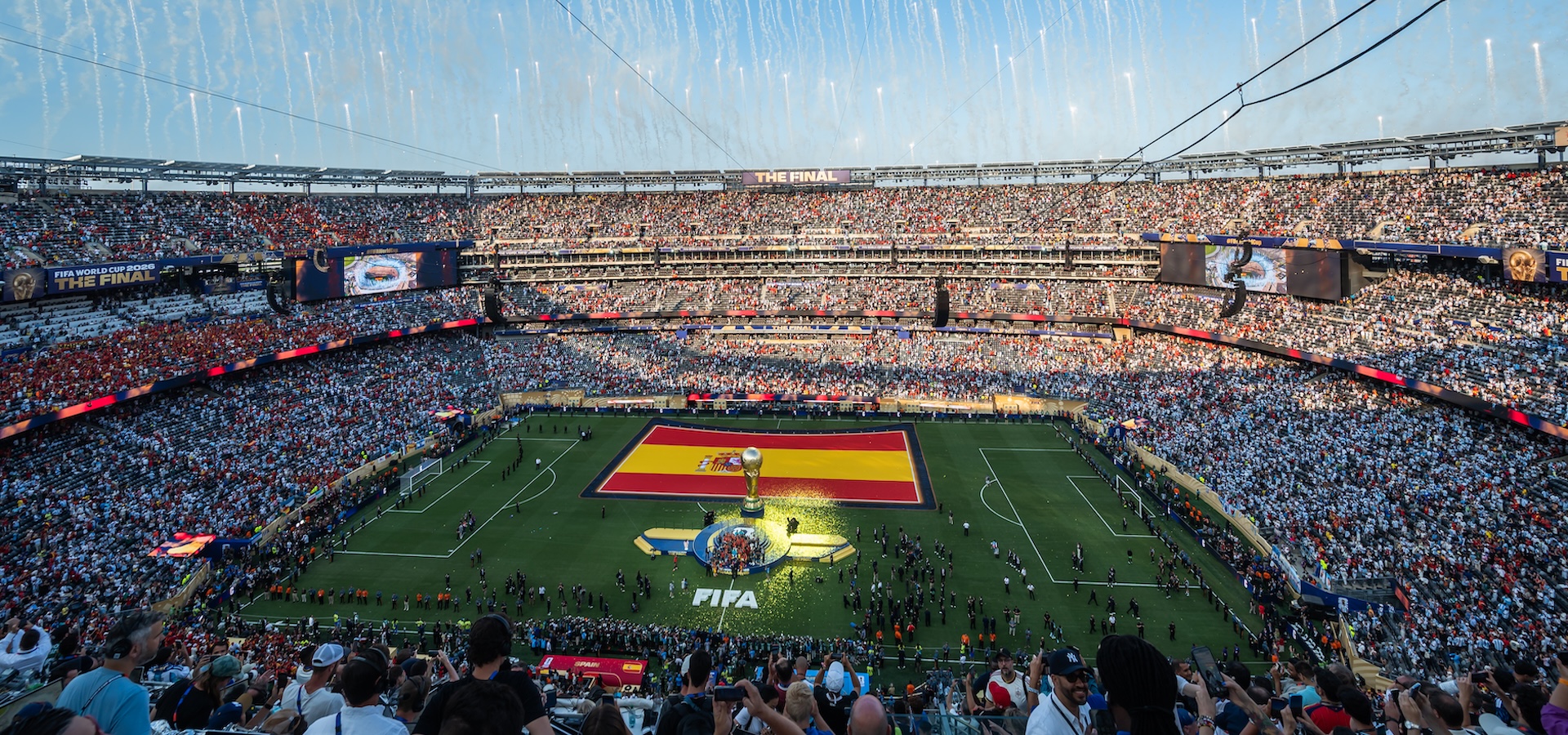
At the world’s largest sporting events, visibility is easy to buy. Meaningful presence is harder to create. Official sponsorship gives brands valuable rights, access, and association with a global event, but a logo beside the field or on a campaign asset does not automatically make a sponsorship memorable.
The strongest sports marketing ideas give the brand a role in something athletes, fans, or organizers already care about. That distinction matters as brands begin considering their LA28 Olympic marketing plans.
The starting question should not be, “Where can our logo appear?” It should be: “What role can our brand play in the Games?”
- Start with a capability the brand already owns.
- Find a role inside the existing fan or event journey.
- Let the product or expertise demonstrate its value naturally.
- Make visibility feel natural
Strong Sports Sponsorship Starts With a Brand Role
A major sporting event already has its own rituals, needs, and audience behaviors. Fans arrive, watch, travel, celebrate, eat, drink, share content, and move between different event environments. Athletes compete and participate in ceremonies, while organizers manage venues, technology, hospitality, transportation, and large-scale public experiences.
Strong sports sponsorship marketing begins by finding the overlap between those existing behaviors and what the brand genuinely does well. That is the difference between advertising around a sporting event and becoming part of the event itself.
1. Start With What the Brand Does Best
The most natural sponsorship ideas rarely require a company to become something completely different for a few weeks. Instead, they use an existing product, capability, or expertise in a context where it becomes more meaningful.
LVMH: Turning Craftsmanship Into an Olympic Symbol
LVMH joined Paris 2024 as a Premium Partner, rather than as an IOC Worldwide Olympic Partner. The partnership gave several of LVMH’s Maisons roles that aligned closely with their established expertise.
Chaumet designed the Olympic and Paralympic medals. Louis Vuitton created bespoke trunks to protect and present the medals and Olympic torches.
Instead of creating a separate story around luxury, the partnership connected LVMH’s craftsmanship directly to some of the most symbolic objects of the Games.
LVMH applied capabilities the brand was already known for to some of the most symbolic objects of the Games. The sponsorship felt like a natural extension of the brand rather than an added layer of promotion.
What makes the partnership interesting is not simply the prominence of the medals or trunks. LVMH is known for craftsmanship, jewelry, design, and heritage, and those capabilities were applied directly to objects that already carried enormous meaning within the Olympic Games.
For marketers, the lesson is broader than luxury. Before developing a sports sponsorship idea, brands should ask:
- ・What product or capability is the brand already known for?
- ・What expertise would be difficult for another sponsor to replicate?
- ・Where does that capability intersect with an actual need, ritual, or symbol of the event?
The closer the sponsorship role is to what a brand already represents, the more natural the integration feels.
2. Find a Role Inside the Fan Journey
Fans do not attend an international sporting event because they want to interact with sponsors. They come to watch the competition, support a team, spend time with other fans, and become part of the atmosphere.
That means brands do not always need to create a separate branded experience to capture attention. Sometimes the stronger opportunity is to become part of an experience fans already value.
Hisense: Making Display Technology Part of the Viewing Experience
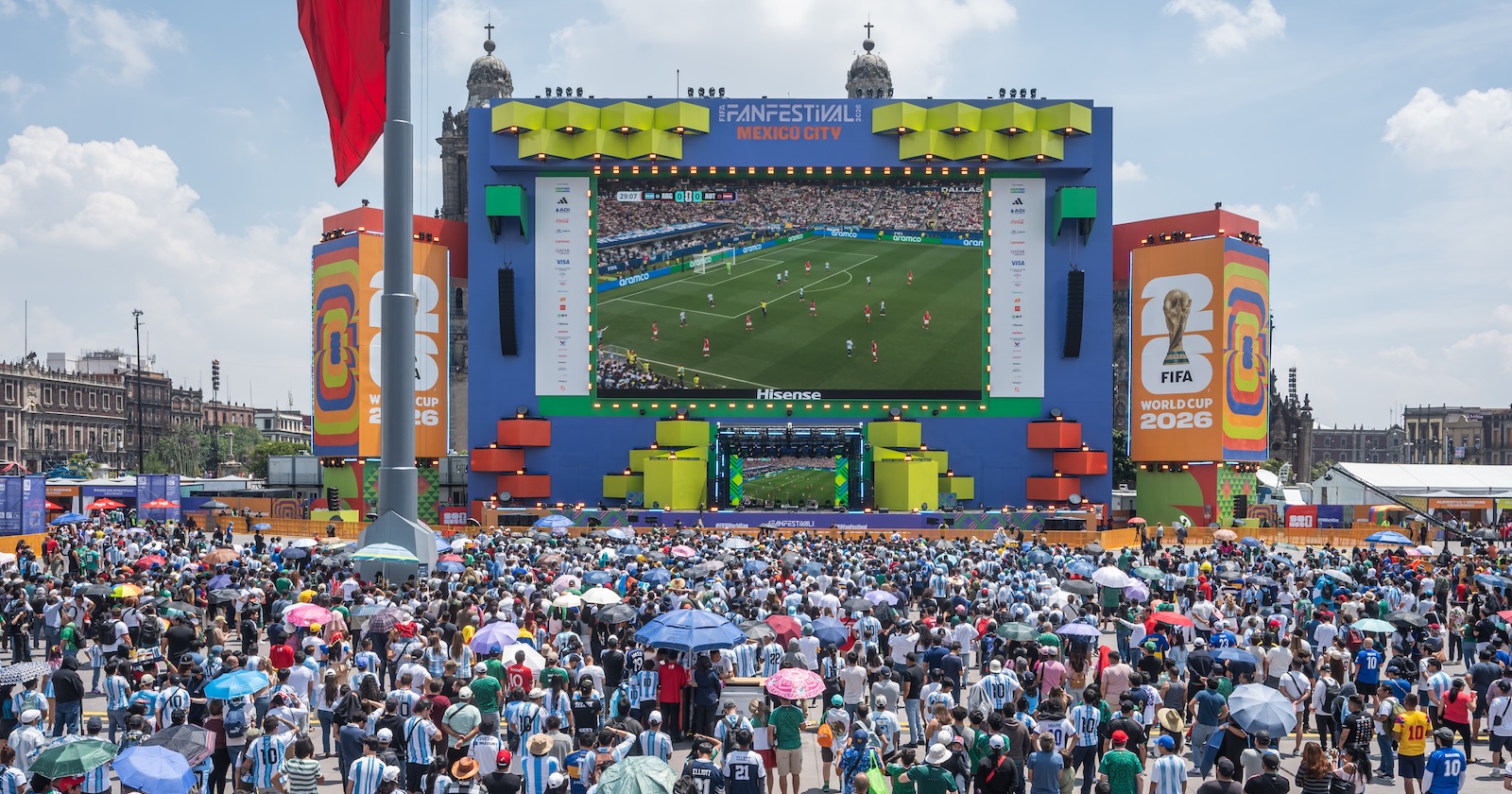
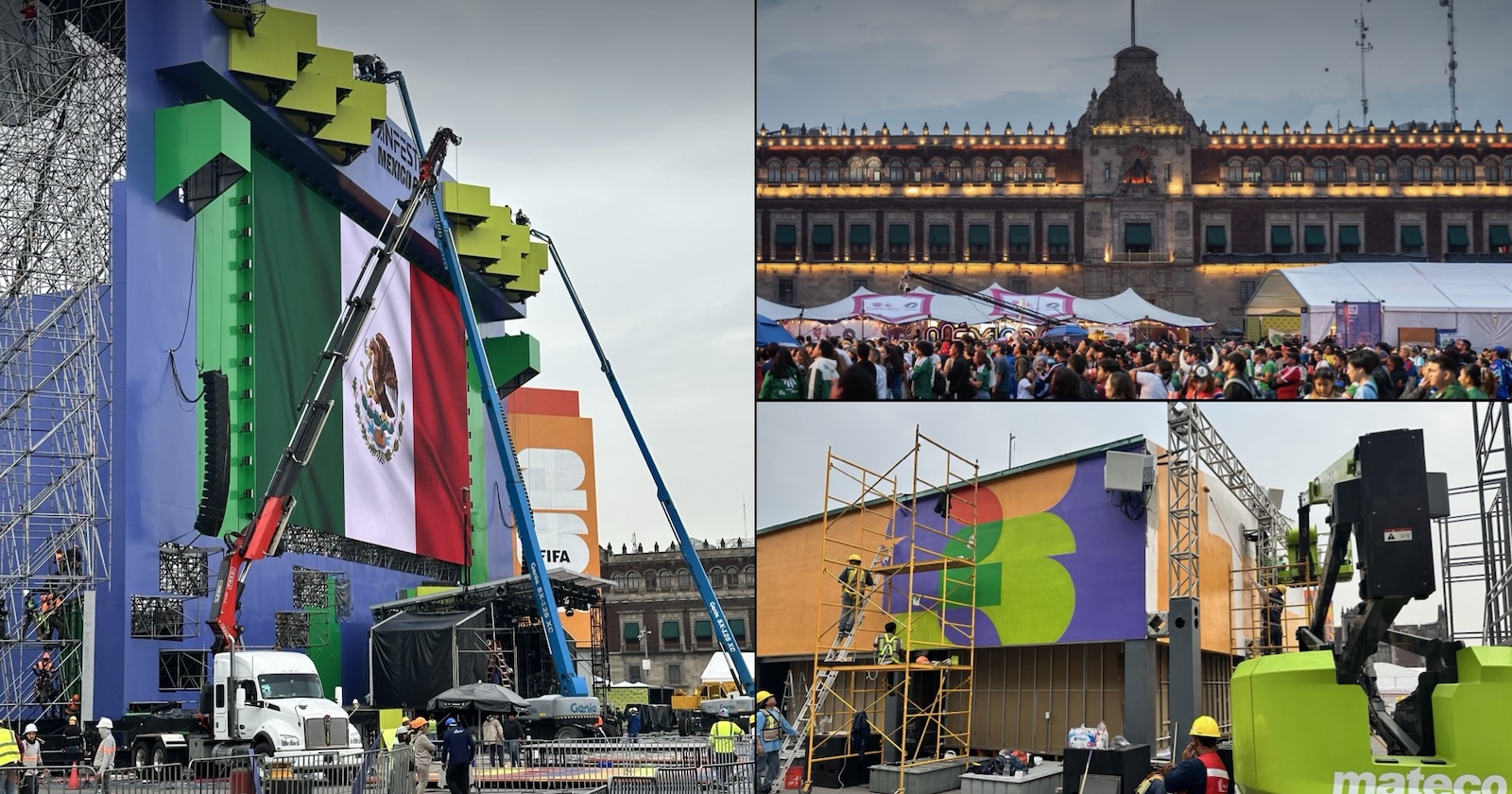
Hisense entered the FIFA World Cup 26™ as an Official Sponsor with a natural connection to one of the tournament’s defining fan behaviors: watching the match.
At FIFA Fan Festival in Mexico City and Toronto, Hisense display technology powered the giant screens that fans gathered around to experience live matches.
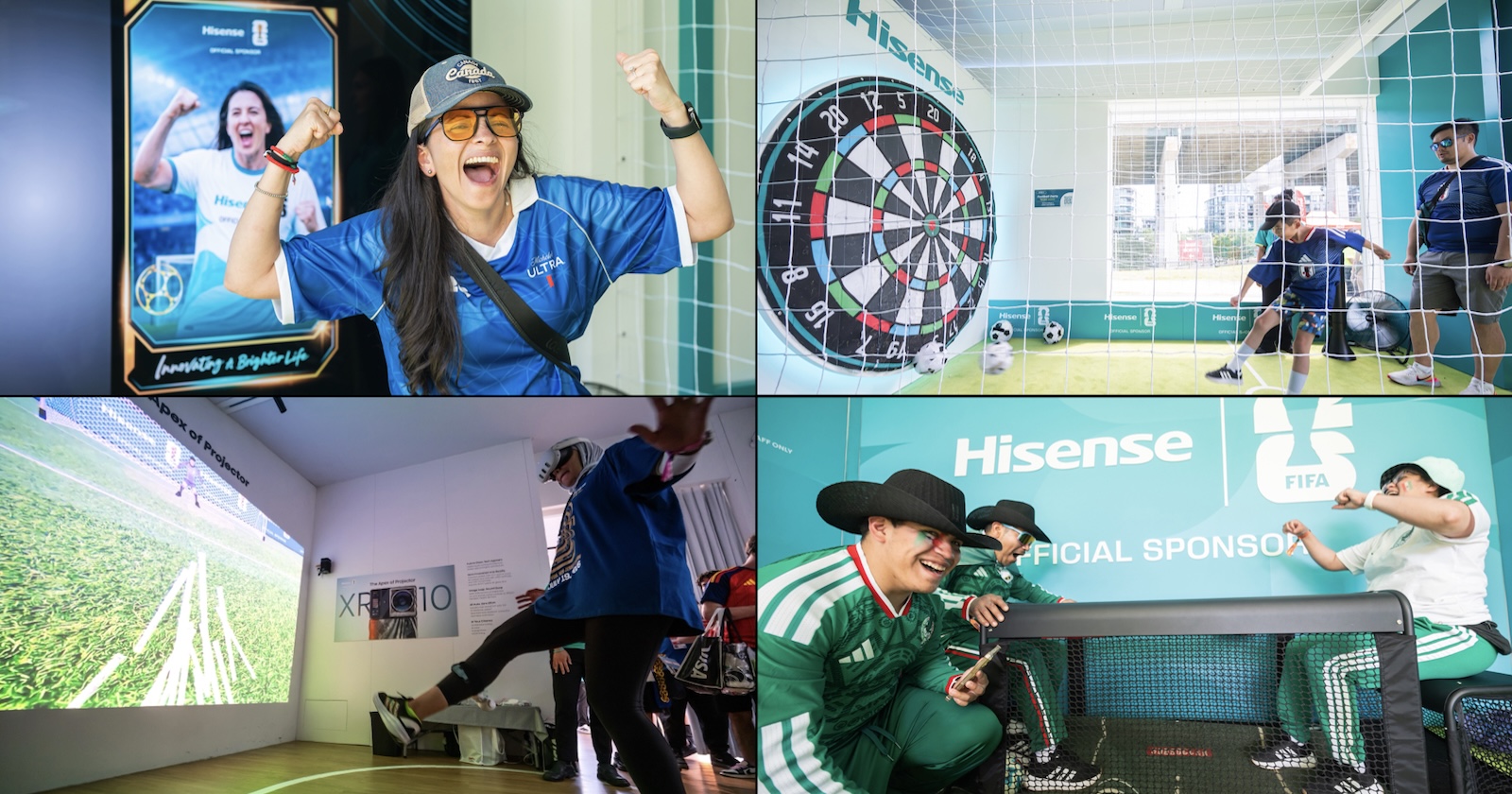
Rather than creating a separate branded experience, Hisense supported what fans were already there to do. Its display technology became part of the viewing experience itself.
Client: Hisense · Event: FIFA World Cup 26™
Sponsor tier: Official Sponsor · Markets: Mexico City, Toronto
EIDETIC scope: Experience design and fabrication for Hisense’s physical sponsor presence
View FIFA Fan Festival Project → · View Stadium Fan Experience →
Hisense connected its core display technology to the most important fan behavior at the festival: live match viewing. The product delivered utility first, with brand visibility built naturally into the experience.
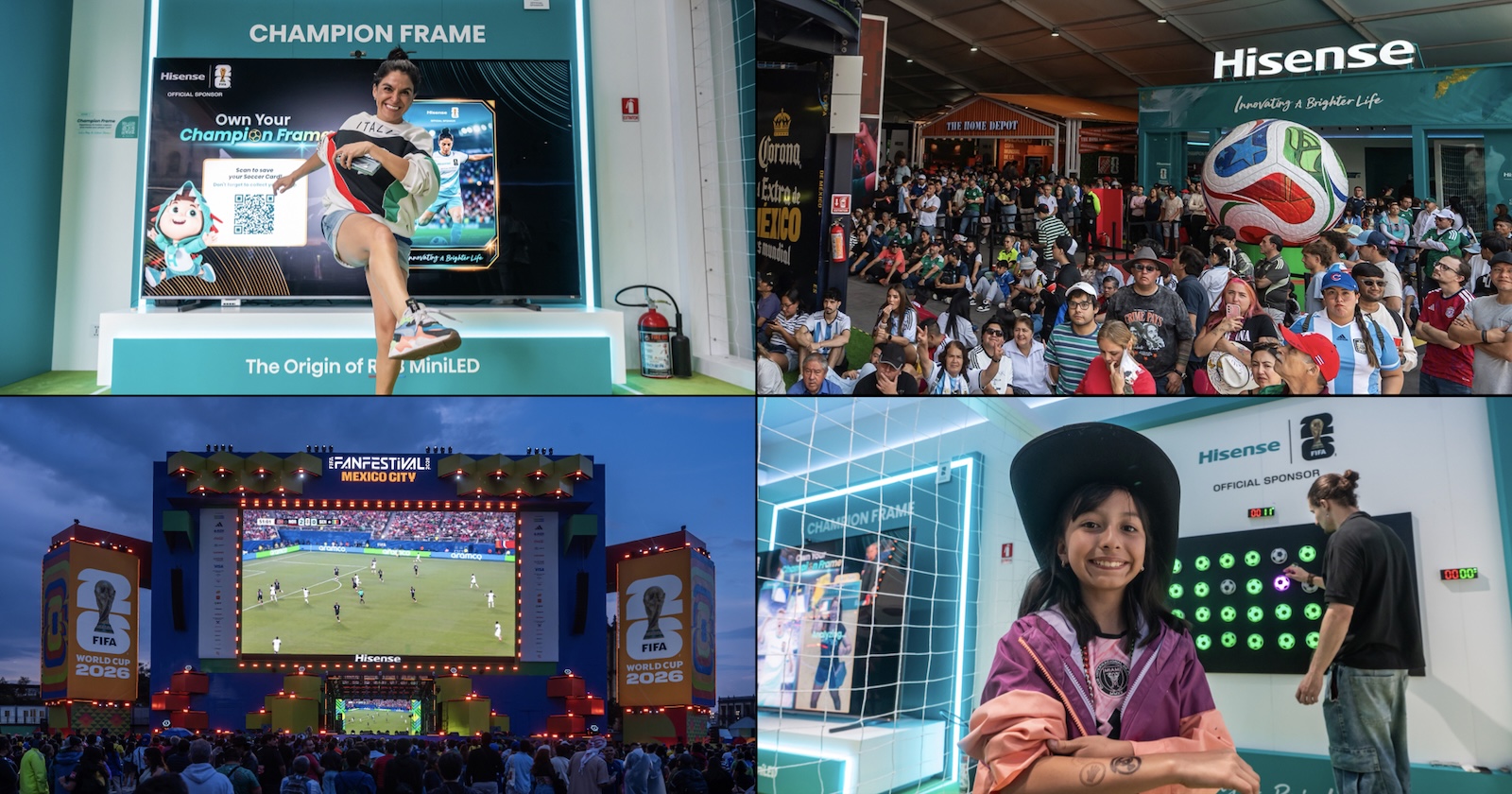
This is where sponsorship strategy becomes physical. A brand role has to translate into an environment that people can actually see, use, and experience. Structure, product placement, graphics, interaction points, and fan flow all become part of how the sponsorship is perceived.
The principle applies far beyond display technology. A mobility brand can improve transportation, a payment brand can simplify purchases, and a technology company can improve connectivity or access to information. The idea should begin with an existing fan behavior rather than forcing people into an unrelated branded activity.
3. Let the Product Prove Itself
Traditional sponsorship exposure often relies on repetition: the more often people see a logo, the more likely they are to remember the brand. Experiential sponsorship can work differently. A single, meaningful use of a product can sometimes communicate more than repeated branding.
LVMH did not need a long explanation of its craftsmanship when medals and ceremonial trunks provided visible proof. Hisense did not need to explain why display technology mattered while fans were watching the tournament on its screens. In both cases, the experience itself became the product demonstration.
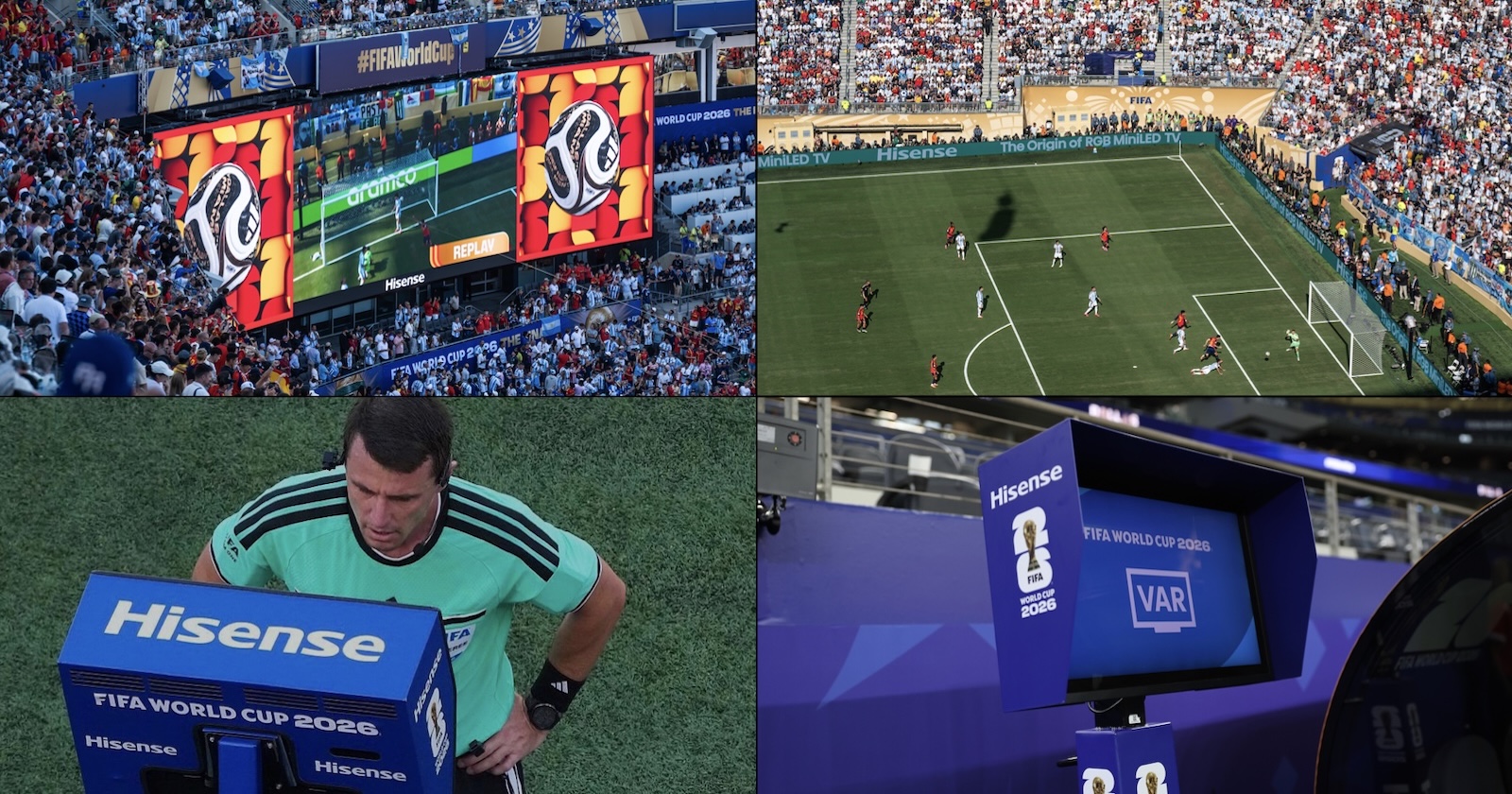
When developing a sports activation, brands should ask:
- ・Can people understand the product’s value without reading an explanation?
- ・Does the product perform a real function within the experience?
- ・Would the idea still make sense if the logo were smaller?
If the answer to the last question is yes, the integration is usually stronger.
4. Make Visibility Feel Natural
Brand visibility is strongest when it feels connected to the event rather than added on top of it. The goal is not simply to increase the number of branded touchpoints, but to create moments where the brand has a clear reason to be present.
That can happen through a product, service, interaction, or piece of infrastructure that already plays a role in the experience. When the connection makes sense, visibility becomes a natural outcome of participation.
To test whether an idea will feel natural, brands should ask three questions: Does it fit what the brand already does well? Does it add value to the fan experience? Does the product or service have a meaningful role? If the answer is yes, the next step is to determine whether the idea can work within the realities of sponsorship rights, venue conditions, fabrication, logistics, and the local market.
The strongest sports sponsorships do not rely on visibility alone. They give the brand a reason to be part of the experience.
Why Olympic Sponsorship Rights Matter
Natural integration does not make Olympic sponsorship rights any less important. In many cases, those rights are what make deeper involvement possible. The IOC’s Worldwide Olympic Partner programme represents the highest level of global Olympic sponsorship, while host organizing committees can also establish domestic partnership structures.
Paris 2024, for example, included Premium Partners such as LVMH. LA28 currently brings together IOC Worldwide Partners and domestic partners across tiers including Founding Partners, Official Partners, and Official Supporters.
The exact assets and integration opportunities available to a brand depend on its agreement. Becoming a sponsor does not automatically mean a company can design a medal, integrate a product into an official fan experience, or place its technology inside a competition environment. Those opportunities depend on sponsorship rights, category agreements, event needs, and the role negotiated between the organizer and the brand.
Sponsorship creates access. Marketing determines what the brand does with that access. That is why sponsorship strategy and the creative idea should develop together.
Why Brands Should Start Planning for LA28
LA28 may still feel distant, but the commercial planning window is already narrowing. More than 6 million Olympic tickets have already been sold, and official Olympic hospitality packages are already available. For brands, the question is no longer only what kind of activation to create. It is also whether the brand wants official sponsorship rights, what opportunities are still available in its category, and where the experience should take place.
For brands interested in official sponsorship, timing matters because many major sectors are already represented by existing Worldwide Olympic and LA28 partners. LA28 has also introduced the first Olympic venue naming-rights program, with eligible rights available to qualifying partners and naming opportunities for up to 19 temporary venues.
The same urgency applies outside official Olympic venues. Hotels, restaurants, rooftops, studios, event spaces, retail destinations, and landmark locations in areas such as Hollywood and Downtown Los Angeles all have finite inventory. As sponsors, agencies, media companies, and hospitality programs advance their Games-time plans, the most visible and strategically located spaces are likely to become harder to secure.
Regulation can narrow the options further. The City of Los Angeles is developing Games impact zones that may include competition-venue perimeters, key transportation routes, major tourist destinations, hospitality locations, and other Games-related areas. Exact boundaries and restrictions are still being developed, so brands should not assume that a space near an Olympic venue can be activated in the same way as an ordinary commercial event.
For brands considering an LA28 activation, the practical answer is simple: start as soon as possible. The earlier a brand defines its sponsorship status, rights requirements, audience, location strategy, and production needs, the more options it is likely to have.
How Brands Can Activate at LA28: Olympic Marketing Beyond the Venue
Part 2 explores where brand experiences could come to life across Los Angeles, from venue environments and hospitality to off-site brand spaces and citywide fan touchpoints.
Start While the Best Opportunities Are Still Available.

From activation strategy and experiential design to fabrication and production, EIDETIC helps global brands turn sports marketing ideas into memorable physical experiences.
FAQ: Sports Sponsorship and LA28
As soon as possible. The timeline depends partly on whether the brand intends to pursue an official LA28 sponsorship or activate independently around the Games.
For potential sponsors, timing matters because sponsorship opportunities are organized by category, and several major categories are already represented by existing LA28 and Worldwide Olympic Partners. LA28 has also introduced Olympic venue naming rights, with eligible opportunities available to qualifying partners and up to 19 temporary venues potentially included in the program.
For brands planning off-site activations or hospitality, the pressure is different but just as real. High-profile restaurants, hotels, event spaces, rooftops, and iconic Los Angeles locations have limited availability. The earlier brands define their strategy, the more flexibility they will have in choosing the right sponsorship opportunity, location, and activation format.
Paris 2024 provides several examples of sponsors connecting their core capabilities directly to the Games. LVMH brought its craftsmanship into the event through Chaumet-designed Olympic and Paralympic medals and Louis Vuitton medal and torch trunks. Other Paris 2024 partners also integrated their existing expertise into areas such as connectivity, transportation, uniforms, energy, and event infrastructure rather than relying only on logo exposure.
The strongest product integrations give the product a real role in the event or fan experience. At Paris 2024, LVMH connected its craftsmanship to symbolic objects of the Games, while at the FIFA World Cup 26™, Hisense display technology became part of how fans watched matches at FIFA Fan Festivals. The goal is for audiences to experience the product’s value naturally, rather than encounter it as a separate product display.