Monthly Archives: August 2026
Where Brands Can Activate at LA28
August 28, 2026
Where Brands Can Activate at LA28
LA28 will turn Los Angeles into a network of competition venues, hospitality spaces, retail districts, landmarks, and event destinations.
For brands, that creates a much broader activation landscape than the official venue map alone might suggest.
LA28 activation locations can take very different forms depending on the brand’s rights, audience, and objective. Official partners may have opportunities within Games venues and other authorized environments, while other brand experiences may take place across independent properties throughout Los Angeles.
In Part 1 of this series, we looked at the role a brand should play in a major sporting event. Part 2 asks the next question:
Where should that role come to life?
LA28 Will Spread Across the City
The official LA28 venue plan makes one point clear: there will be no single center of the Games.
Downtown Los Angeles includes the LA Convention Center, DTLA Arena, Peacock Theater, and Dodger Stadium. The LA Memorial Coliseum anchors Exposition Park, while SoFi Stadium, listed by LA28 as the 2028 Stadium, and Intuit Dome form a major Inglewood cluster.
Other competitions extend through Long Beach, Carson, Venice, Pasadena, Anaheim, Arcadia, Universal City, and other parts of Southern California.
SoFi Stadium will host swimming and co-host the Olympic Opening Ceremony with the LA Memorial Coliseum. The Coliseum will also host athletics and the Olympic Closing Ceremony.
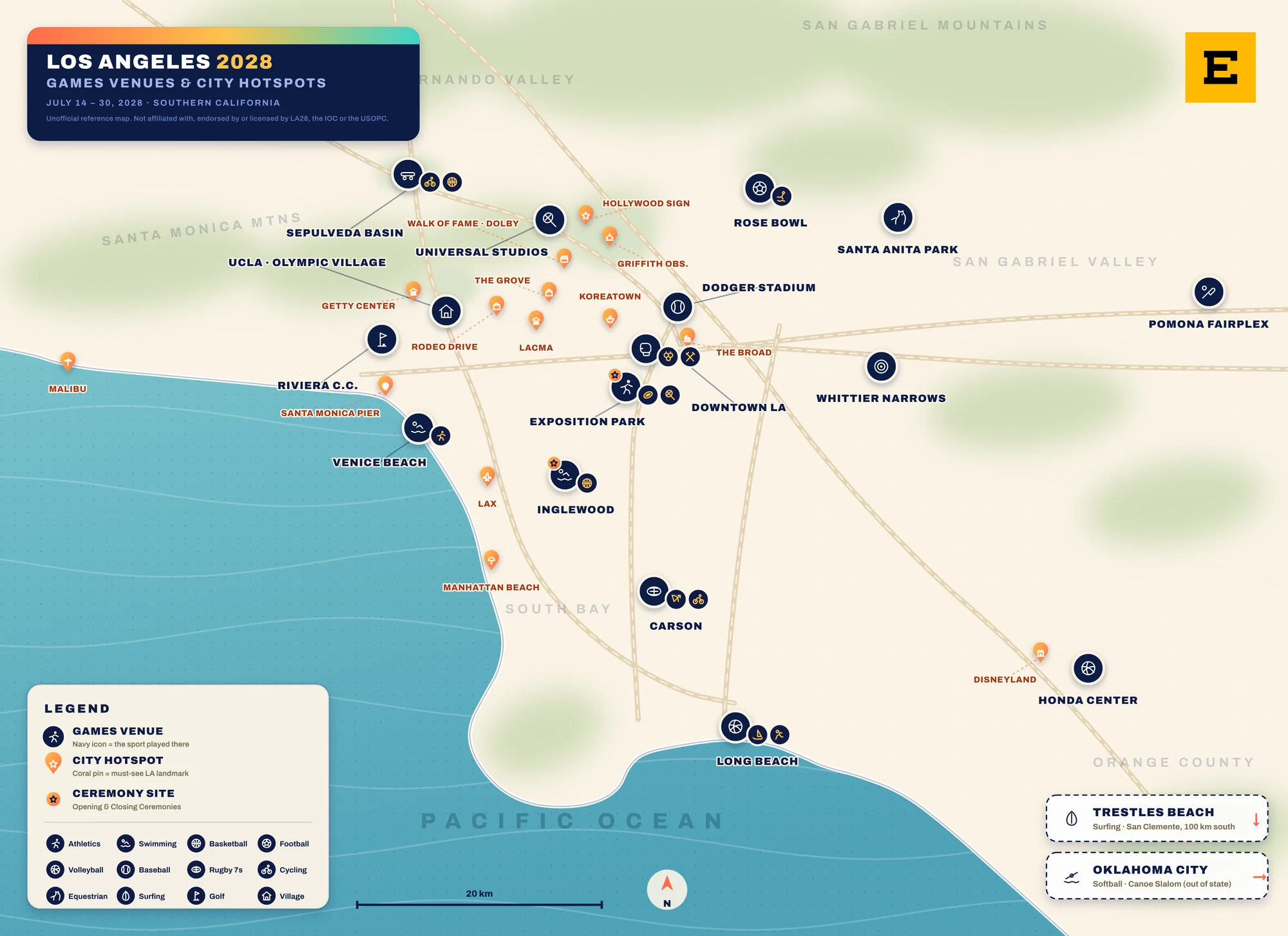
That geographic spread matters for marketers.
Someone attending swimming in Inglewood will move through Los Angeles differently from a fan heading to football in Pasadena or beach volleyball in Long Beach. International visitors may stay in Hollywood or Santa Monica, while corporate guests may spend much of their time around hotels, restaurants, and private events.
The competition venue is only one point in a much larger Games-time journey.
1. Start With the Official Venue Plan
Official competition venues should be the first layer of an LA28 location plan, particularly for brands with Olympic or LA28 partnership rights.
They offer direct Games association, concentrated spectator traffic, and commercial opportunities that independent properties cannot replicate.
LA28 has also introduced the first Olympic and Paralympic competition-venue naming-rights program. Comcast Squash Center at Universal Studios and Honda Center were the first venues announced under the program, while naming-rights opportunities may extend to up to 19 temporary venues for eligible Worldwide Olympic and Paralympic Partners and LA28 partners.
Football is a useful example of how the official venue footprint works.
LA28 has confirmed that the final stages of the Olympic football tournaments will take place at Rose Bowl Stadium in Pasadena, including the men’s and women’s gold medal matches. Preliminary and knockout-stage matches will also take place across six other U.S. metropolitan areas, with the final stages held at Rose Bowl Stadium.
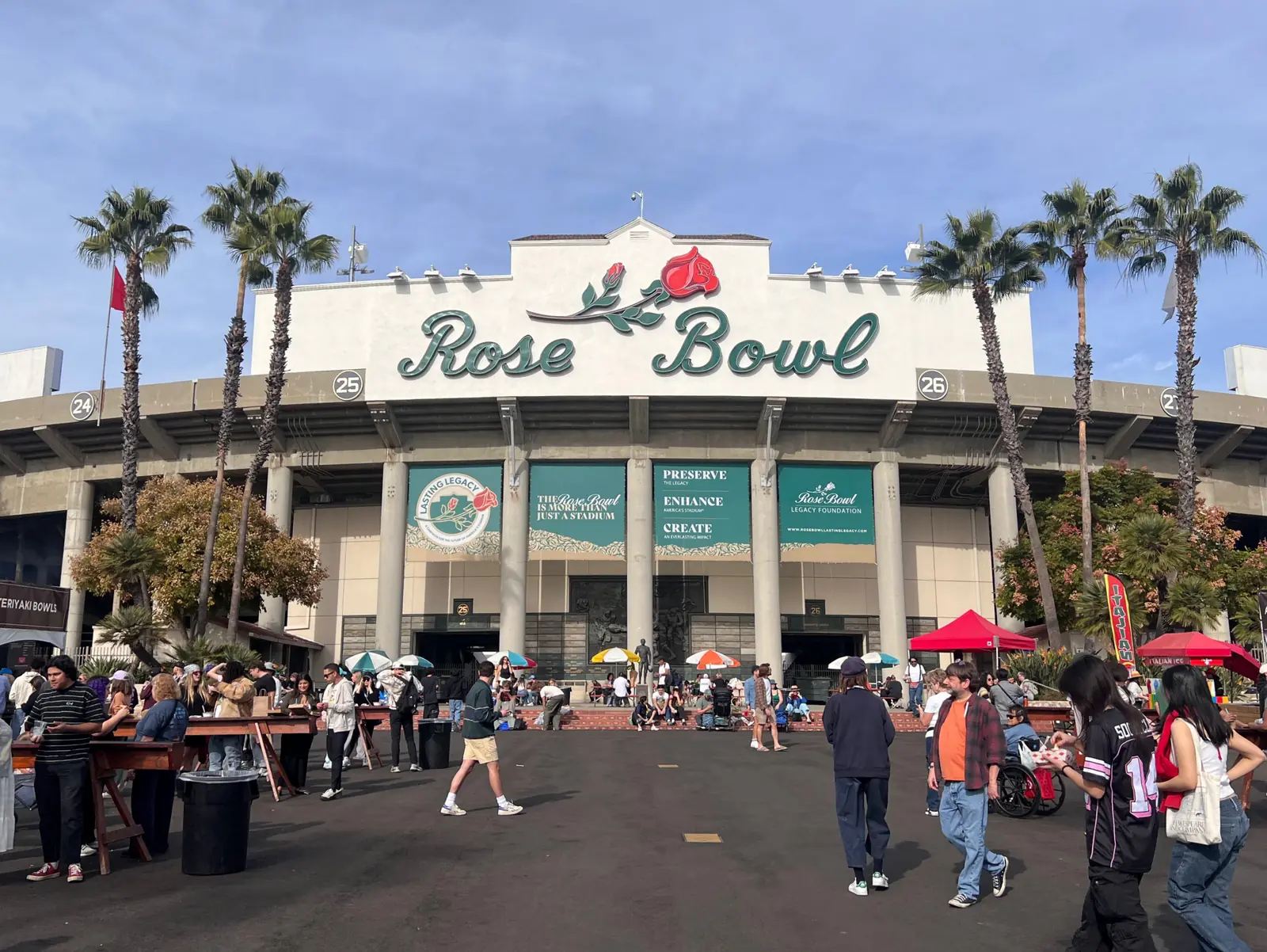
Understanding this official footprint helps brands identify where spectator movement will be concentrated. It also establishes a clear line between official Games inventory and independent properties elsewhere in the city.
For official partners, the venue plan may reveal direct activation opportunities.
For other location planning, it provides something equally useful: a map of where audiences will be moving.
2. Create an Off-Site Destination
Some brand programs benefit from having a destination of their own, with enough space and time to host several experiences under one roof.
A brand house can combine product, hospitality, content, media, community programming, food, entertainment, and private events within one property.
Los Angeles saw a strong version of this model during the opening week of the 2026 World Cup.
Los Angeles Location Idea – Hollywood Athletic ClubBuild a Brand House in Hollywood
From June 11 to 14, Paris Saint-Germain transformed Hollywood Athletic Club into Ici C’est Paris – La Maison Los Angeles.
Rather than focusing the property around one football activity, PSG used the venue to bring several parts of the club’s identity together.
The ground floor included retail, collaborations, customization, an EA SPORTS FC gaming area, Formula 1 simulators, screenings, and performances. Programming elsewhere in the property expanded into wellness, technology, talks, networking, and dining.
The choice of property helped make that range possible.
A historic Hollywood venue gave PSG enough room to move between public programming, entertainment, product, and hospitality without asking every experience to fit into one temporary activation footprint.
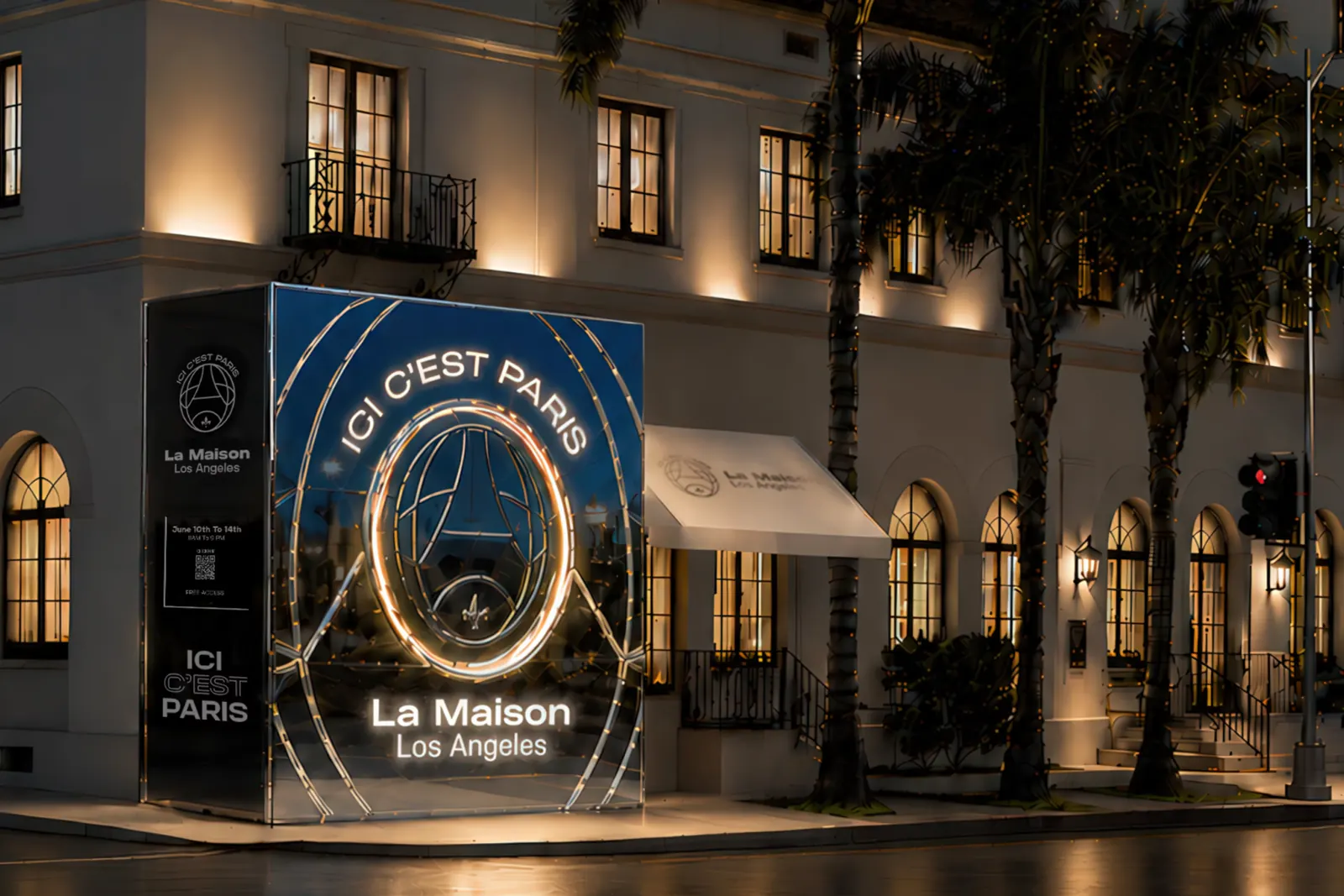
June 11–14, 2026. Image © Paris Saint-Germain.
For LA28 planning, the same model can work at very different scales.
A consumer brand might need a multi-day public destination. A technology company may need a private studio for demonstrations, content, and client meetings. Another brand may achieve more through a restaurant takeover or a smaller hospitality property.
The question is not how large the brand house can be.
It is how much control the program needs over the space, audience, and schedule.
3. Use a Location People Already Know
Some of the strongest activation locations are already destinations in their own right.
Los Angeles has an unusual concentration of places with global recognition. Santa Monica, Hollywood, Venice, Downtown Los Angeles, and other areas bring existing tourism, pedestrian traffic, restaurants, entertainment, and visual identity into the activation.
Los Angeles Location Idea – Santa Monica PierLet the Location Carry Part of the Experience
During the 2026 World Cup, official FIFA sponsor Michelob ULTRA brought its Pitchside Club to Santa Monica Pier.
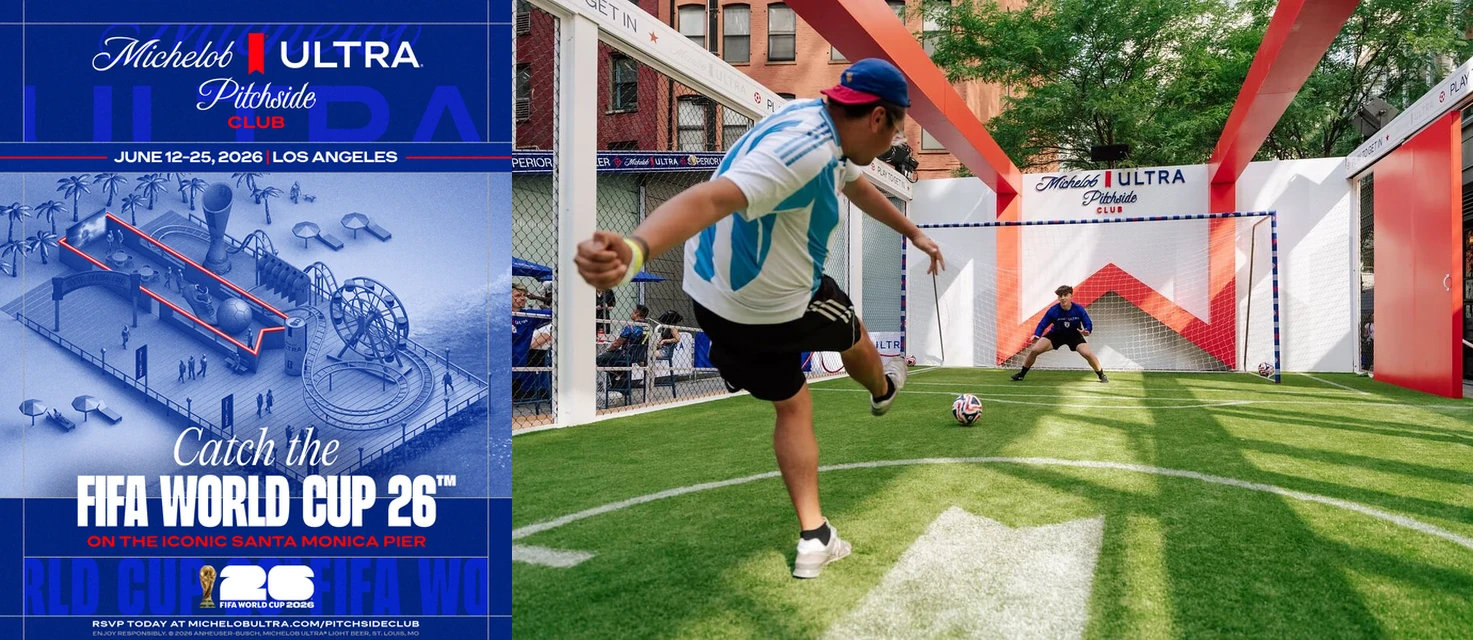
The temporary 21+ experience combined live match viewing, interactive games, cultural programming, merchandise, and athlete appearances. The City of Santa Monica said the activation was also designed to increase activity and foot traffic around the Pier and surrounding businesses.
The Pier was not valuable because it resembled a sports venue.
Its value came from what was already there: the Pacific Ocean, a recognizable Los Angeles setting, existing visitor traffic, nearby businesses, and a place people had a reason to visit regardless of the activation.
That is a useful location principle for LA28.
When the property already carries cultural meaning, the brand does not need to manufacture every part of the environment.
Santa Monica is also already looking ahead to 2028, with the city publicly positioning its coastline and downtown for major international events and Games-related activity.
That does not make every Santa Monica property an available LA28 brand activation site. It does show why cities and brands are thinking about location well before the Games begin.
4. Turn Retail Into a Fan Destination
Retail and entertainment districts offer a different advantage: people already spend time there.
They arrive to shop, eat, meet friends, watch movies, and move between activities. That existing dwell time can make the property useful for experiences that need more than a brief spectator interaction.
During the 2026 tournament period, we saw two very different versions of this strategy firsthand in Los Angeles: The Grove and Ovation Hollywood.
Nike’s own description of its 2026 marketplace strategy emphasized transforming retail and community spaces into immersive football destinations through product, personalization, and local programming.

Football in a Retail Destination
Nike took over The Grove for three weeks with a football-focused experience that included one-on-one gameplay, match viewing, DJs, MCs, immersive product experiences, and limited Nike By You customization.
The Grove already had something most temporary activation sites need to create: an audience with a reason to stay. The experience added football programming to an existing shopping, dining, and entertainment journey rather than operating as an isolated event space.
Nike’s official newsroom describes The Grove as a three-week Nike Soccer takeover, with one-on-one gameplay, match viewing, DJs and MCs, and limited-edition Nike By You customization.
A few miles away, a much smaller footprint served a different purpose.

A Pop-Up in the Heart of Hollywood
At Ovation Hollywood, formerly Hollywood & Highland, Nike and the LEGO Group presented Play on Instinct in the Courtyard outside Kids Foot Locker.
The experience combined soccer challenges, LEGO creative play, immersive visuals, and interactive moments within one of Hollywood’s busiest tourism districts. The property allowed a compact activation to reach visitors who were already moving through the area.
Ovation Hollywood‘s official event calendar confirms that Play on Instinct combined Nike, LEGO, soccer challenges, creative play, immersive visuals, and interactive elements in the Courtyard outside Kids Foot Locker.
The two properties illustrate why retail should not be treated as one activation format.
The Grove supported a longer-running destination with several layers of programming. Ovation Hollywood supported a smaller interaction inside a high-traffic tourism environment.
In both cases, the location strategy started with behavior already happening at the property.
The Grove and Ovation Hollywood are not confirmed LA28 brand activation sites. They are recent Los Angeles examples that show how retail and entertainment properties can support sports-related brand experiences during a major international event.
Follow the Fan Journey
A venue map tells marketers where the competition happens.
It does not tell them where the rest of the day happens.
A visitor may stay in Hollywood, attend a competition in Inglewood, spend time elsewhere in the city between sessions, and meet friends or clients in another neighborhood that evening.
Location planning becomes more useful when it starts with that journey rather than with a list of available properties.
Before committing to a site, brands should be able to answer four questions:
- Who are we trying to reach, and around which Games moment?
Ticketed spectators, international visitors, clients, media, and partners may follow very different schedules and routes. - Where will that audience already be before or after those moments?
The strongest location may fit naturally into an existing trip rather than requiring another journey across Los Angeles. - What level of Games association do our commercial rights actually allow?
The answer determines how the event can be named, promoted, designed, and connected to Games-time activity. - Can the property support the experience operationally?
Transportation, loading, capacity, permits, security, operating hours, guest flow, and production access should be tested before the creative concept is locked.
This is especially important in Los Angeles.
The strongest activation location may not be the building closest to an Olympic venue.
It may be the place where the audience, the brand objective, the brand’s rights, and the way people actually move through the city intersect.
Secure the Location Early
The best location options will narrow as LA28 approaches. High-demand event venues, studios, retail properties, restaurants, rooftops, and landmark spaces all have limited availability, while Games-time access, permitting, transportation, and production conditions may affect which properties remain practical.
Early planning gives brands more than a longer production timeline. It creates more room to secure the right property, confirm commercial rights and permitting requirements, and understand whether the location can actually support the experience before the creative concept is locked.
Before committing to a site, teams should confirm three things:
- ・Property and rights: availability, commercial agreements, signage rights, and any restrictions related to Games-time marketing.
- ・Production feasibility: loading access, build schedules, power, staffing, security, operating hours, and local permits.
- ・Audience movement: transportation, travel time from relevant venues, guest arrival, and how the location fits into the wider Games-time journey.
For global brands, this is also where a campaign developed at the global level has to become a real Los Angeles experience.
EIDETIC works with global brands and lead agencies to translate campaign strategies into physical activations in Los Angeles, from location planning and experiential design to fabrication, production, installation, and local vendor coordination.
Once the location is defined, the next question is what should actually happen there.
Sports Marketing Activation Ideas: From Immersive Experiences to Fan Engagement
Once the location is defined, Part 3 will look at what fans should actually experience there, from interactive sports challenges and immersive technology to personalized content, gamification, viewing experiences, rewards, and the operational details behind them.
FAQ
Brands with appropriate rights may have opportunities within official LA28 environments. Other physical brand experiences may take place at independent event venues, retail districts, hotels, restaurants, entertainment destinations, and other properties across Los Angeles, subject to applicable commercial rights, property agreements, permits, and Games-time requirements.
Independent commercial events can take place in Los Angeles during the Games period, but brands should not imply an official relationship with LA28, Team USA, or the Olympic and Paralympic Games if they do not have those rights. The USOPC reserves commercial use of its Olympic and Paralympic IP for authorized sponsors, suppliers, and licensees.
There is no single best area. The right location depends on the audience and objective. Inglewood and Pasadena may be relevant to specific competition journeys, while Hollywood, Santa Monica, Downtown Los Angeles, retail destinations, and hospitality districts can serve very different visitor and client needs.
Brands should begin location planning as early as possible. Official commercial opportunities, premium hospitality, major event venues, hotels, restaurants, studios, retail properties, and landmark spaces all have limited inventory. Early planning also gives teams more time to evaluate permits, production access, transportation, commercial rights, and Games-time operating requirements.
Lessons for LA28: How Brands Become Part of the Games
August 24, 2026
Lessons for LA28: How Brands Become Part of the Games
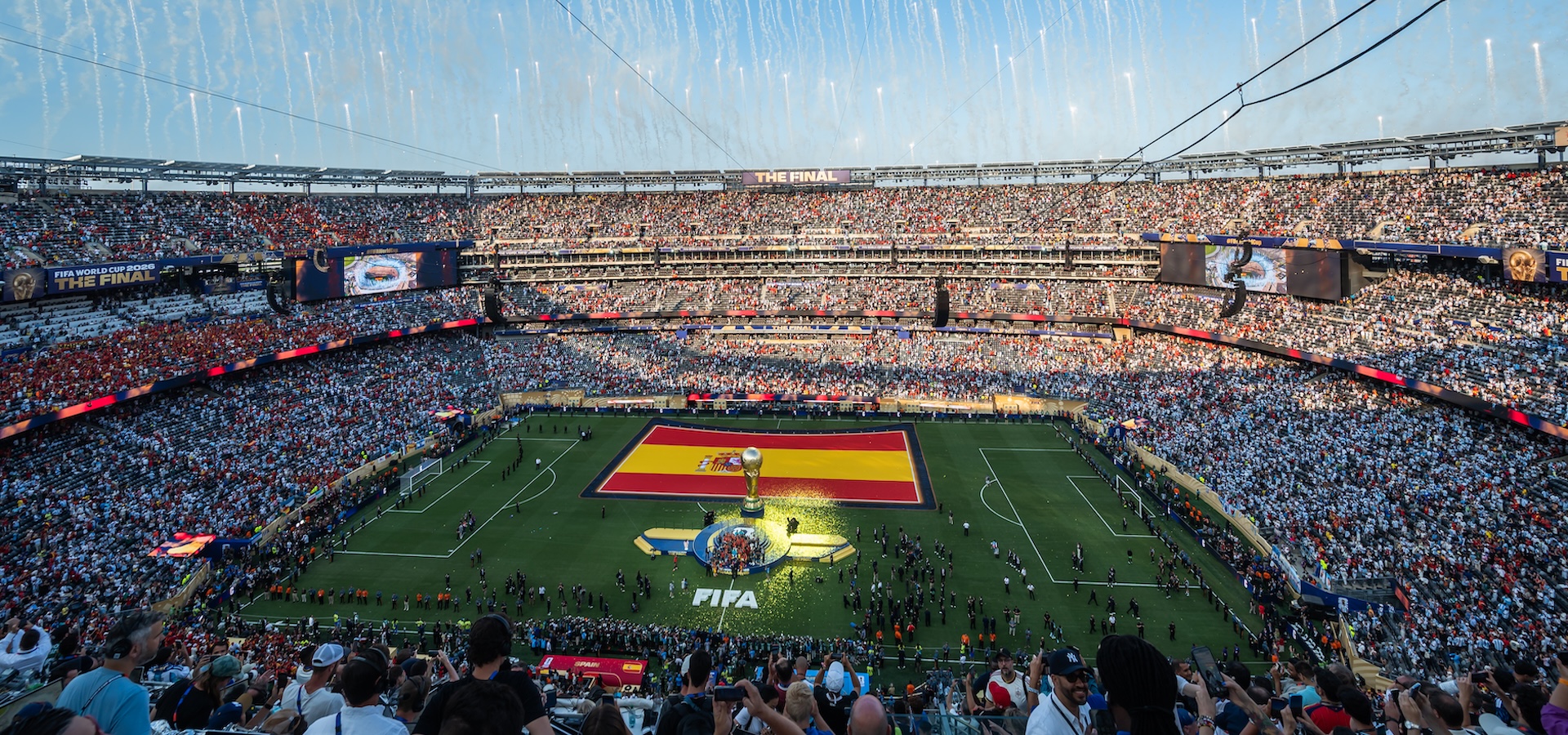
At the world’s largest sporting events, visibility is easy to buy. Meaningful presence is harder to create. Official sponsorship gives brands valuable rights, access, and association with a global event, but a logo beside the field or on a campaign asset does not automatically make a sponsorship memorable.
The strongest sports marketing ideas give the brand a role in something athletes, fans, or organizers already care about. That distinction matters as brands begin considering their LA28 Olympic marketing plans.
The starting question should not be, “Where can our logo appear?” It should be: “What role can our brand play in the Games?”
- Start with a capability the brand already owns.
- Find a role inside the existing fan or event journey.
- Let the product or expertise demonstrate its value naturally.
- Make visibility feel natural
Strong Sports Sponsorship Starts With a Brand Role
A major sporting event already has its own rituals, needs, and audience behaviors. Fans arrive, watch, travel, celebrate, eat, drink, share content, and move between different event environments. Athletes compete and participate in ceremonies, while organizers manage venues, technology, hospitality, transportation, and large-scale public experiences.
Strong sports sponsorship marketing begins by finding the overlap between those existing behaviors and what the brand genuinely does well. That is the difference between advertising around a sporting event and becoming part of the event itself.
1. Start With What the Brand Does Best
The most natural sponsorship ideas rarely require a company to become something completely different for a few weeks. Instead, they use an existing product, capability, or expertise in a context where it becomes more meaningful.
LVMH: Turning Craftsmanship Into an Olympic Symbol
LVMH joined Paris 2024 as a Premium Partner, rather than as an IOC Worldwide Olympic Partner. The partnership gave several of LVMH’s Maisons roles that aligned closely with their established expertise.
Chaumet designed the Olympic and Paralympic medals. Louis Vuitton created bespoke trunks to protect and present the medals and Olympic torches.
Instead of creating a separate story around luxury, the partnership connected LVMH’s craftsmanship directly to some of the most symbolic objects of the Games.
LVMH applied capabilities the brand was already known for to some of the most symbolic objects of the Games. The sponsorship felt like a natural extension of the brand rather than an added layer of promotion.
What makes the partnership interesting is not simply the prominence of the medals or trunks. LVMH is known for craftsmanship, jewelry, design, and heritage, and those capabilities were applied directly to objects that already carried enormous meaning within the Olympic Games.
For marketers, the lesson is broader than luxury. Before developing a sports sponsorship idea, brands should ask:
- ・What product or capability is the brand already known for?
- ・What expertise would be difficult for another sponsor to replicate?
- ・Where does that capability intersect with an actual need, ritual, or symbol of the event?
The closer the sponsorship role is to what a brand already represents, the more natural the integration feels.
2. Find a Role Inside the Fan Journey
Fans do not attend an international sporting event because they want to interact with sponsors. They come to watch the competition, support a team, spend time with other fans, and become part of the atmosphere.
That means brands do not always need to create a separate branded experience to capture attention. Sometimes the stronger opportunity is to become part of an experience fans already value.
Hisense: Making Display Technology Part of the Viewing Experience
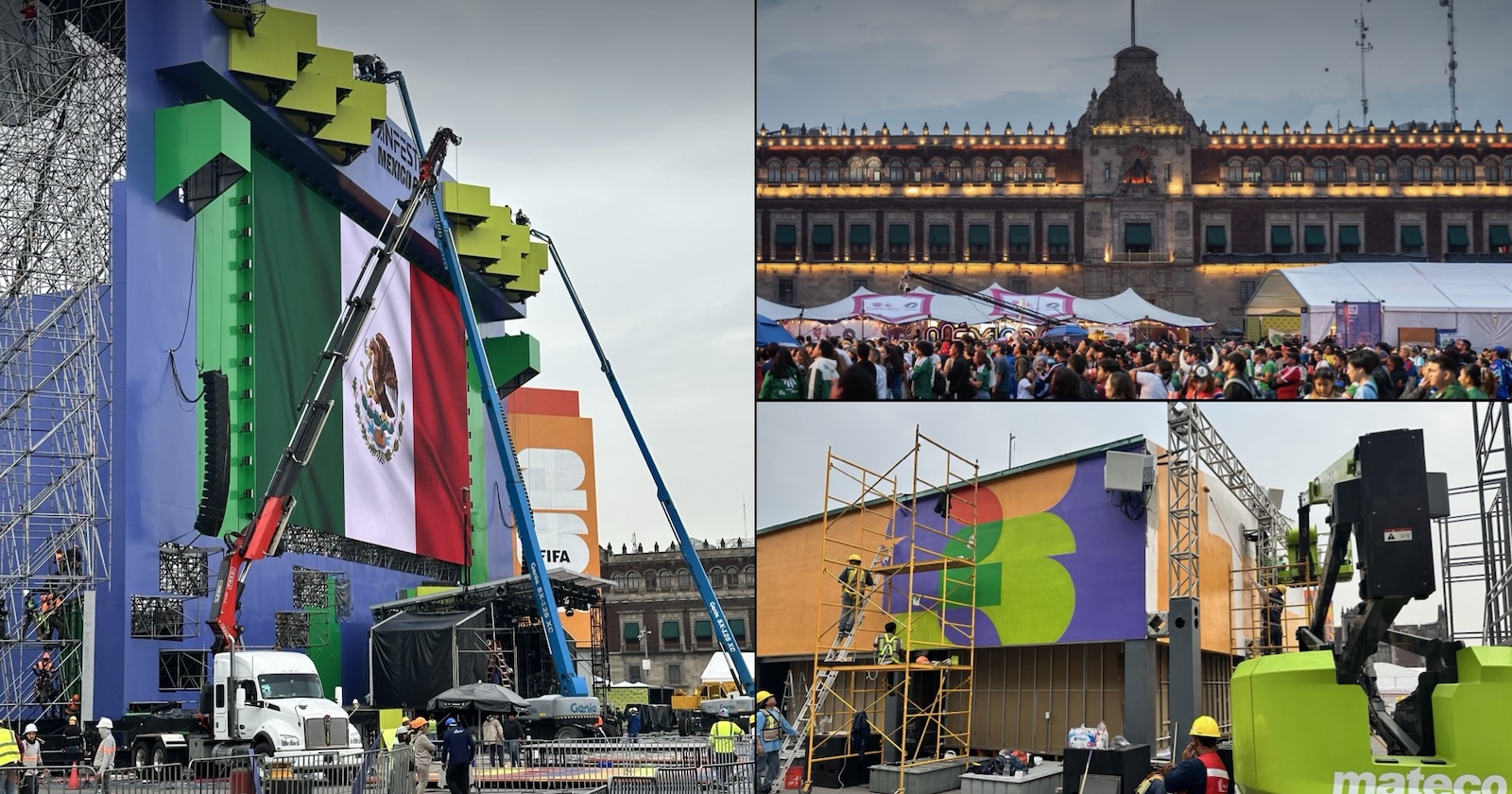
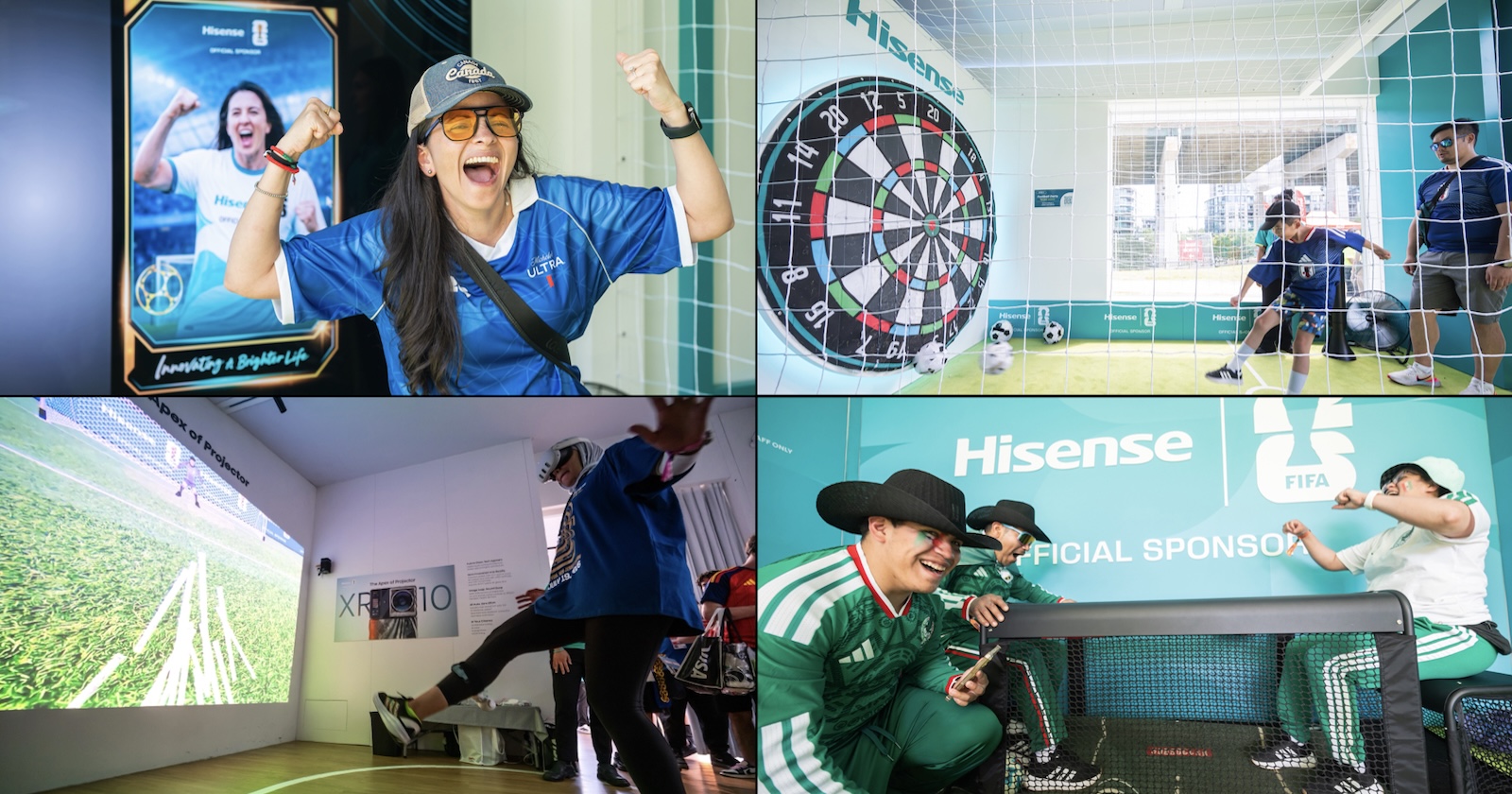
Hisense entered the FIFA World Cup 26™ as an Official Sponsor with a natural connection to one of the tournament’s defining fan behaviors: watching the match.
At FIFA Fan Festival in Mexico City and Toronto, Hisense display technology powered the giant screens that fans gathered around to experience live matches.
Rather than creating a separate branded experience, Hisense supported what fans were already there to do. Its display technology became part of the viewing experience itself.
Client: Hisense · Event: FIFA World Cup 26™
Sponsor tier: Official Sponsor · Markets: Mexico City, Toronto
EIDETIC scope: Experience design and fabrication for Hisense’s physical sponsor presence
View FIFA Fan Festival Project → · View Stadium Fan Experience →
Hisense connected its core display technology to the most important fan behavior at the festival: live match viewing. The product delivered utility first, with brand visibility built naturally into the experience.
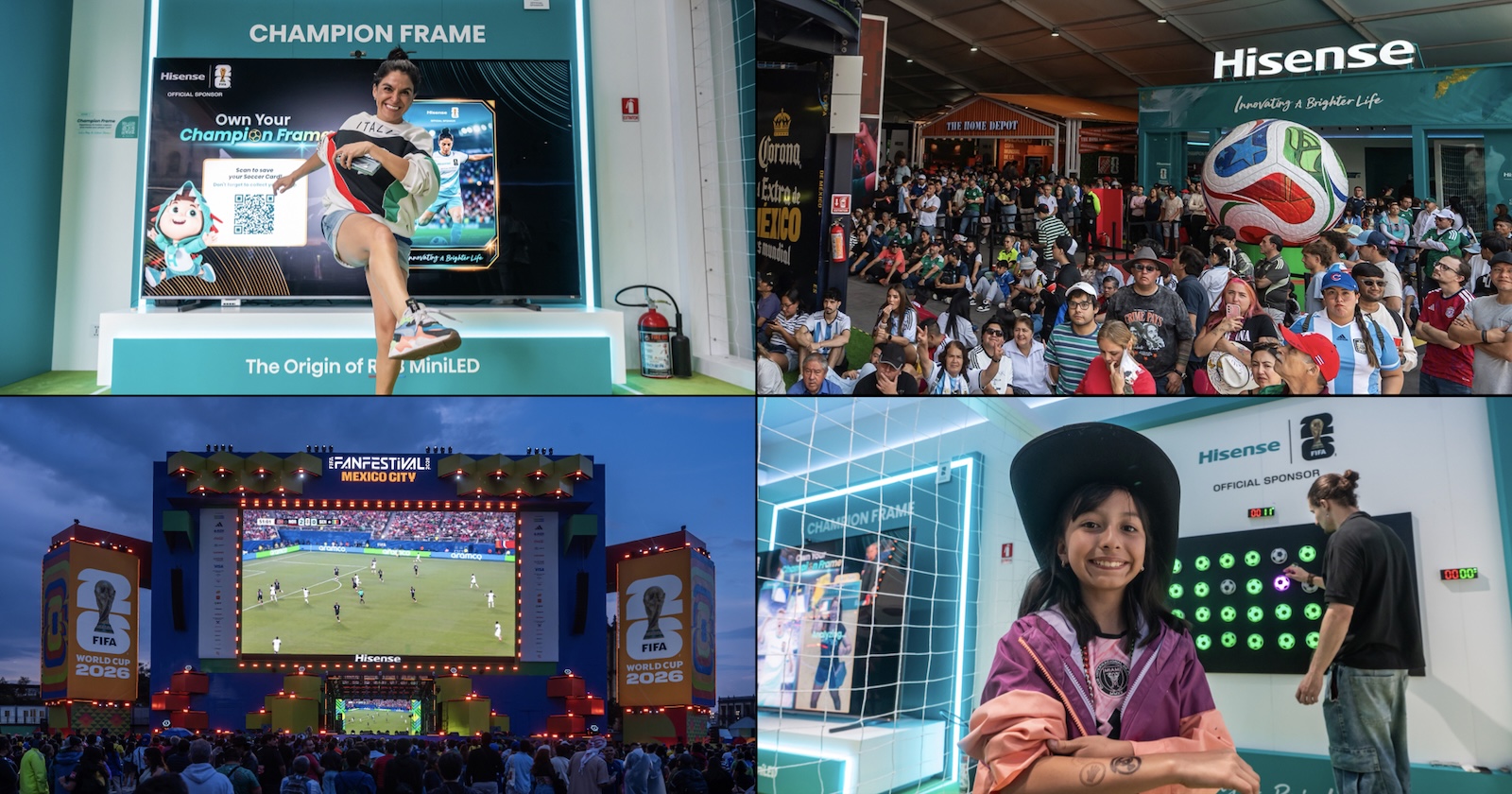
This is where sponsorship strategy becomes physical. A brand role has to translate into an environment that people can actually see, use, and experience. Structure, product placement, graphics, interaction points, and fan flow all become part of how the sponsorship is perceived.
The principle applies far beyond display technology. A mobility brand can improve transportation, a payment brand can simplify purchases, and a technology company can improve connectivity or access to information. The idea should begin with an existing fan behavior rather than forcing people into an unrelated branded activity.
3. Let the Product Prove Itself
Traditional sponsorship exposure often relies on repetition: the more often people see a logo, the more likely they are to remember the brand. Experiential sponsorship can work differently. A single, meaningful use of a product can sometimes communicate more than repeated branding.
LVMH did not need a long explanation of its craftsmanship when medals and ceremonial trunks provided visible proof. Hisense did not need to explain why display technology mattered while fans were watching the tournament on its screens. In both cases, the experience itself became the product demonstration.
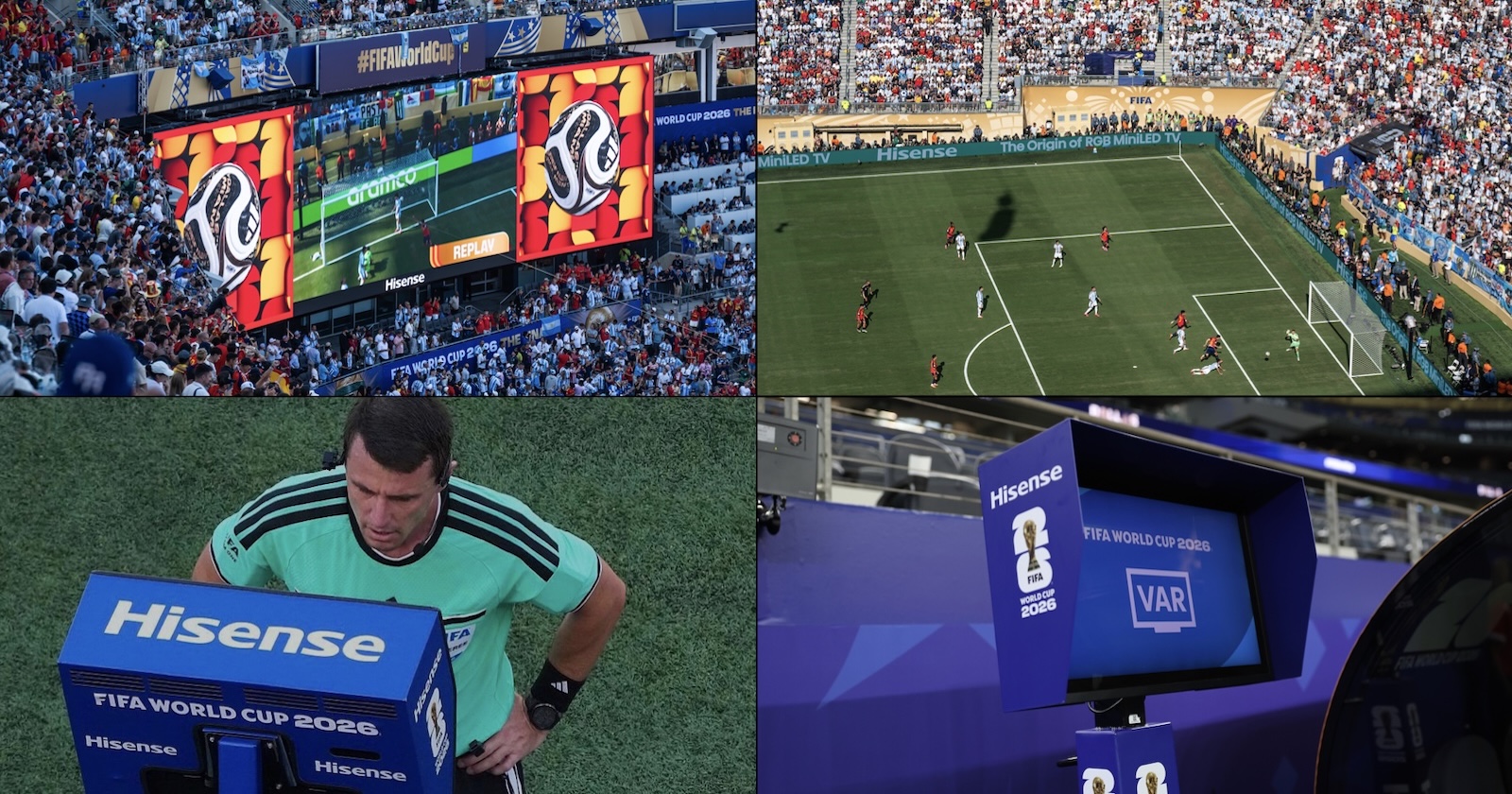
When developing a sports activation, brands should ask:
- ・Can people understand the product’s value without reading an explanation?
- ・Does the product perform a real function within the experience?
- ・Would the idea still make sense if the logo were smaller?
If the answer to the last question is yes, the integration is usually stronger.
4. Make Visibility Feel Natural
Brand visibility is strongest when it feels connected to the event rather than added on top of it. The goal is not simply to increase the number of branded touchpoints, but to create moments where the brand has a clear reason to be present.
That can happen through a product, service, interaction, or piece of infrastructure that already plays a role in the experience. When the connection makes sense, visibility becomes a natural outcome of participation.
To test whether an idea will feel natural, brands should ask three questions: Does it fit what the brand already does well? Does it add value to the fan experience? Does the product or service have a meaningful role? If the answer is yes, the next step is to determine whether the idea can work within the realities of sponsorship rights, venue conditions, fabrication, logistics, and the local market.
The strongest sports sponsorships do not rely on visibility alone. They give the brand a reason to be part of the experience.
Why Olympic Sponsorship Rights Matter
Natural integration does not make Olympic sponsorship rights any less important. In many cases, those rights are what make deeper involvement possible. The IOC’s Worldwide Olympic Partner programme represents the highest level of global Olympic sponsorship, while host organizing committees can also establish domestic partnership structures.
Paris 2024, for example, included Premium Partners such as LVMH. LA28 currently brings together IOC Worldwide Partners and domestic partners across tiers including Founding Partners, Official Partners, and Official Supporters.
The exact assets and integration opportunities available to a brand depend on its agreement. Becoming a sponsor does not automatically mean a company can design a medal, integrate a product into an official fan experience, or place its technology inside a competition environment. Those opportunities depend on sponsorship rights, category agreements, event needs, and the role negotiated between the organizer and the brand.
Sponsorship creates access. Marketing determines what the brand does with that access. That is why sponsorship strategy and the creative idea should develop together.
Why Brands Should Start Planning for LA28
LA28 may still feel distant, but the commercial planning window is already narrowing. More than 6 million Olympic tickets have already been sold, and official Olympic hospitality packages are already available. For brands, the question is no longer only what kind of activation to create. It is also whether the brand wants official sponsorship rights, what opportunities are still available in its category, and where the experience should take place.
For brands interested in official sponsorship, timing matters because many major sectors are already represented by existing Worldwide Olympic and LA28 partners. LA28 has also introduced the first Olympic venue naming-rights program, with eligible rights available to qualifying partners and naming opportunities for up to 19 temporary venues.
The same urgency applies outside official Olympic venues. Hotels, restaurants, rooftops, studios, event spaces, retail destinations, and landmark locations in areas such as Hollywood and Downtown Los Angeles all have finite inventory. As sponsors, agencies, media companies, and hospitality programs advance their Games-time plans, the most visible and strategically located spaces are likely to become harder to secure.
Regulation can narrow the options further. The City of Los Angeles is developing Games impact zones that may include competition-venue perimeters, key transportation routes, major tourist destinations, hospitality locations, and other Games-related areas. Exact boundaries and restrictions are still being developed, so brands should not assume that a space near an Olympic venue can be activated in the same way as an ordinary commercial event.
For brands considering an LA28 activation, the practical answer is simple: start as soon as possible. The earlier a brand defines its sponsorship status, rights requirements, audience, location strategy, and production needs, the more options it is likely to have.
How Brands Can Activate at LA28: Olympic Marketing Beyond the Venue
Part 2 explores where brand experiences could come to life across Los Angeles, from venue environments and hospitality to off-site brand spaces and citywide fan touchpoints.
Start While the Best Opportunities Are Still Available.

From activation strategy and experiential design to fabrication and production, EIDETIC helps global brands turn sports marketing ideas into memorable physical experiences.
FAQ: Sports Sponsorship and LA28
As soon as possible. The timeline depends partly on whether the brand intends to pursue an official LA28 sponsorship or activate independently around the Games.
For potential sponsors, timing matters because sponsorship opportunities are organized by category, and several major categories are already represented by existing LA28 and Worldwide Olympic Partners. LA28 has also introduced Olympic venue naming rights, with eligible opportunities available to qualifying partners and up to 19 temporary venues potentially included in the program.
For brands planning off-site activations or hospitality, the pressure is different but just as real. High-profile restaurants, hotels, event spaces, rooftops, and iconic Los Angeles locations have limited availability. The earlier brands define their strategy, the more flexibility they will have in choosing the right sponsorship opportunity, location, and activation format.
Paris 2024 provides several examples of sponsors connecting their core capabilities directly to the Games. LVMH brought its craftsmanship into the event through Chaumet-designed Olympic and Paralympic medals and Louis Vuitton medal and torch trunks. Other Paris 2024 partners also integrated their existing expertise into areas such as connectivity, transportation, uniforms, energy, and event infrastructure rather than relying only on logo exposure.
The strongest product integrations give the product a real role in the event or fan experience. At Paris 2024, LVMH connected its craftsmanship to symbolic objects of the Games, while at the FIFA World Cup 26™, Hisense display technology became part of how fans watched matches at FIFA Fan Festivals. The goal is for audiences to experience the product’s value naturally, rather than encounter it as a separate product display.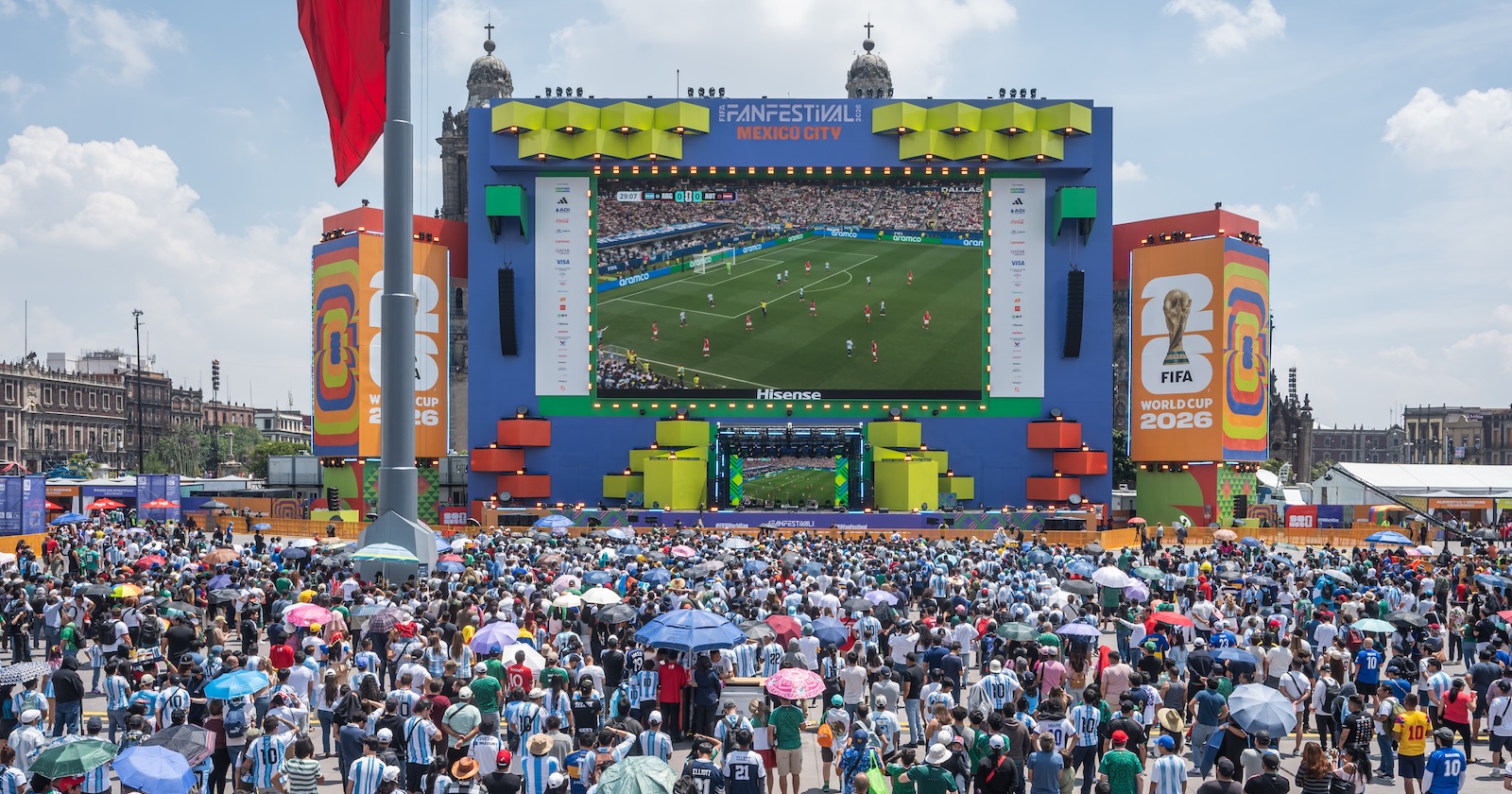
EIDETIC Wins 2026 Red Dot Award for Midea’s IFA Exhibition Design
August 14, 2026
Midea’s IFA 2025 Exhibition Design Wins a 2026 Red Dot Award
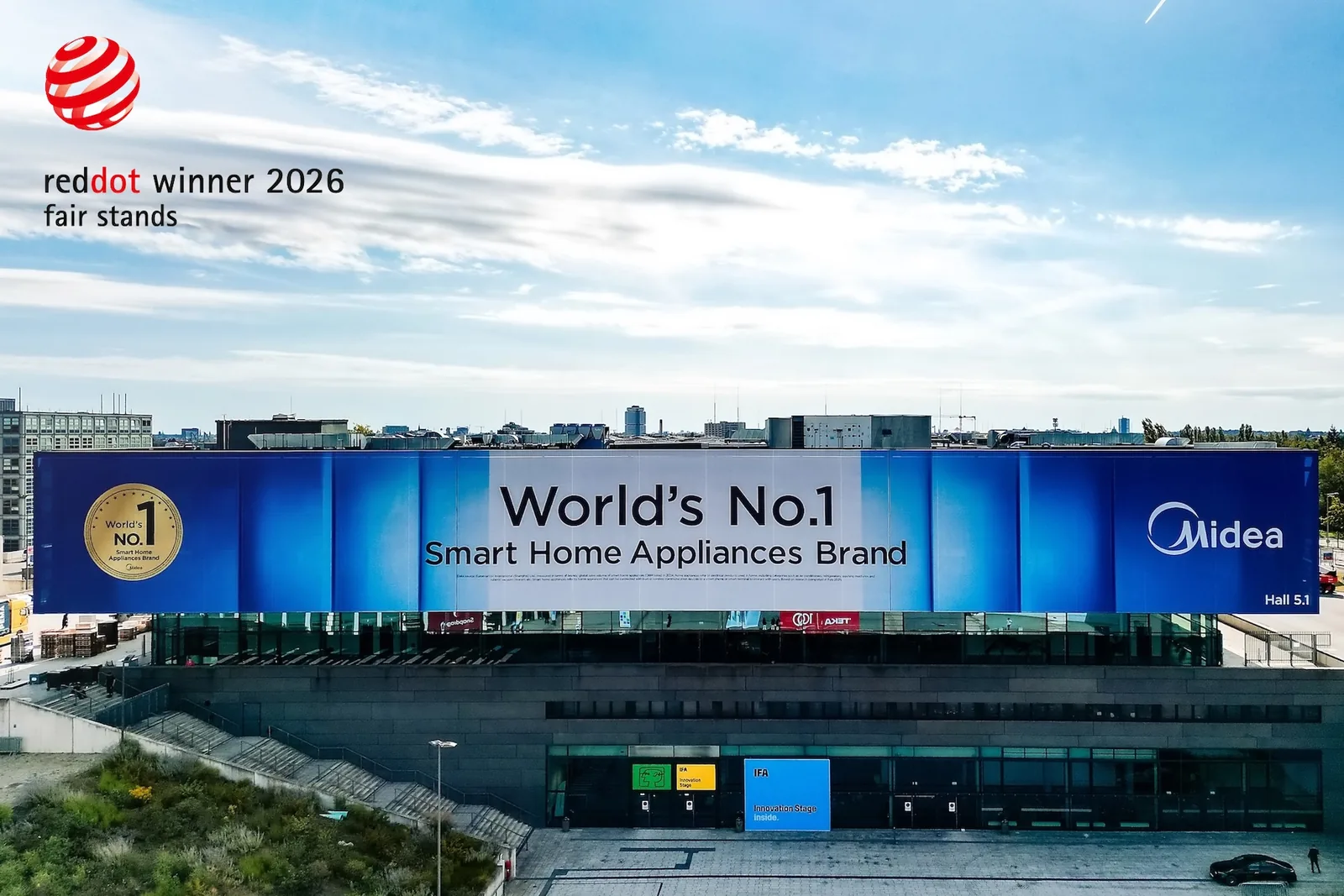
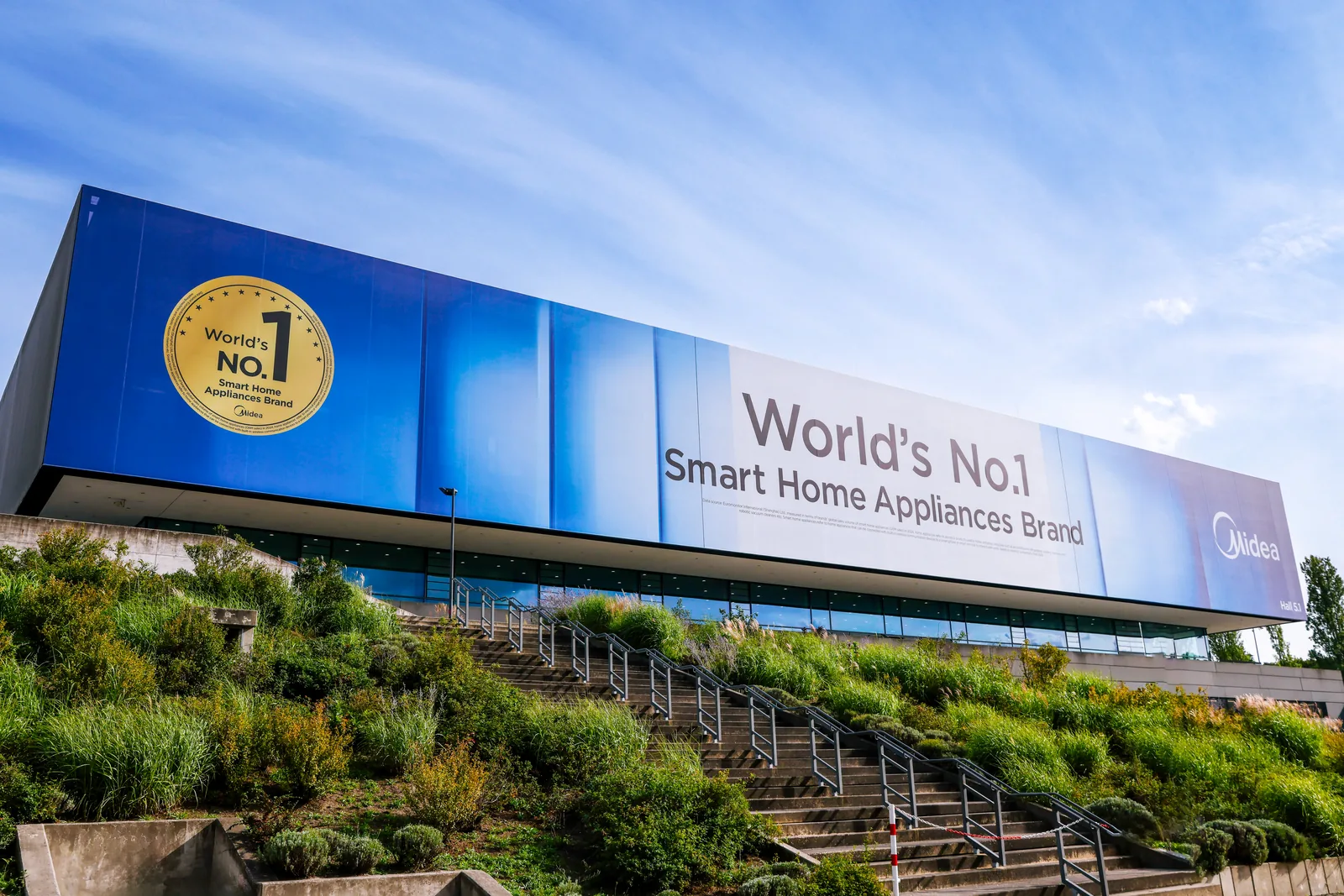
EIDETIC has won a 2026 Red Dot Award in the Fair Stands category for Midea’s IFA 2025 exhibition design in Berlin. Spanning approximately 3,220 m² across Halls 5.1 and 6.1, the exhibition translated Midea’s “Humanizing Technology” philosophy into a spatial experience designed around the role of smart technology in everyday life.
At the center of the project was “Unfold,” a concept developed to make advanced technology feel less distant and more intuitive. Rather than presenting individual products as isolated displays, the exhibition connected products, media, architecture, and smart home technologies through one continuous visitor journey.
A Red Dot Award for Midea IFA Exhibition Design
The Red Dot Design Award is one of the most internationally renowned competitions in the field of design. Its Brands & Communication Design discipline recognizes communication projects across 18 categories, with Fair Stands covering exhibition design elements, stands, and booths.
The Midea IFA exhibition design brought technology, spatial storytelling, media, and physical execution together within one large-scale visitor experience.
Midea at IFA 2025: Project at a Glance
| Project Detail | Information |
|---|---|
| Client | Midea |
| Event | IFA 2025 |
| Location | Messe Berlin, Germany |
| Exhibition Size | Approx. 3,220 m² |
| Exhibition Halls | Halls 5.1 and 6.1 |
| Scale | Midea’s largest IFA presence to date |
| Visitors to the Midea Booth | 74,000+ |
| Installation Period | 32 days |
| Core Concept | Unfold |
| Recognition | 2026 Red Dot Award: Brands & Communication Design, Fair Stands |
| Project Scope | Creative strategy, attendee journey mapping, booth design, fabrication and construction, IFA sponsorship OOH package design and overall management, HR management, and on-site supervision |
Visitor, installation, and project scope figures are drawn from EIDETIC’s Midea 2025 IFA Berlin project record.
The Challenge: Making Advanced Technology Easy to Understand
Technology exhibitions create a specific communication challenge. A brand may have dozens of advanced products and technologies to showcase, but showing more information does not necessarily make the value of those innovations easier to understand.
For Midea at IFA 2025, the starting point was the gap between technological advancement and everyday understanding. EIDETIC approached the project around a simple question: how can advanced technology be translated into value that visitors immediately recognize in daily life?
That question shaped the Midea IFA exhibition design. Instead of treating the floor as a collection of independent product zones, smart appliances, AI-based systems, energy solutions, media, and architecture were brought together as part of a broader living experience.
“Unfold”: Turning the Visitor Journey into a Story
The concept “Unfold” represented a smarter way of living revealed gradually as visitors moved through the exhibition.
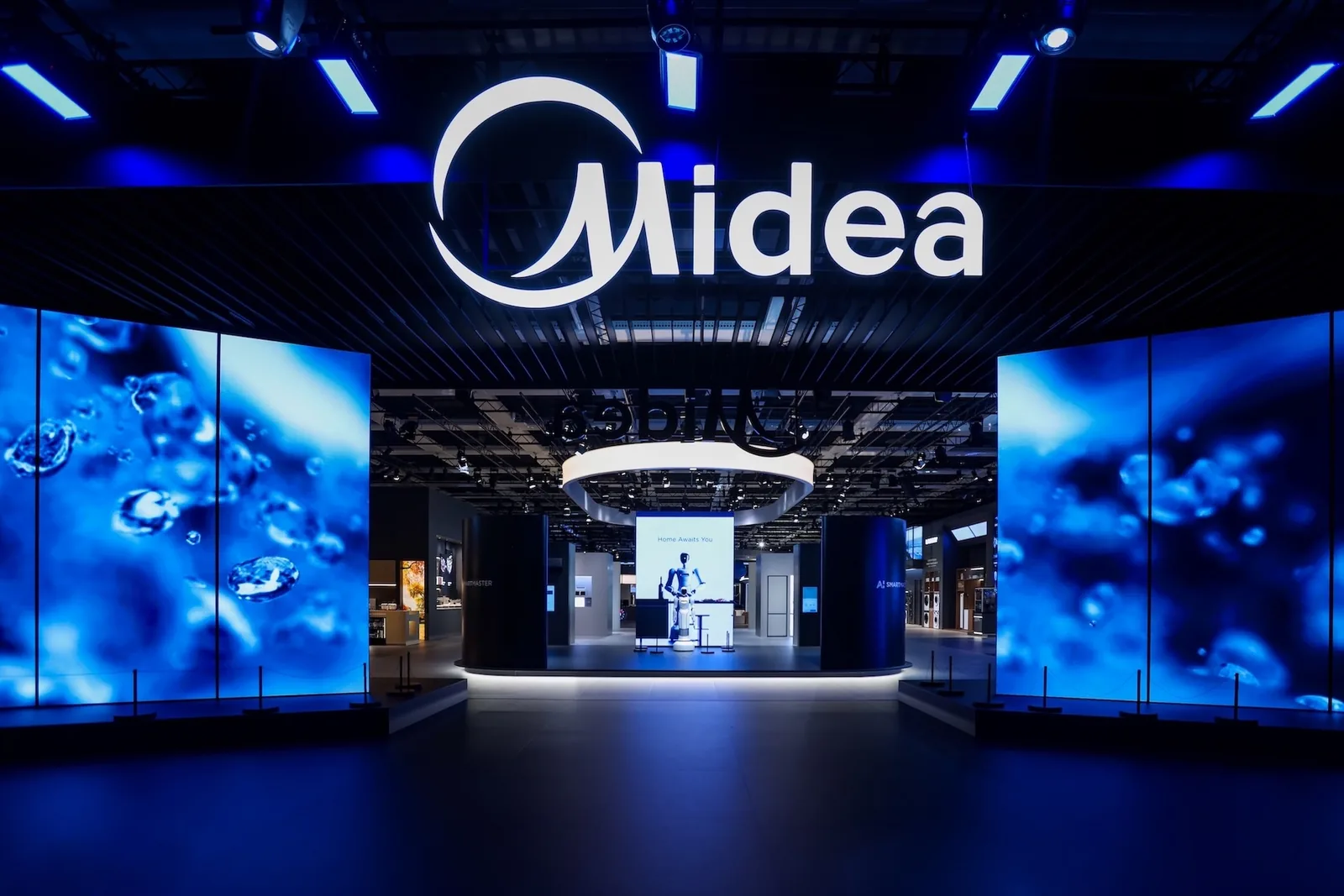
At the entrance, a large LED pivot door used movement and light to create the first transition into the space. Before visitors reached the main product areas, the entrance established a sense of progression and introduced the exhibition as a journey rather than a collection of displays.
Inside, the exhibition unfolded through a sequence of environments inspired by real residential settings. Products were placed within recognizable living contexts so visitors could see how appliances, smart home technologies, AI systems, and energy solutions worked together rather than encounter them only as individual specifications.
The goal was to make the technology understandable through experience. Instead of asking visitors to interpret a complex technical message first, the spatial design allowed them to encounter the value of the technology through familiar scenes and interactions.
Product, media, movement, lighting, and architecture worked together to turn the Midea IFA exhibition into more than a product showcase. The environment itself became part of how the brand communicated its vision for future living.
“It is especially meaningful to see our approach to translating Midea’s advanced technology into a spatial experience recognized by a global design award. We are also pleased to be working with Midea again for IFA this year, and we look forward to creating another distinctive brand experience on the global stage.”
From Exhibition Concept to On-Site Execution
A project at this scale required the design intent to carry through from planning to execution on the show floor.
EIDETIC managed creative strategy and attendee journey mapping alongside booth design, fabrication and construction, IFA sponsorship OOH package design and overall management, HR management, and on-site supervision. Installation alone ran for 32 days before the exhibition opened.
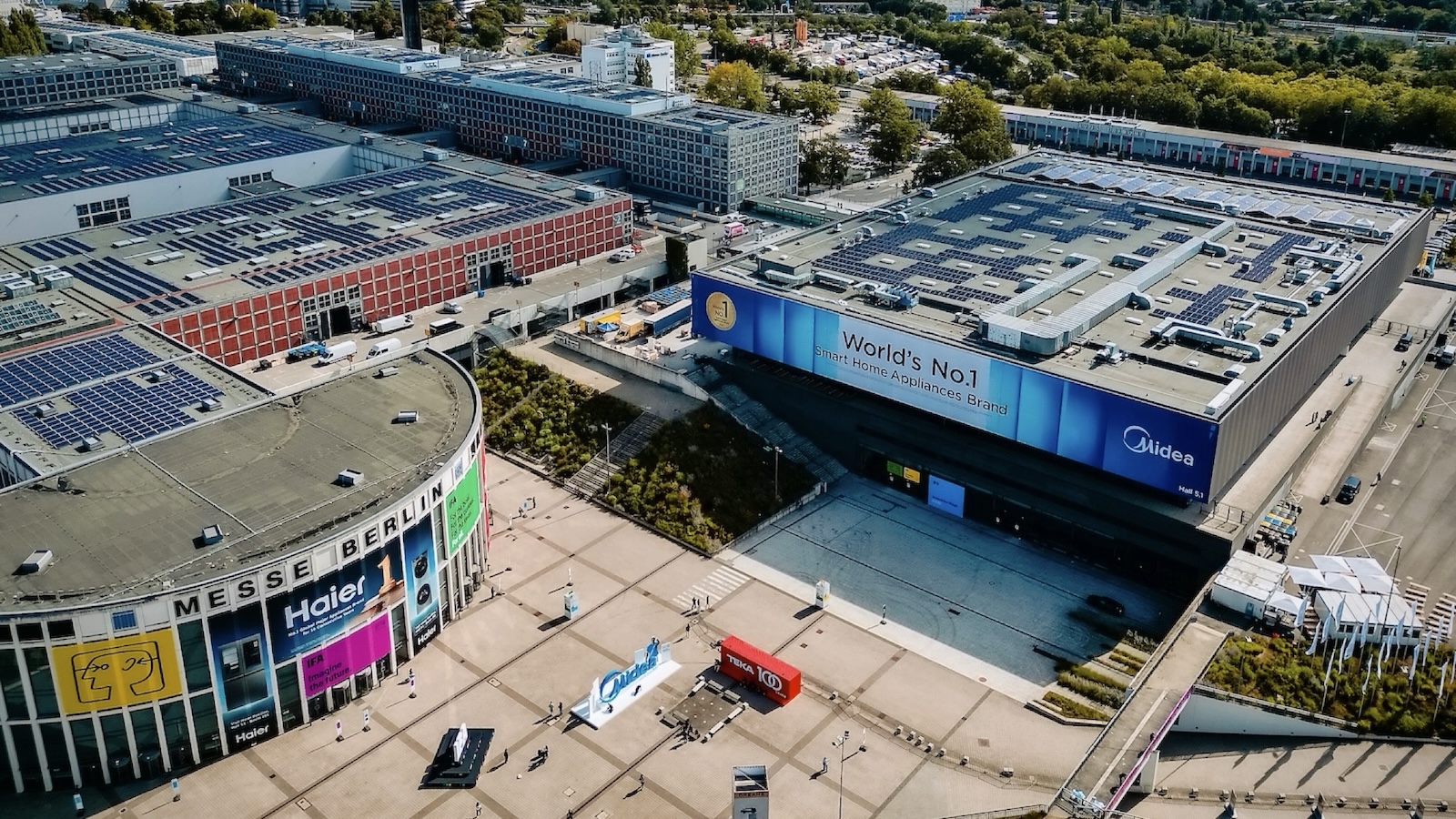
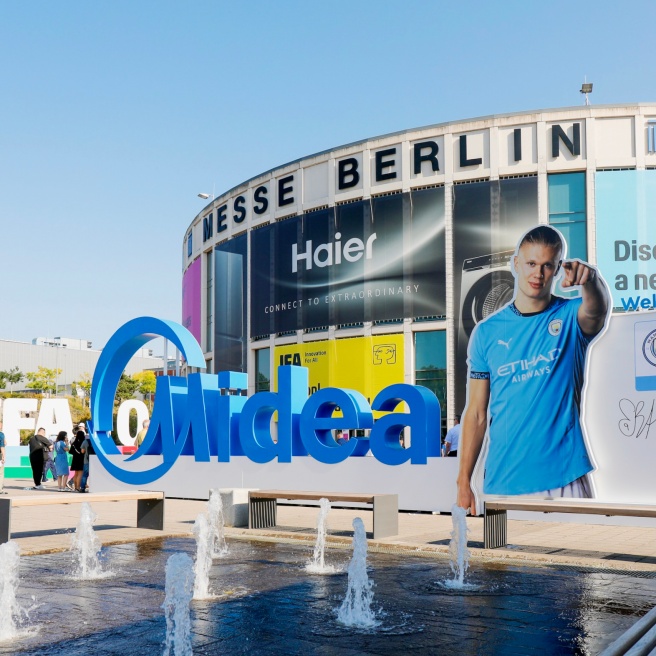
The sponsorship OOH package extended Midea’s presence beyond the exhibition space itself, connecting the booth experience with brand visibility across the Messe Berlin environment.
During IFA 2025, more than 74,000 visitors entered the Midea booth. Across the full 3,220 m² footprint, the completed exhibition brought multiple product categories and technologies together while maintaining one consistent spatial narrative.
Building a Record of Award-Winning Exhibition Design
The Red Dot recognition is EIDETIC’s second international exhibition design award of 2026.
At CES 2026 in Las Vegas, EIDETIC’s approximately 495 m² exhibition for Roborock received a Silver Award at the Best of Show Stand Awards (BOSS Awards). The project used live demonstrations, residential environments, interactive activities, stage programming, and digital content to make advanced robotics easy to understand on a crowded CES show floor.
Read more in CES Booth Design: 3 Lessons from Roborock’s Award-Winning Exhibit.
Across both projects, the principle is consistent: complex technology becomes more meaningful when visitors can see, understand, and experience its value within a clear brand story.
If you are preparing for IFA Berlin, our IFA Booth Design & Operation Tips for Exhibitors covers practical considerations around booth construction, exhibitor services, and on-site preparation.
FAQ
EIDETIC led the project across creative strategy, attendee journey mapping, exhibition design, fabrication and construction, IFA sponsorship OOH package design and overall management, HR management, and on-site supervision.
Midea’s IFA 2025 exhibition covered approximately 3,220 m² across Halls 5.1 and 6.1 at Messe Berlin. It was Midea’s largest IFA presence to date, and more than 74,000 visitors entered the booth during the show.
The concept was “Unfold,” representing a smarter way of living revealed gradually as visitors moved through the space. The journey began with a large LED pivot door and continued through residential environments where appliances, AI systems, smart home technology, and energy solutions were shown working together.
Strategy, spatial storytelling, exhibition design, fabrication, installation, and on-site execution, all connected through one team from concept to show-floor experience.
CES Booth Design: 3 Lessons from Roborock’s Award-Winning Exhibit
August 3, 2026
CES Booth Design: 3 Lessons from
Roborock’s Award-Winning Exhibit
Effective CES booth design is not defined by size alone.
At CES 2026, Roborock’s approximately 495-square-meter exhibit received a Silver Award at the BOSS Awards.
The achievement was particularly significant at a show that brought together more than 4,100 exhibitors across 2.6 million net square feet of exhibit space. In an environment filled with large-scale architecture, product launches, LED installations, and immersive technology, Roborock demonstrated that strategic planning can create impact beyond physical scale.
For companies now planning a CES 2027 exhibit, the project offers three practical lessons.
- 1. Make every square foot count.
- 2. Let the product prove itself.
- 3. Align strategy and execution.
View the official CES 2026 event statistics.
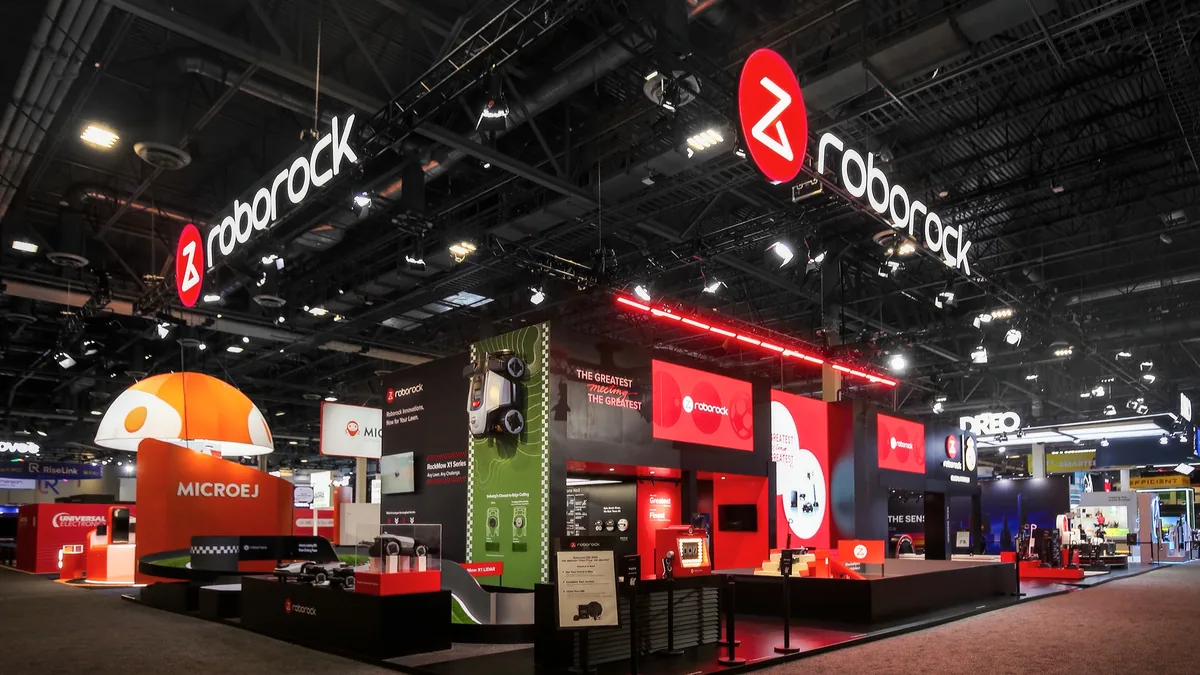
Case Study: Roborock at CES 2026
Client: Roborock · Event: CES 2026
Booth size: ~5,330 sq ft (495 sq m) · Recognition: Silver Award at the CES 2026 BOSS Awards
EIDETIC delivered: strategy, creative concept, spatial design, exhibit fabrication, installation, stage production, and on-site execution
Outcome: An award-winning exhibit that turned advanced robotics into a clear, participatory brand experience
What Are the CES BOSS Awards?
The BOSS Awards, short for Best of Show Stand Awards, recognize outstanding experiential exhibits presented at CES.
The awards evaluate more than visual appearance. Judges consider how an exhibit uses spatial design, technology, product demonstrations, visitor participation, and brand storytelling to create a complete experience.
The 2026 awards recognized 30 exhibits that stood out on the CES show floor. The Top 10 included global technology, mobility, electronics, and industrial brands supported by some of the world’s leading advertising, experiential, and exhibit production agencies.
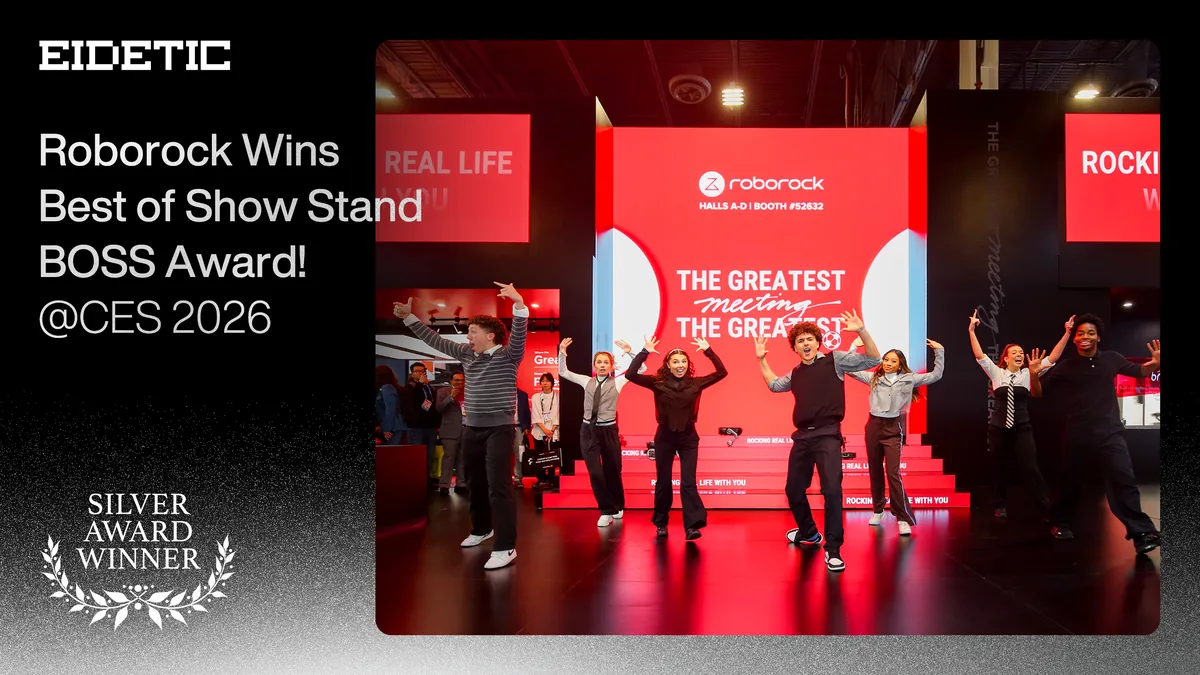
CES 2026 BOSS Award Top 10
- 1. Waymo
- 2. LG Electronics
- 3. Doosan
- 4. Brunswick Corporation
- 5. Panasonic
- 6. Oshkosh Corporation
- 7. Roborock
- 8. Clarios
- 9. TCL Corporation
- 10. John Deere
How Roborock Turned CES Booth Design into a Brand Experience
Technology brands often arrive at CES with strong products, detailed specifications, and ambitious launch plans. The greater challenge is translating that technical value into an experience visitors can understand within seconds.
A visually impressive booth is not necessarily an effective one. Large LED displays may attract attention without explaining why a product matters, while dense product displays can demonstrate range without establishing a clear brand position.
Roborock’s CES 2026 exhibit approached this challenge differently. Rather than presenting the booth as a collection of product stations, the experience positioned Roborock as an advanced robotics and lifestyle technology brand. Residential environments, live product demonstrations, interactive activities, performance programming, and branded digital content worked together within one spatial narrative.
The technology was not simply described; it was placed in situations that made its value immediately clear. The BOSS Award recognition reflected how effectively the exhibit turned advanced engineering into a cohesive and memorable brand experience.
Watch the Roborock CES 2026 Performance
Lesson 1: Make Every Square Foot Count.
Large CES exhibits naturally create visibility. Global corporations can use monumental structures, suspended signage, large-format media, and expansive product zones to establish an immediate sense of scale. Roborock’s approximately 495-square-meter exhibit, or roughly 5,330 square feet, was substantial. However, it was not a mega-scale environment compared with the largest corporate exhibits at CES.
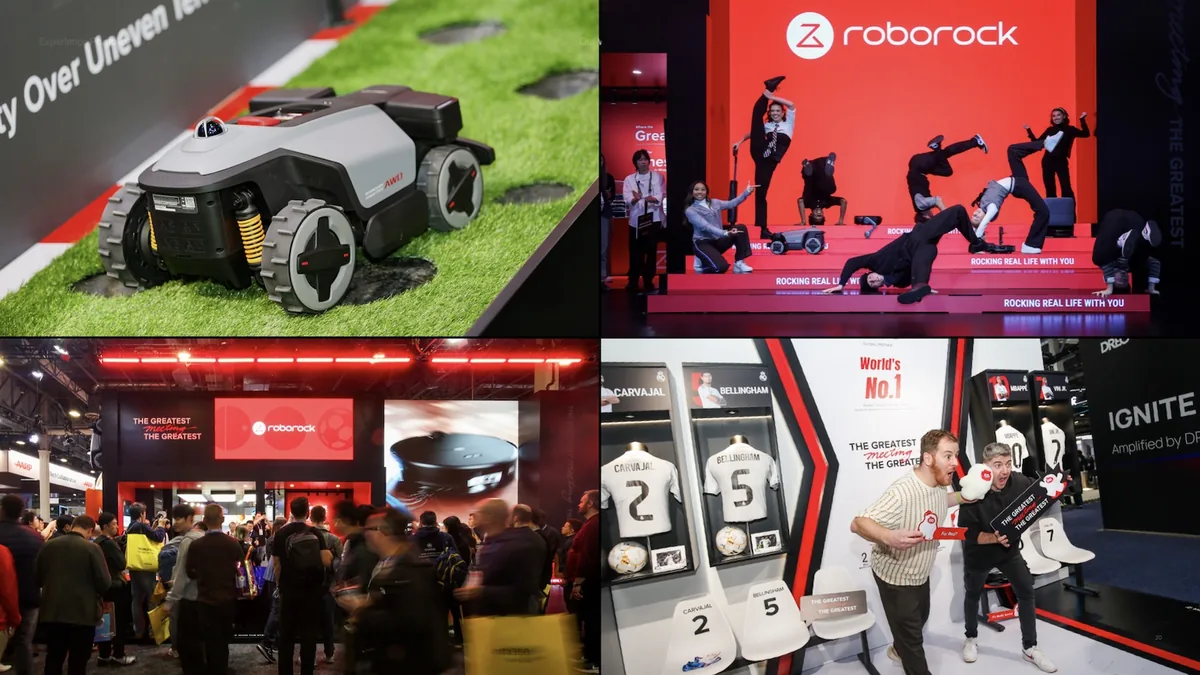
Its advantage came from how intentionally every part of the footprint was used. Residential settings placed product demonstrations in a recognizable context. Live stages created scheduled moments that drew visitors throughout the day. Interactive activities encouraged participation, while LED content connected the different zones through one consistent visual identity. Every major area served a clear purpose. The booth was organized around the visitor journey, not simply divided by product category.
For exhibitors working within a limited footprint, a smaller space with a clear visitor journey can create a stronger impression than a larger booth filled with disconnected displays. Before increasing booth size, exhibitors should first determine whether each zone supports the central brand message. More space does not automatically create more impact. It can also lead to longer walking distances, weaker focal points, and greater operational complexity.
Lesson 2: Let the Product Prove Itself.
Complex technology is difficult to communicate on a crowded show floor. Visitors rarely stop to read lengthy technical explanations when thousands of other products are competing for their attention. The most effective CES demonstrations turn a technical capability into one clear, visible moment.
One of Roborock’s main demonstrations involved a robot vacuum approaching a 20-centimeter step. Instead of stopping at the obstacle, the machine extended its mechanical legs and climbed the step. The demonstration turned a complex engineering feature into something visitors could understand immediately.
Rather than comparing specifications or listening to a detailed explanation, visitors could simply watch the product overcome a familiar physical limitation. The technology became visible proof, not just another claim on a display panel.
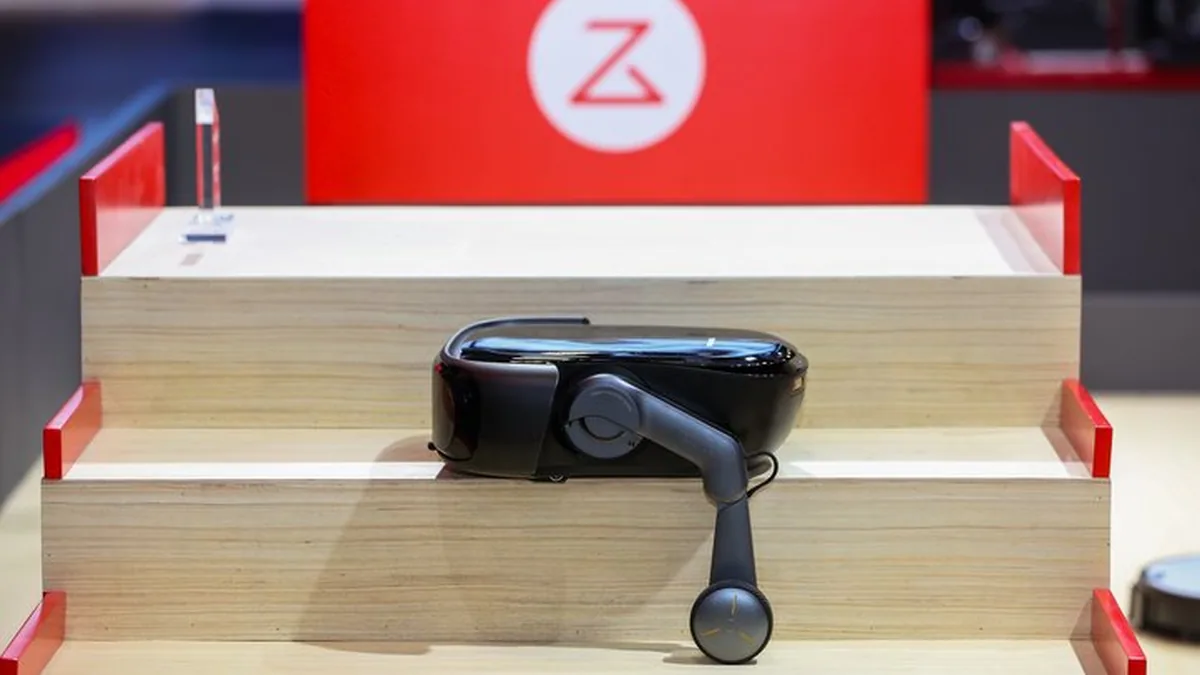
This is the difference between displaying a product and designing an experience around it. The technology becomes a clear, memorable moment rather than another specification on the show floor.
Elsewhere in the booth, visitors could explore robotic lawnmower demonstrations, take part in soccer-themed activities connected to Roborock’s Real Madrid partnership, and examine product controls and design details. Each activation followed the same principle: make the technology tangible and easy to understand.
For exhibitors, the takeaway is simple: identify the product capability that is hardest to explain, then design an experience that shows it clearly.
Lesson 3: Align Strategy and Execution.
A strong creative concept can lose its impact when strategy and execution are separated. For Roborock, the live demonstrations were not added after the booth had already been designed. Instead, they shaped the layout, stage planning, visitor circulation, technical production, and content requirements from the beginning. One team carried the same strategic direction from concept through installation.
This level of integration is especially important for international exhibitors entering the United States. Even brands with strong internal marketing teams may be unfamiliar with U.S. production practices, union labor, rigging, material handling, and LVCC exhibitor services.
The right partner should understand both brand strategy and local show-site execution. That continuity helps protect the original concept throughout engineering, fabrication, installation, and on-site operations.
A Practical CES Booth Design Framework
Before beginning the 3D design process, exhibitors should answer five questions.
1. What Must Visitors Understand?
Choose one central message that explains how the brand or product is different. Visitors should be able to understand the core idea without reading every wall graphic or visiting every product station.
2. What Product Capability Proves It?
Identify the product demonstration, interaction, or comparison that provides visible evidence. The strongest CES exhibits show a product solving a recognizable problem.
3. What Should Visitors Do?
Decide whether visitors should watch, test, compete, compare, register, scan, meet with a representative, or share content. Each activity should support a communication or business objective.
4. How Will the Experience Work at Peak Traffic?
A concept that works in a presentation may fail during show hours. Planning must account for queue management, demonstration timing, staff movement, storage, accessibility, lead capture, meeting spaces, and visitor circulation.
5. Who Owns the Final Experience?
Clarify who is responsible for protecting the original strategy through design development, engineering, exhibit fabrication, installation, and on-site operations. Without clear ownership, individual vendors may complete their assignments successfully while the overall visitor experience becomes inconsistent.


Floor space, fabrication, union labor, rigging, freight, material handling, and exhibitor services all affect the final budget. Get an initial planning range before committing to a design.
What to Look for in a CES Booth Partner
The right CES booth partner depends on how much of the strategy and execution is already in place.
An exhibit contractor may be the right choice when the brand already has a complete concept, technical drawings, and an internal team managing the visitor experience.
When the visitor journey, product demonstrations, stage programming, or activation strategy still need to be developed, an experiential marketing agency can provide the strategic and creative direction.
For a complex international launch, an integrated partner can connect experience strategy with U.S. production and show-site execution.
For Roborock, EIDETIC supported the project across:
- ✔️ CES exhibit strategy and creative development
- ✔️ Attendee journey mapping and spatial storytelling
- ✔️ Booth design, fabrication, and installation
- ✔️ Product demonstration and stage production
- ✔️ Promotional content and staff coordination
- ✔️ On-site supervision and show-floor execution
Because these elements were planned together, the architecture, demonstrations, digital content, and live programming reinforced the same brand story.
The recognition was not simply about how the exhibit looked. It recognized how effectively the environment transformed Roborock’s technology into an experience that visitors could see, understand, and remember.
FAQ for CES Exhibitors
An effective CES booth design connects a clear brand message with visible product demonstrations, visitor participation, spatial storytelling, and practical show-site operations. Every major zone should support a specific communication or business objective.
CES booth costs vary depending on booth size, fabrication, union labor, rigging, freight, material handling, and exhibitor services. Enter your planned booth size in EIDETIC’s Booth Cost Estimator to receive an initial cost range for space rental, construction, and on-site operations before committing to a design.
A live demonstration turns a technical feature into visible proof. It helps visitors understand a complex product quickly and creates a memorable moment that can generate conversations, media coverage, and social sharing.
Strategy, experience design, fabrication, product demonstrations, installation, and on-site management, all connected through one team from concept to show-floor execution.