Why Do Companies Rebrand? Positive vs. Responsive Rebranding
October 25, 2024
Why Do Companies Rebrand?
by Asia Brand Agency
Before we dive into the details, we’re excited to share that our rebranding project has been featured in the Branding category of Behance’s Graphic Design gallery. As a branding and design agency, this recognition is a true honor. We saw it as the perfect chance to reflect on our rebranding journey. It also gave us the opportunity to share our experiences of rebranding our own company.
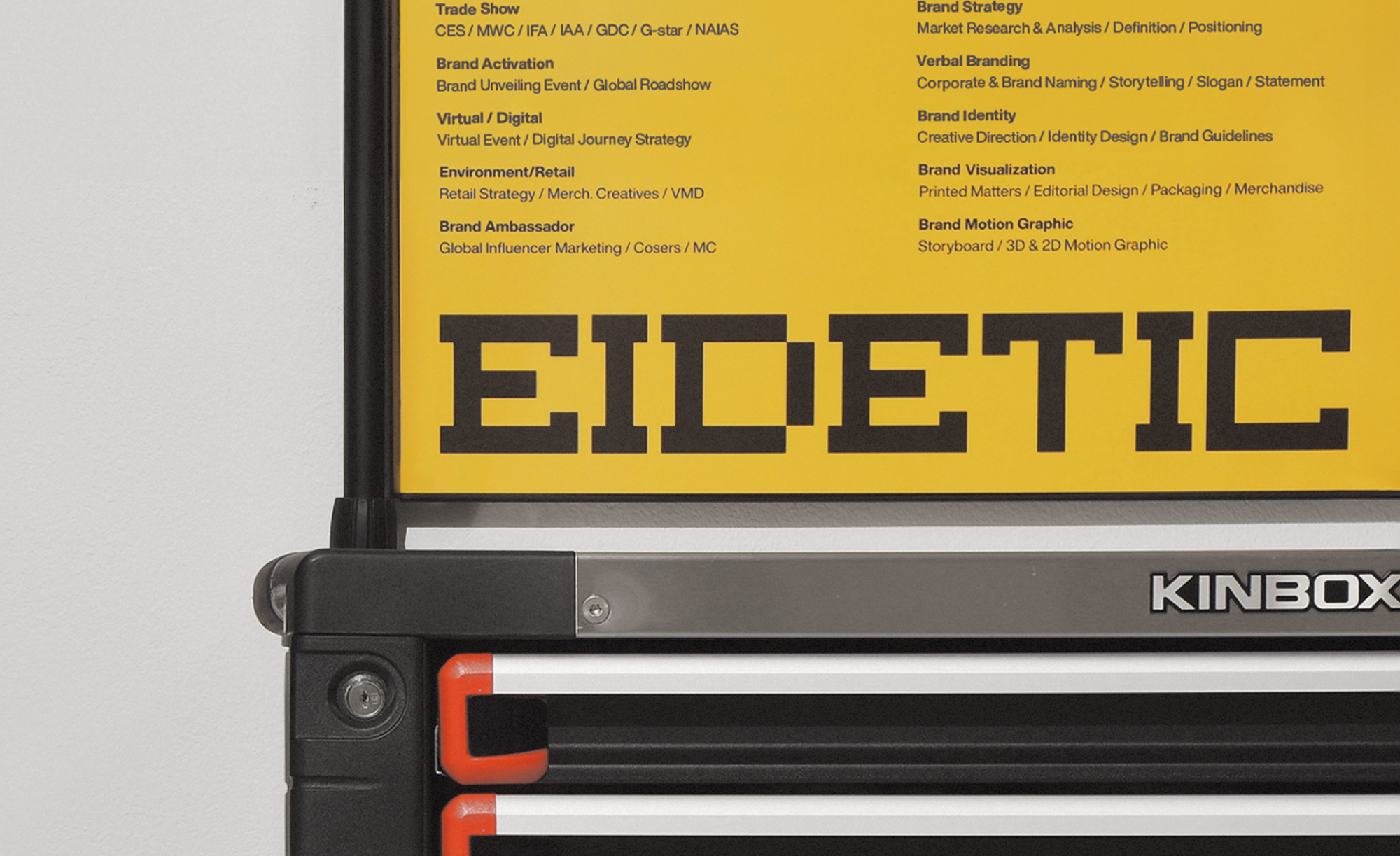
Reinventing Ourselves After a Decade of Branding Expertise
In celebration of its 10th anniversary in 2023, Eidetic Marketing took a moment to reflect on both its past successes and its future direction. The key question, “How can we shape the future?” sparked a journey of self-reinvention, pushing us to redefine our own identity, despite years of expertise in branding for a distinguished client base.
As experts who have helped countless reputable companies build their brands, rebranding ourselves felt a bit like the cobbler’s children having no shoes—ironic, but challenging. We faced the risk of overthinking or being overly cautious. We’ve built a decade of experience, marked by both triumphs and challenges. This journey helped us realize how crucial rebranding was for us. The process allowed us to view our brand with fresh eyes. We uncovered layers that needed both understanding and growth.
Why Companies Rebrand: The Quest for a New Identity
Many companies decide to rebrand for a variety of reasons. Some undergo a complete transformation, while others make subtle changes that might go unnoticed. Even small tweaks to logos or messaging can spark significant public reaction, showing how complex and challenging rebranding can be. But what drives companies to take this step?
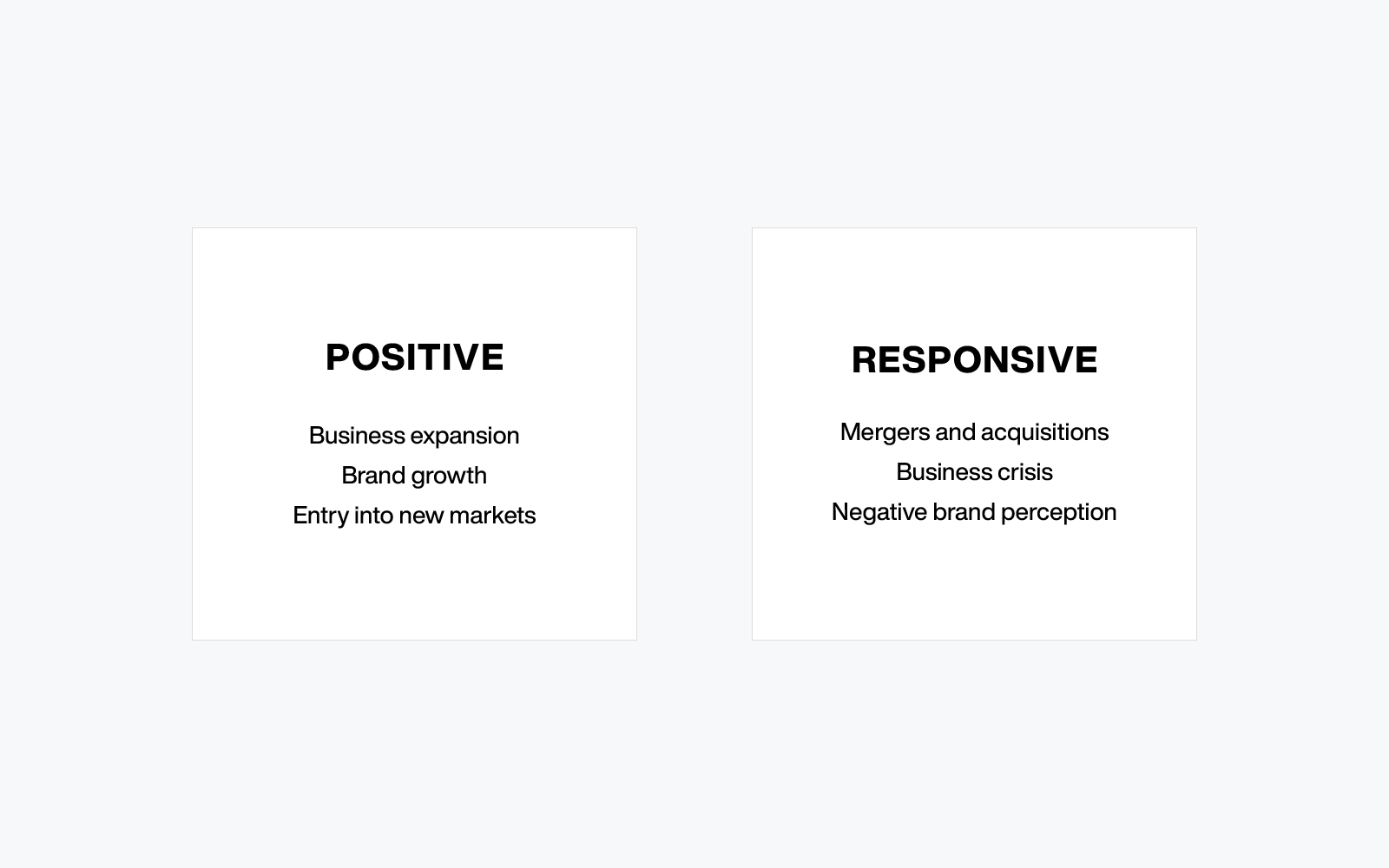
Positive vs. Responsive Rebranding
There are two main motivations for rebranding: positive and responsive. Positive rebranding happens when a company is thriving and wants to expand or enter new markets. Responsive rebranding, on the other hand, is often necessary when a company experiences mergers, acquisitions, or needs to recover from a crisis.
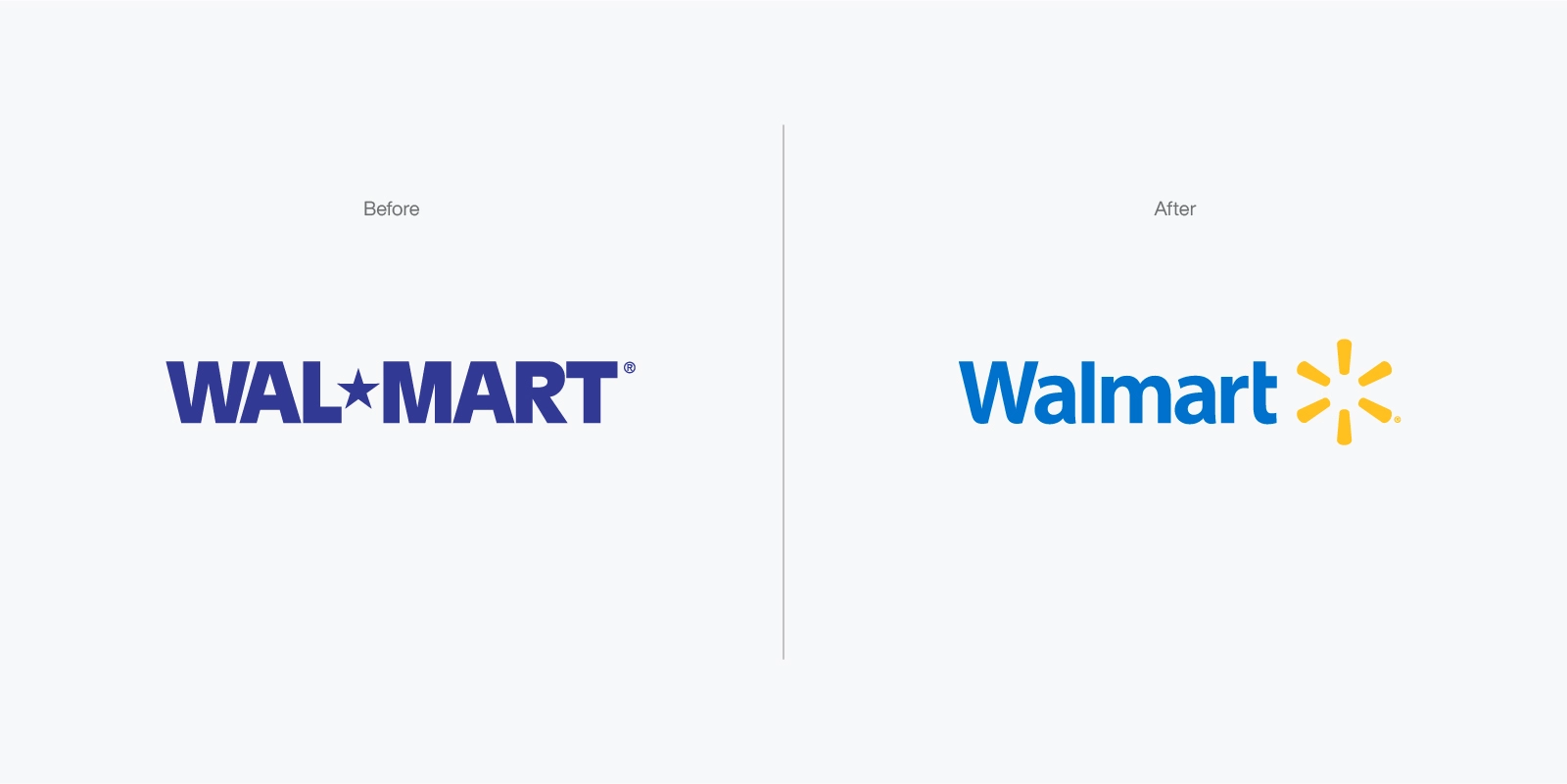
Walmart
Walmart provides an example of successful positive rebranding. Walmart, guided by Lipincott, introduced its famous Spark logo. They also updated their slogan from “Always low prices” to “Save money. Live better.” These changes were designed to reflect a more lifestyle-oriented brand.
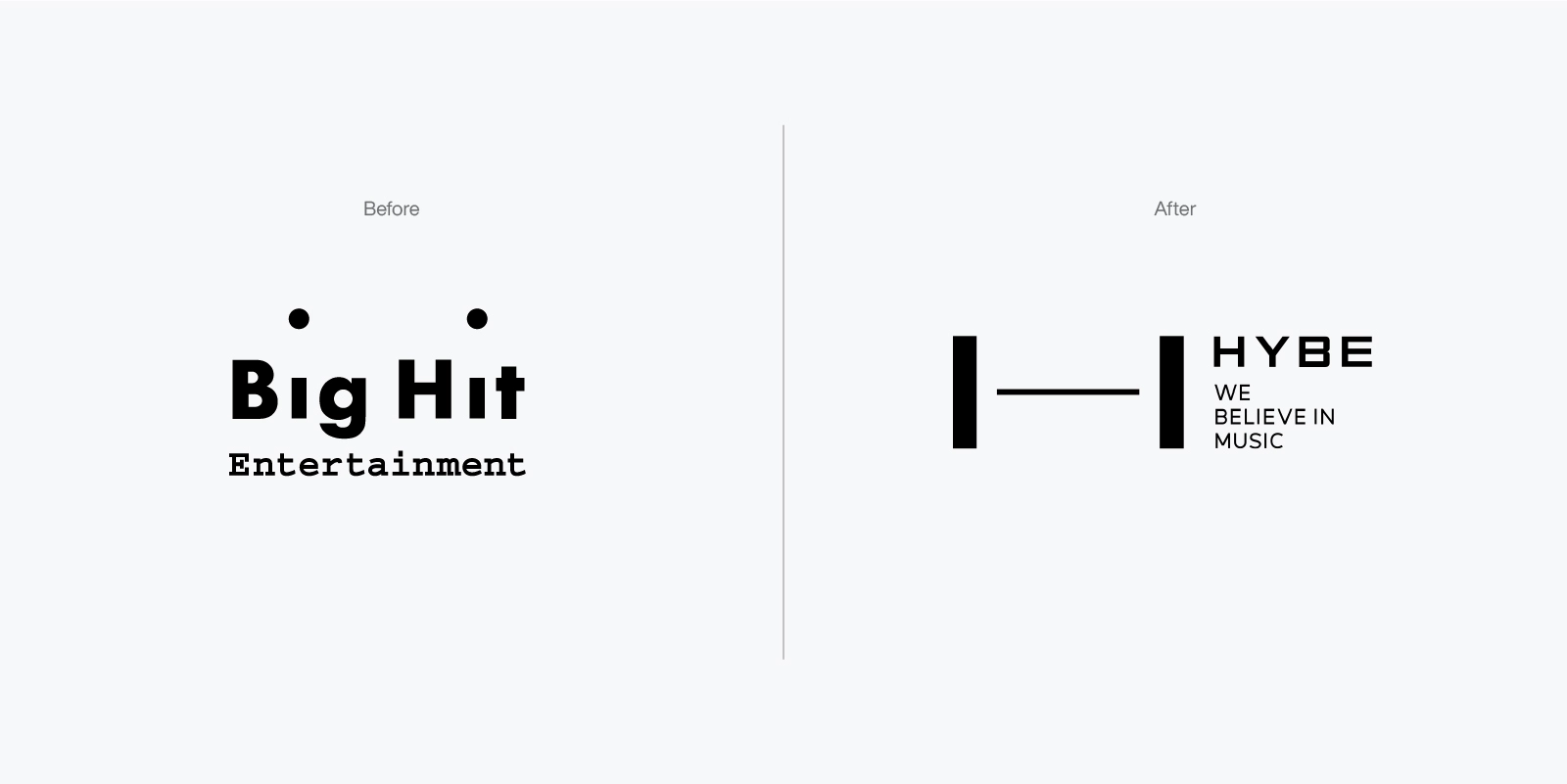
HYBE
In contrast, responsive rebranding comes into play when a company faces significant structural changes, such as mergers or crises. A prime example is Big Hit Entertainment’s transformation into HYBE. Originally known for managing BTS, HYBE expanded its scope by acquiring various entities across gaming and entertainment to become a comprehensive content platform. This shift demonstrated their ambition to diversify beyond music into new areas.
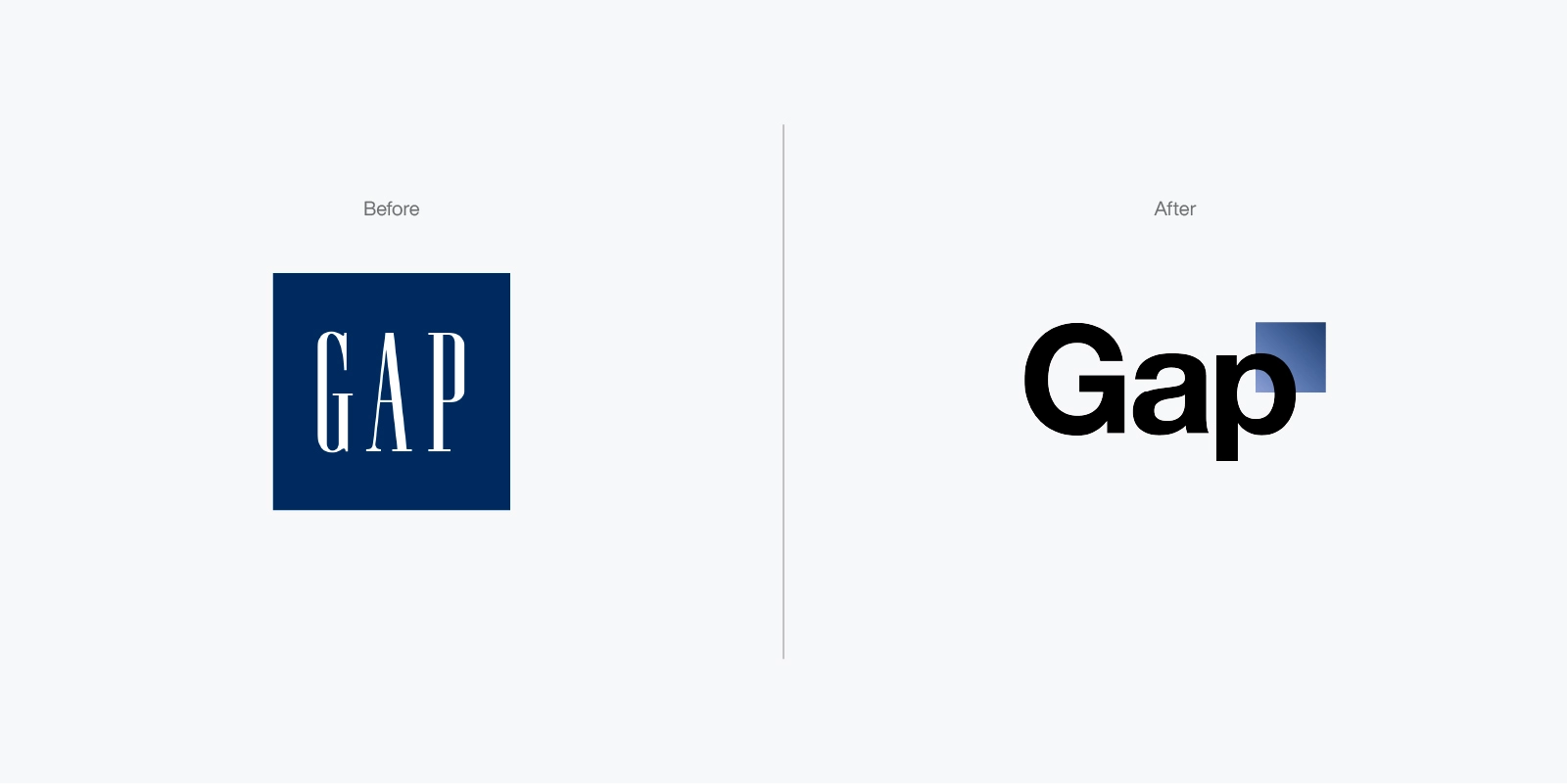
GAP & Tropicana
However, not all rebranding efforts are met with success. GAP’s failed logo redesign in 2010 is a well-known cautionary tale. Many people felt that the new logo lacked the brand’s iconic appeal and didn’t resonate with GAP’s identity, leading the company to revert to its original logo within just a week.
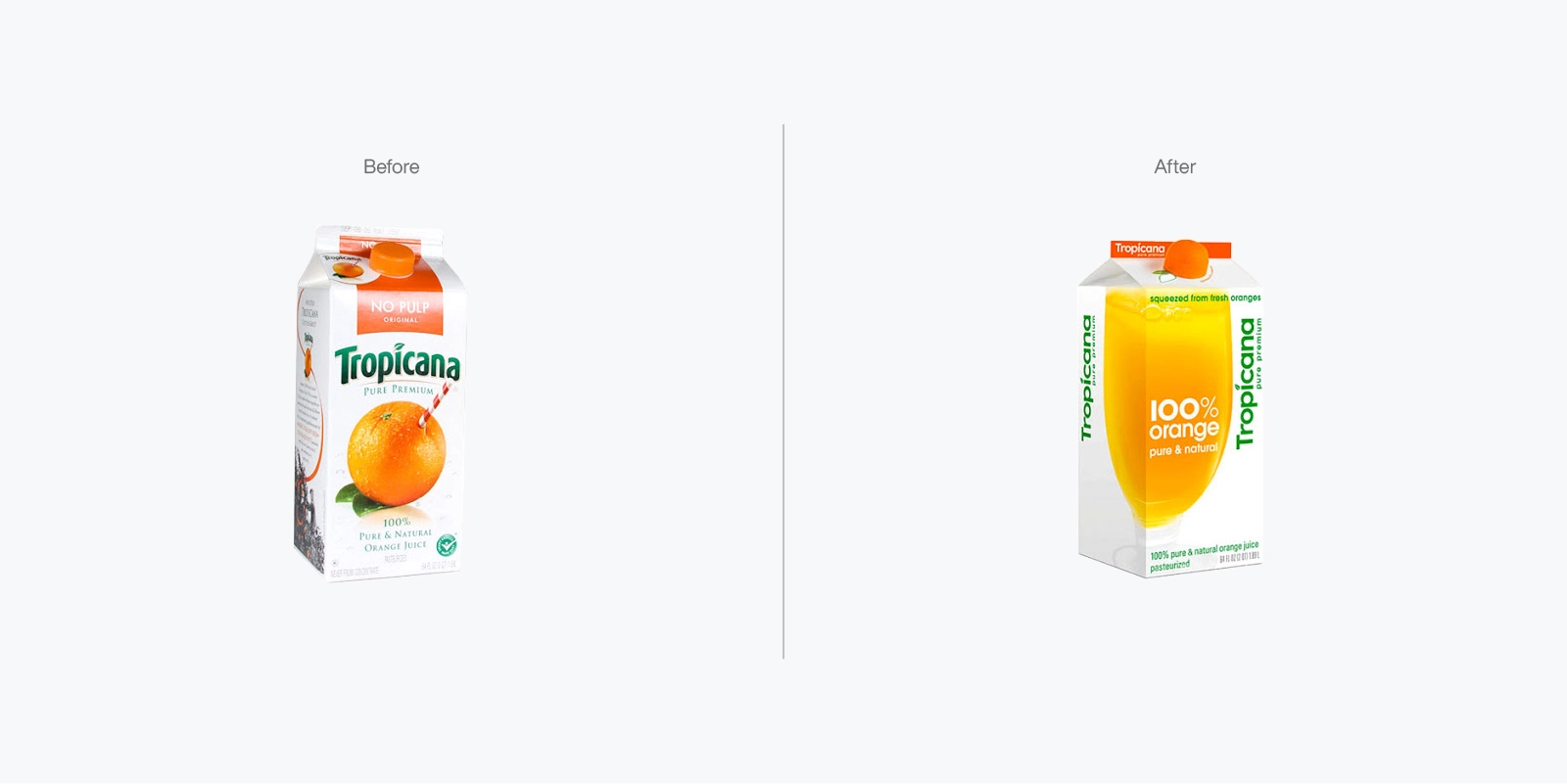
Tropicana’s packaging disaster in 2009 is another example, where the company’s drastic redesign of its juice cartons led to consumer confusion and a significant decline in sales. Both show how rebranding missteps—whether due to poor design or failing to communicate changes—can alienate loyal customers.. In just two months, Tropicana experienced a $30 million loss, forcing them to revert to their original design. The takeaway here is that visuals play a powerful role in how customers connect with a brand, and removing familiar elements can have unintended consequences.
After reflecting on why companies rebrand, from Walmart’s positive approach to GAP and Tropicana’s missteps, we realized that rebranding is more than just a visual makeover. It’s about growth, evolution, and staying relevant in an ever-changing market. For Eidetic, this brand renewal journey was not only about refining our identity but also about preparing for the next phase of our story.
And with that, we were ready for a new chapter—one that would take our company to new heights.