



CES 2027 Exhibitor Guide: How to Exhibit in Las Vegas
October 6, 2026
CES 2027 Exhibitor Guide: How to Exhibit in Las Vegas
CES 2027 will take place in Las Vegas from January 6–9. The scale alone makes CES different from most technology exhibitions: CES 2026 brought together more than 4,100 exhibitors and 148,000 attendees across 2.6 million net square feet of exhibit space.
The audience is also distinctly business-focused. CES is a trade-only event for professionals aged 18 and over who are affiliated with the consumer technology industry. According to CES 2026 attendance data, 52% of attendees were senior-level executives, while more than 65% had significant influence over buying decisions.
For exhibitors, securing space is only the beginning. This CES exhibitor guide covers the decisions that come next, from choosing the right campus and exhibit format to booth design, show services, freight, transportation, meetings, and on-site operations.
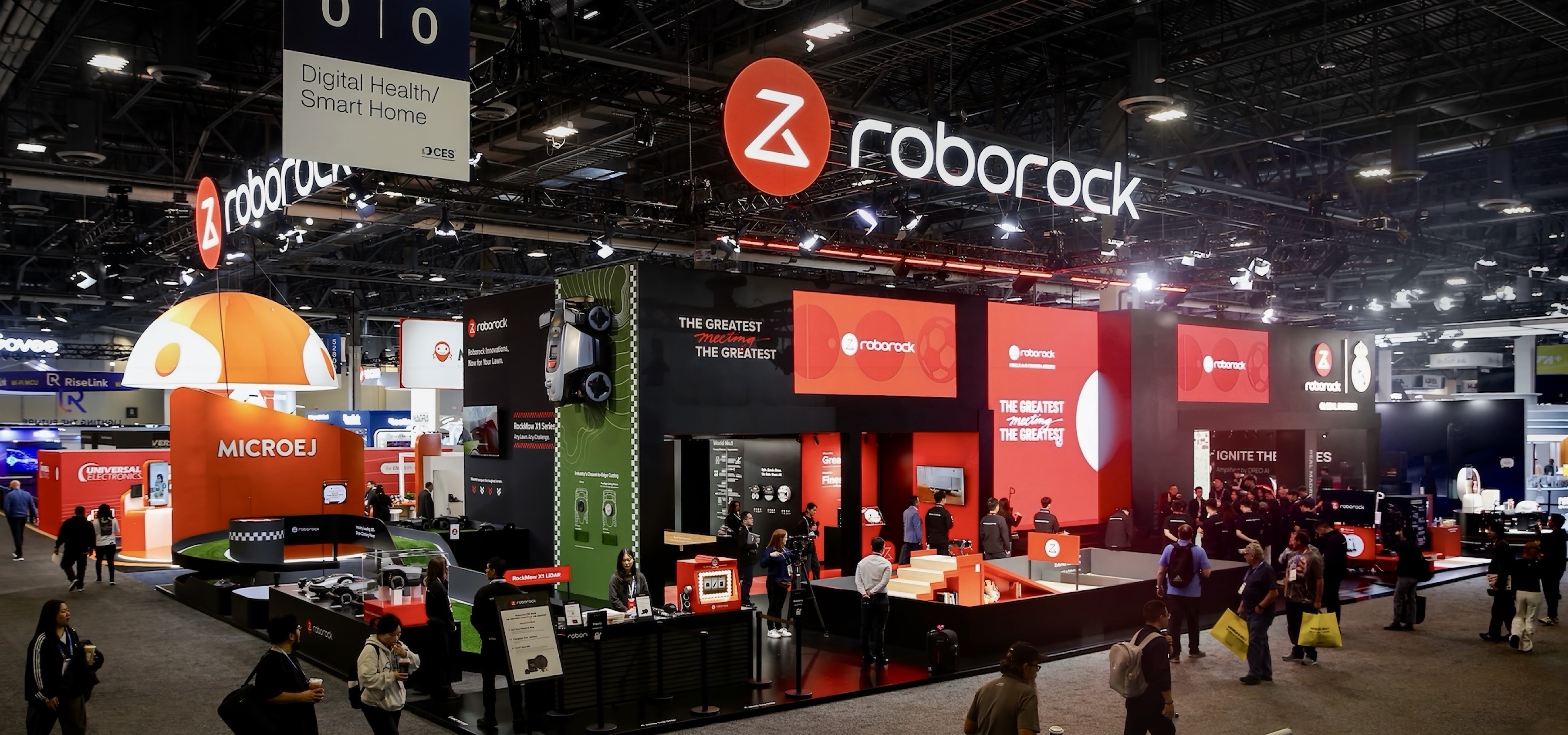
CES 2027 at a Glance
CES brings together established technology companies, startups, buyers, executives, investors, media, and industry professionals from around the world.
| CES 2027 | Details |
|---|---|
| Location | Las Vegas, Nevada |
| Exhibit Dates | January 6–9, 2027 |
| Main Campuses | LVCC, Venetian, C Space |
| Official Venues | 12 |
| Audience | Trade-only, 18+ |
For the latest show schedule, check the official CES Dates and Hours.
The scale matters, but the audience profile matters just as much. CES is not primarily about attracting general consumer foot traffic. Exhibitors are operating in an environment built around product launches, business development, media exposure, partnerships, investment, and buying decisions.
CES Campuses & Exhibit Formats
Unlike a conventional trade show held in a single venue, CES 2027 is spread across 12 official venues grouped into three main campuses: LVCC, Venetian, and C Space.
That makes location planning more complex than simply choosing a high-traffic booth position. Product category, target audience, meeting requirements, exhibit format, and business objective all influence where a company should establish its presence.
Use the official CES Maps and Locations to review the current campus structure and floor plans.
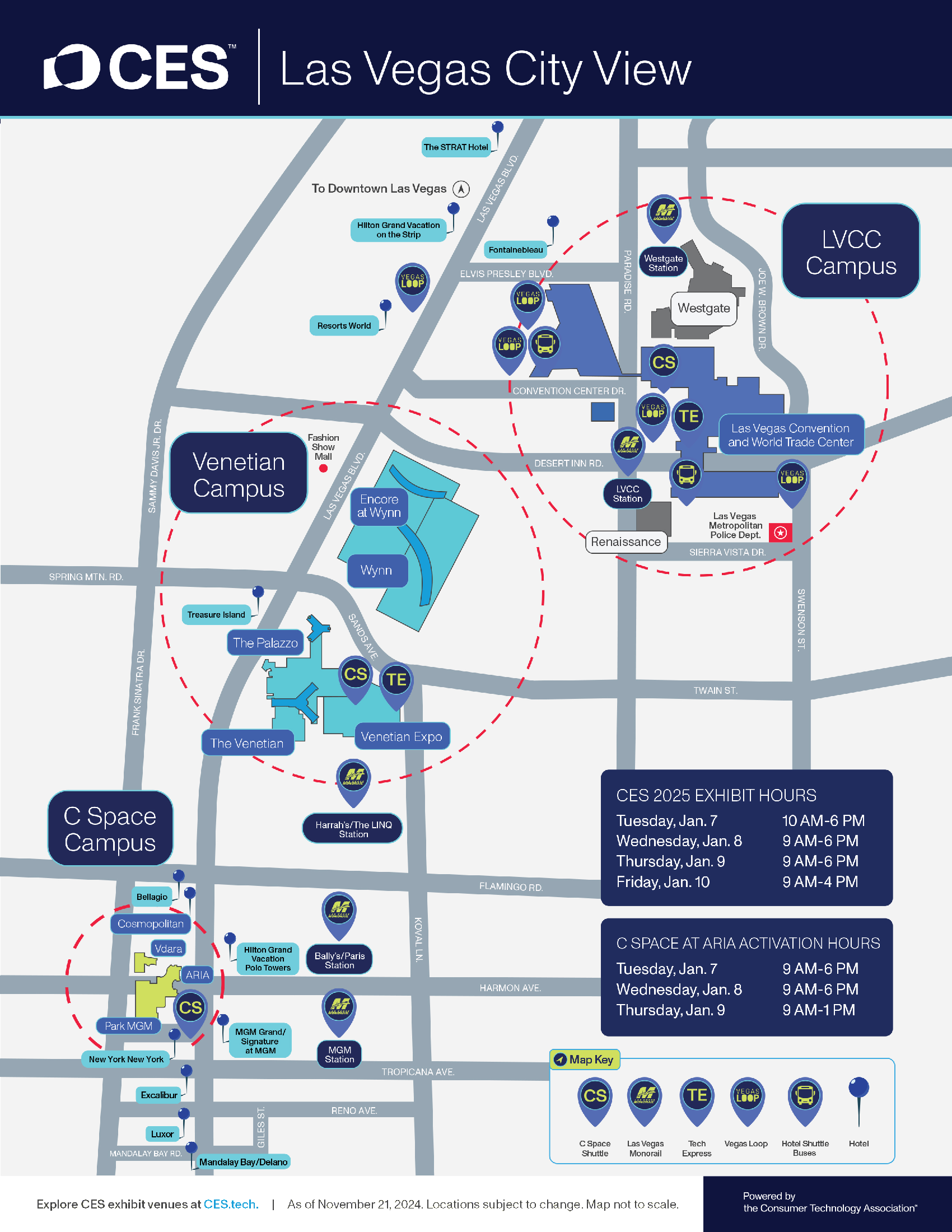
LVCC Campus
The Las Vegas Convention Center is the largest CES campus and accommodates a broad range of technology categories and major custom exhibits.
For brands planning large product demonstrations, hero installations, mobility experiences, or high-volume visitor programs, booth planning needs to account for more than visibility. Entrance flow, neighboring exhibitors, demo capacity, meeting requirements, freight access, and visitor circulation can all affect how well a location works.
Venetian Campus
The Venetian Campus combines exhibition space with hotel and meeting environments. It is also home to Eureka Park, CES’s startup destination.
For exhibitors, the campus can support a mix of product discovery, startup exposure, networking, meetings, and hospitality.
C Space Campus
C Space brings together advertising, entertainment, content, media, platforms, and related technologies.
For companies using CES primarily for partnerships, media relationships, advertising technology, or senior-level business conversations, the right CES presence may look different from a conventional large show-floor booth.
Booth, Suite, or Meeting Space?
A large custom booth is not the only way to participate at CES.
Depending on the objective, a company may combine show-floor exhibit space with meeting rooms, exhibit suites, hospitality suites, or other private environments.
A product launch that depends on demonstrations and media visibility may need a strong public-facing exhibit. A B2B company focused on partnerships may place more emphasis on private meetings.
CES provides current exhibit options through its official Exhibit Space guide and separate information on meeting and hospitality spaces.
The more useful planning question is not simply, “Where is the busiest CES hall?”
It is: “Where will the audience we need to reach already be spending their time, and what type of space best supports the conversations we want to have?”
CES Preparation Timeline
CES projects do not all follow the same schedule, and these phases often overlap. Based on EIDETIC’s experience, the planning cycle typically becomes most active from June through the final months before the show.
Planning and Agency Selection
- Send RFPs and select an exhibition or experiential marketing agency.
- Define exhibit objectives, target audiences, priority products, and an approximate budget.
- Confirm the assigned campus, venue, exhibit space, and booth requirements.
- Establish the initial booth zoning and creative direction.
- Identify product demonstrations, meeting areas, media needs, hospitality, and visitor experiences.
- Flag major AV, rigging, engineering, or technical requirements early.
- Begin hotel and travel planning for larger project teams.
Very large CES exhibits may begin agency selection as early as June because concept development, engineering, and production require a longer lead time. For many exhibitors, however, RFP activity becomes more concentrated around August.
Design Development and Production
- Finalize booth zoning, visitor flow, and the overall design direction.
- Develop product demonstration environments and interactive experiences.
- Confirm meeting, media, hospitality, and VIP areas.
- Engineer suspended structures, large installations, and technical features.
- Produce graphics, video, interactive content, and other digital media.
- Plan queue management, visitor capacity, storage, and staff circulation.
- Coordinate fabrication, freight, AV, and technical schedules.
- Review exhibitor service requirements and major order deadlines.
Design and operations should be developed together. Large LED installations affect electrical and AV requirements, suspended structures create rigging and engineering needs, and live demonstrations can change power, internet, staffing, visitor capacity, and the floor plan itself.
Final Production and Operations
- Complete booth fabrication and final content production.
- Place and confirm exhibitor service orders.
- Finalize freight, warehouse, and move-in schedules.
- Complete exhibitor personnel registration and badge planning.
- Finalize product demonstrations and technical rehearsals.
- Confirm staffing plans, lead retrieval, and operating procedures.
- Finalize client meetings, media schedules, and hospitality plans.
- Confirm hotels, transportation, and on-site team logistics.
- Prepare contingency plans for shipping, technical, staffing, or installation issues.
By this stage, the project shifts from design decisions to execution.
CES publishes separate exhibitor manuals for different official venues. Once your venue is confirmed, use the relevant manual as the primary reference for service orders, freight, rules, and move-in requirements.
Check the official CES Exhibitor Manuals for the latest requirements for your assigned venue.
CES Booth Planning
Technology brands often arrive at CES with complex products, detailed specifications, and several messages competing for attention.
The booth needs to simplify that information.
Visitors moving through a crowded exhibition hall should be able to understand what the brand offers, why the product matters, and what they can experience next without reading every wall graphic or speaking to a representative first.
Start With One Clear Story
A booth may contain multiple product categories, but the overall experience still needs a hierarchy.
Architecture, graphics, demonstrations, digital content, staff interactions, and activities should reinforce the same central story instead of functioning as separate displays.
A visitor may only have a few seconds to decide whether to stop. The booth therefore needs to communicate its primary idea from the aisle before asking visitors to engage with more detailed product information.
Let the Product Prove Itself
CES visitors come specifically to discover technology.
For many products, a visible demonstration can communicate technical value more quickly than another specification panel.
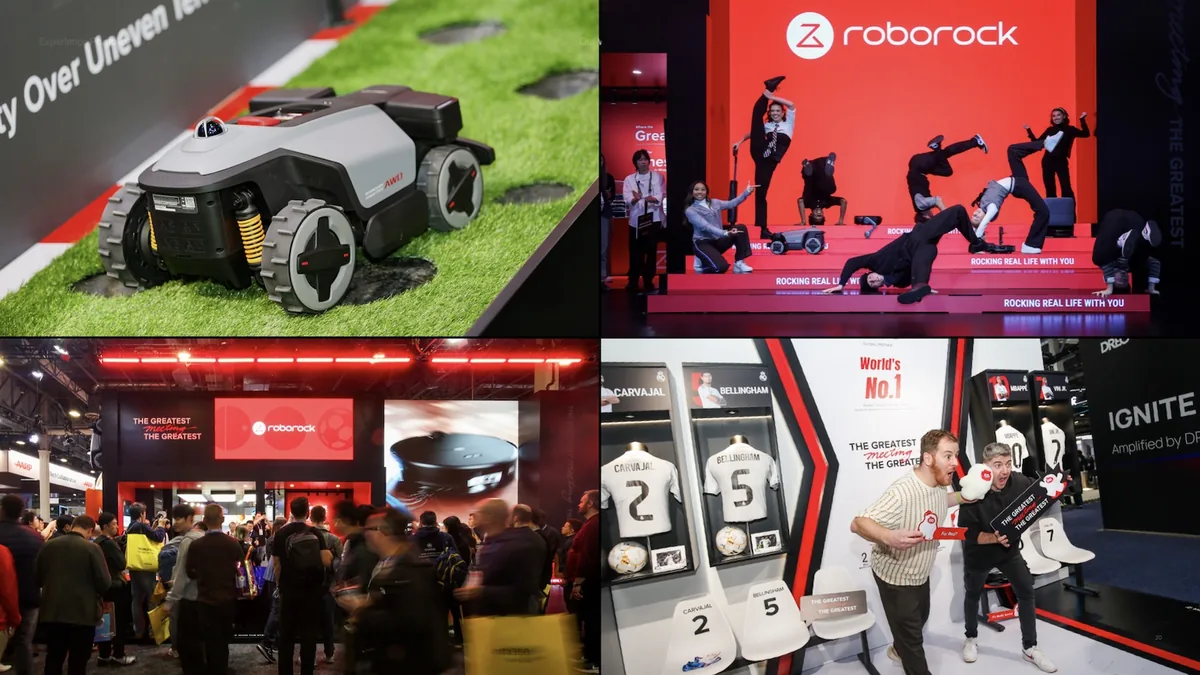
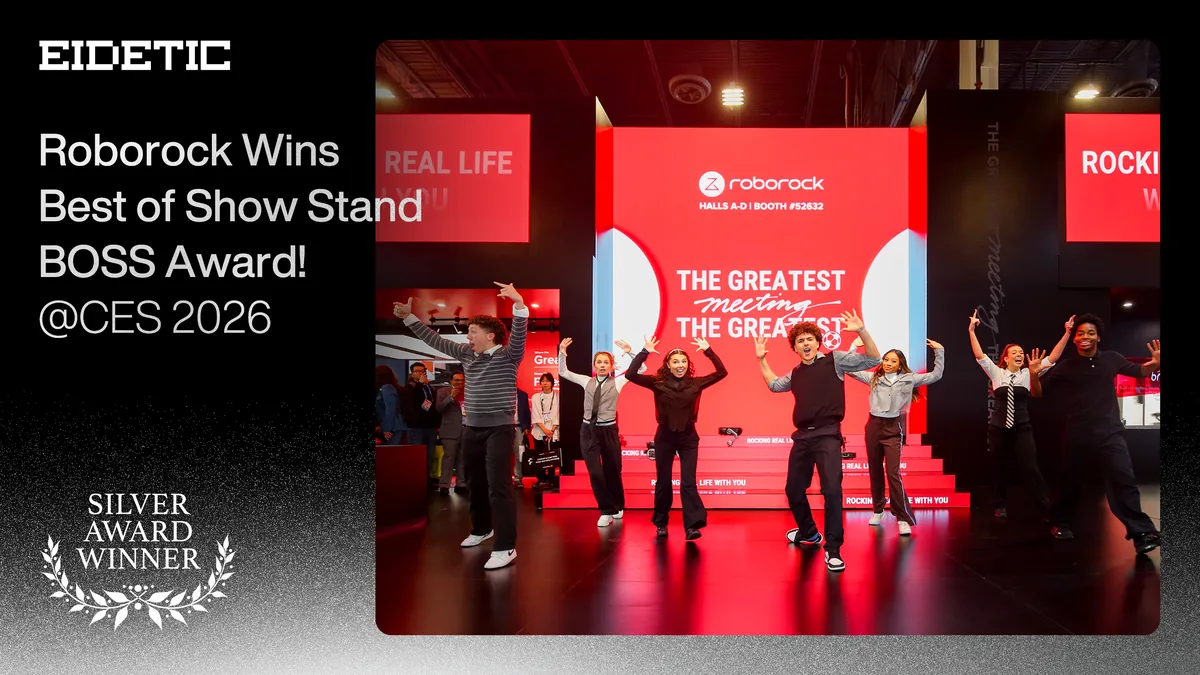
At CES 2026, Roborock used residential environments, live robotics demonstrations, interactive experiences, and performance programming to make advanced product capabilities understandable in real-world situations.
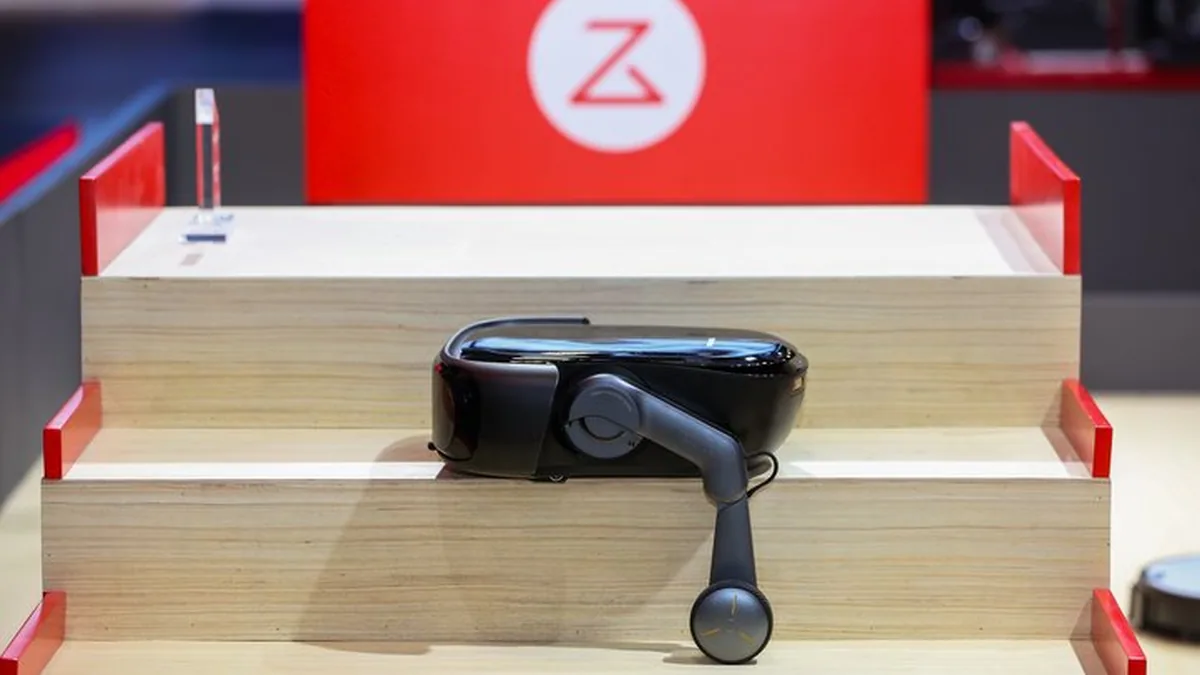
One demonstration showed a robotic vacuum approaching a step and physically climbing it. Instead of asking visitors to interpret the engineering from specifications alone, the exhibit turned the technical capability into visible proof.
For a deeper look at product demonstrations, visitor journeys, spatial planning, and peak-traffic operations, see CES Booth Design: 3 Lessons from Roborock’s Award-Winning Exhibit.
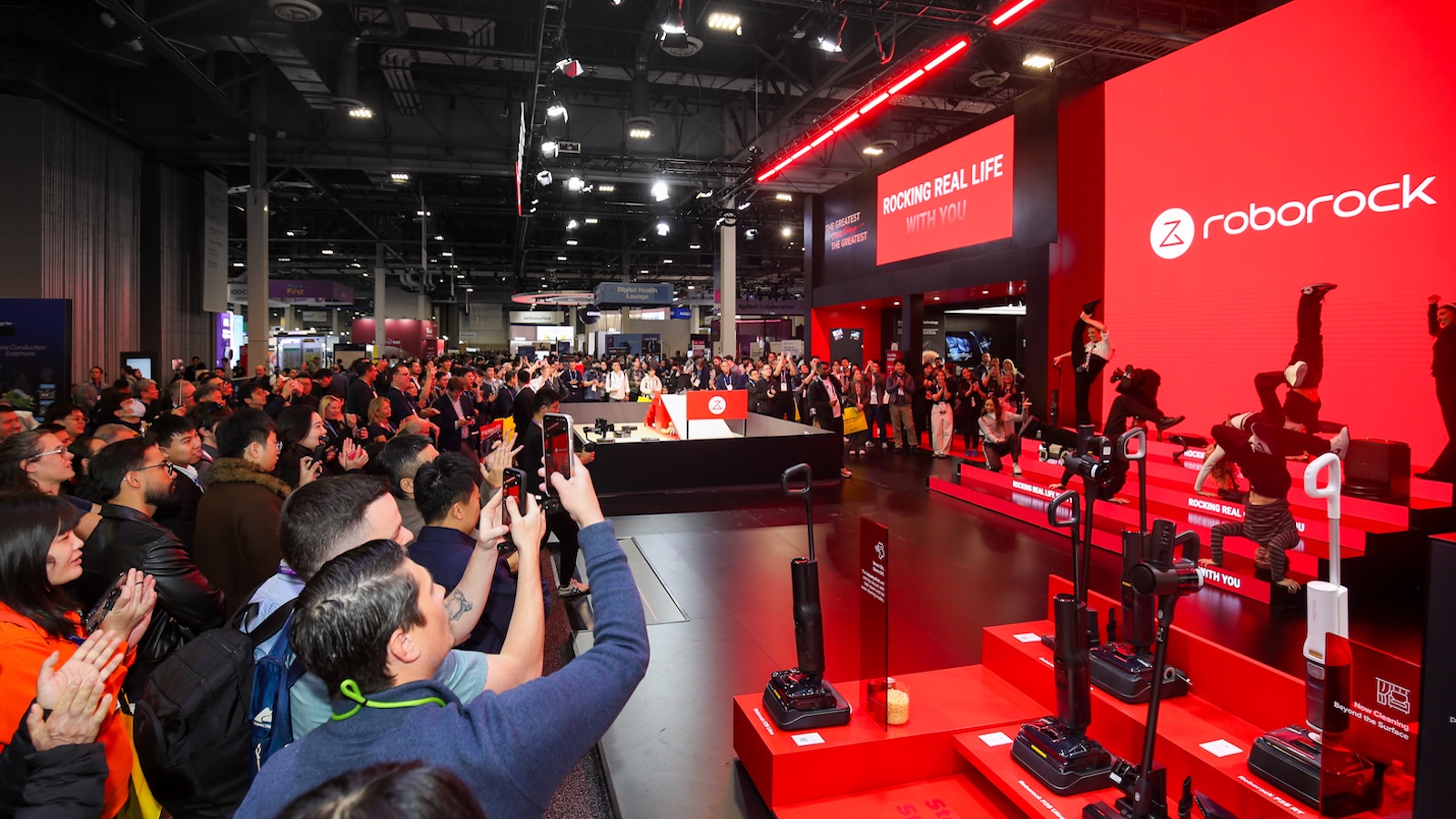
Plan for Peak Traffic
A booth that works in a design presentation can behave very differently once visitors, staff, clients, media, and demonstrations occupy the space at the same time.
Before finalizing the floor plan, test the experience against actual operating conditions.
- 1. How many visitors can each demonstration handle?
- 2. Where will queues form, and how will they affect visitor flow?
- 3. Can staff, meetings, and demonstrations operate without interfering with one another?
- 4. Can the booth maintain the same experience during peak traffic?
These problems are significantly easier to solve during design than during installation.
Show Services & Budget
For international exhibitors unfamiliar with U.S. trade shows, exhibitor services can be one of the least familiar parts of CES planning. Electricity, internet, labor, rigging, material handling, AV, cleaning, and other services can materially change the final budget. These requirements should be considered while the booth is still being designed.
| Booth Decision | Potential Show-Site Impact |
|---|---|
| Suspended signage | Rigging and engineering |
| Heavy booth construction | Freight, material handling, and labor |
| Live product demonstrations | Electricity, internet, and technical support |
| Large LED installations | AV, power, and installation labor |
| Late design changes | Additional show-site labor and service orders |
A lower fabrication quote does not necessarily mean a lower final CES budget if the design creates expensive show-site requirements.
Our CES Show Service Guide for Exhibitors covers electricity, internet, labor, rigging, material handling, advance warehouse delivery, and other U.S. show-site considerations in more detail.
What Will Your CES Booth Really Cost?
Floor space, fabrication, labor, rigging, freight, material handling, exhibitor services, AV, staffing, and travel all affect the final budget.
Use EIDETIC’s Booth Cost Estimator to establish an initial planning range before committing to a design.
Freight & On-Site Operations
Product & Freight Logistics
Freight planning is especially important at CES, where exhibits often include high-value or sensitive products such as robots, semiconductor prototypes, and specialized demonstration equipment.
Some exhibitors manage product shipping directly, while others coordinate it through their agency. In either case, high-value equipment may require specialized logistics providers, particularly when damage, loss, or delivery delays could create significant replacement costs or disrupt a planned demonstration.
Shipping, customs clearance where applicable, local delivery, installation, product setup, and technical testing should therefore be planned alongside production. Venue-specific freight and move-in requirements can be confirmed through the relevant CES Exhibitor Manual.
On-Site Operations
On-site planning should cover reliable internet access, staff training, VIP schedules, product demonstration supplies, catering, and daily booth operations. Connectivity deserves particular attention at CES, where heavy show-floor traffic can make shared or public Wi-Fi unreliable. Critical demonstrations and lead-capture systems should have appropriate connectivity and backup options in place.
Hospitality also requires advance planning. Catering may need to be arranged ahead of time, group meal orders coordinated in advance, and off-site restaurants reserved during busy show periods. Product specialists and brand ambassadors should receive training before the show so they can explain products accurately and handle visitor questions consistently.
Even with careful preparation, unexpected issues can arise once the show opens. This is where an experienced agency can make a significant difference. EIDETIC conducts advance research, risk simulations, and rehearsals to anticipate potential issues and prepare response plans before the team arrives on-site.
Hotels, Transportation & Meetings
CES activity is spread across multiple venues, hotels, meeting spaces, and hospitality locations throughout Las Vegas. Where you stay can therefore affect daily travel time, meeting schedules, and how easily your team moves between the show floor and other CES activities.
Choose a Hotel Around Your CES Schedule
Staying within walking distance of your primary venue is convenient, especially around show opening and closing times when traffic near major CES venues can become heavy. But being directly next to the convention center is not essential.
A hotel within a few miles can still work well if it has convenient access to CES transportation. Complimentary hotel shuttles, the Las Vegas Monorail, the Vegas Loop, and venue-to-venue services make many hotels outside immediate walking distance practical for exhibitors.
When comparing hotels, look beyond straight-line distance. Consider where your booth is located, whether the hotel is served by an official CES shuttle or nearby transit station, and where client meetings, dinners, and other business activities are likely to take place.
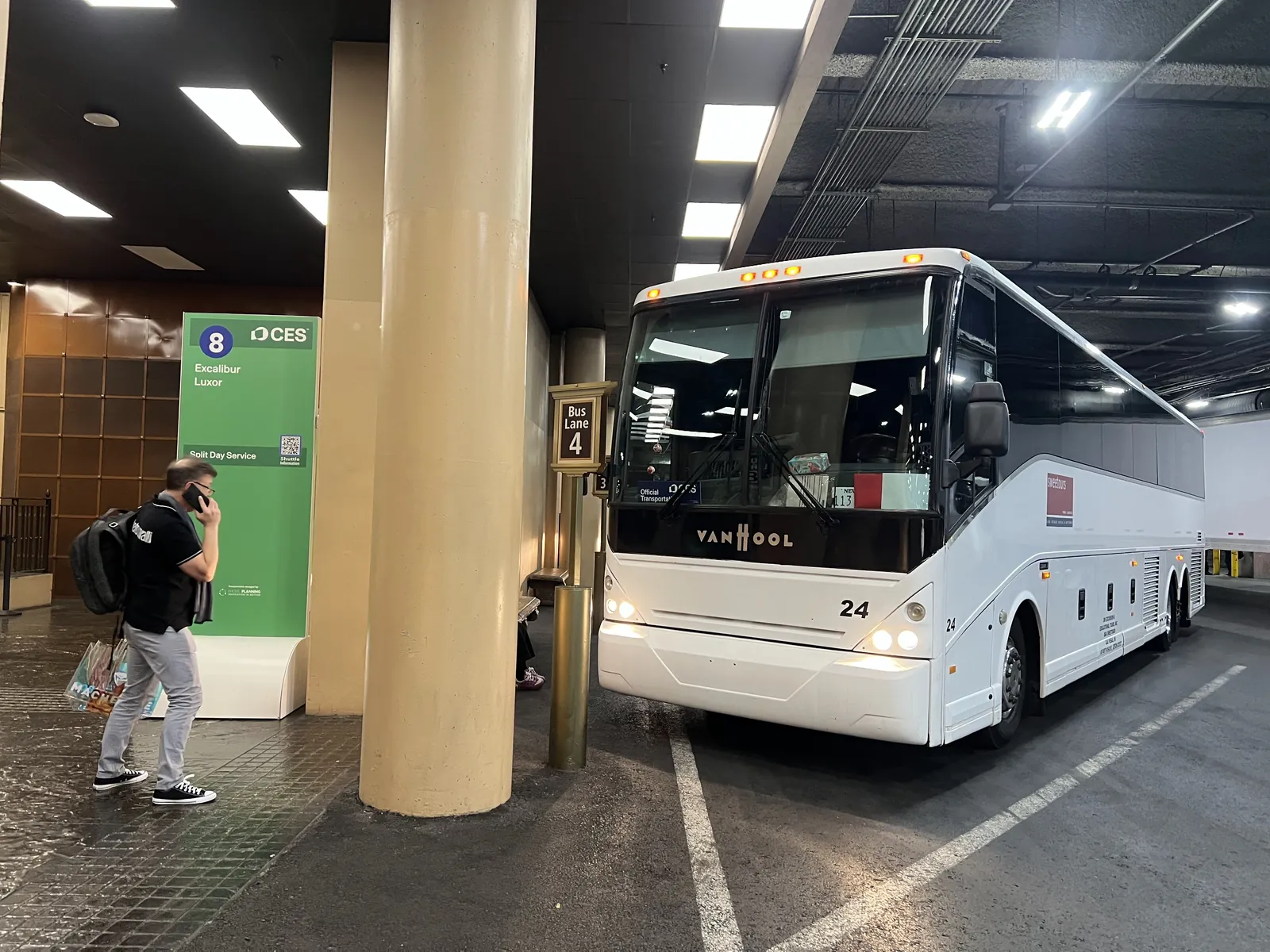
Plan Transportation Before Show Week
CES 2027 will provide complimentary shuttle service between select official CES hotels and the LVCC or Venetian Expo. CES also operates the Tech Express between the LVCC and Venetian Expo, while the C Space Shuttle connects ARIA with the LVCC and Venetian Expo during the show.
The Las Vegas Monorail provides another useful option for hotels along the Strip and connects directly with the LVCC. The Vegas Loop also connects the LVCC with several nearby hotel properties. Rideshare and taxis remain useful, but wait times can increase around show closing, making CES shuttle and transit access particularly valuable during peak periods.
Check the official CES Transportation Guide before finalizing accommodations and meeting schedules, as hotel shuttle routes and pickup locations may change.
Plan Meetings Beyond the Booth
Many important CES conversations happen outside the public booth. Meeting rooms, hospitality suites, hotel lounges, restaurants, and exhibitor lounges can provide quieter environments for client meetings, partnership discussions, media conversations, or executive sessions.
The practical question is not simply where to stay, but how the hotel, exhibit location, transportation network, and meeting schedule work together throughout the day.
For detailed hotel recommendations, transportation options, shuttle planning, exhibitor lounges, and meeting locations, see our CES Hotels, Transportation & Meeting Spots Guide.
Why Work With EIDETIC for CES
Preparing for CES involves more than booth design. Brands need to coordinate strategy, fabrication, exhibitor services, logistics, staffing, product demonstrations, content, and on-site operations, often across multiple teams and vendors.
EIDETIC supports global technology brands through that full process, combining U.S.-based execution with design and production capabilities across Asia.
Proven Trade Show Experience
EIDETIC has worked across major global technology and consumer electronics exhibitions, including CES and IFA. That experience helps us plan not only how a booth should look, but how it needs to function under real show conditions, from visitor flow and demonstrations to meetings, media activity, staffing, and daily operations.
For CES, this is especially important because booth design decisions often affect labor, rigging, freight, exhibitor services, and installation schedules. Planning those elements together early can reduce operational issues later.
Global Network, Local Execution
With our U.S. headquarters and teams across Asia, EIDETIC can connect global brand requirements with local execution.
Our U.S. team provides local coordination and show-site support, while our teams in Korea and China contribute design, production, sourcing, and regional project experience. This structure helps international brands manage CES projects across time zones without separating strategy, design, and execution into disconnected workflows.
End-to-End Project Management
EIDETIC’s role can extend beyond exhibition design and fabrication.
Depending on the project, we support product demonstrations, AV and content production, staffing, logistics coordination, vendor management, show-site installation, and on-site operations. This gives brand teams a single project structure across the different elements that need to come together before CES opens.
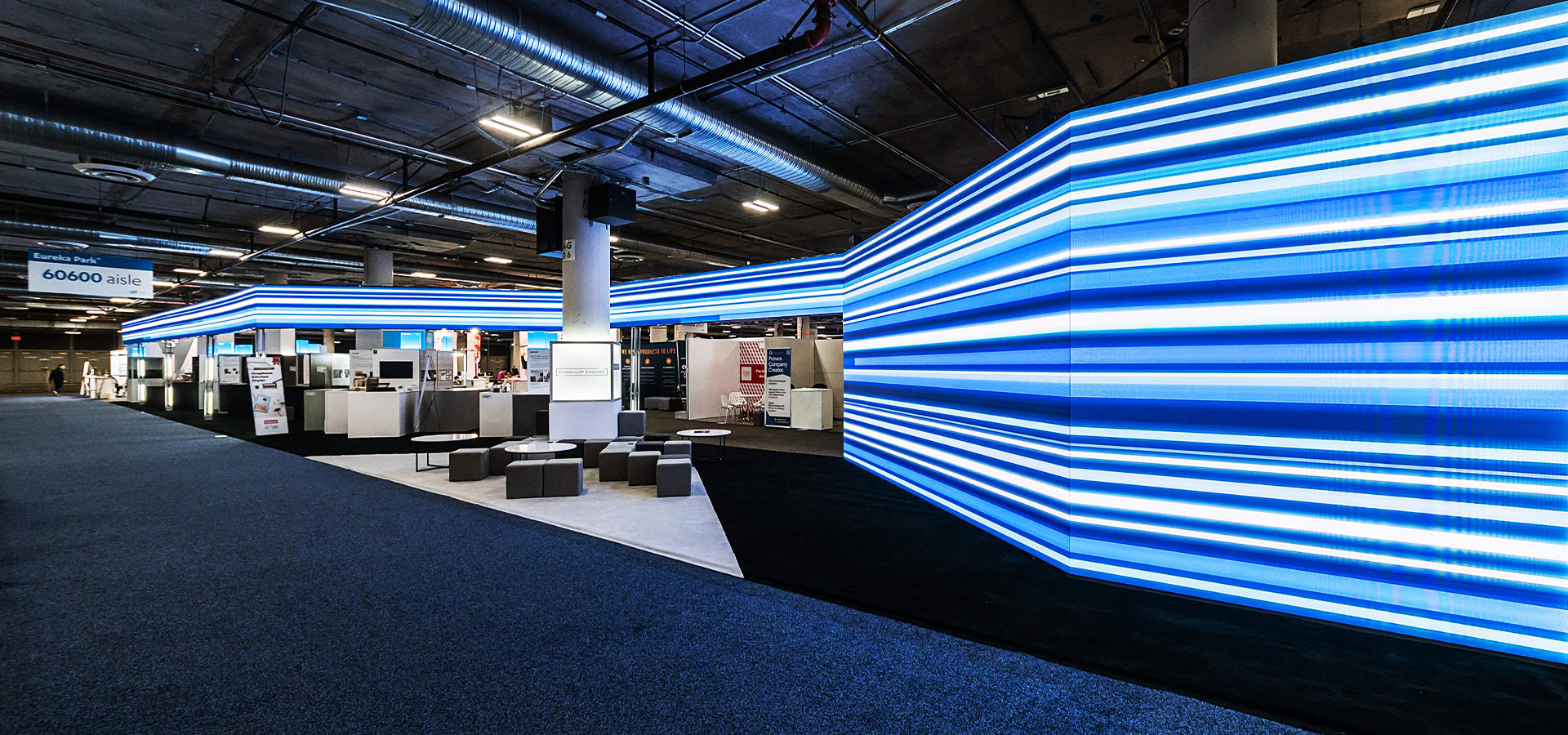
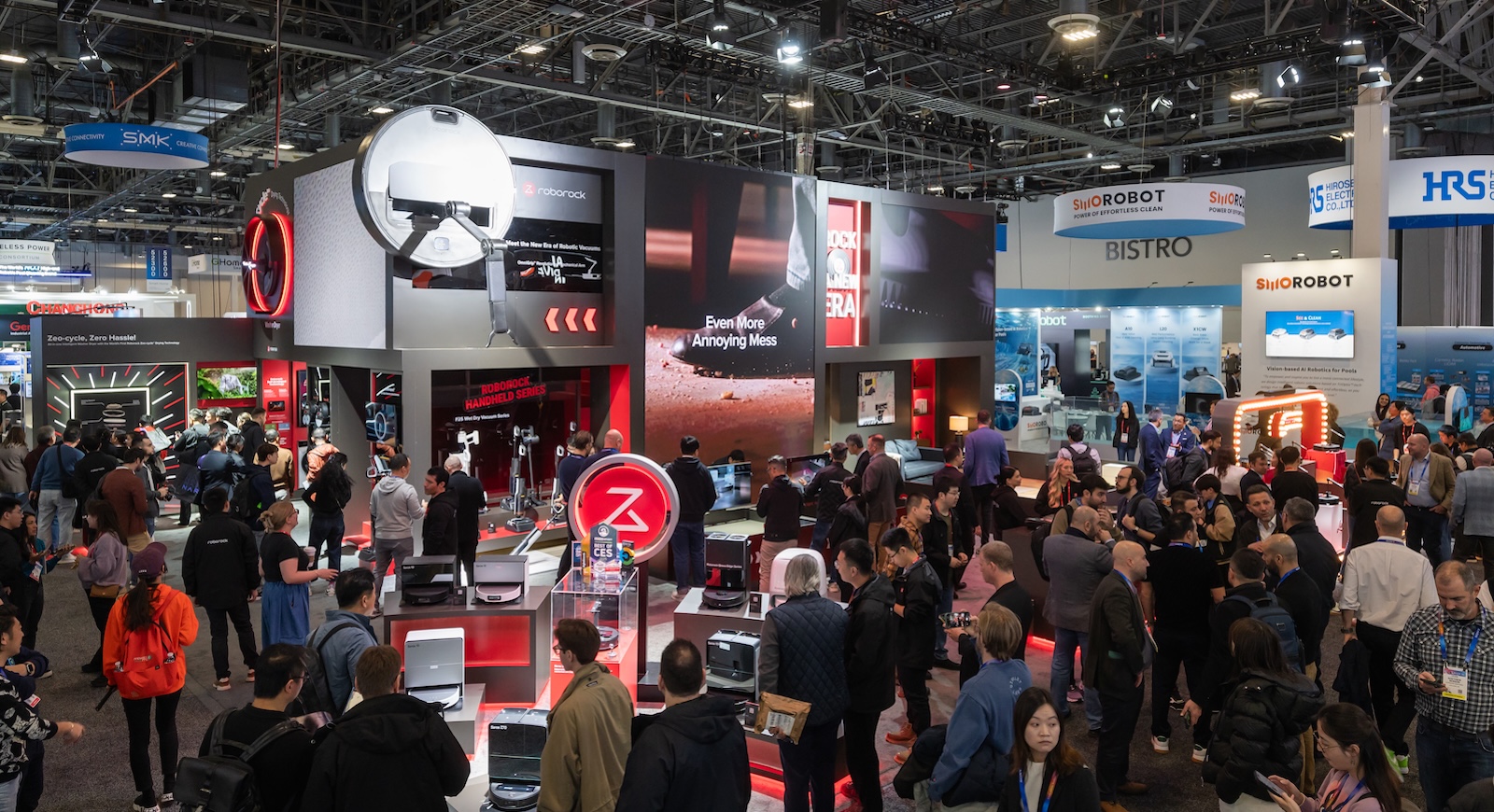
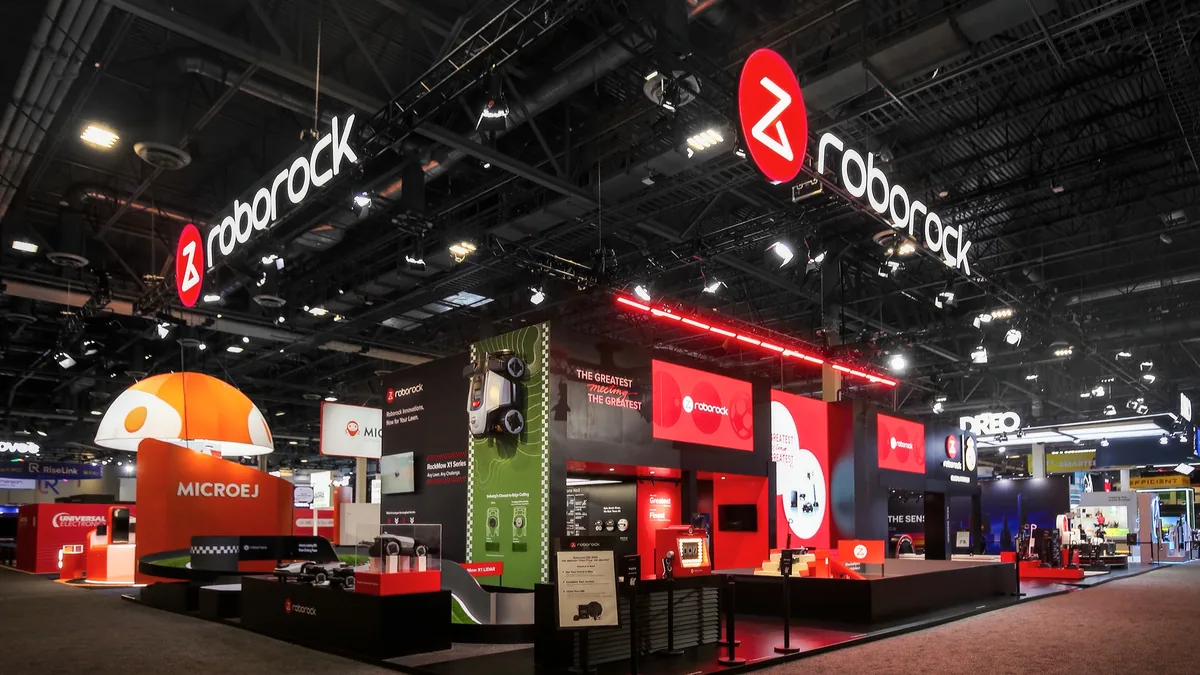
To see more of EIDETIC’s exhibition and experiential work, explore our work.
CES Exhibitor FAQ
CES 2027 exhibit days run from January 6–9 in Las Vegas. CES is a trade-only event for individuals aged 18 and over who are affiliated with the consumer technology industry.
The total cost depends on exhibit space, booth size, design and fabrication, labor, freight, material handling, rigging, exhibitor services, AV, staffing, travel, and activation requirements. Space rental alone does not represent the full project budget.
International exhibitors should plan U.S. booth production, freight, exhibitor services, personnel registration, product demonstrations, staffing, accommodation, local transportation, meetings, and on-site operations before arriving in Las Vegas.
From exhibit strategy and booth design to fabrication, product demonstrations, exhibitor services, logistics, and on-site execution, EIDETIC helps global technology brands bring every part of a CES project together.



