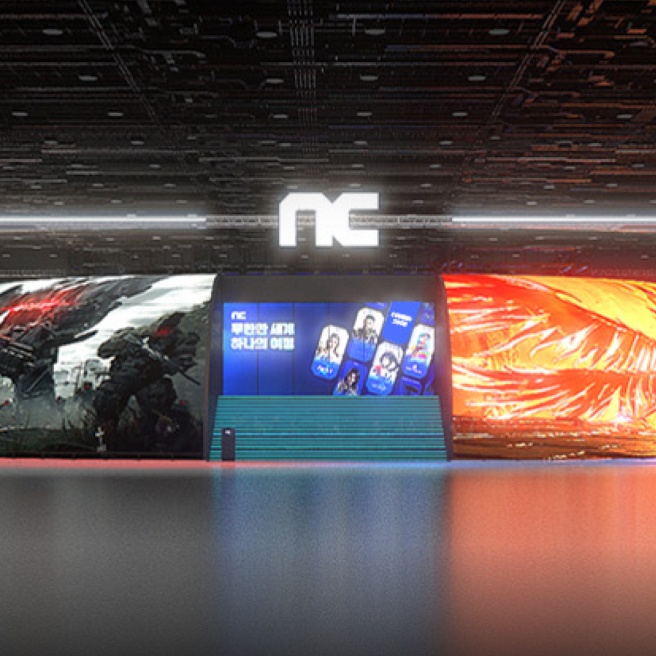
How to Exhibit at a Korean Game Show G-STAR Korea
May 18, 2025
G-STAR 2026 Exhibitor Guide: How to Exhibit in Korea
G-STAR 2026 brings a notable change to Korea’s largest game show. For the first time in the event’s history, the main sponsor is not a game company, but WRTN Technologies, the company behind the AI platform Crack.
For exhibitors already confirmed for G-STAR 2026, securing booth space is only the beginning. The next challenge is standing out on the show floor, attracting the right audiences, and turning that attention into meaningful engagement.
This G-STAR exhibitor guide covers the decisions that come next, from booth strategy and production timelines to visitor flow, regulations, merchandise, and marketing beyond BEXCO.
G-STAR 2026 at a Glance
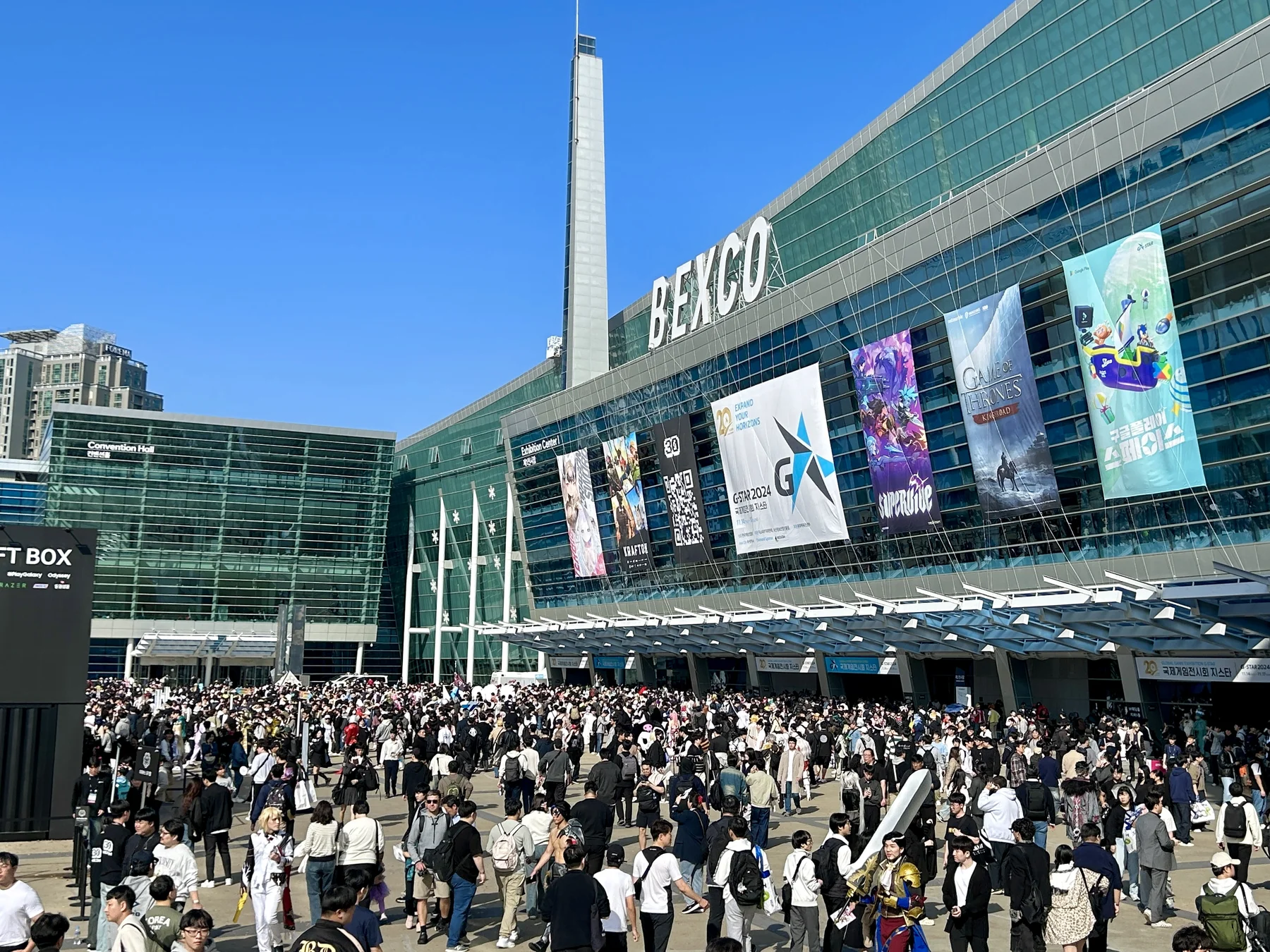
G-STAR is South Korea’s largest annual game exhibition, bringing together game publishers, developers, platforms, industry professionals, and gaming audiences at BEXCO in Busan.
The show is broadly divided into BTC and BTB programs. BTC is consumer-facing, while BTB focuses on business meetings, networking, and industry opportunities.
| G-STAR 2026 | Details |
|---|---|
| Venue | BEXCO, Busan, South Korea |
| BTC Exhibition | November 19–22, 2026 |
| BTB Exhibition | November 19–21, 2026 |
| Organizer | Korea Association of Game Industry |
| Early Bird Application | March 3–April 30, 2026 |
| General Application | May 26–July 31, 2026 |
| Current Status | Exhibitor applications closed |
With the application period complete, the focus now shifts from securing exhibition space to preparing the actual experience and making sure all operational requirements are ready before move-in.
Choosing Your G-STAR Booth Format
The application process starts on the official G-STAR website. Exhibitors create an account, submit an online application, receive organizer approval and an invoice, and complete payment.
One of the first planning decisions is choosing the right exhibition format for the project.
G-STAR 2026 offers three main booth options:
| Booth Type | What It Means | Best Suited For |
|---|---|---|
| Independent Booth | G-STAR’s space-only option for custom booth construction | Large BTC activations and custom brand experiences |
| Shell Scheme Booth | A prebuilt booth package with a simpler setup | Smaller exhibitors that do not require a fully custom structure |
| Lounge Booth | A BTB-only format located within the networking area | Meetings, networking, and business development |
G-STAR refers to its space-only option as an Independent Booth. International exhibitors may also recognize this format as raw space or a space-only booth. Raw space provides the floor area, while the exhibitor separately plans and produces the custom booth.
For larger consumer activations, raw space provides more flexibility to build an experience around game demos, stage programming, merchandise, content, and visitor engagement.
For current participation fees, discounts, payment conditions, cancellation rules, and application requirements, see our G-STAR 2026 Booth Application Guide.


Booth rental is only one part of a G-STAR budget. Booth size, construction, content, staffing, and on-site operations can significantly affect the total cost. Use EIDETIC’s Booth Cost Estimator to get an initial planning range for your G-STAR booth.
G-STAR Preparation Timeline
A G-STAR project normally starts months before the show. International exhibitors need enough time to coordinate booth production in Korea while also preparing game content, creative assets, talent, merchandise, logistics, and internal approvals.
Planning and Agency Selection
- Send RFPs and select an exhibition or experiential marketing agency.
- Define booth objectives, KPIs, game or IP priorities, and an approximate budget.
- Establish the initial booth layout and creative direction.
- Identify demo zones, stage programs, merchandise, photo opportunities, and visitor activities.
- Secure in-demand cosplayers, creators, MCs, or other talent early if they are part of the program.
A clear agency brief makes it easier to compare proposals and determine whether a concept is realistic within the available space, budget, and production schedule.
If you are preparing agency outreach, our G-STAR Booth Design & Production RFP Guide covers the information that should be included in the brief.
Design and Production
- Finalize booth design, zoning, visitor flow, and demo areas.
- Develop trailers, graphics, interactive content, and stage programming.
- Plan queue management and visitor capacity for major activities.
- Begin cosplay costume and prop production where required.
- Prepare multilingual brochures, press materials, signage, and operational content.
- Design and produce merchandise and giveaway items.
- Confirm external partners or sponsors supporting equipment, prizes, or activities.
- Plan storage, staff circulation, technical areas, and replenishment routes.
Design and operations should be developed together. Demo duration, queue capacity, stage crowds, merchandise storage, and staff access can all affect the final floor plan.
Final Operations
- Submit required exhibitor forms and exhibitor service orders.
- Confirm exhibitor badges, contractor information, utilities, and logistics.
- Finalize booth staff roles for demos, B2B meetings, stage operations, merchandise, and visitor support.
- Coordinate B2B meetings and guest schedules.
- Complete staff training, cue sheets, rehearsals, and escalation procedures.
- Finalize PR, social media, creator, and media outreach.
- Confirm merchandise inventory and replenishment plans.
- Prepare contingency plans for technical, staffing, or operational issues.
For confirmed G-STAR 2026 exhibitors, these final operational requirements should now be a priority.
Planning Your G-STAR Booth
A major G-STAR BTC booth operates differently from a conventional trade show display.
Visitors may come to play a game, watch a stage event, meet a creator, take photos with cosplayers, complete missions, collect merchandise, or simply explore a new IP. Several of these activities can happen simultaneously within the same space.
In practice, a large G-STAR booth can operate more like a temporary entertainment venue.
Build for More Than Display
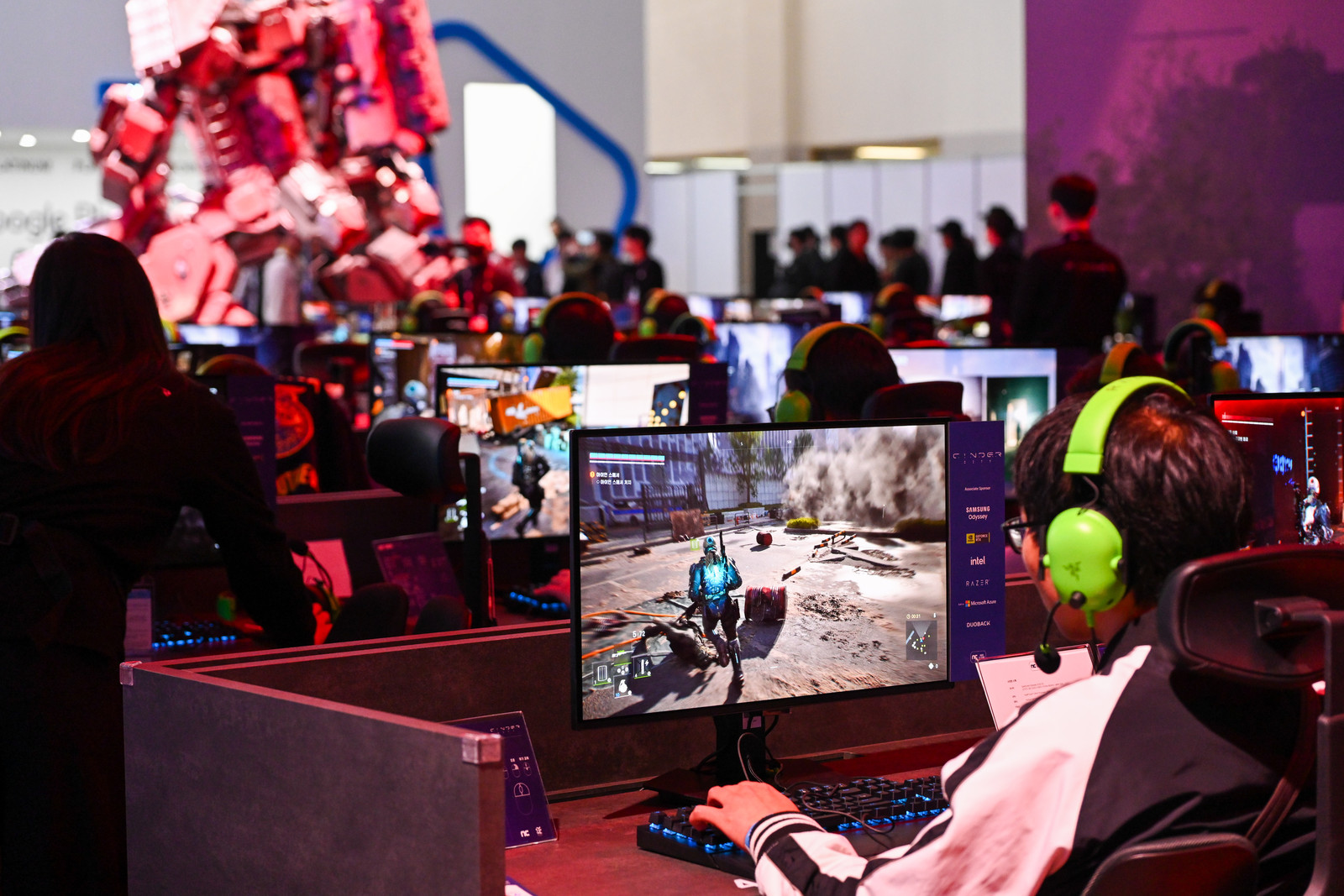
Strong visual impact matters on a crowded show floor, but the booth also needs to support everything that happens after a visitor notices it.
Depending on the project, that can include playable demos, stage programming, esports, cosplay, photo opportunities, interactive missions, merchandise, community activities, creator appearances, media content, and VIP or B2B meetings.
The right combination depends on the IP, audience, booth size, and exhibition objective.
A new game preparing for launch may prioritize playable demos and media content. An established IP may place more emphasis on fan activities, merchandise, and community experiences. A publisher presenting several games may need a completely different zoning strategy.
Plan the Visitor Journey Early
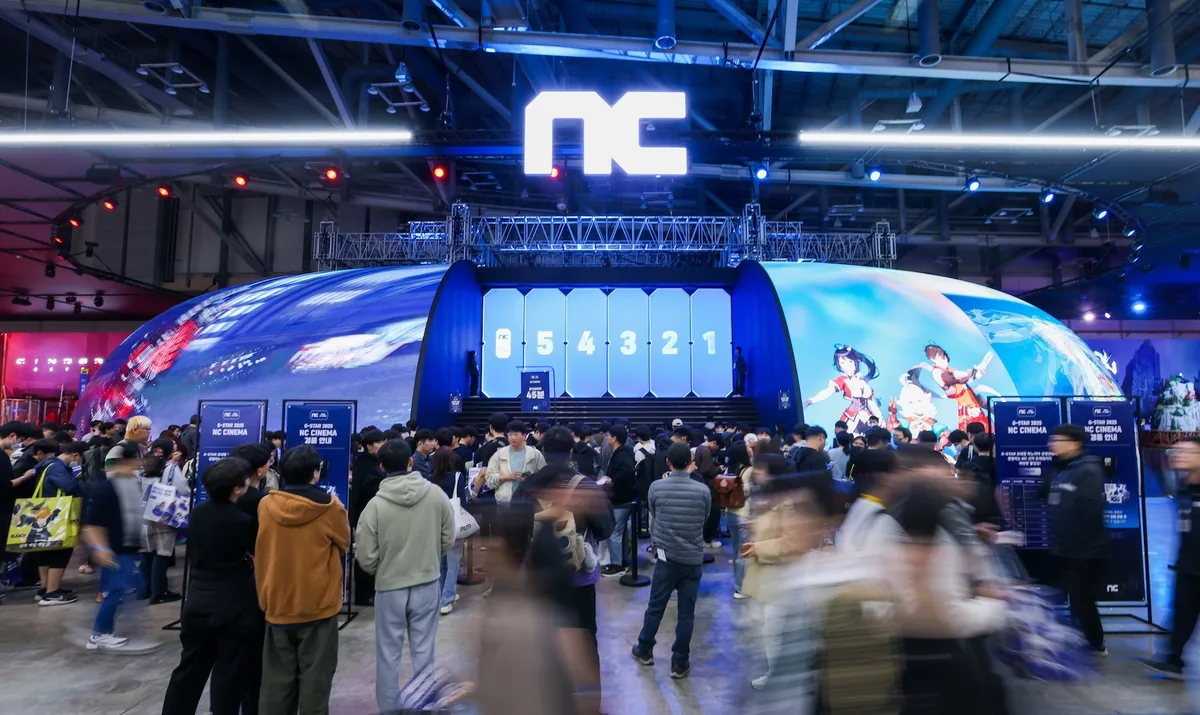
Visitor flow should be treated as part of the booth design rather than something to solve after construction.
- How many visitors can each demo zone handle per hour?
- Where will queues form?
- How will visitors enter and leave major activities?
- Can staff move between operational areas without crossing visitor queues?
- Where will merchandise, equipment, and supplies be stored?
- How will items be replenished during the day?
- Will stage audiences interfere with nearby activities?
- Where will creators, cosplayers, and VIP guests enter and wait?
A demo zone may look efficient on a floor plan but still create a bottleneck if each gameplay session lasts too long. A stage may draw a strong crowd but block access to another activity. A merchandise area may require far more storage and queue capacity than expected.
These problems are easier to solve during design than during move-in.
For a closer look at booth themes, visitor flow, interactive experiences, cosplay, merchandise, and stage programming, see our G-STAR Booth Design & Operation Tips.
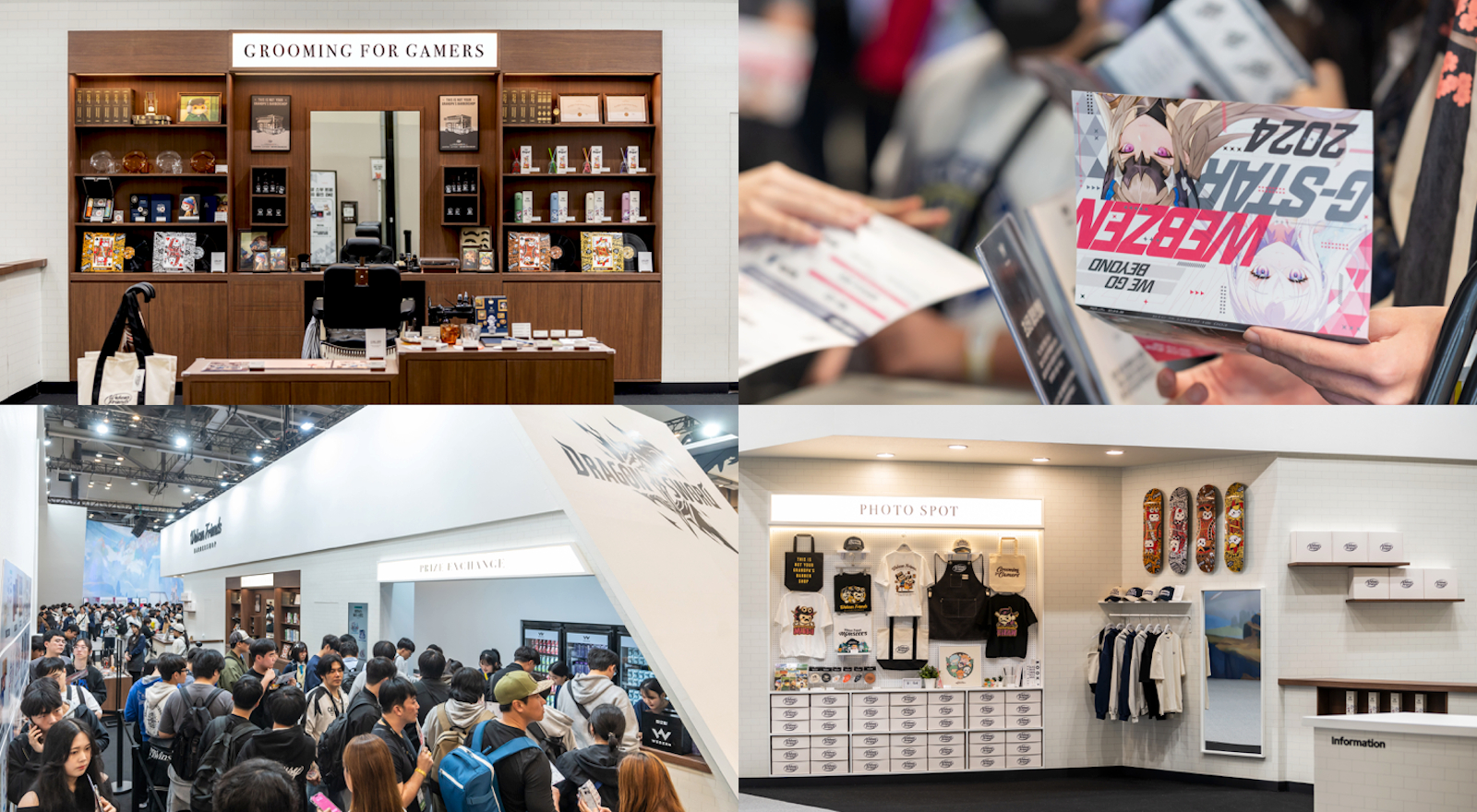
WEBZEN at G-STAR 2024
WEBZEN’s G-STAR booth combined playable content, interactive missions, cosplay, merchandise, stage programming, and visitor operations within one exhibition experience.
EIDETIC’s scope included creative strategy, visitor journey planning, booth design and production, cosplay costume production, and stage execution.
Choosing a Booth Location
G-STAR’s BTC and BTB exhibitions serve different purposes and operate in separate exhibition areas, so booth location should not be evaluated in the same way for both.
For BTC exhibitors, location can directly affect visibility, organic visitor traffic, queue placement, stage exposure, and how easily visitors enter and leave the booth. A position close to a major entrance may provide immediate exposure, but the most visible space is not automatically the best space.
When evaluating a BTC booth location, consider:
- ・Main visitor entrances and traffic direction
- ・Nearby exhibitors
- ・Booth orientation and open sides
- ・Available queue space
- ・Stage visibility
- ・Storage and service access
- ・Proximity to exits, restrooms, and food areas
Large booths also need enough surrounding space to manage queues and stage crowds without blocking neighboring exhibitors or major aisles.
For BTB exhibitors, the priorities are different. Visibility to general visitors matters less than access to meeting areas, networking spaces, and the overall business flow of the BTB exhibition.
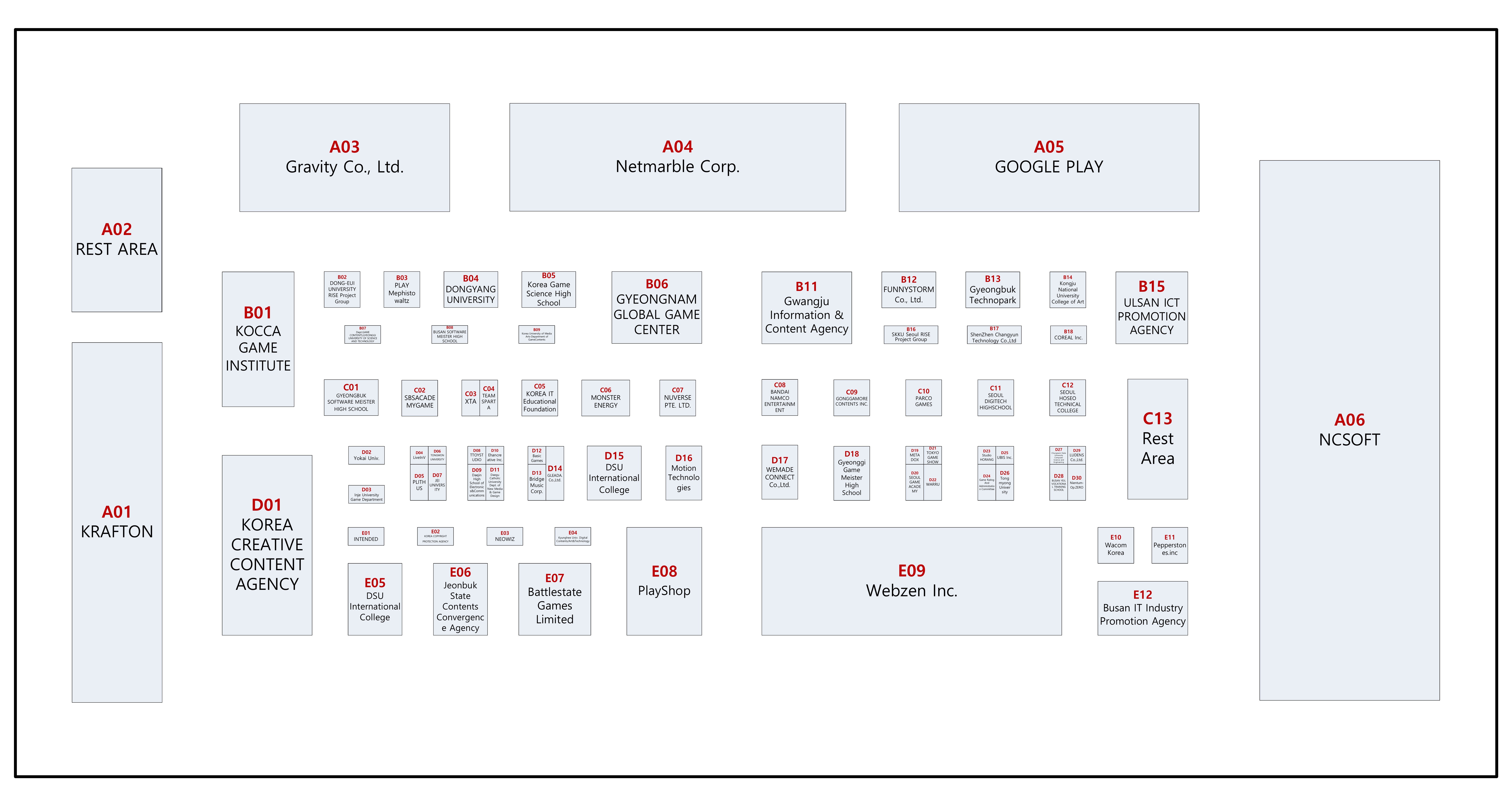
Past G-STAR floor plans can provide useful context for understanding how visitors move through BEXCO, although booth assignments and the exhibitor mix change each year.
Our G-STAR Booth Location Guide looks more closely at previous floor plans, visitor traffic, and booth placement.
Exhibitor Rules & Operations
International exhibitors should review operational requirements early enough to incorporate them into production plans.
Some requirements affect only paperwork. Others directly affect booth layout, construction, staffing, technical planning, and visitor access.
Exhibitor Services and Required Forms
Electricity, LAN, water, and other technical requirements are handled through exhibitor service applications. G-STAR also requires separate forms for exhibitor information, badges, raw-space contractors, in-booth events, on-site sales, heavy exhibits, and other operational requirements.
Not all forms are submitted through the G-STAR website. For 2026, some applications are completed online, while others must be submitted by email. For example, the Raw Space Booth Contractor Notification requires both online and email submission, while forms such as the In-booth Event Plan and On-site Sales Plan are submitted by email. Some documents are submitted on site during the exhibition.
October 16, 2026
Many G-STAR exhibitor submissions are due by this date, including utility orders, exhibitor information, badge applications, contractor notifications, in-booth event plans, and on-site sales plans.
These submissions should not be treated as a final administrative task. Power requirements, internet connections, exhibit weight, contractor access, and technical infrastructure can all influence the design and production plan.
Age-Restricted Game Content
If an exhibitor plans to demonstrate age-restricted game content, those requirements should be reviewed before the booth layout is finalized.
At a minimum, exhibitors should account for rating information, visibility around demo areas, age verification, and controlled visitor access where required.
- Display the applicable game rating clearly.
- Plan the demo area so restricted content is not unnecessarily exposed to underage visitors.
- Prepare an age-verification and access-control process where required.
Always confirm the current requirements in the latest G-STAR Exhibitor Manual before finalizing the booth layout.
Merchandise and On-Site Sales
Merchandise plays a major role at consumer game exhibitions, whether it is sold directly, distributed as a giveaway, or used as a reward for completing an activity.
Exhibitors planning to sell products on site should include sales operations in the approval and planning process. For G-STAR 2026, the organizer provides an On-site Sales Plan form with an October 16 submission deadline.
The physical sales area also needs operational planning. Inventory, payment, packaging, staffing, storage, replenishment, and queue capacity can quickly turn a small merchandise corner into one of the busiest parts of the booth.
For more information on venue layouts, outdoor booth requirements, construction considerations, and operating regulations, see our G-STAR Outdoor Booth & Exhibition Regulations Guide.
Measuring Booth Performance
Foot traffic alone does not show whether a G-STAR booth achieved its objective.
A useful measurement plan starts by defining which visitor behaviors matter before the booth experience is designed.
- Game demo participation
- Visitor dwell time
- Mission participation and completion
- Dropout rate
- Merchandise or reward redemption
- Stage attendance
- QR scans or digital registrations
- Social media engagement
- Content creation and sharing
- B2B meetings or qualified leads
The most useful KPI depends on the role of each activity.
A broad giveaway should not be evaluated in the same way as a playable demo or a multi-step mission. Likewise, a photo opportunity may be more valuable for content creation than for dwell time.
Thinking about measurement during the planning stage also makes it easier to design experiences that produce trackable behavior rather than trying to reconstruct performance after the event.
Mission-Based Visitor Engagement
At WEBZEN’s G-STAR booth, mission-based activities connected different visitor touchpoints with merchandise rewards and digital verification.
The structure encouraged visitors to move through multiple parts of the booth while giving the team clearer participation and completion data than simple foot-traffic counts alone.
Getting to BEXCO & Where to Stay
G-STAR takes place at BEXCO in Busan, about 325 km southeast of Seoul. International visitors arriving through Incheon International Airport will usually need to travel onward to Busan by train, domestic flight, or private transportation.
| From | Typical Route | Arrival in Busan |
|---|---|---|
| Incheon Airport | Airport → Seoul Station → KTX | Busan Station |
| Seoul | KTX from Seoul Station | Busan Station |
| Gimpo Airport | Domestic flight to Busan | Gimhae International Airport |
From Busan Station or Gimhae International Airport, visitors can travel to BEXCO by subway, taxi, or private transportation.
For detailed routes from Incheon Airport and Seoul to Busan, see our Guide to Getting to BEXCO for G-STAR Exhibitors.
Where to Stay
For most G-STAR exhibitors, Centum City and Haeundae are the most practical areas to consider.
| Area | What to Know |
|---|---|
| Centum City | Closest to BEXCO and the most convenient option for easy access to the exhibition venue. |
| Haeundae | Offers a wide range of hotels, restaurants, cafés, and convenient options for client dinners and meetings outside show hours. |
| Gwangalli | A popular waterfront area with restaurants, cafés, and views of Gwangan Bridge, while still offering relatively easy access to BEXCO. |
For hotel recommendations, parking information, and transportation tips around BEXCO, see our G-STAR Hotel, Parking & Transportation Tips.
Beyond the Booth
G-STAR audiences are not limited to BEXCO.
During G-STAR week, gamers, creators, media, industry teams, and brand representatives move through Busan Station, Centum City, Haeundae, Gwangalli, and other high-traffic areas.
For larger campaigns, these locations can create additional touchpoints before visitors enter the exhibition or after they leave.
Potential formats include:
- ・Large-format and digital OOH
- ・Transit advertising
- ・Branded installations
- ・Pop-ups
- ・Photo opportunities
- ・Community events
- ・Hospitality events
- ・Nighttime activations
Busan Station can reach audiences as they arrive in the city, while Haeundae and Gwangalli are better suited to destination-based experiences. Centum City provides proximity to BEXCO and existing retail traffic.
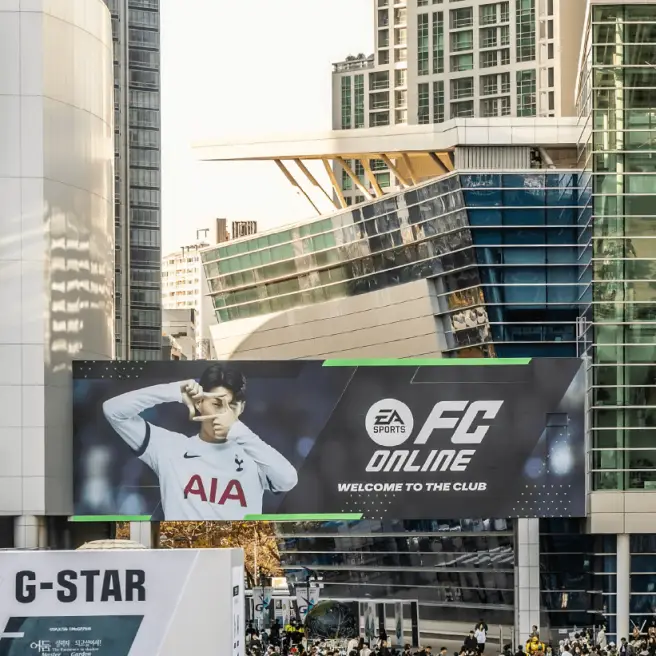
An official outdoor booth at BEXCO and an off-site activation elsewhere in Busan are different formats and may involve different space, production, approval, and operating requirements.
See our G-STAR Outdoor Advertising & Event Marketing Guide for examples of how the wider city can become part of a G-STAR campaign.
EIDETIC at G-STAR
EIDETIC has worked with game brands at G-STAR for more than a decade, supporting projects across booth strategy, visitor experience, design, production, content, and on-site execution.
Recent projects show how different brands can use the same exhibition in very different ways.
G-STAR Exhibitor FAQ
Not always. G-STAR has historically applied stricter rules regarding costume exposure and age-restricted content. Highly revealing costumes may need to be modified, and 18+ demos may require controlled access and age verification.
Yes, but on-site sales must be planned in advance. For G-STAR 2026, the On-site Sales Plan is due by October 16.
Yes. G-STAR 2026 requires an In-booth Event Plan for planned stage programs and booth activities, due by October 16.
For G-STAR 2026, an Independent Booth costs USD 2,000 per 9 m² while a Shell Scheme Booth costs USD 3,000 per unit. Construction and activation costs are additional. Use our Booth Cost Estimator for a broader planning range.
G-STAR requires booth strategy, design, production, content, staffing, logistics, and on-site operations to work as one project. EIDETIC supports global game brands with exhibition strategy, custom booth design and production, experiential content, staffing, and on-site execution in Korea.