
BRIEF US!
Design illuminating activations around the world with us.

THANK YOU FOR YOUR REQUEST
Thank you very much for your interest in EIDETIC MARKETING.
We look forward to working with you.
We will contact you soon.Thanks Again.

THERE WAS A PROBLEM WITH YOUR SUBMISSION.
Have you checked all the required fields?
We want you to write your Company, Name, E-mail, Budget, Country to Execute, Website URL, Wanted Services and Project Description.Thanks.

Tag Archives: G-Star Busan
G-STAR 2026 Booth Application: Dates, Costs, Rules, and Tips
April 3, 2026
G-STAR 2026 Booth Application: Dates, Costs, Rules, and Tips
For game companies planning to enter the Korean market, G-STAR remains one of the most important exhibition opportunities in Asia. As Korea’s leading game show, it brings together major publishers, industry professionals, media, and a large consumer audience in one place. For exhibitors, it is more than a booth opportunity. It is a platform to launch new IP, build visibility, create memorable fan experiences, and generate measurable marketing outcomes.
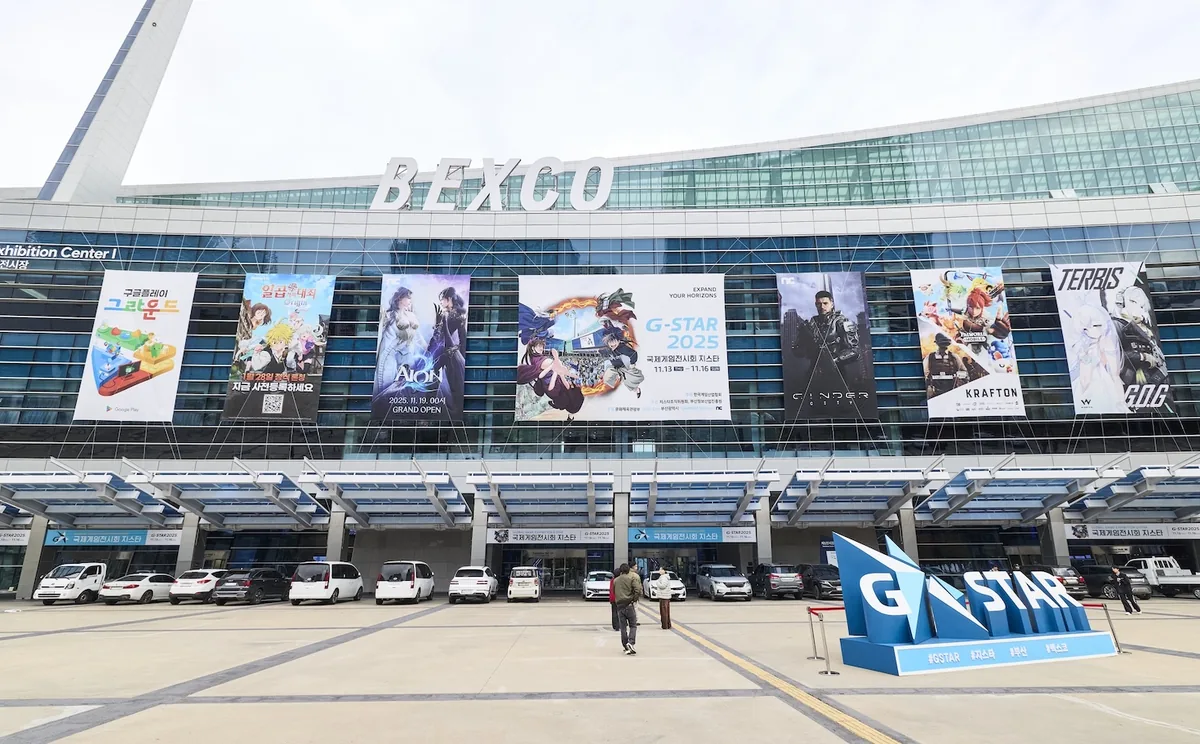
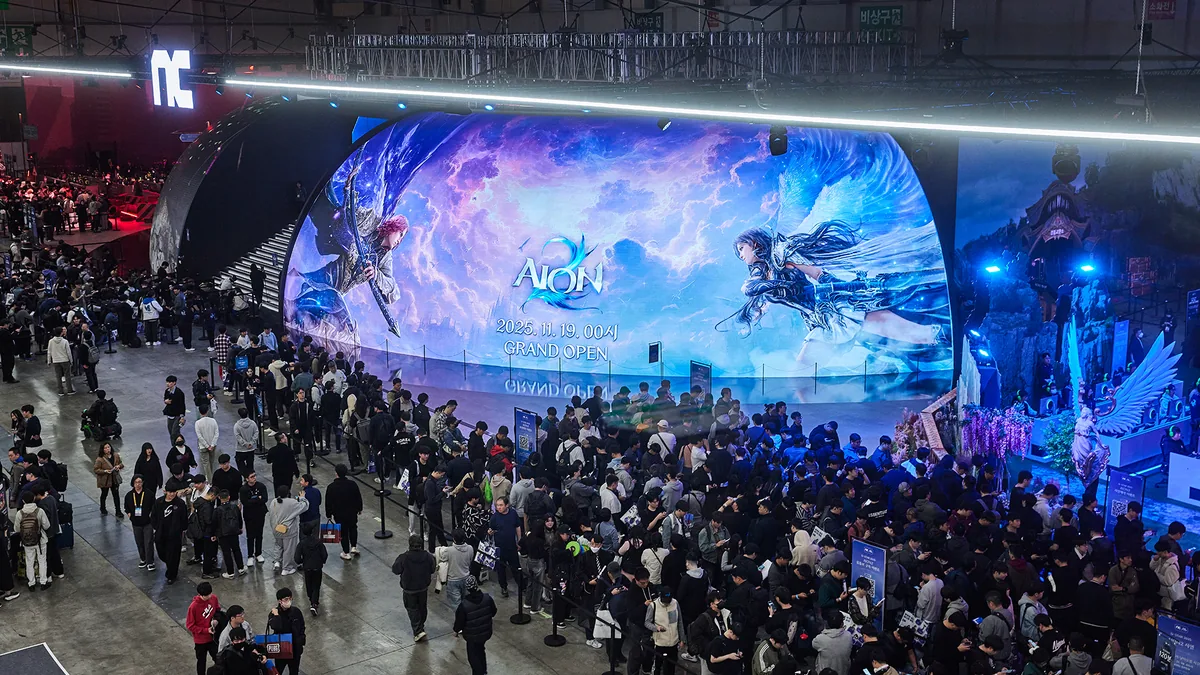
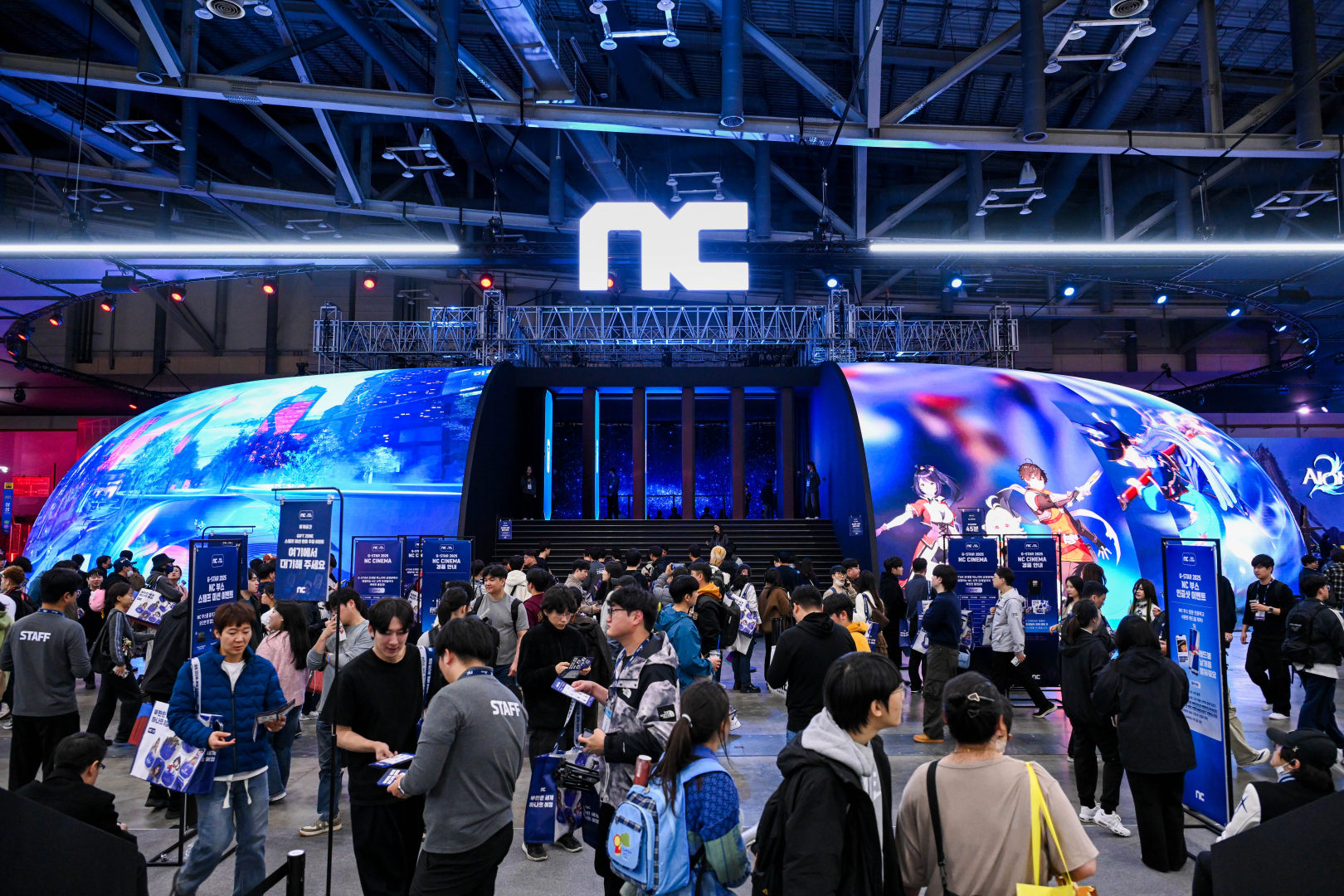
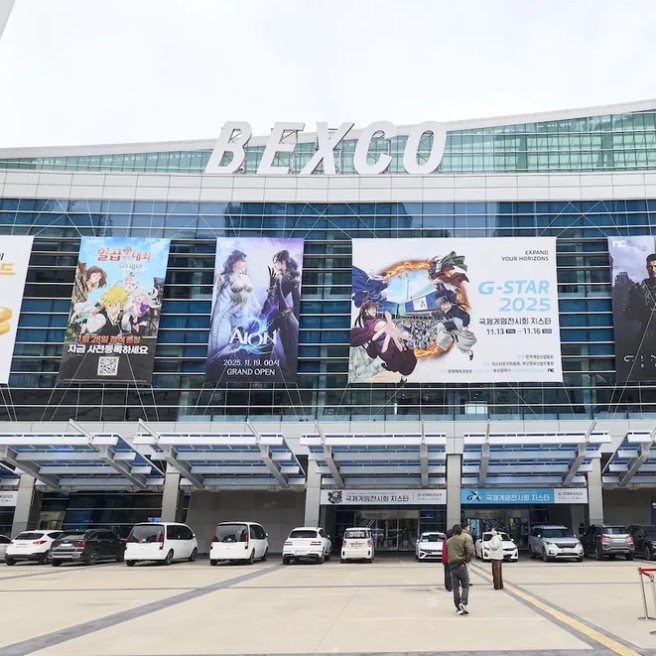
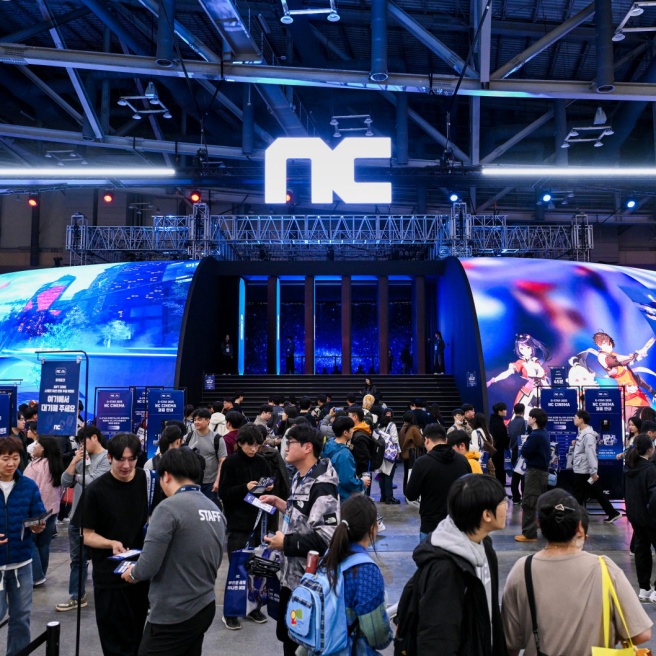
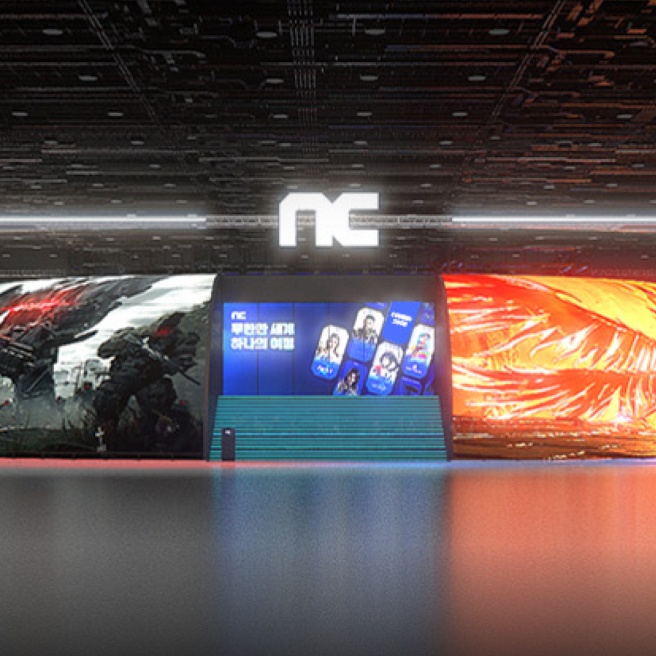
We supported NC, the main sponsor of G-STAR 2025, on the exhibition’s largest booth at 2,400㎡, while also leading integrated G-STAR marketing projects for major game brands. That experience shapes how we approach booth strategy, audience flow, on-site engagement, and performance-driven exhibition planning.
If you are starting your G-STAR 2026 booth application, preparation needs to begin earlier than many first-time exhibitors expect. Booth location, concept development, interactive content, event operations, merchandise, and compliance requirements all affect performance on-site.
This guide covers the key dates, booth costs, discounts, cancellation rules, exhibitor considerations, and planning points game companies should know before exhibiting at G-STAR 2026.
Why G-STAR Matters for Global Game Companies
G-STAR is one of the most important gaming exhibitions in Asia and a key platform for brands looking to build visibility in Korea. It brings together global publishers, industry professionals, media, creators, and a large public audience in one space.
For game companies, a G-STAR booth can serve several purposes at once:
- • Launch a new title or IP in Korea
- • Build fan engagement through demos and live experiences
- • Create social, PR, and community content
- • Support business meetings during the show
- • Turn offline attention into measurable brand impact
The strongest booths are not only visually striking. They are strategically designed to turn attention into participation, content generation, and long-term brand recall.
Key Dates for G-STAR 2026 Booth Application
Here are the key dates exhibitors should keep in mind for G-STAR 2026.
| Category | Date |
|---|---|
| B2C | November 19–22, 2026 |
| B2B | November 19–21, 2026 |
| Early bird application | March 3, 2026 at 14:00 – April 30, 2026 at 17:00 |
| General application | May 26, 2026 – July 31, 2026 at 16:00 |
*The early bird application period includes a 10% discount on booth fees.
*One important planning note: G-STAR is typically scheduled around Korea’s college entrance exam season, and visitor traffic often rises noticeably from the second day of the exhibition. For game companies targeting student and young adult audiences, that can be a strong reason to plan event timing, promotions, and audience engagement carefully.
How to Apply for a G-STAR 2026 Booth
The G-STAR 2026 booth application process is relatively simple at the organizer level.
The standard process is:
- 1. Create an account on the official G-STAR website.
- 2. Submit the exhibitor application online.
- 3. Wait for organizer approval.
- 4. Pay the participation fee according to the organizer’s instructions.
For most brands, the real work starts long before the form submission. Early planning affects booth location options, agency selection, design quality, influencer casting, and production readiness. If you are preparing vendor outreach, our guide on how to write an RFP for G-STAR booth design and production can help structure the process more clearly.
How Much Does a G-STAR Booth Cost?
The base participation fee starts at KRW 2,000,000 per independent booth unit, based on a 3m x 3m space, with applications available from two booths or more.
| Base rate | KRW 2,000,000 per booth |
| Booth type | Independent booth |
| Booth size | 3m x 3m |
| Minimum application | 2 booths |
This should be understood as the starting point rather than the full exhibition budget. Actual costs vary depending on booth scale, design complexity, fabrication, graphics, content production, staffing, giveaways, and on-site operations.
For many exhibitors, booth cost is not only about rental price. It is also about how effectively that investment turns into visibility, audience engagement, and post-event marketing value.
The official participation fee is only the starting point. Use EIDETIC’s Booth Cost Estimator to calculate an initial budget range covering estimated booth rental, construction, and operational expenses.
Available Discounts
G-STAR 2026 offers a layered discount structure, and eligible exhibitors may receive up to 30% off in total.
| Eligibility | Benefit |
| Early bird application | 10% |
| Participated in G-STAR within the past two years | Additional 10% |
| K-GAMES member or company in a government-approved association | Additional 10% |
*Maximum total discount: Up to 30%
*Discount cap: Applicable to up to 50 booths
This structure makes early planning especially valuable for large exhibitors. Applying early can reduce costs while also improving the chances of securing a better booth position and a more organized preparation schedule.
What Happens If You Cancel?
Cancellation penalties depend on timing.
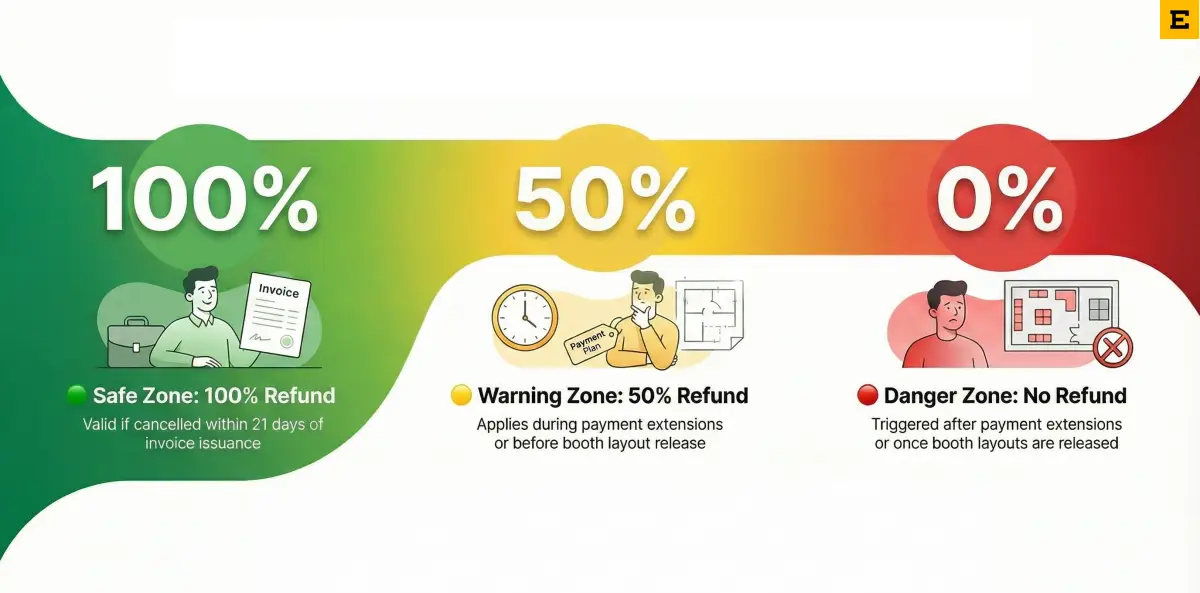
- ✔️Within 21 days after invoice issuance: full refund
- ✔️During the extended payment period or before booth layout disclosure: 50% of the participation fee
- ✔️After the extended payment period or after booth layout disclosure: 100% of the participation fee
Because organizer policies may change year to year, it is best to confirm the latest cancellation terms with the secretariat before publishing or finalizing decisions internally.
A Practical G-STAR 2026 Planning Roadmap
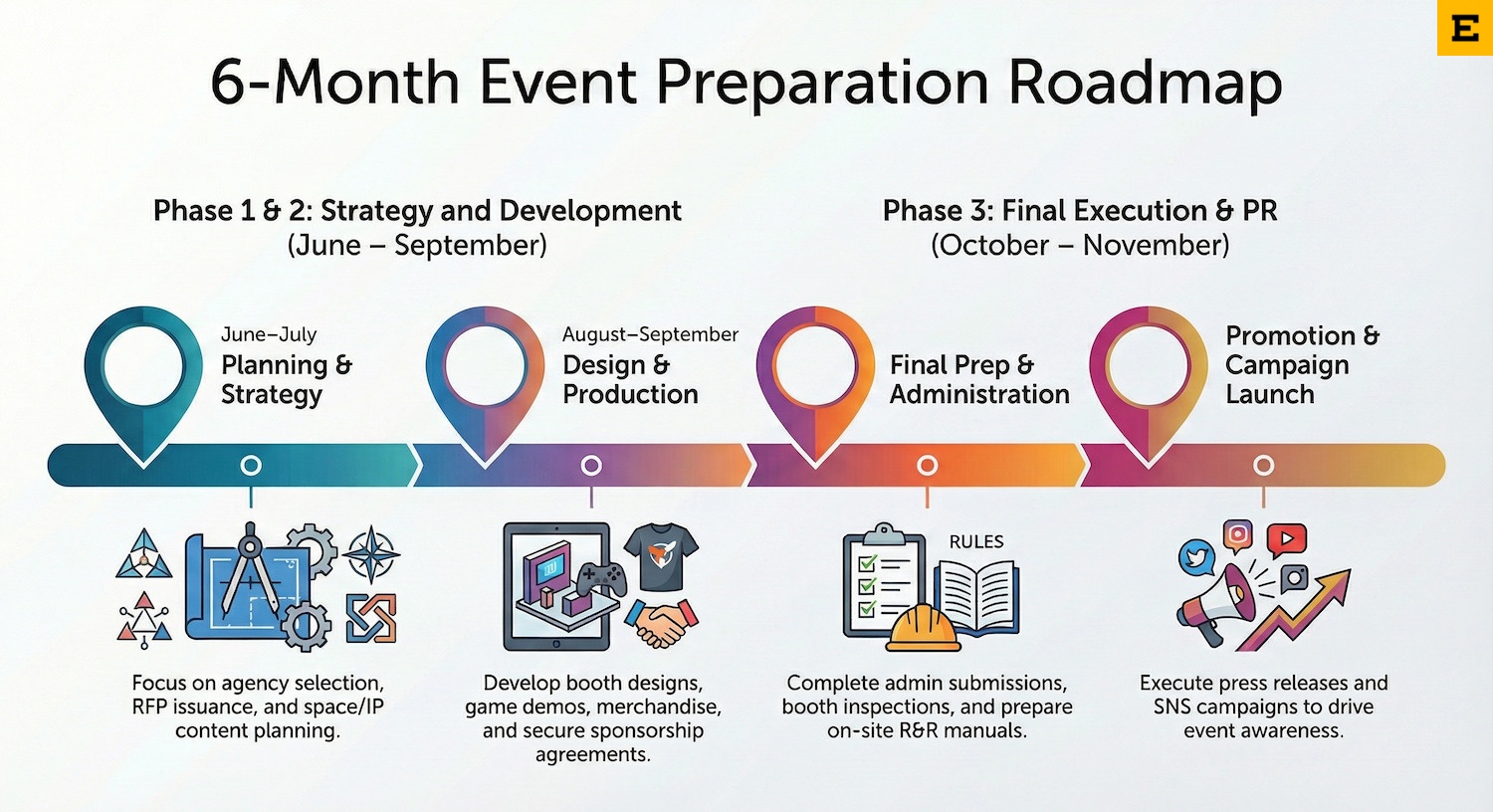
A successful G-STAR booth takes shape over several months, not just a few weeks before the show. In most cases, June to July is the time to define strategy, select partners, and plan booth experience. August to September should focus on design, content production, and event development, while October to November is when operations, promotion, and on-site readiness come together.
If your booth concept includes a major visual centerpiece, large-format object, or high-impact photo landmark, our guide to game exhibition hero installation may also be useful.
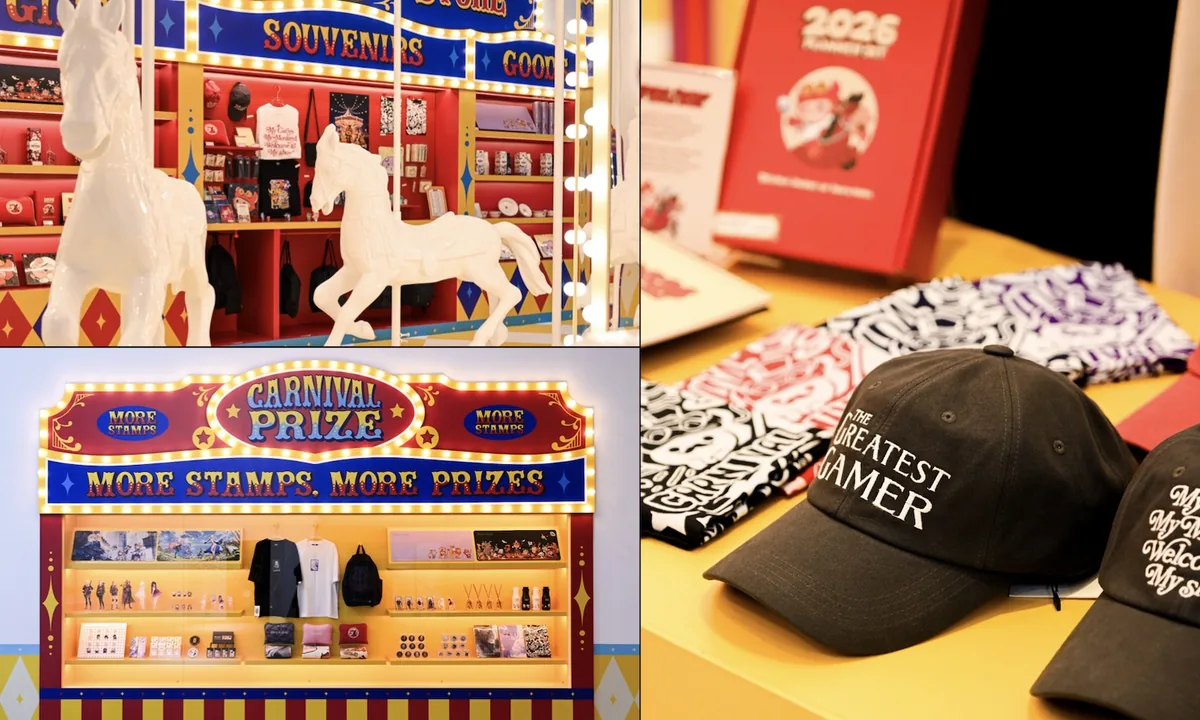
Can You Sell Merchandise at G-STAR?
Yes, merchandise sales are possible if the exhibitor receives prior approval.
If you plan to sell goods on-site, you must submit a sales plan within the required deadline. There are also important restrictions:
- ✔️products unrelated to the exhibition or the game title are not allowed
- ✔️food and beverage sales require separate local approvals and food-service registration where applicable
For many game brands, merchandise is not just an additional revenue stream. It is a tool for fan participation, queue management, and shareable brand memory. If you are exploring concept directions, our article on game booth ideas for successful gaming conventions offers useful inspiration for combining merchandise, interaction, and booth storytelling.
Is Catering Allowed at G-STAR?
Catering may be possible, but it requires advance discussion with the organizer and must comply with venue hygiene and safety rules.
- 1. no on-site cooking inside the exhibition hall
- 2. only pre-prepared food formats may be allowed
- 3. beverage service is limited and may require pre-prepared drinks in disposable cups
That means hospitality should be designed around compliance from the beginning, not added at the last minute.
Rules for Age-Rated Game Content
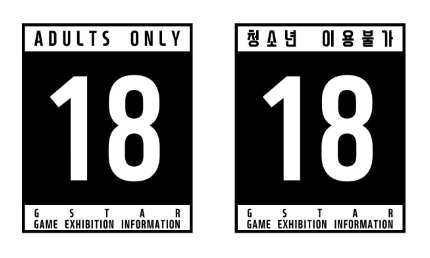
If your game is restricted for youth audiences, separate booth regulations apply.
These may include:
- • required age-rating signage near the booth entrance
- • restrictions on visibility from outside the booth
- • enclosed or screened demo areas for adult-rated content
- • mandatory ID checks for visitors entering or trying the content
- • age restrictions limiting participation to eligible adults only
For exhibitors, this is not a minor detail. Age-rating compliance affects space planning, queue design, staffing, and visitor flow. It should be integrated into the booth plan from the concept stage onward.
What Makes a G-STAR Booth Successful?
At G-STAR, booth performance is shaped by more than visual scale. Strong results usually come from how well strategy, design, operations, and content work together.
The most effective booths typically share a few characteristics:
- • Clear IP visibility from the aisle
- • Well-managed visitor flow and queue design
- • Interactive content that invites participation
- • Built-in opportunities for social sharing and PR coverage
- • Operational planning that supports both fan experience and staff efficiency
For more tactical ideas, you can also read our post on G-STAR Korea gaming expo booth design and operation tips.
How Eidetic Supports Game Brands at G-STAR
We have supported game brands at G-STAR through integrated planning, design, production, and on-site execution. Our recent work includes NC’s 2,400㎡ booth at G-STAR 2025 and multi-year G-STAR marketing support for Webzen.
What makes this model effective is continuity. The people involved in the proposal and planning stages remain connected to the project through booth design, fabrication supervision, graphic quality control, and live operations. That helps preserve the original strategy all the way through execution.
For exhibition projects, that continuity matters. When decision-making is fragmented across too many external partners, timelines slow down and the original intent often weakens. An in-house system makes it easier to respond quickly, maintain creative consistency, and solve problems in real time on-site.
Frequently Asked Questions: G-STAR Korea 2026
G-STAR 2026 runs from November 19–22 (B2C) and November 19–21 (B2B) at BEXCO, Busan, South Korea.
The Early Bird application period opens March 3, 2026 at 14:00 KST and closes April 30, 2026 at 17:00 KST. Regular applications run from May 26 to July 31, 2026.
The base cost is KRW 2,000,000 (approx. $1,300-$1,400 USD depending on exchange rates) per 3m × 3m booth unit, with a minimum of 2 units. Discounts of up to 30% are available by stacking Early Bird, returning exhibitor, and industry association benefits — applicable to up to 50 booth units.
Full refunds are available within 21 days of invoice issuance. After that, cancellation penalties range from 50% to 100% of the participation fee depending on timing.
Yes. G-STAR is an international exhibition and welcomes overseas participants. However, navigating the Korean-language application process, secretariat communications, and on-site operational requirements benefits significantly from local agency support.


Game Industry Trends at G-STAR: What Stands Out in 2025
December 15, 2025
Game Industry Trends at G-STAR: What Stands Out in 2025
Game industry trends at G-STAR in 2025 show that the event no longer needs to be framed as a place for discovery or surprise. Its value lies elsewhere—in how it reflects the current structure of the game industry and the priorities shaping its next phase.
Rather than trying to summarize the entire event, three signals offer a clearer reading of what G-STAR represents today: the dominance of IP-led games, the visibility of indie diversity, and the show’s expanding role as a global point of connection.
IP-Led Games and the Power of Familiar Worlds
One of the most consistent features of the current landscape is the central role of IP. Games are increasingly positioned not as standalone products, but as extensions of worlds that already exist across multiple formats and audiences.
Netmarble’s use of established IPs such as Solo Leveling (나 혼자만 레벨업) illustrates this approach. Rather than introducing an unfamiliar universe, the focus is on expanding a world with an existing fan base—leveraging narrative continuity, character recognition, and cross-media reach.
At exhibitions like G-STAR, this translates into presentations that emphasize tone, lore, and long-term potential over immediate novelty. IP functions as both a creative anchor and a strategic foundation in a market where visibility is increasingly difficult to earn.
Indie Game Diversity Through Platform-Led Showcases
Alongside large IPs, indie games continue to shape the breadth of the ecosystem. What stands out in 2025 is how this diversity is surfaced—not through isolated booths, but through platform-led showcases.
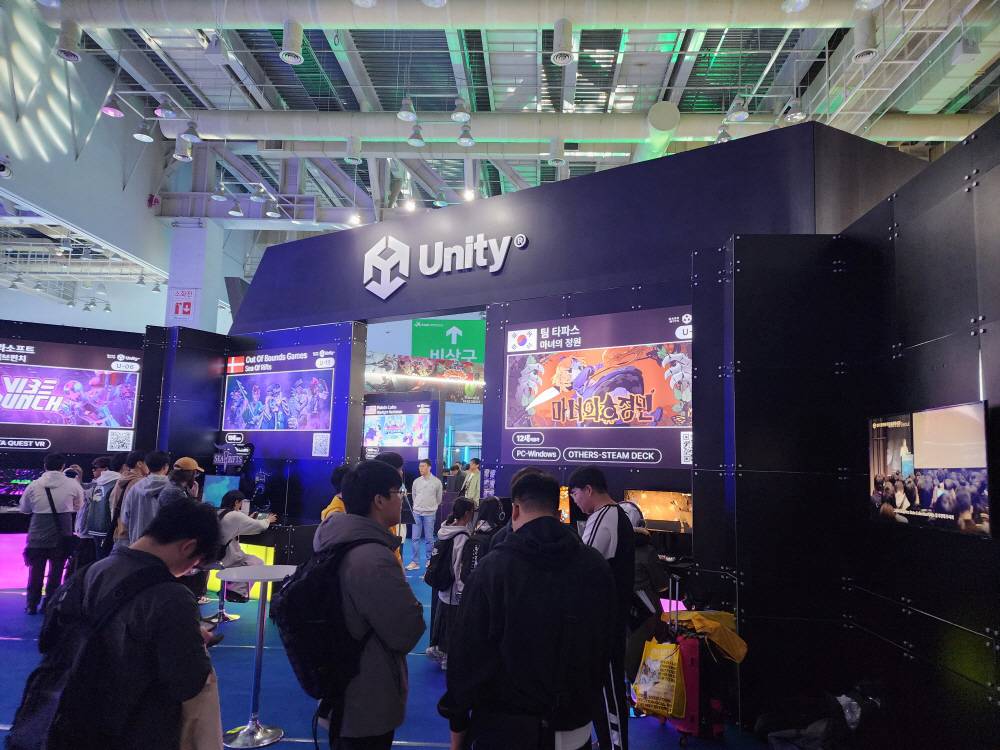
Unity’s booth provides a clear example. By featuring a wide range of indie titles built on its engine, the space highlights variation in genre, visual style, and creative direction. The emphasis is not on a single standout title, but on the collective range made possible by accessible development tools.
This approach reframes indie games as a structural component of the industry rather than a niche category. At G-STAR, indie diversity becomes visible through contrast—offering alternatives to large-scale, IP-heavy productions and expanding the definition of what games can be.
G-STAR’s Globalization, Seen Through B2B Activity
The third signal is G-STAR’s increasingly explicit global orientation, particularly on the B2B side.
International exhibitions such as Gamescom and Brazil Game Show have established dedicated B2B booths at G-STAR, using the event as a direct channel to reach Korean game companies. These booths focus on introducing overseas exhibition platforms, partnership opportunities, and access to foreign markets.
This presence highlights a shift in how globalization plays out. It is not only Korean studios moving outward, but global game show organizers actively engaging Korea as a key source of IP and content. G-STAR functions as a concentrated access point to studios with titles positioned for international audiences.
In this context, globalization is less about scale and more about alignment—matching IP, platforms, and markets through targeted interaction.
How These Signals Come Together
Taken together, these three signals outline a clear structure.
IP-led games provide familiarity and reach. Indie diversity sustains creative range. Global B2B activity connects both to international platforms and markets. G-STAR in 2025 sits at the intersection of these forces, not attempting to resolve them, but making them visible in one place.
What G-STAR Represents Today
In 2025, G-STAR’s relevance is defined by clarity rather than spectacle. It reflects how the industry organizes itself—what it invests in, how it scales, and where it looks for growth.
Rather than trying to be louder than the global conversation, G-STAR functions as a space where that conversation becomes legible.
That, more than novelty or size, may be its most enduring role.
Where is the best booth location at G-STAR Gameshow?
June 21, 2025
Where is the best booth location at G-STAR Gameshow?
Booth Strategy Q&A for B2C and Offsite Activations
On November 13, G-STAR Korea will once again take over BEXCO in Busan, drawing in over a thousand game companies and tens of thousands of fans. In 2024, the event hosted 1,375 exhibitors and 3,359 booths, making it the largest game convention in Korea. With so many participants, securing a strategic booth location isn’t just helpful—it’s essential for success.
Let’s break down everything you need to know about booth designation, outdoor activation rules, and how to stand out in the crowd.
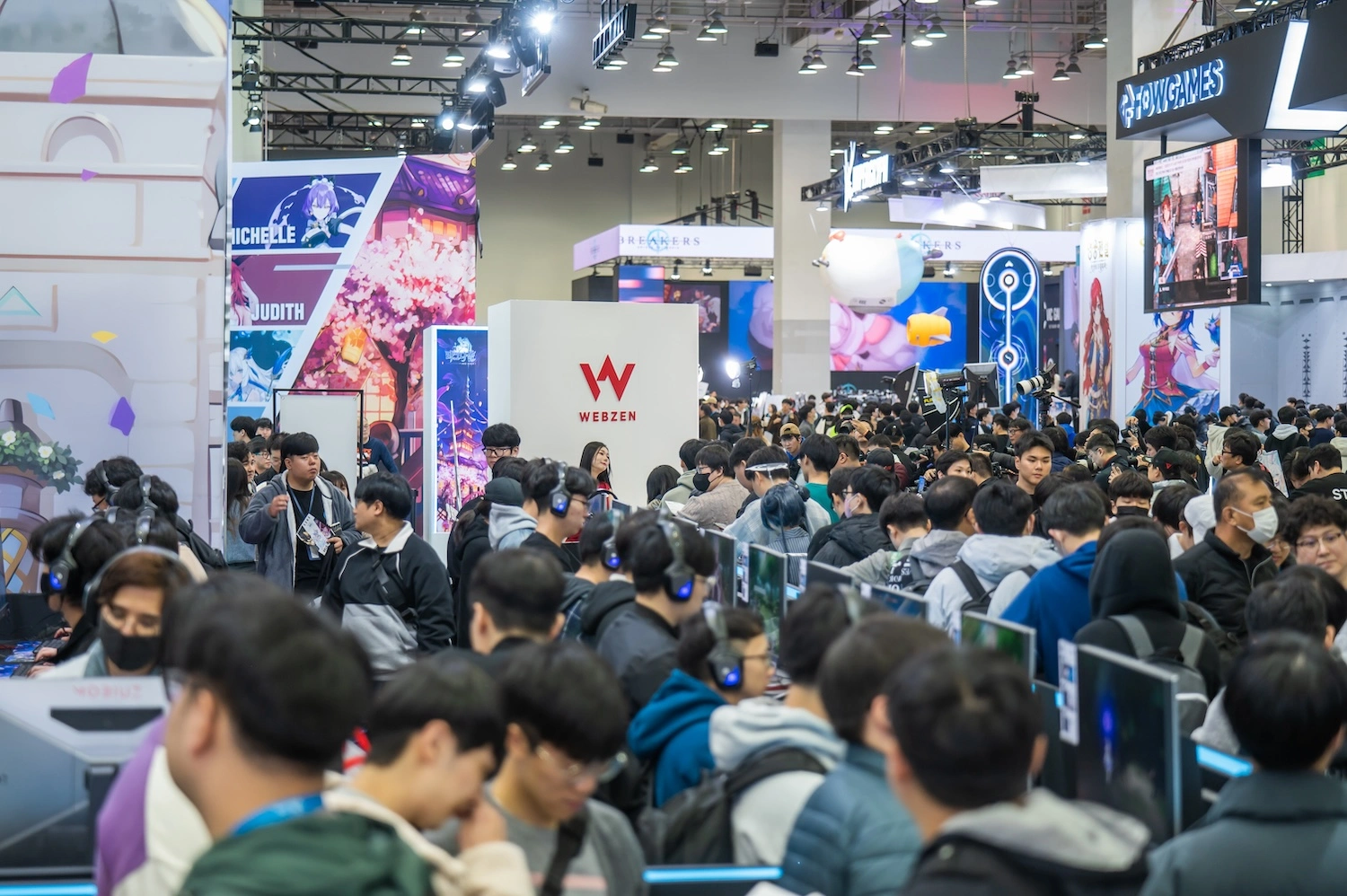
G-STAR Booth Strategy Q&A
G-STAR booth designation is based on application period, booth size, past participation, and compliance history. Priority is given in the following order:
1. Super Early Bird Exhibitors (Large-scale participants)
– Companies applying for 200+ booths: Priority selection within designated zones (BTC North, East, West)
– Companies applying for 40+ BTC and 40+ BTB booths: Booth selection via lottery within the finalized layout
2. Early Applicants
– Companies applying for 40+ BTC or 20+ BTB booths: Assigned after super early bird placement, with possible location coordination
3. General & Small-scale Exhibitors
– Booths assigned by organizers based on layout
To maximize your visibility, it’s crucial to confirm participation early, secure a booth location, prepare your RFP, and select a capable agency partner.
Most attendees enter through the central gate of BEXCO Exhibition Hall 1, which immediately exposes them to zones D02 and D03. These areas are prime real estate.
In high-traffic events like G-STAR, booth designation directly impacts performance. A centrally located booth maximizes visibility, encourages hands-on engagement, and drives social media buzz.
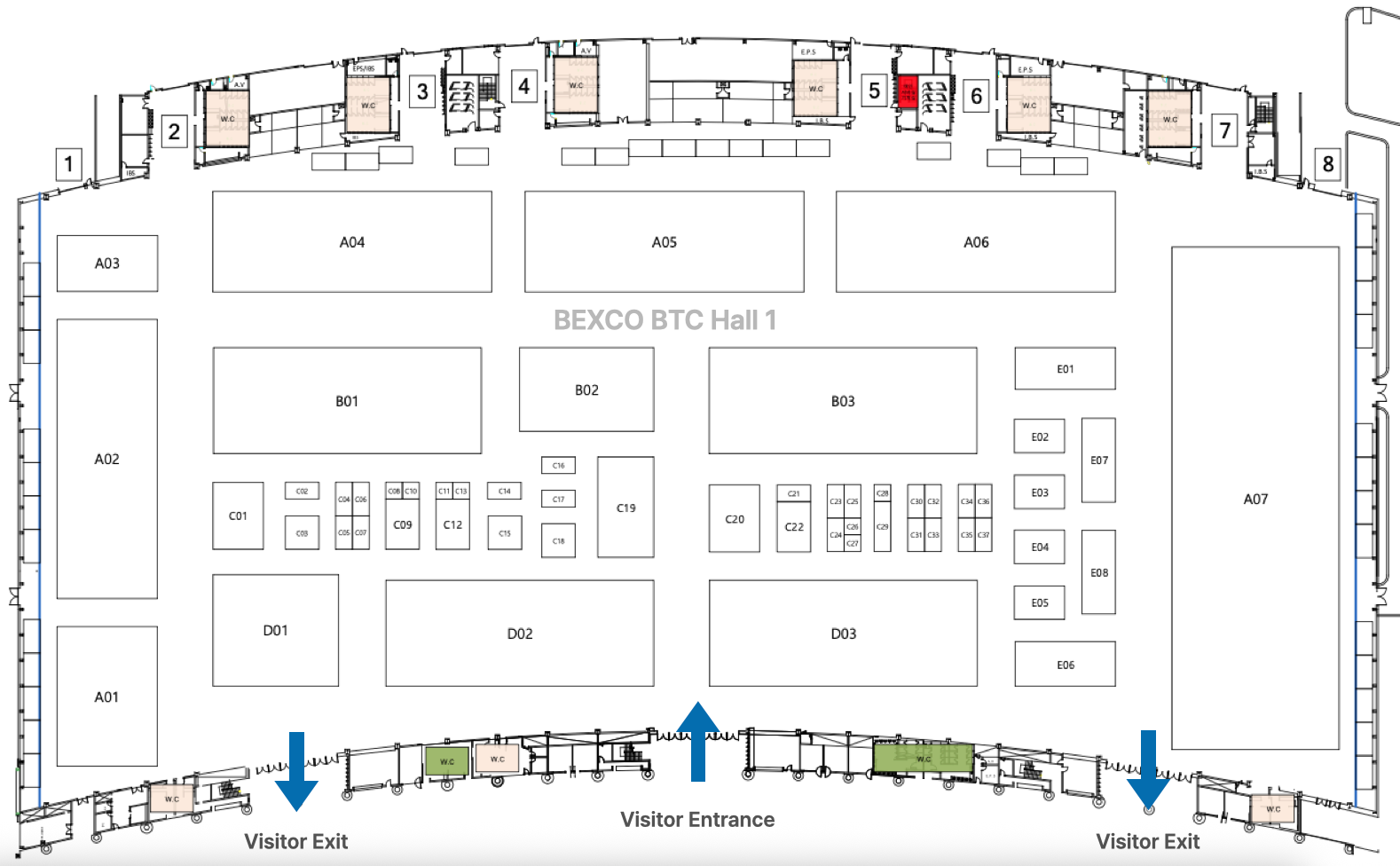
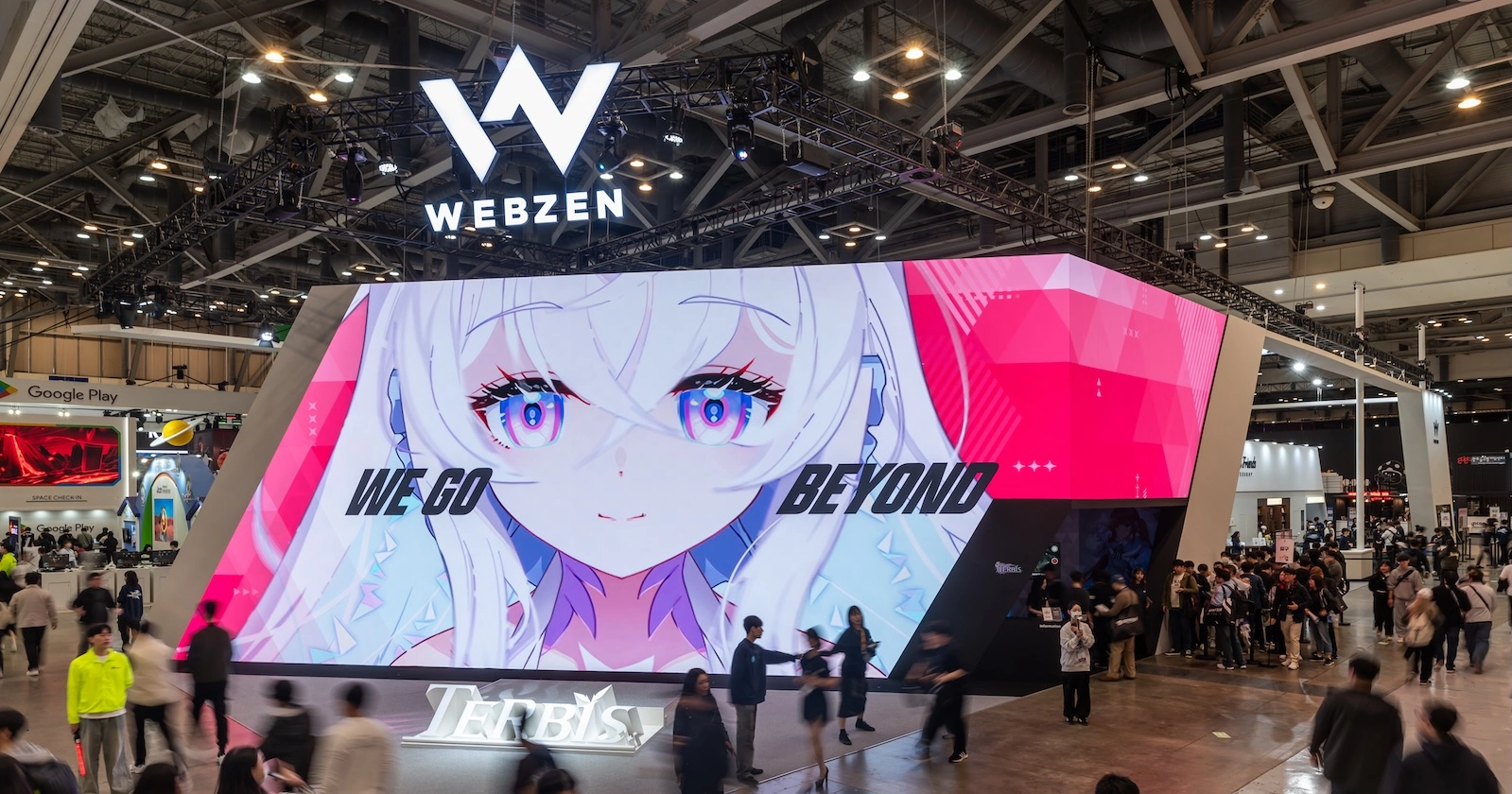
Webzen stole the spotlight in 2024 with its D03 booth. Facing the main entrance, its multi-dimensional structure featured an immersive LED display showcasing their new title TERBIS. With cosplayers and a photo zone, the booth was designed to maximize both in-person engagement and online shares. The media praised its layout and content execution as a best-case example.
👉View Webzen’s G-STAR Portfolio
G-STAR Outdoor Booth Q&A
Outdoor booths are open to any exhibitor, regardless of BTC/BTB participation. All outdoor participants automatically receive sponsor status.
Outdoor Booth Details
- • Booth Size: 9m x 9m
- • Price: KRW 25 million (approx. $18,300, excluding VAT) per booth
- • Non-exhibitors: +50% surcharge
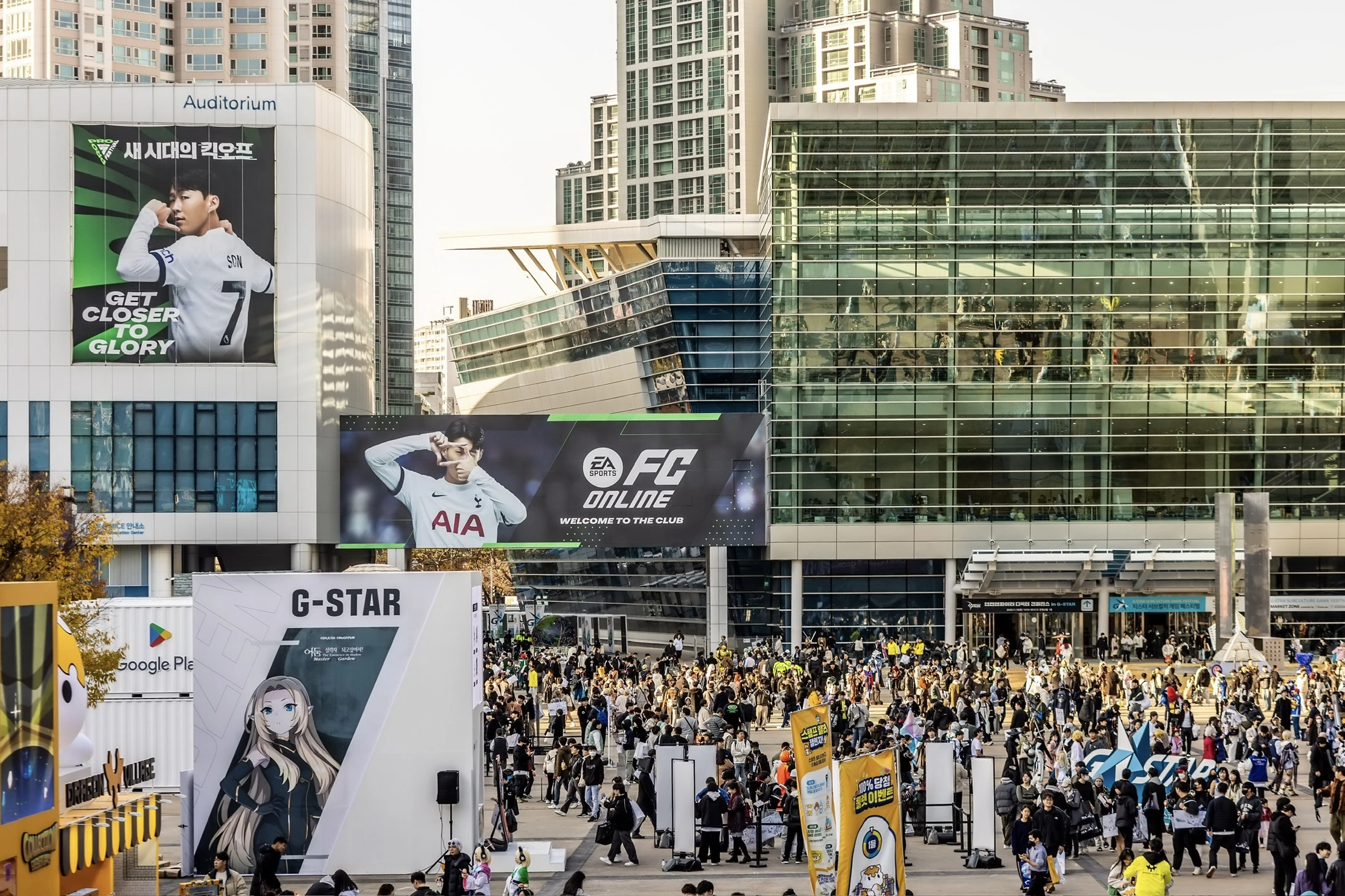
Outdoor booth rules differ significantly from indoor ones. Be sure to comply with these:
• Max height: 6m
• No 2-story structures (except for display-only upper containers)
• All elements must fit within the total space you’ve applied for.
• Video displays must face the main entrance of BEXCO.
Due to exposure, logistics, and structural regulations, it’s essential to work with an experienced partner.
Get Expert Help from Eidetic
From strategy to execution, we have deep expertise in managing indoor and outdoor booths at G-STAR. As one of the best marketing agencies in Korea, we deliver immersive, high-impact experiences that align with your marketing goals.
Up next: A step-by-step RFP guide for G-STAR exhibitors
G-Star Outdoor Advertising & Event Marketing Across Busan
June 12, 2025
G-Star Outdoor Advertising & Event Marketing Across Busan
During the G-Star Korea season, the excitement isn’t limited to BEXCO. Across Busan’s most popular hotspots—like Haeundae, Gwangalli, and Busan Station. G-Star outdoor advertising has become a key strategy for brands looking to stand out during Korea’s biggest game convention. From bold banners to immersive pop-up events, companies are taking their campaigns beyond BEXCO and into the heart of Busan.
In this article, we’ll explore how brands leverage outdoor spaces in Busan to drive visibility and engagement beyond the exhibition hall.
Before diving into specific case studies, let’s first take a look at the key hotspots around Busan where brands can create maximum impact.
Outdoor Spots in Busan for G-Star Outdoor Advertising
Some of the most impactful brand moments happen where the crowds naturally gather. These locations have proven to be prime zones for G-Star-related outdoor events and activations:
1. Busan Station
As one of the city’s busiest transportation hubs, Busan Station sees a massive influx of visitors arriving by KTX and regional trains—especially during G-Star week. It’s the perfect location for large-format OOH campaigns, station dominations, and welcome visuals that make a first impression as soon as attendees step off the train.
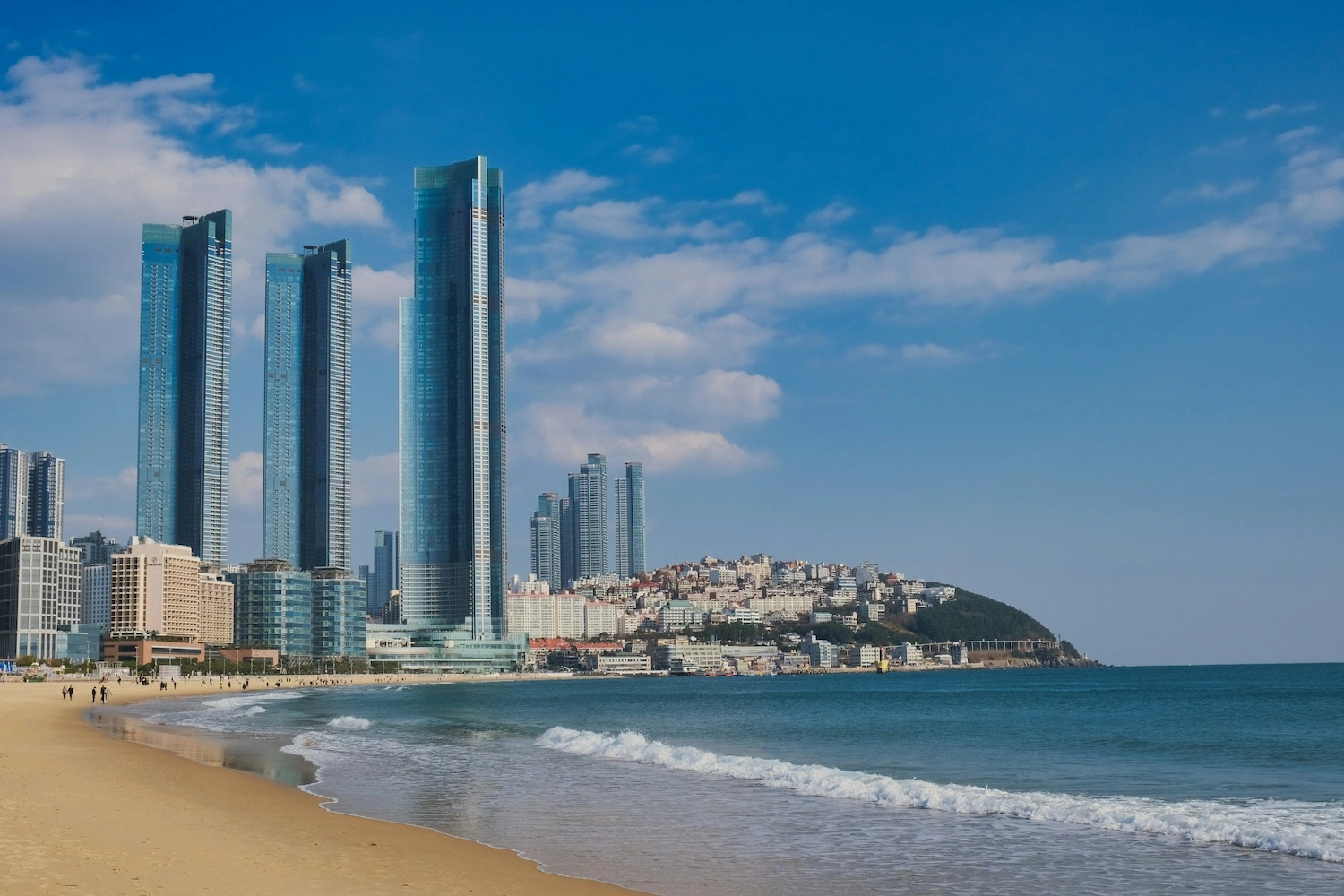
2. Haeundae Beach
A major tourist destination all year round, Haeundae transforms into a festival zone during G-Star. The beach and nearby plaza areas draw both locals and visitors, especially in the evening. It’s ideal for nighttime activations like drone shows, open-air events, or lifestyle branding experiences that connect gaming with pop culture.
3. Gwangalli Beach
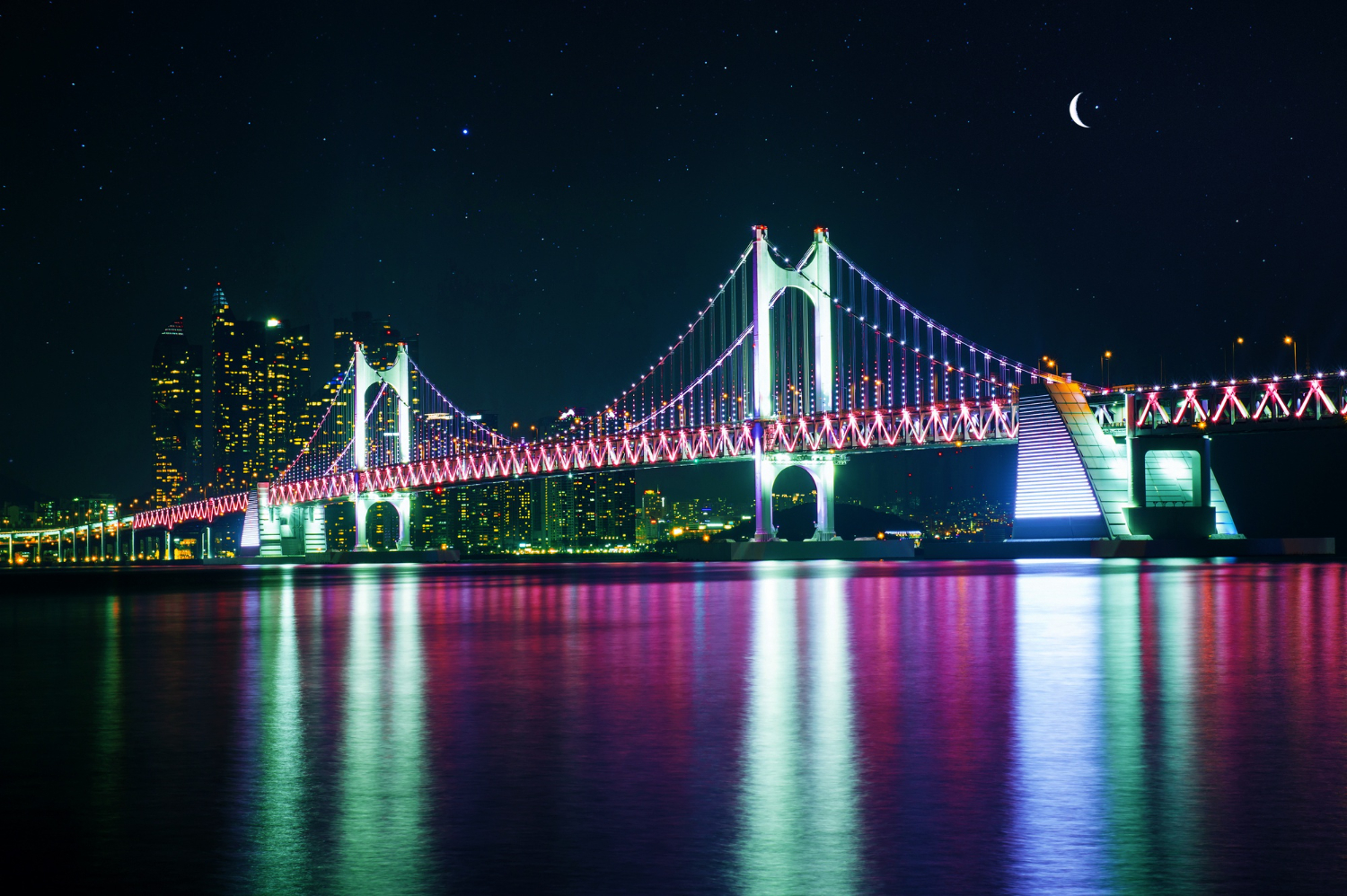
Known for its scenic ocean view and the iconic Gwangan Bridge, this beach attracts a younger crowd looking for social hangout spots. The beachfront road and wide pedestrian areas make it suitable for interactive booths, experience zones, and social-media-friendly installations.
4. Centum City
Located near BEXCO, Centum City includes one of the largest shopping malls in Korea (Shinsegae) and is a popular stop for G-Star attendees. With heavy foot traffic from both gamers and everyday shoppers, this area is perfect for spillover marketing, hybrid online-offline campaigns, and walk-through activations.
Next, let’s take a look at how some brands used these spots for outdoor ads and events during G-Star. Here are a few examples of how brands have promoted themselves at these locations.
Drone Show
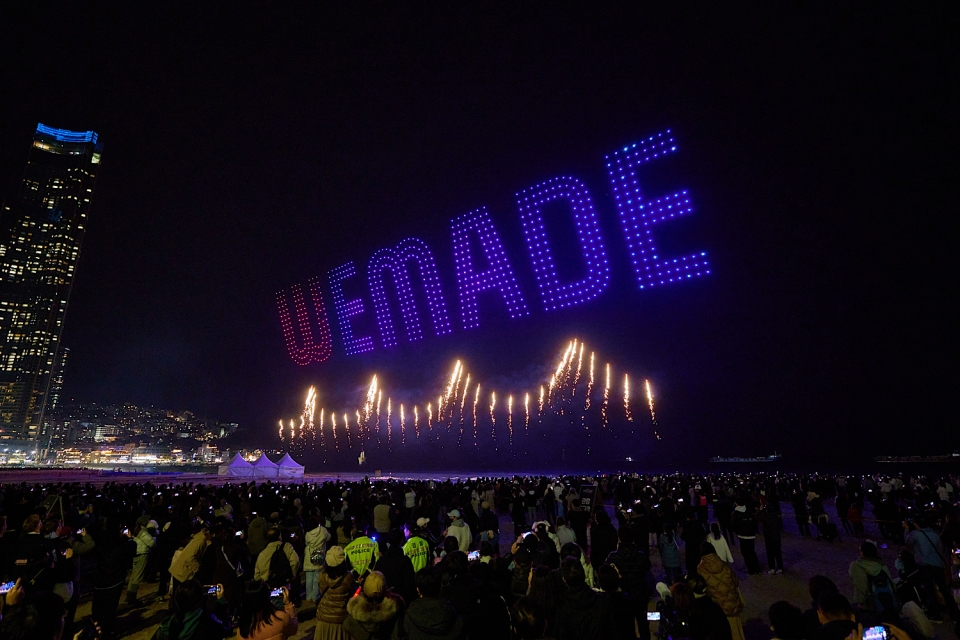
As the main sponsor of G-Star 2023, Wemade took outdoor marketing to the next level by organizing a massive drone show over Haeundae Beach. This spectacle wasn’t just for entertainment—it was a bold promotional move for their upcoming game titles and blockchain platform, WEMIX. With synchronized drones forming symbols, characters, and brand visuals in the night sky, Wemade effectively captured public attention beyond the exhibition hall and reinforced its identity as a forward-thinking tech brand.
Watch the full drone show from Wemade Festive Night → Youtube
Metro Branding
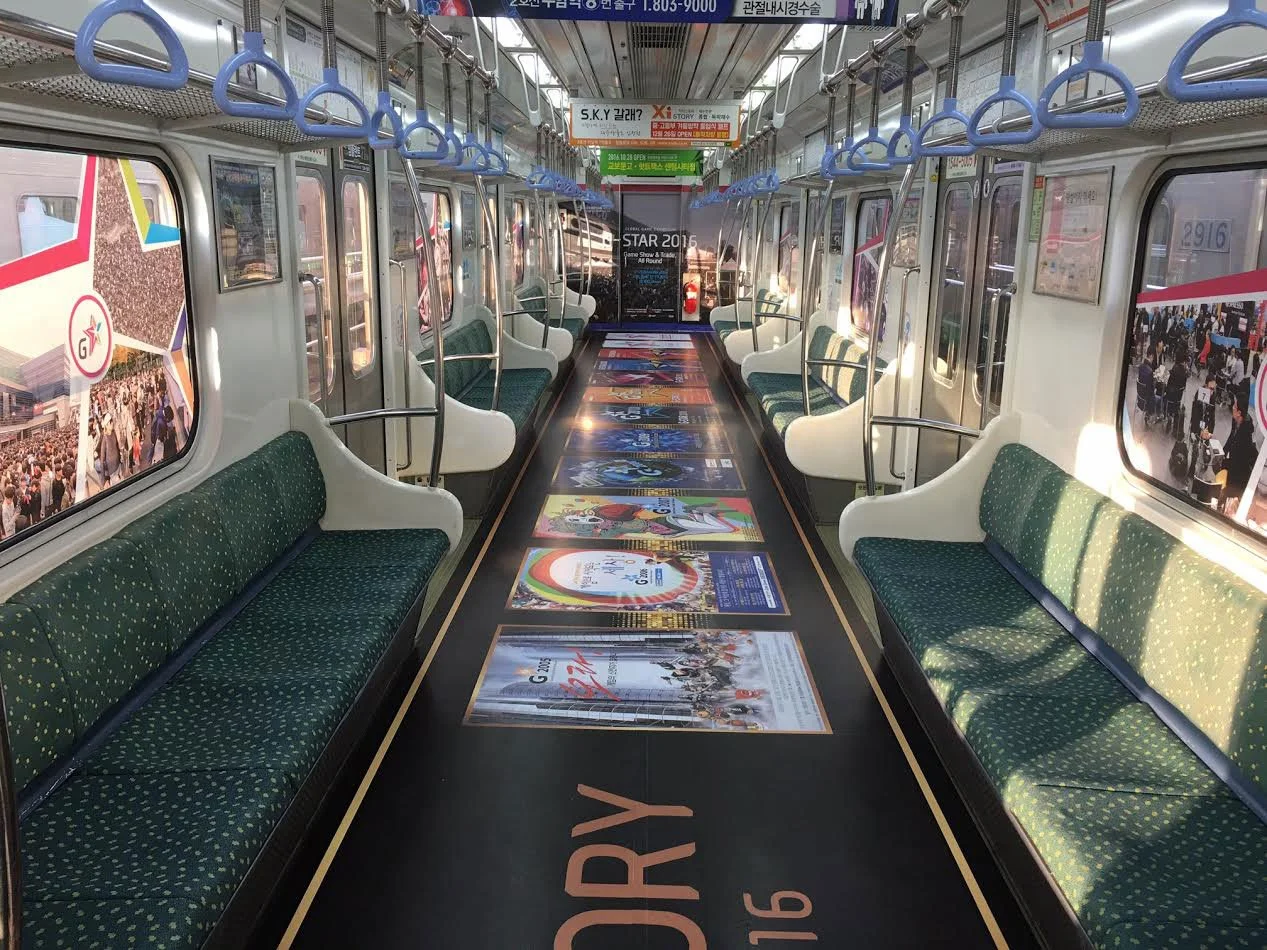
To extend the reach of G-Star branding throughout the city, the Busan Information Industry Promotion Agency launched a G-Star themed metro train. This train wrapped in promotional visuals connected Centum City with central transit hubs, drawing the attention of commuters and tourists alike.
OOH Advertising Plan in Busan
During G-Star season, OOH advertising becomes a powerful tool to capture attention even before attendees reach the show floor. With strategic placements in high-traffic areas, brands can maximize exposure to both local residents and inbound visitors.
Key OOH zones for G-Star:
- • Busan Station area: As the main arrival point for many out-of-town visitors, this area is ideal for large billboards, digital signage, and wall wraps. Ads here create an early and lasting impression.
- • Bus stops around Haeundae Beach and other major tourist zones: These are perfect for street-level posters, shelter ads, and side panels that target casual pedestrians and beachgoers.
- • Near BEXCO and Centum City: Surrounding the exhibition center, this area allows brands to reinforce messaging through lamp post banners, transit ads, and large-scale banners—reaching attendees on their way to the venue.
These OOH touchpoints help build anticipation, reinforce brand presence, and guide foot traffic toward key activations.
Experiential Setups & Photo Spots
Epic Games attracted attention with a life-sized “Battle Bus” installation at Haeundae Beach and large-scale branded banners. The immersive setup served as both a fan engagement point and a visual anchor for outdoor media coverage.
Outdoor Marketing: More Than Just Hype
Outdoor activations extend the visitor experience far beyond the show floor. They amplify awareness, drive foot traffic, and offer fans more accessible ways to engage with brands, even without a show badge. In Busan’s open-air settings, brands can go bigger, louder, and more unexpected—turning the whole city into a stage.
Planning an Outdoor Advertising Campaign?
We specialize in full-service event execution, from exhibition booths to city-wide brand experiences. Whether you’re planning a drone show, a scenic installation, or a themed train campaign, our team ensures creative consistency and flawless delivery.
🔗 See our content: G-Star Outdoor Booth Regulations
📹 Watch our Youtube: G-Star EA Sports

11 Lifesaver Essentials for G-Star Korea Exhibitors
August 27, 2024
11 Lifesaver Essentials for G-Star Korea Exhibitors
When exhibiting at G-Star Korea, preparation is key to ensuring a smooth and successful event. Here are 11 essential items you should bring with you, based on tried-and-true experience from seasoned exhibitors.
1. Fanny Pack
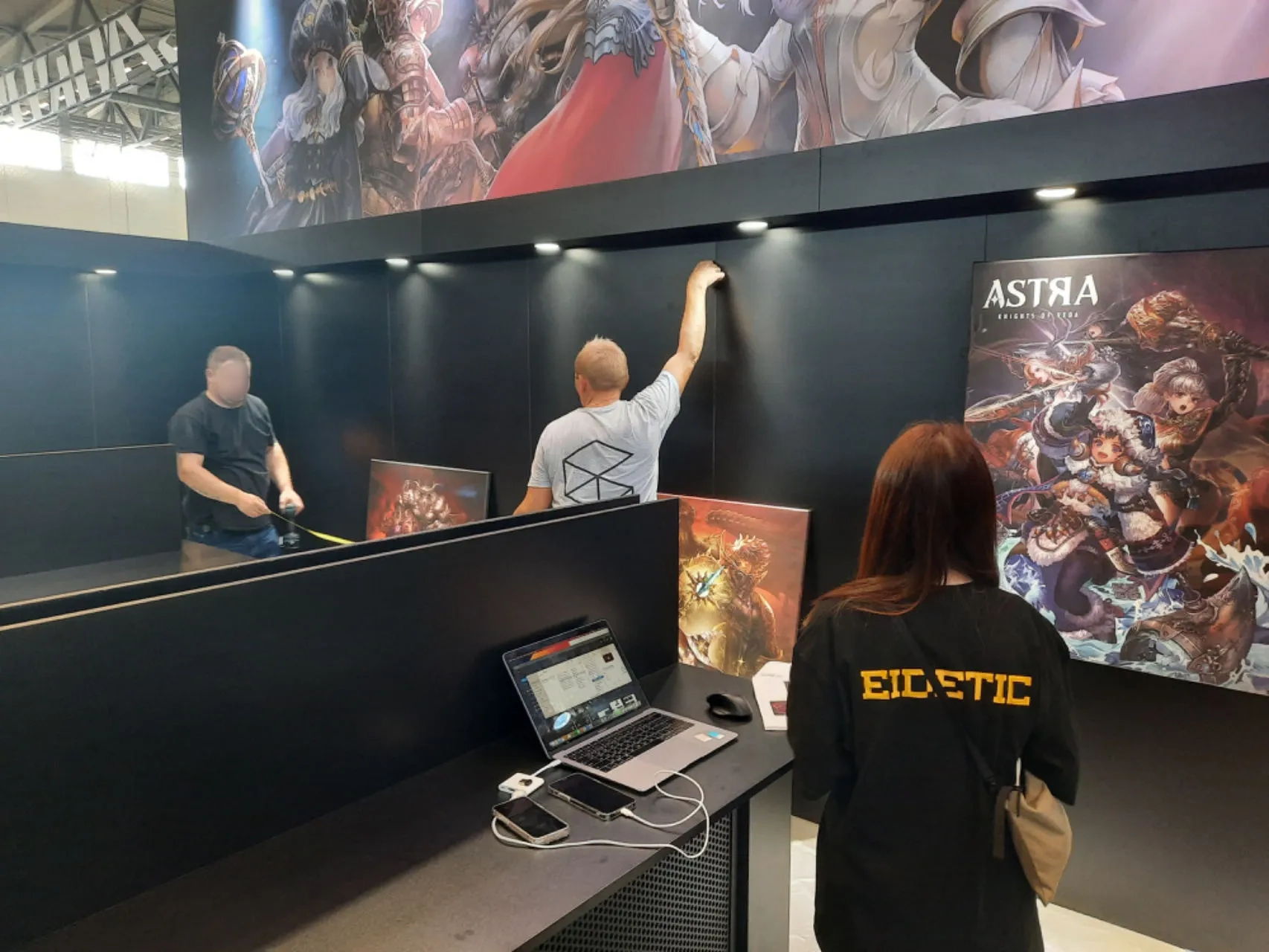
A fanny pack is essential for keeping your hands free while ensuring you have quick access to important items like scissors, stickers, and portable chargers. It allows you to move around the booth efficiently without constantly searching for your tools.
2. Branded Items
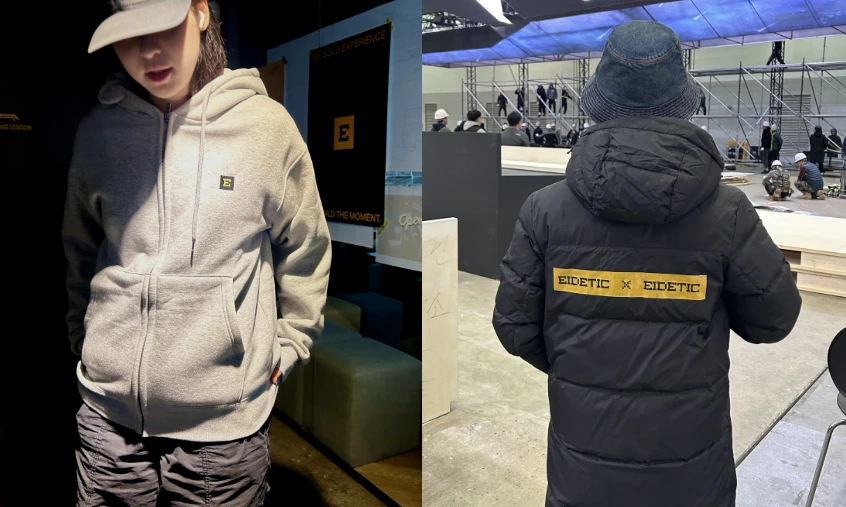
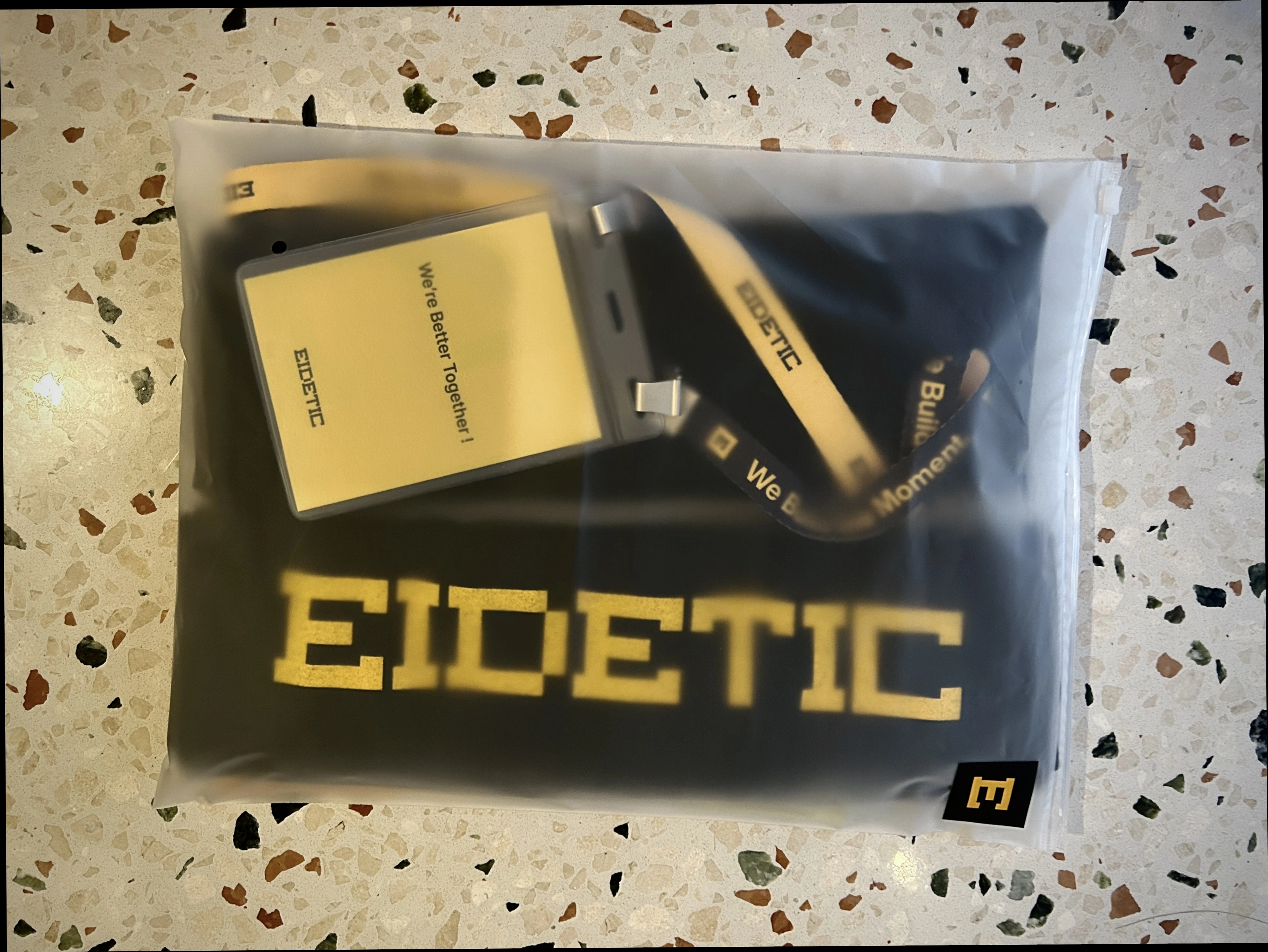
Why do we wear T-shirts, hoodies, and jackets with our company logo? The first reason is to ensure everyone knows we’re part of the same team, even from a distance. It creates a sense of unity and makes it easy to identify team members. The second reason is to promote our company. We take pride in creating stylish, high-quality branded items that not only look great but also represent our brand well. In fact, we’ve had clients request design services after seeing our shirts. It’s a part of our commitment to detail and something we’re always proud of.
3. Whiteboard
A whiteboard is invaluable for managing inventory in your designated storage container, which will be located close to your G-Star booth. This is where you’ll store most of your merchandise. Using a whiteboard allows you to easily track and update stock quantities, making it much easier to manage inventory changes on the fly. This is one of those practical tips that come from years of experience at G-Star.
4. Printer
A printer is essential for quickly printing scripts, schedules, wrap-up meeting notes, and simple graphics. It’s especially useful for scripts — during rehearsals, any changes that need to be made can be promptly edited and reprinted. Having a printer on hand allows for immediate updates and ensures everyone has the most current information.
5. Stickers
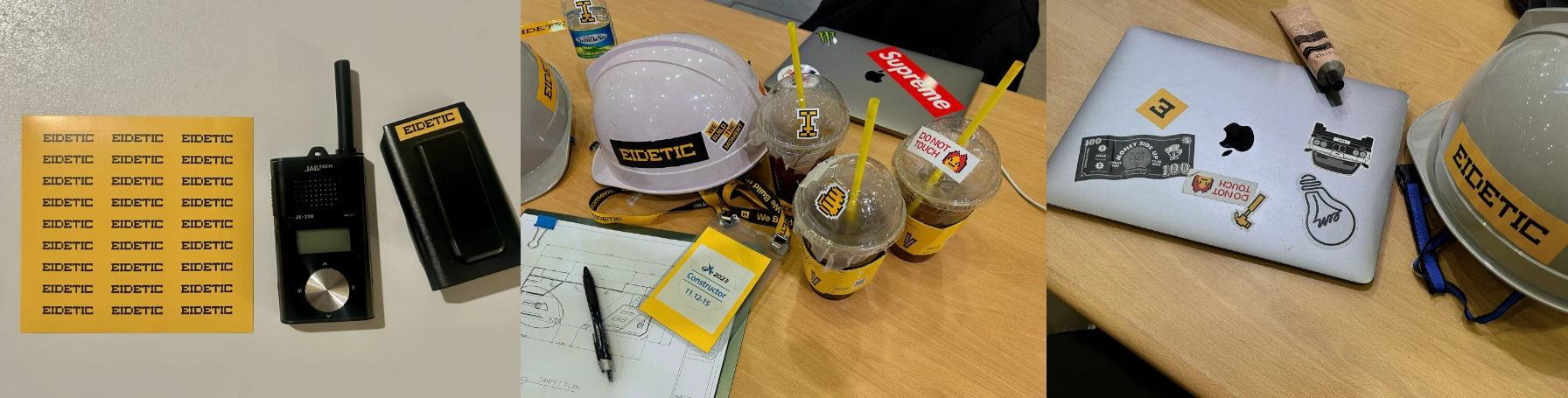
Various stickers are incredibly versatile and can be used for a variety of purposes:
- • Logo Sticker
- • Icon Sticker
- • Box Sticker
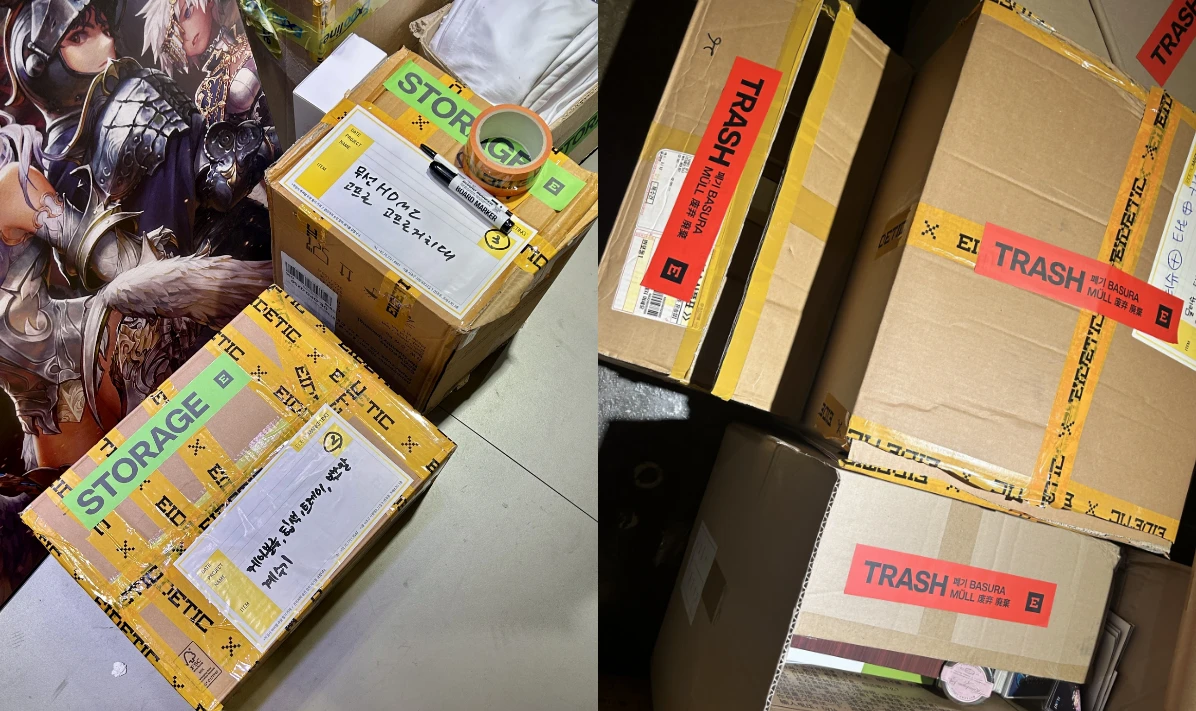
Stickers are especially useful for labeling personal items during the setup period when many people are on-site. It’s easy for drinks like coffee to get mixed up, particularly in Korea, where iced Americanos are incredibly popular. Since the drinks all look the same, having a designated icon sticker makes it easier to identify your own.
Icon stickers are visually intuitive, making them perfect for quick identification. Box stickers are also useful for clearly labeling boxes for storage or disposal, making the packing process much more organized after the event.
6. Walkie-Talkies
Effective communication is crucial during an event like G-Star, and walkie-talkies are essential for keeping your team connected. When using walkie-talkies, it’s important to clearly identify yourself both when speaking and when responding. With dozens of people potentially sharing the same channel, things can quickly become chaotic, so clear communication is key to maintaining order and efficiency. This simple practice ensures that everyone knows who is talking and helps avoid confusion.
7. Lanyards
Having lanyards with ID badges for your team not only looks professional but also helps with security and identification of members on site. Make sure they’re comfortable for all-day wear.
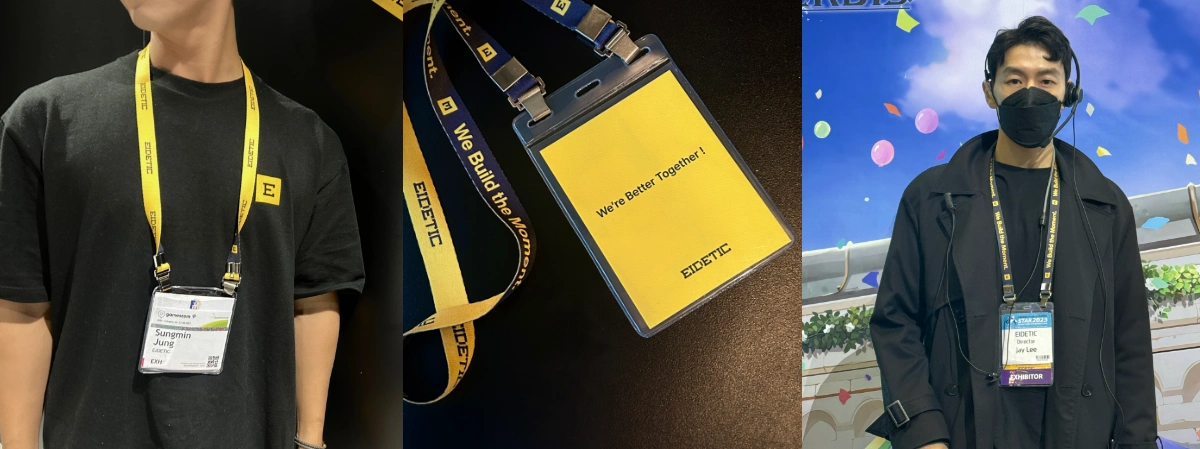
❗️Sometimes you might need name tag cases when you participate gaming convention. Here’s why. [Link]
8. Safety Helmets
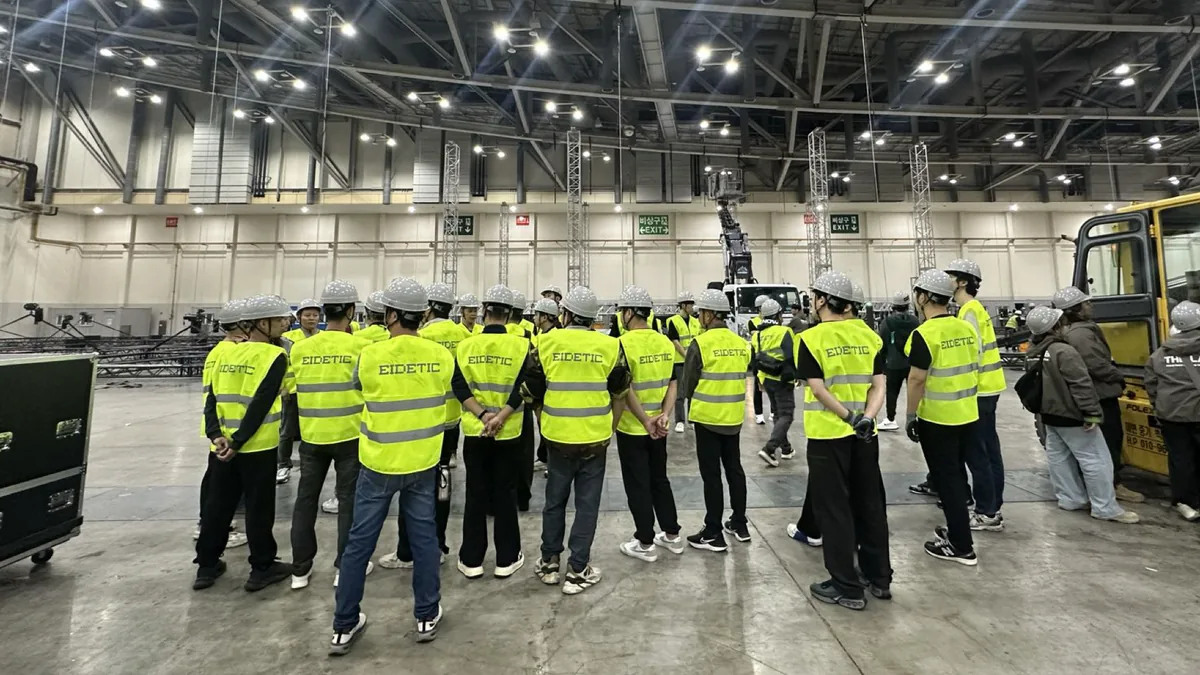
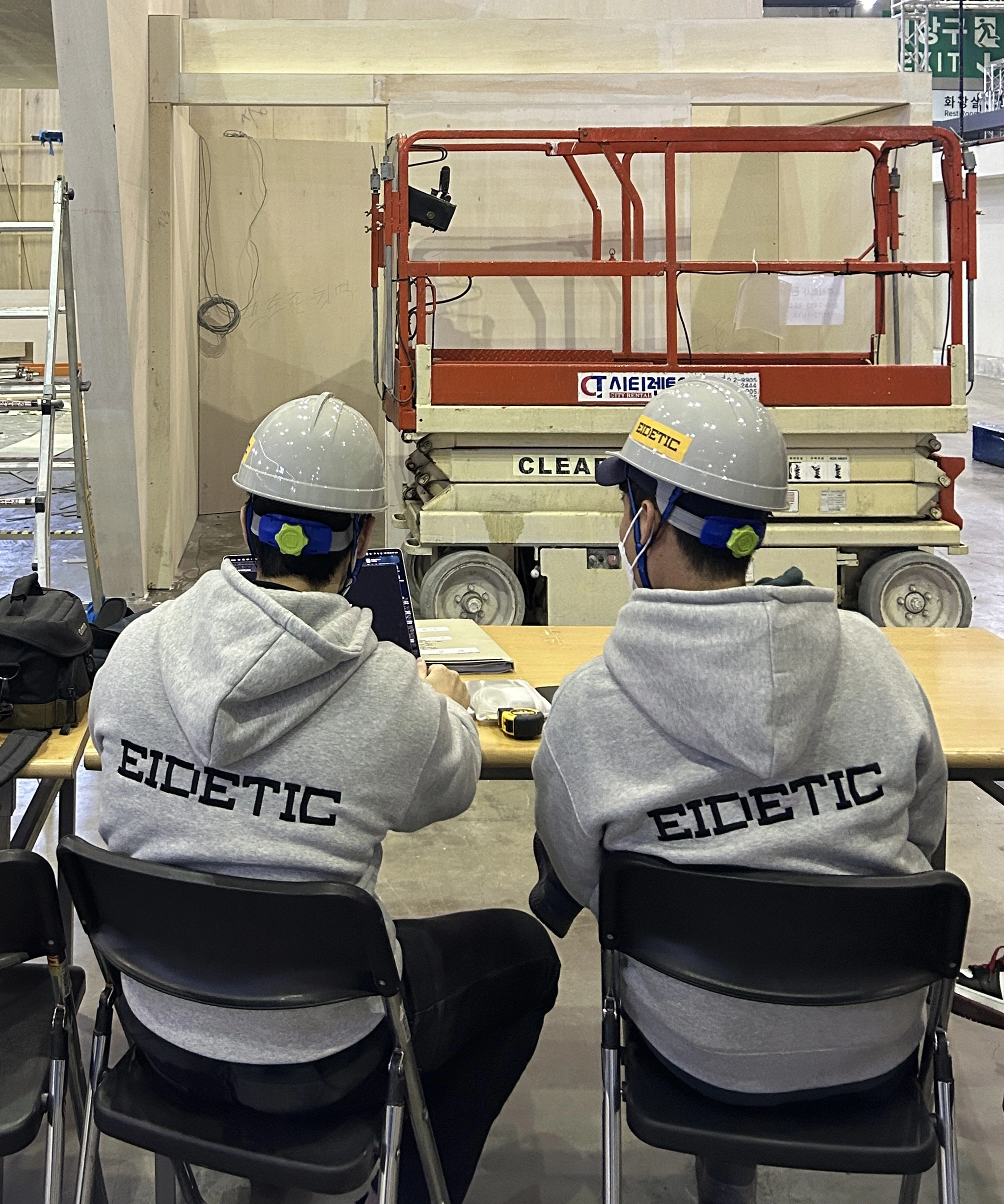
The G-Star organizing committee closely monitors compliance with safety regulations throughout the setup period. As they regularly inspect the site to ensure all safety measures are followed, it’s crucial to bring and wear safety helmets during this time. Make sure your team is prepared to adhere to these guidelines to avoid any issues.
9. Pain Relief Patches
It’s a good idea to apply pain relief patches in advance, especially if you know you’ll be on your feet all day, carrying heavy items, or doing a lot of walking around the venue. Muscle aches are almost inevitable in this kind of environment. For those experiencing more severe pain, larger patches might be necessary. In Asia, smaller “coin-sized” patches are quite popular and effective. You can pick these up at a local pharmacy. Applying them to sore areas before heading out to the site can make a big difference, helping you feel lighter and more comfortable throughout the day.
10. Energy Bars
Working on-site can be incredibly hectic, leaving little to no time for proper meals. You’re constantly on the move, expending a lot of energy throughout the day. Keeping snacks like energy bars, chocolates, and candy on hand is highly recommended. These quick bites provide a much-needed energy boost, helping you stay focused and productive even when you can’t take a break for a full meal.
11. Comfortable and Warm Clothing
Korean winters can be quite cold, especially in November. If you’re managing an outdoor booth, long puffer jackets and hand warmers are essential. Comfortable shoes are also a must since you’ll be standing and walking around for long periods. At G-Star, you could log up to 30,000 steps a day, so make sure your footwear is up for the challenge!
By bringing these 11 essential items, you’ll be well-prepared to handle any situation that comes your way at G-Star. Proper preparation not only ensures a smoother experience but also helps your team stay focused on what really matters.
G-Star Korea Outdoor Booth & Exhibition Regulations
August 19, 2024
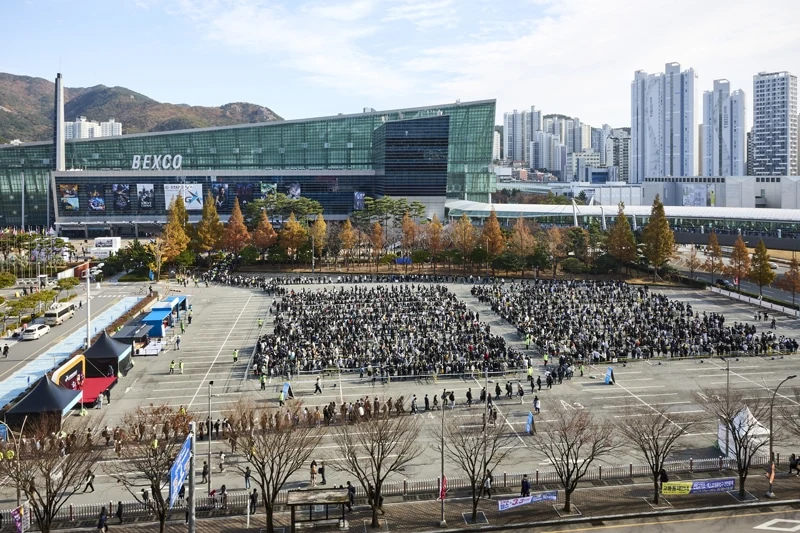
Navigating exhibition halls and outdoor booths for G-Star can be a complex task, especially with the various exhibition halls and rules. This guide is designed to help exhibitors make the most of their experience by understanding the layout, regulations, and logistics of the venue.
1. What Companies Are in the 1st and 2nd Exhibition Hall?
Before selecting a hall, it’s important to understand the key characteristics of G-Star Korea. Known for showcasing new IPs, G-Star is essentially a launch event for new games. This means designing an eye-catching booth and incorporating engaging events are crucial to attracting interest. For more information, check out our article on tips on booth design and operation. [Link]
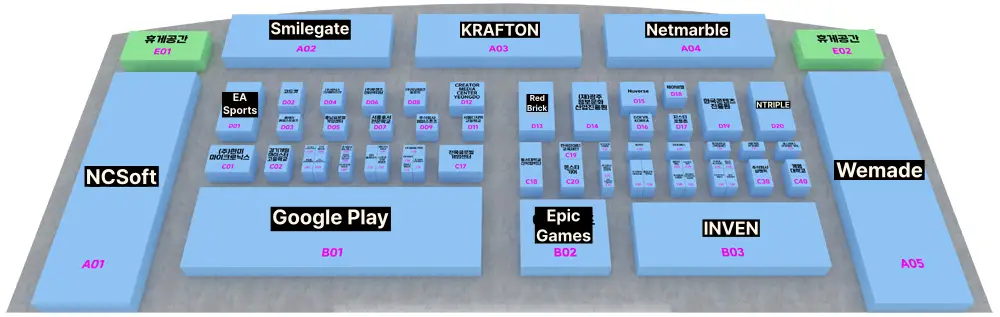
1st Exhibition Hall:
The 1st exhibition hall typically hosts larger, top gaming companies. This is where you’ll find booths dedicated to major titles and well-established IPs. It’s the prime location for showcasing blockbuster games and making a significant impact with a large audience.
2nd Exhibition Hall:
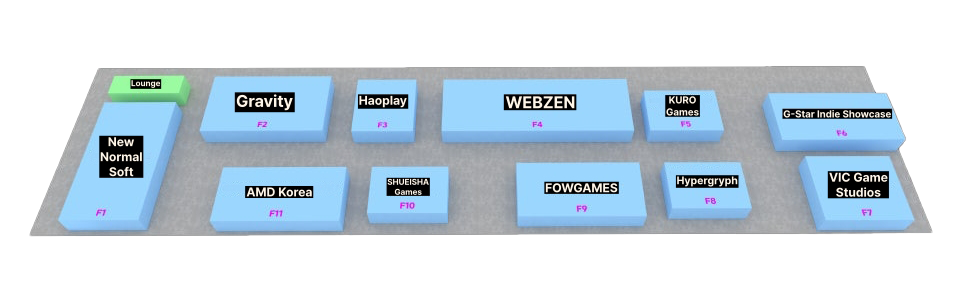
The 2nd exhibition hall, on the other hand, is the hub for subculture exhibitions. This hall is packed with booths showcasing subculture games, which are often a niche or have a dedicated but smaller fanbase. This area is ideal if your company is introducing anime style game IPs that cater to specific subcultures or if you’re looking to target a more focused audience.
Choosing the Right Exhibition Hall
Choosing the right exhibition hall depends on your game IP’s genre and target audience. For those introducing new IPs, the 2nd exhibition hall might be more suitable. Remember, G-Star is increasingly focused on showcasing new game IPs rather than established ones, so strategize accordingly to maximize exposure and engagement.
2. Booth Regulations
Booth Size
Understanding the booth regulations is essential for planning your space effectively at G-Star. When determining your booth size, you can convert square footage to square meters and then divide by 9 to calculate the number of booths you’ll need. For example:
600 sqft ➤ 55 sqmt ➤ 6 booths
Booth sizes can vary greatly, with some companies like NCSoft and Wemade occupying up to 200 booths each. EA Sports, for example, has a 20-booth setup.
Content Advisory
Graphics or visual content that are excessively revealing may be subject to restrictions by G-Star Korea. To ensure compliance, it is essential to obtain prior approval from the G-Star organizing committee for such materials. This approval process may require adjustments to character costumes, including those worn by cosplay models and staff.
Costumes such as bikinis, lingerie-like outfits, or attire that exposes significant amounts of skin are not permitted. It is crucial that all visual content and costumes adhere to the established guidelines to avoid last-minute alterations or potential restrictions.
3. Where is the Outdoor Booth?
G-Star Korea Outdoor Booth Location
G-Star Korea outdoor booth area is located in front of the 1st exhibition hall. If your booth is in the 2nd exhibition hall, be prepared for a considerable distance between your indoor booth and the outdoor area. This can pose logistical challenges, especially when it comes to restocking merchandise. It’s crucial to maintain quick communication and efficiently transport goods from your container storage to the booth.
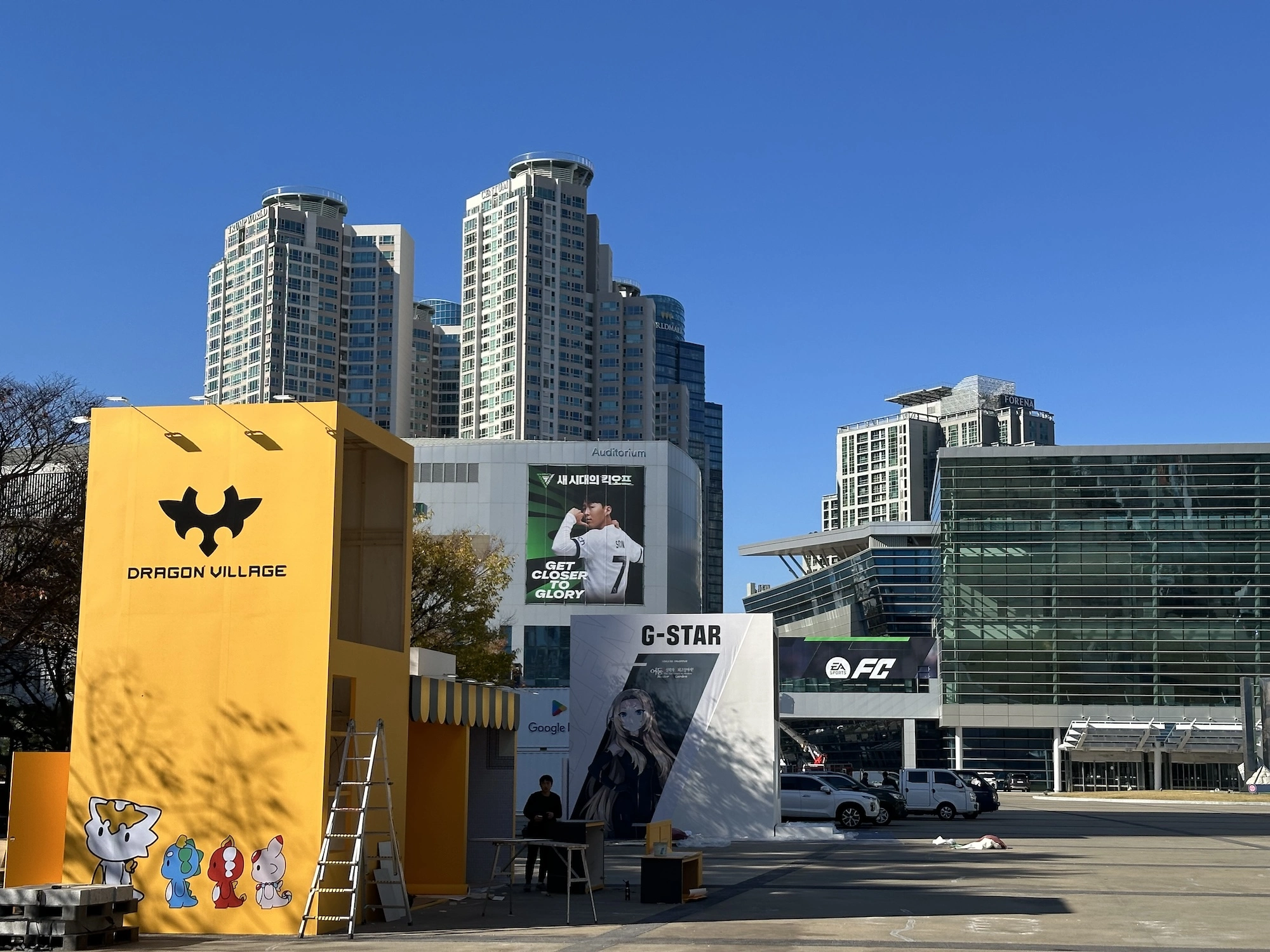
Storage Planning to Sound
When designing the layout for your G-Star Korea outdoor booth, it’s essential to plan for storage space to keep your merchandise or other items. All outdoor booths tend to increase their sound levels due to the external noise, which can lead to sound competition among booths. If your booth includes an LED screen, consider preparing additional speakers. Remember, the sound output for outdoor booth amplifiers needs to be stronger than those used indoors.
Weather
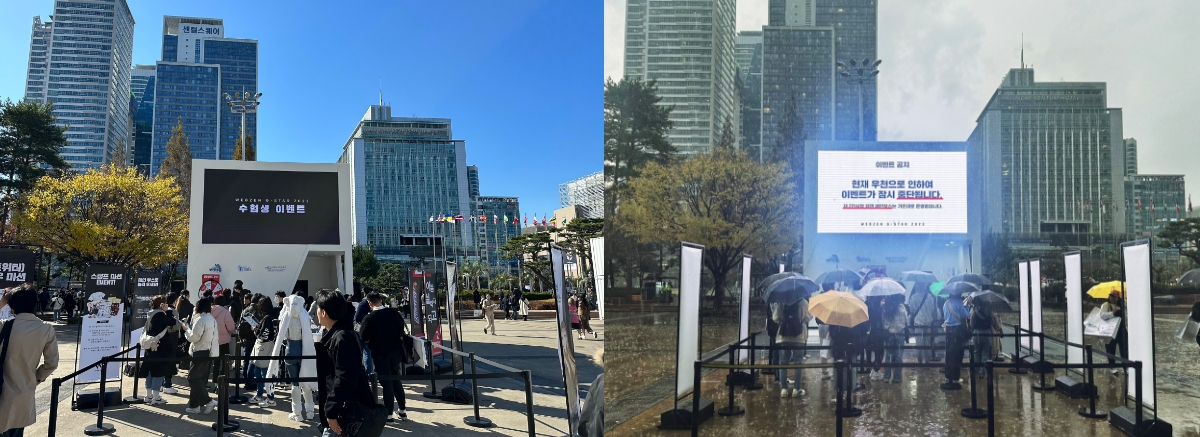
During last year’s G-Star, both snow and rain made an appearance. While the weather for this year remains uncertain, outdoor booths are highly susceptible to weather conditions. 😇 It’s a good idea to prepare hand warmers for attendees waiting in line to prevent them from leaving due to the cold. Additionally, have a sign ready to inform attendees that events may be temporarily suspended in case of rain.
4. Material Handling & Drayage Fee
For U.S. exhibitions, a material handling fee is always charged, and it may also be applied at some European exhibitions. However, the good news is that G-Star Korea does not impose this fee, so you don’t need to worry too much about bringing in your exhibition materials, as there won’t be any additional costs related to material handling.
This guide should help you better navigate booth regulations and make informed decisions for G-Star Korea. Planning ahead with these details in mind will ensure a smoother and more successful event.
Previous: How to get to BEXCO for G-Star Korea
How to Get to BEXCO for G-Star Korea Exhibitors
August 9, 2024
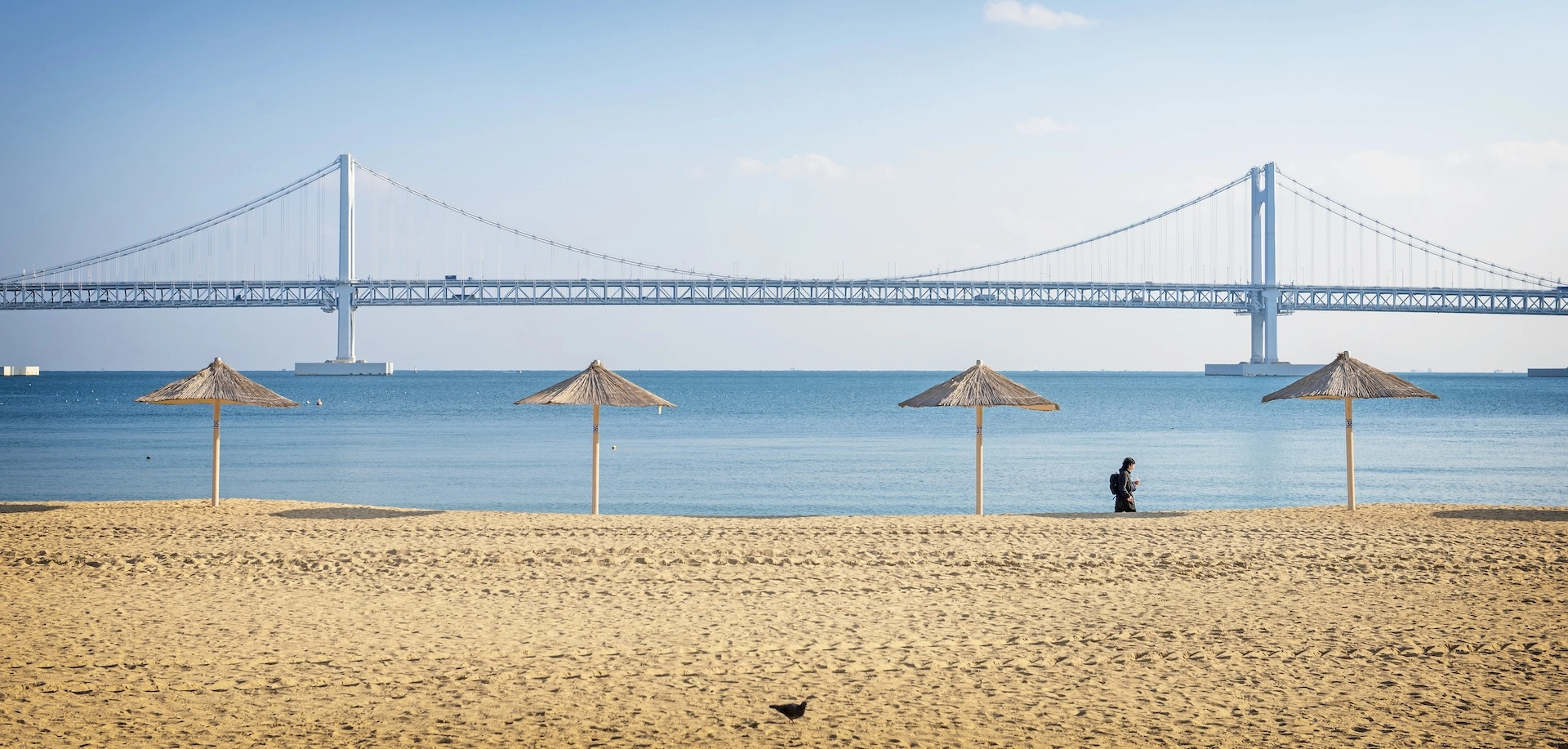
Today, we’re diving into detailed transportation information for navigating Busan. These tips may seem small, but they can make a big difference in your trip planning for G-Star. We hope this guide is helpful for teams planning their trip to the event.
Before diving in, it might be useful to check out our general transportation and parking tips for more background.
Previous Content: Hotel Booking & Parking Tips
Now, let’s explore how to get to BEXCO or your hotel in Busan via various transportation methods, including flights, trains, buses, subways, and taxis. I hope this guide provides practical assistance to exhibitors preparing for G-Star Korea.
1. When Arriving at Incheon Airport
Route: Incheon Airport ➤ Seoul Station ➤ Busan Station
One common route is to take the airport railroad from Incheon Airport to Seoul Station, then transfer to the KTX for Busan Station. Despite Gimhae International Airport being closer, many travelers opt for this route due to better connectivity.
1-1. Incheon Airport ➤ Seoul Station (via Airport Railroad)
The quickest way from Incheon Airport to Seoul Station is by the Airport Railroad. Since Seoul Station is centrally located, taxis and buses can take longer. However, the regular Airport Railroad stops at several stations between the airport and Seoul Station, which can take time (68 minutes from Terminal 2 to Seoul Station.)
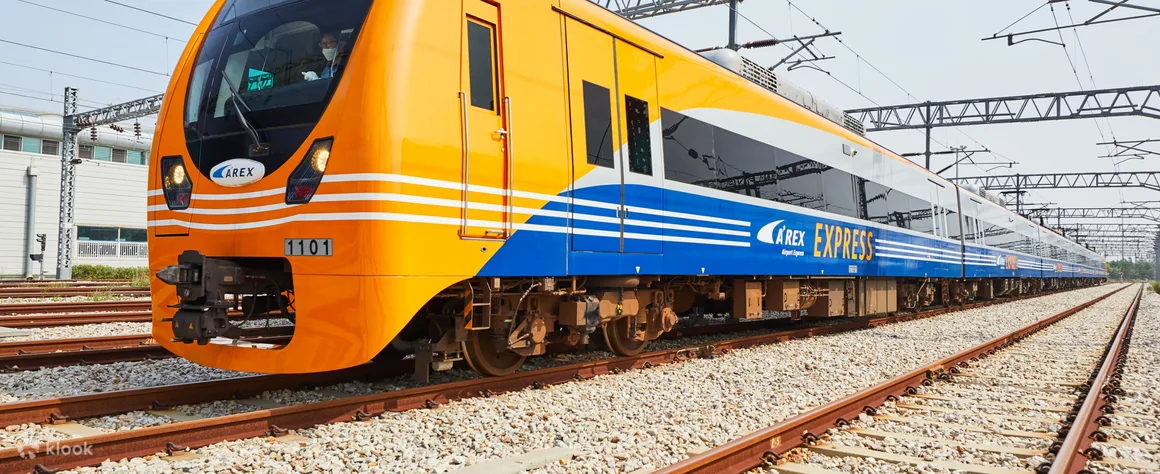
The AREX Express Train is the fastest option, running non-stop directly to Seoul Station.
- • Travel Time: 43 minutes from Terminal 1 to Seoul Station, 62 minutes from Terminal 2 to Seoul Station.
- • Fare: 11,000 KRW (approximately $8) for adults.
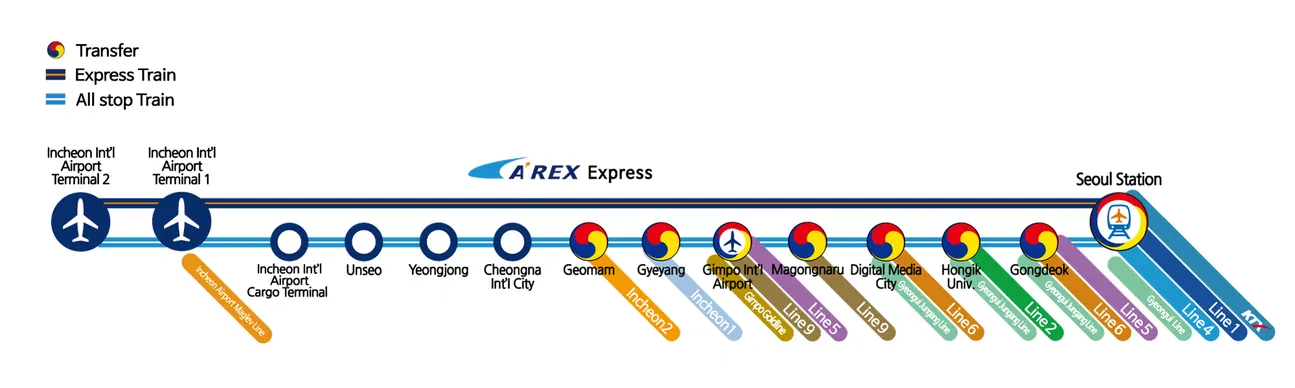
For more details on ticket purchasing, usage and train schedule, check out the link: AREX Site Link
Here’s a detailed guide on how to take the express train [Link]
1-2. Seoul Station ➤ Busan Station (via KTX)
Upon arriving at Seoul Station, you’ll need to transfer to the KTX for Busan. Allow at least 15 minutes to navigate the station, but it’s wise to budget around 30 minutes just in case.
- • Travel Time: 2 hours 45 minutes to 3 hours 20 minutes from Seoul to Busan by KTX.
- • Fare: 59,800 KRW (approximately $43) for adults.
KTX Reservation here [Link]
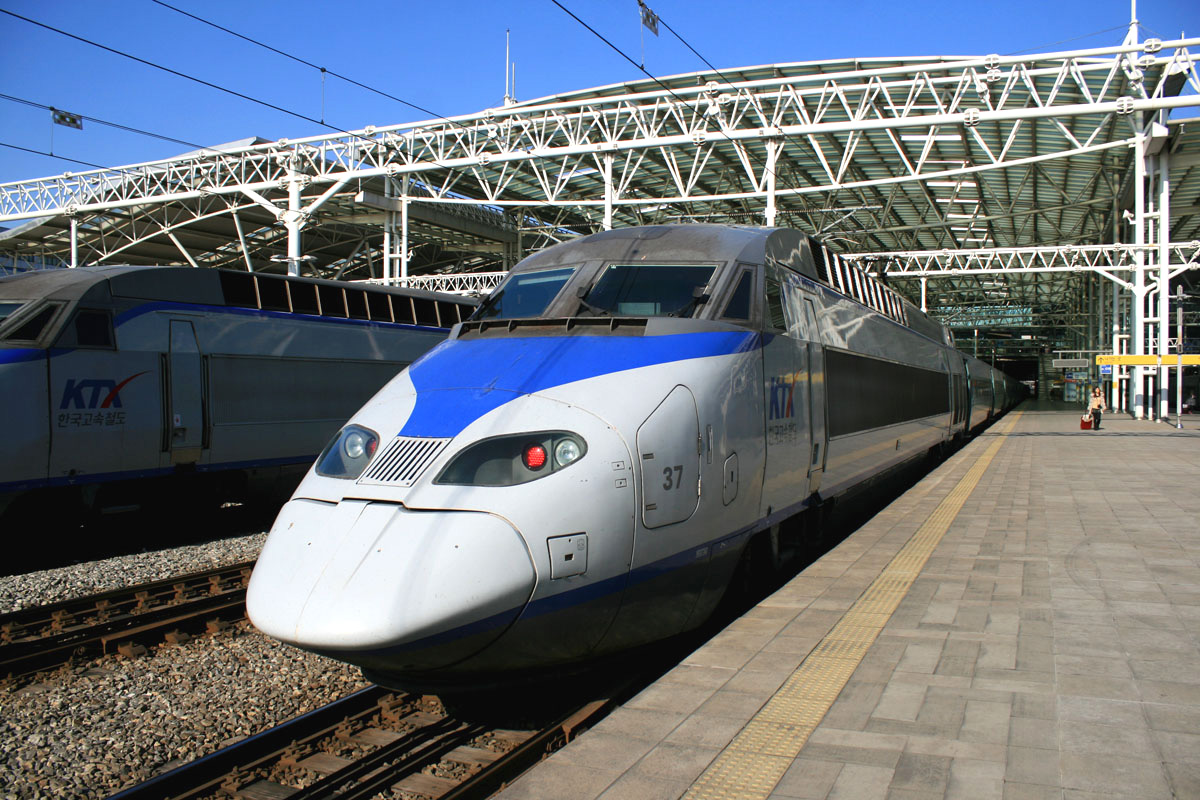
1-3. From Busan Station to BEXCO or Your Hotel
a. By Express Bus (Bus #1001, #1003 recommended ⭐️⭐️⭐️)🚌
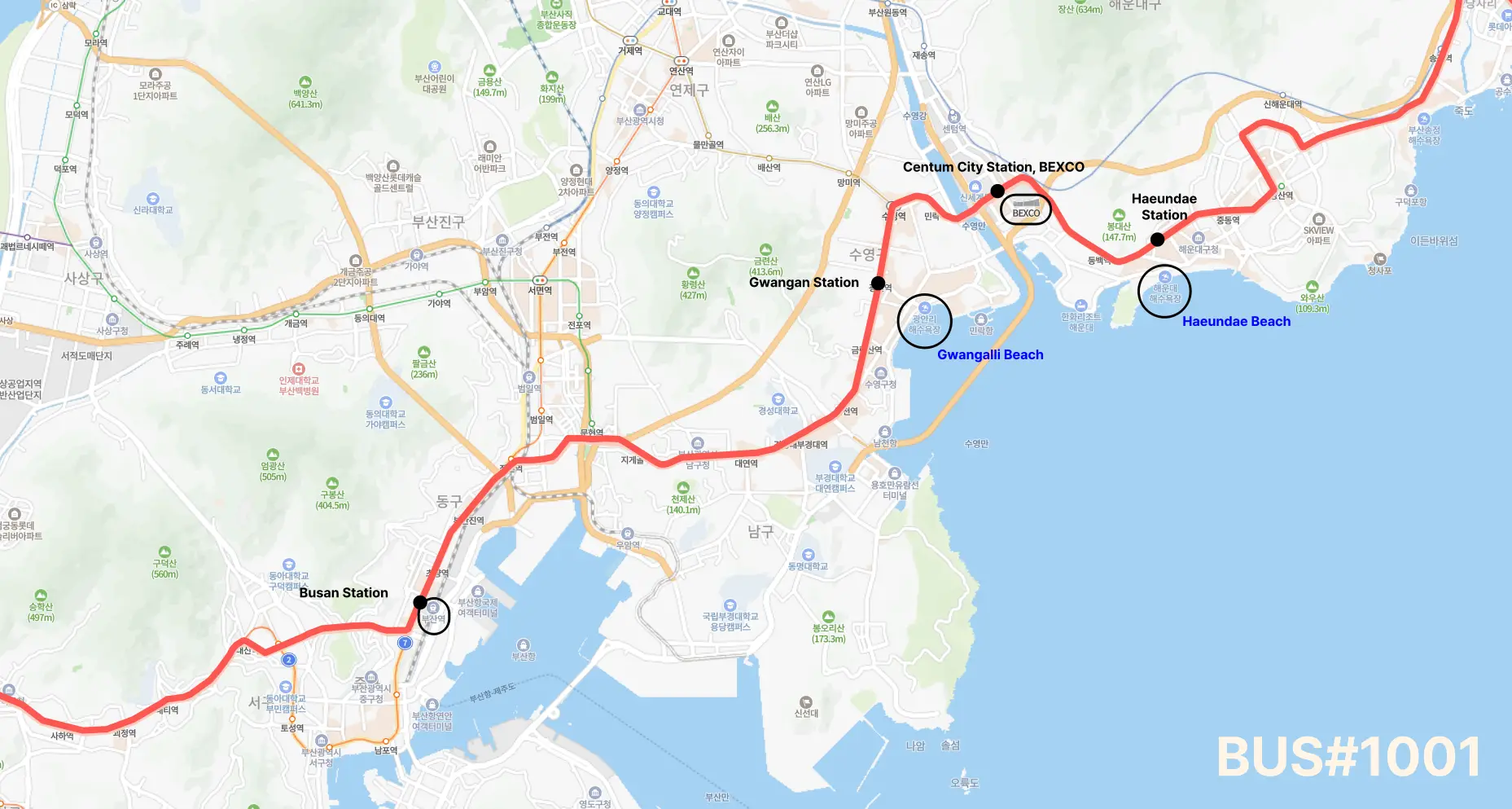
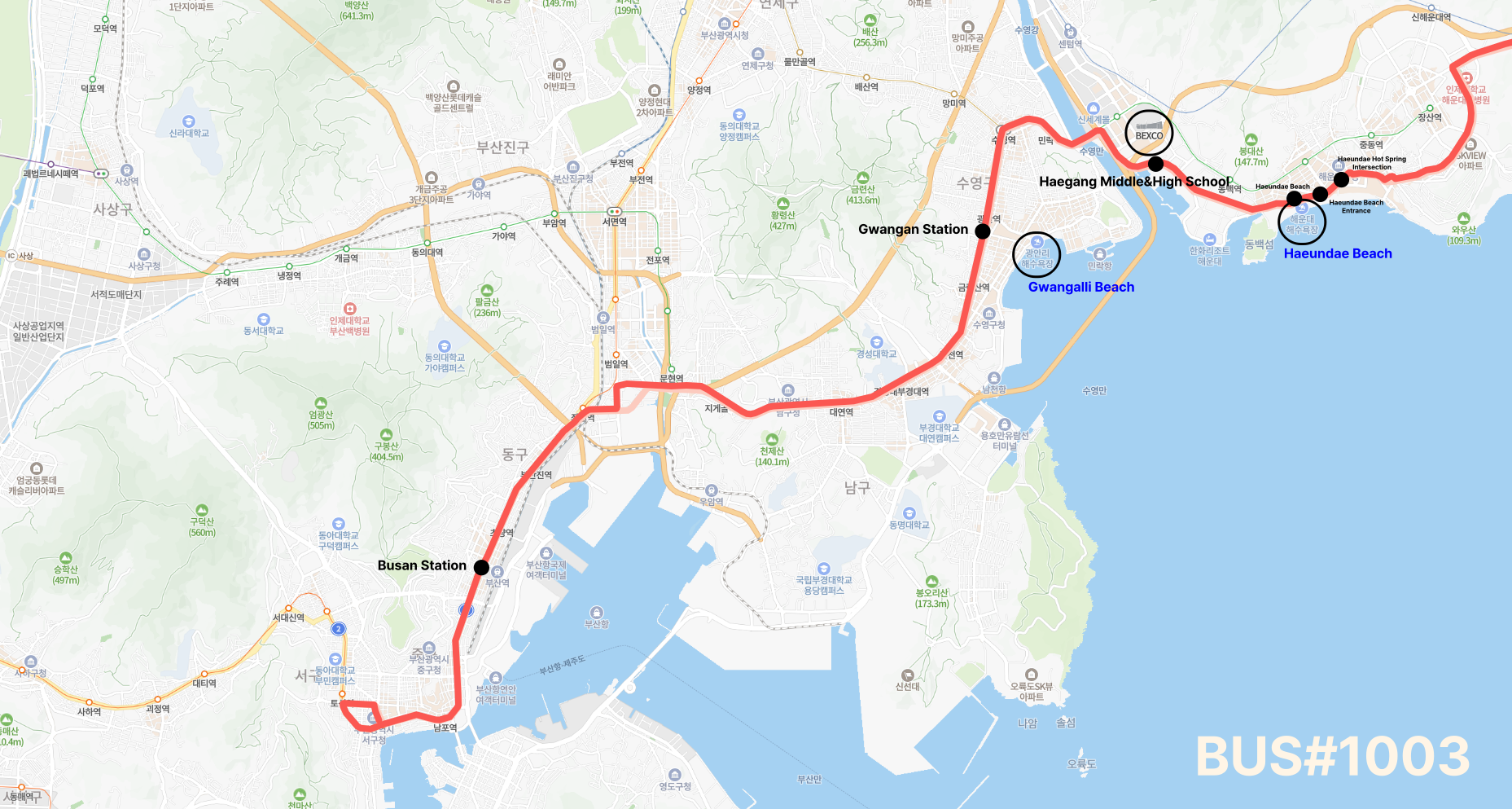
These express buses go directly to popular destinations like Gwangalli, BEXCO, and Haeundae. If you’re not taking a taxi, this is the most recommended option for public transportation.
- • Travel Time: Approximately 30 minutes from Busan Station to BEXCO.
- • Fare: 2,100 KRW (approximately $1.50).
As mentioned in previous posts, it’s best to have a T-money transportation card ready. If not, make sure to prepare the exact fare as buses are moving away from cash payments and may not have change available.
Multiple passengers can use one T-money card, but note that all passengers must get off at the same stop when using this feature. Before tapping your T-money card, inform the driver by saying “두 사람이요.” [doo sah-rah-mee-yoh] which means 2 people or “세 사람이요. [seh sah-rah-mee-yoh] which means 3 people. The driver will then input the fare for the number of passengers. Once the driver confirms (usually with an “Okay”), you can tap your T-money card to pay the correct fare.
b. By Subway 🚊
Taking the subway is not highly recommended as it takes longer and isn’t much cheaper than the express bus. However, if you do opt for the subway, take Line 1 from Busan Station, transfer at Seomyeon Station to Line 2, and continue to Gwangalli, BEXCO, or Haeundae. Fares start at 1,600 KRW (approximately $1.10.)
In Korea, there are no paper tickets so it’s recommended to purchase a T-money card, a rechargeable smart card, since you’ll need it to tap in and out of the subway system. Group rides on a single card aren’t allowed. If you already have a T-money card, simply ensure it has a balance, tap, and board. T-money cards typically cost around 5,000 KRW (approximately $3.60.) Alternatively, you can purchase a single-use card at the subway station for about 1,350 to 1,550 KRW, depending on the travel distance. This card is valid for one trip only and allows you to travel to your destination.
c. By Taxi 🚕
If you have a lot of luggage, taking a taxi is your best option. There are plenty of taxis available at the Busan Station taxi stand, or you can use the Kakao Taxi app to call a ride.
- • Busan Station to Gwangalli: 25-40 minutes, 11,000-16,000 KRW (approximately $8 to $12).
- • Busan Station to BEXCO: 25-45 minutes, 15,000-19,000 KRW (approximately $10 to $13).
- • Busan Station to Haeundae: 45 minutes to 1 hour, 20,000-25,000 KRW (approximately $14 to $18).
Don’t be surprised by the driving style in Busan ⎯ there are a lot of macho drivers, and things can get a little rough. 😅
2. When Arriving at Gimhae International Airport
Gimhae Airport also handles international flights, so some of you may be arriving directly here.
a. Express Bus 🚌
The Express Bus is a convenient option for getting to Busan Station or other major areas in Busan. [Link]
- • Interval: Every 1 hour
- • Travel Time: Approximately 1 hour to 2 hours.
- • Fare: 2,100 KRW with T-money card, 2,200 KRW in cash
- • Baggage Restrictions: No items over 50X40X20(cm) allowed, 20 inch carry-on suitcases are permitted.

b. By Subway 🚊
From Gimhae International Airport, take the Busan-Gimhae Light Rail Transit (LRT) to Sasang Station. Transfer to Line 2 (Green Line) at Sasang Station and head towards Jangsan. Get off at Centum City Station. BEXCO is a short walk from there.
- • Travel Time: Approximately 1 hour.
- • Fare: 1,800 KRW (approximately $1.30)
c. By Taxi 🚕
Taxis are available outside Gimhae International Airport. Here are the typical travel times and fares:
- • Gimhae Airport to Gwangalli: 40 minutes to 1 hour, 20,000~32,000 KRW (approximately $15 to $24.)
- • Gimhae Airport to BEXCO: 40-50 minutes, 22,000~32,000 KRW (approximately $16 to $24.)
- • Gimhae Airport to Haeundae: 50 minutes to 1 hour 10 minutes, 27,000~36,000 KRW (approximately $20 to $27.)
For more details on using taxis in Busan, refer to section 1-3 c.
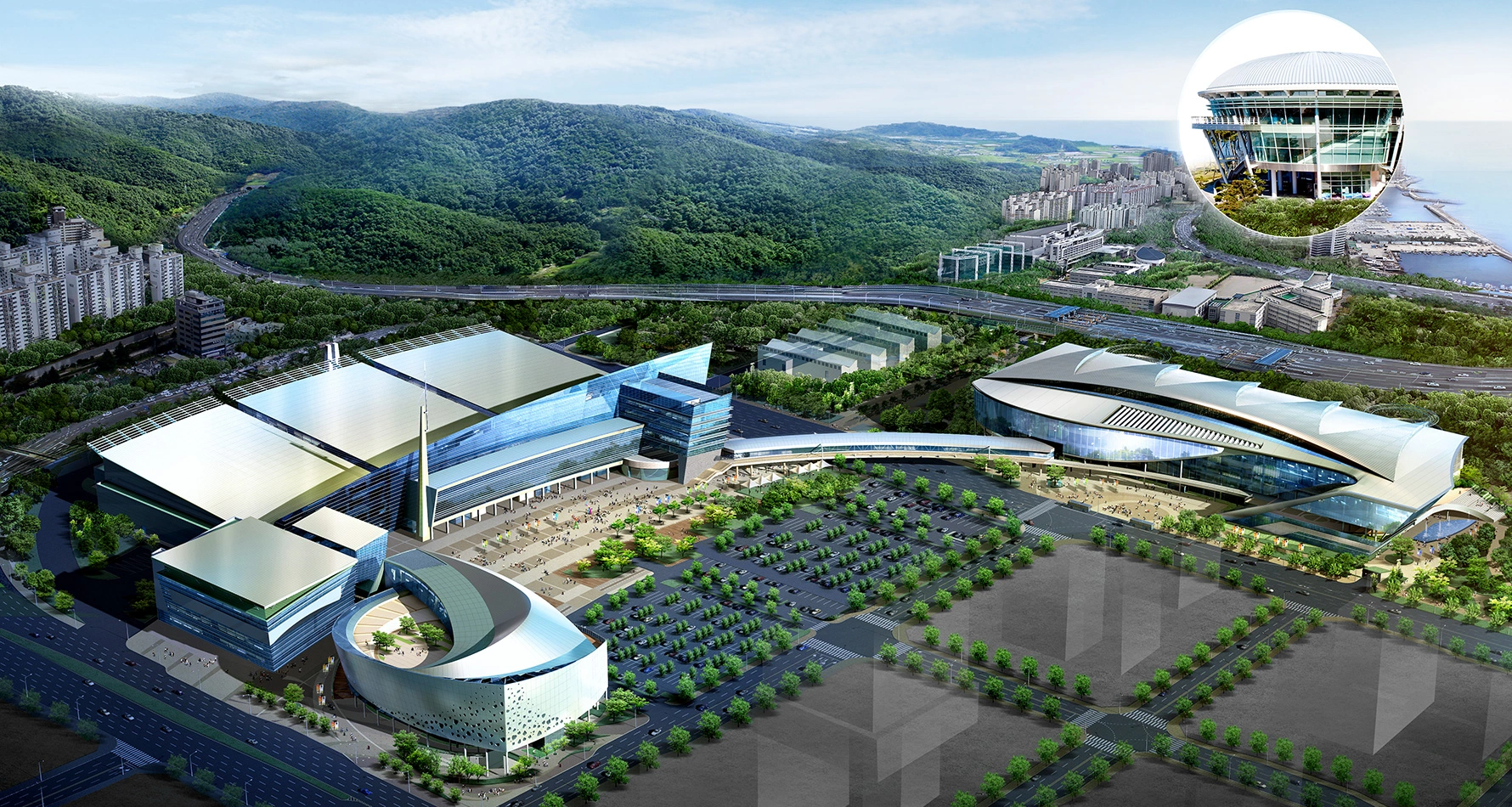
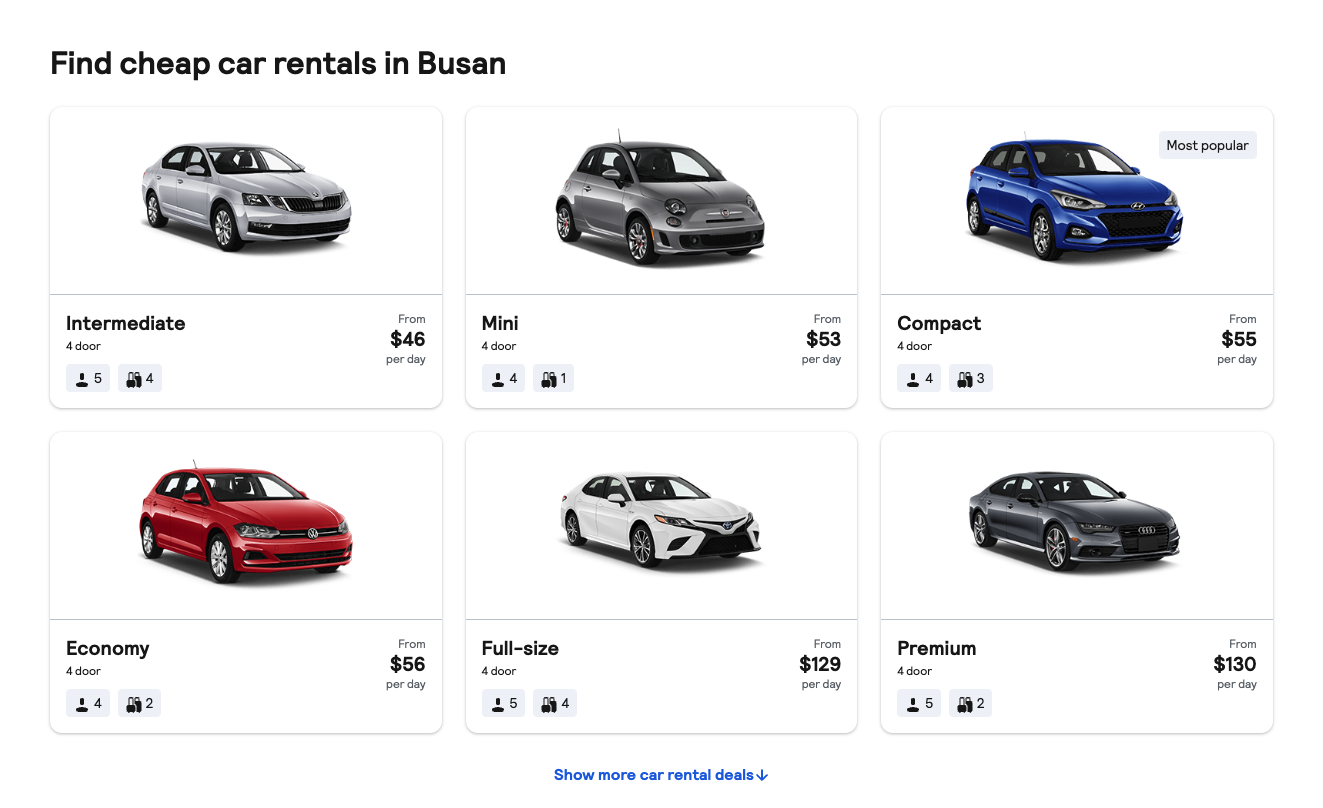
3. When Renting a Car
Renting a car can offer flexibility and convenience. Here’s how to get to BEXCO if you’re driving:
If you’re driving from Busan Station, head east on Jungang-daero, follow signs for Centum City, and take the exit toward Centum City. Follow the signs to BEXCO. The travel time is approximately 30 minutes, depending on traffic.
If you’re driving from Gimhae International Airport, take the airport road to the expressway, head east towards Busan, and follow signs for Centum City. Take the exit for Centum City and follow the signs to BEXCO. The travel time is approximately 40 minutes, depending on traffic.
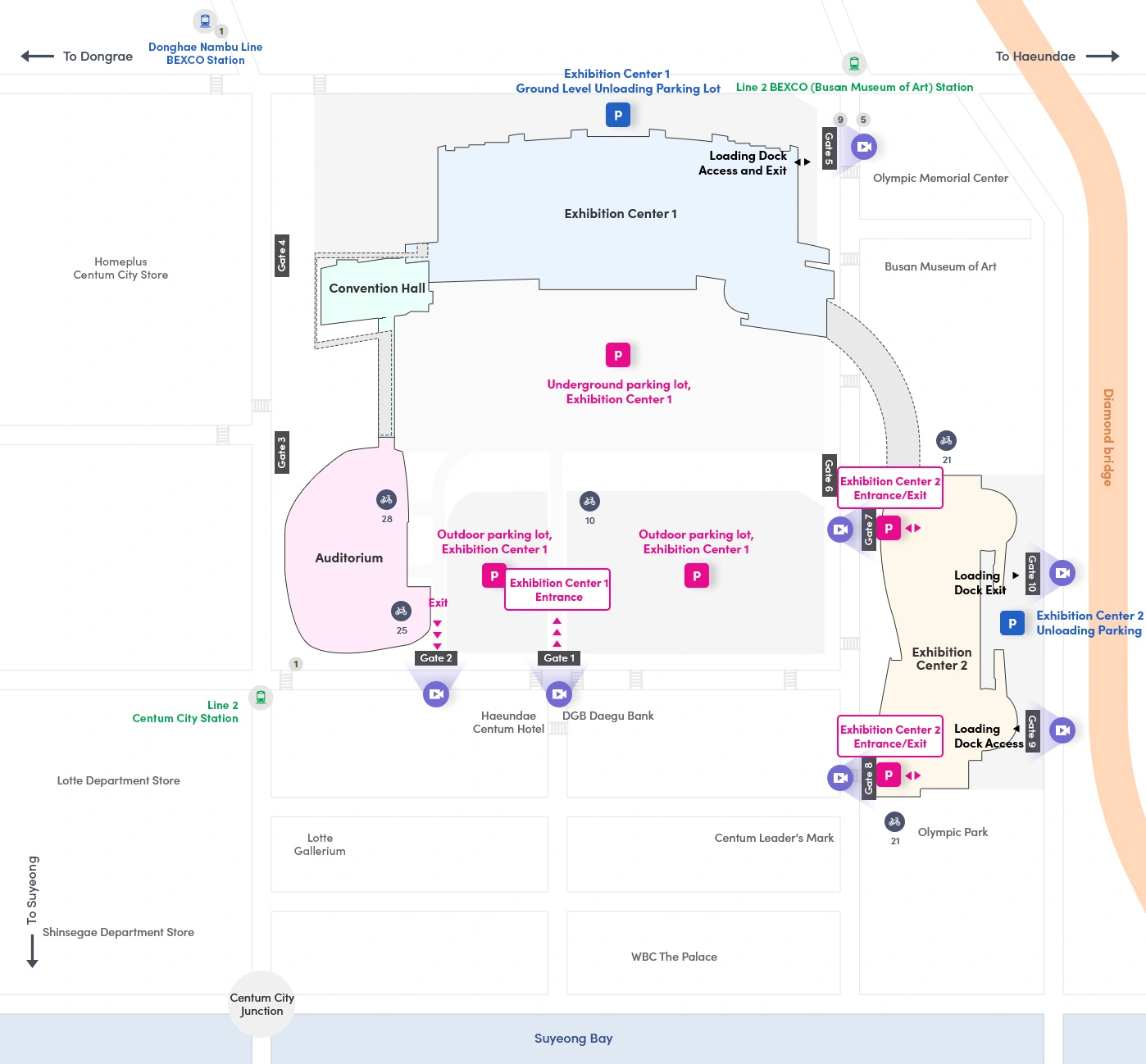
BEXCO has ample parking spaces. Follow the signs to the parking area upon arrival. Parking fees vary by duration, typically around 2,400KRW per hour (approximately $1.85.)
❗️Caution: While renting a car in Busan is an option, it’s not highly recommended. If you’ve ever taken a taxi in Busan, you might have noticed that the drivers can be a bit aggressive. Merging into lanes can be challenging, and there are certain unspoken rules that seem to apply only to local drivers. The traffic can look chaotic, but it operates with an underlying order that may be difficult for outsiders to navigate. Unless you have nerves of steel, it’s better to skip the rental and rely on taxis instead. Taxi fares are affordable, and you’ll likely have a smoother and more comfortable ride. 👍
This updated content includes the detailed transportation methods for getting to BEXCO, covering all the options from Incheon Airport, Gimhae International Airport, and by rental car. Let me know if you need any further adjustments!
Explore more of our G-Star content on our website!
G-Star Korea Introduction [Link]
G-Star Korea Booth Design & Operation Tips [Link]
Essential Tips for G-Star Exhibitors: Hotel Booking, Parking & Transportation [Link]
Essential Tips for G-Star Exhibitors: Hotel Booking, Parking & Transportation
August 2, 2024
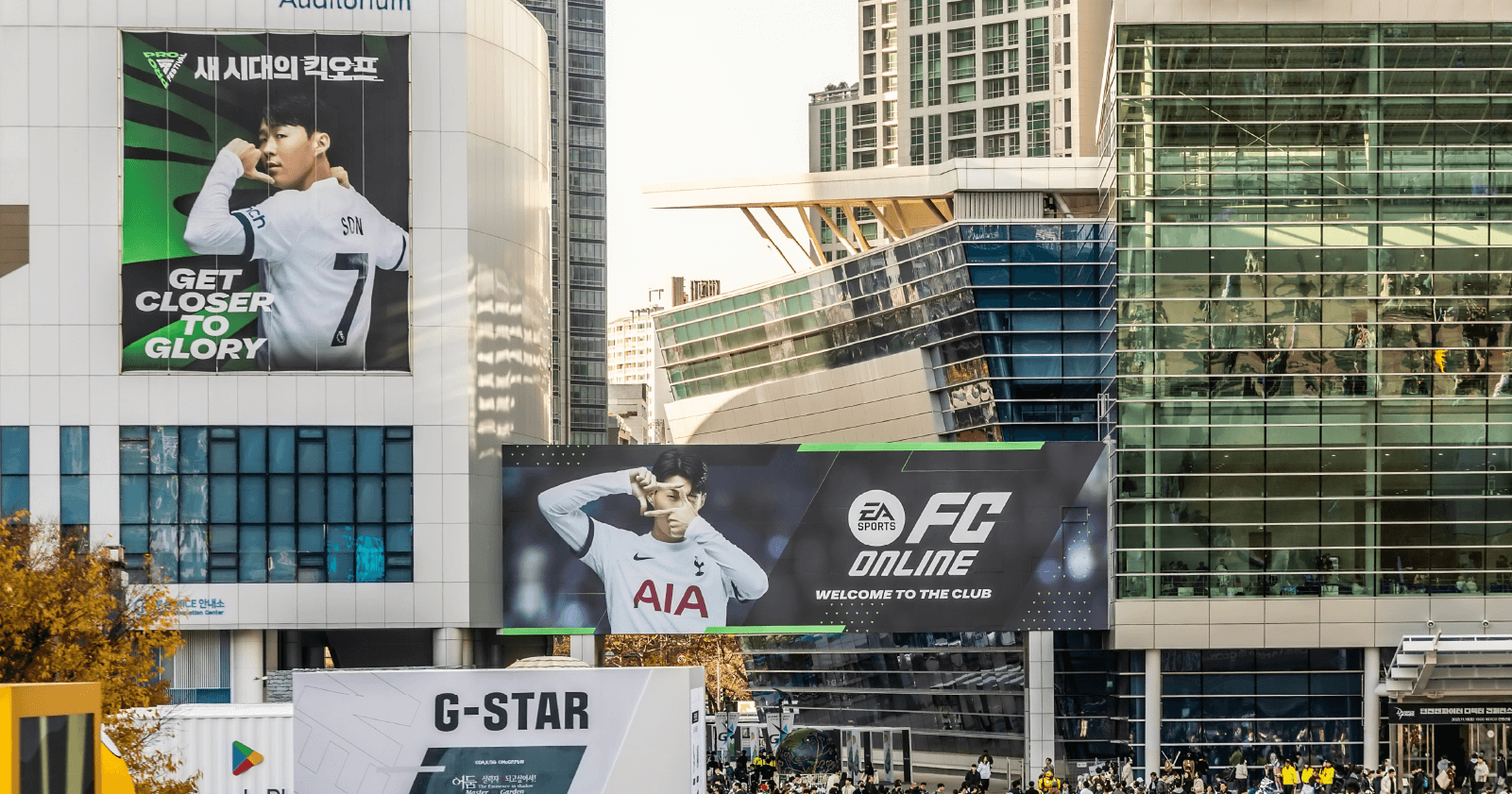
Preparing for G-Star Korea can be a daunting task, especially for first-time exhibitors. Here’s a comprehensive guide with essential tips to ensure a smooth and successful experience at Korea’s largest gaming expo, held annually at BEXCO in Busan.
Hotel and Accommodation Tips
- • Proximity to BEXCO: The area with the most accommodations is Haeundae, which is also a popular tourist destination. Staying in Haeundae is convenient for international visitors due to its numerous amenities and attractions.
- • Hotel Price: Look for hotels that fit your budget. On average, hotel prices in the Haeundae area range from $60 to $200 per night, depending on the level of comfort and amenities offered. Comparing options can help you find the best value.
- • Early Booking: Good accommodations typically get fully booked by July, so it’s essential to book early. Make your reservations as soon as possible to secure a place to stay during the event.

Parking Tips
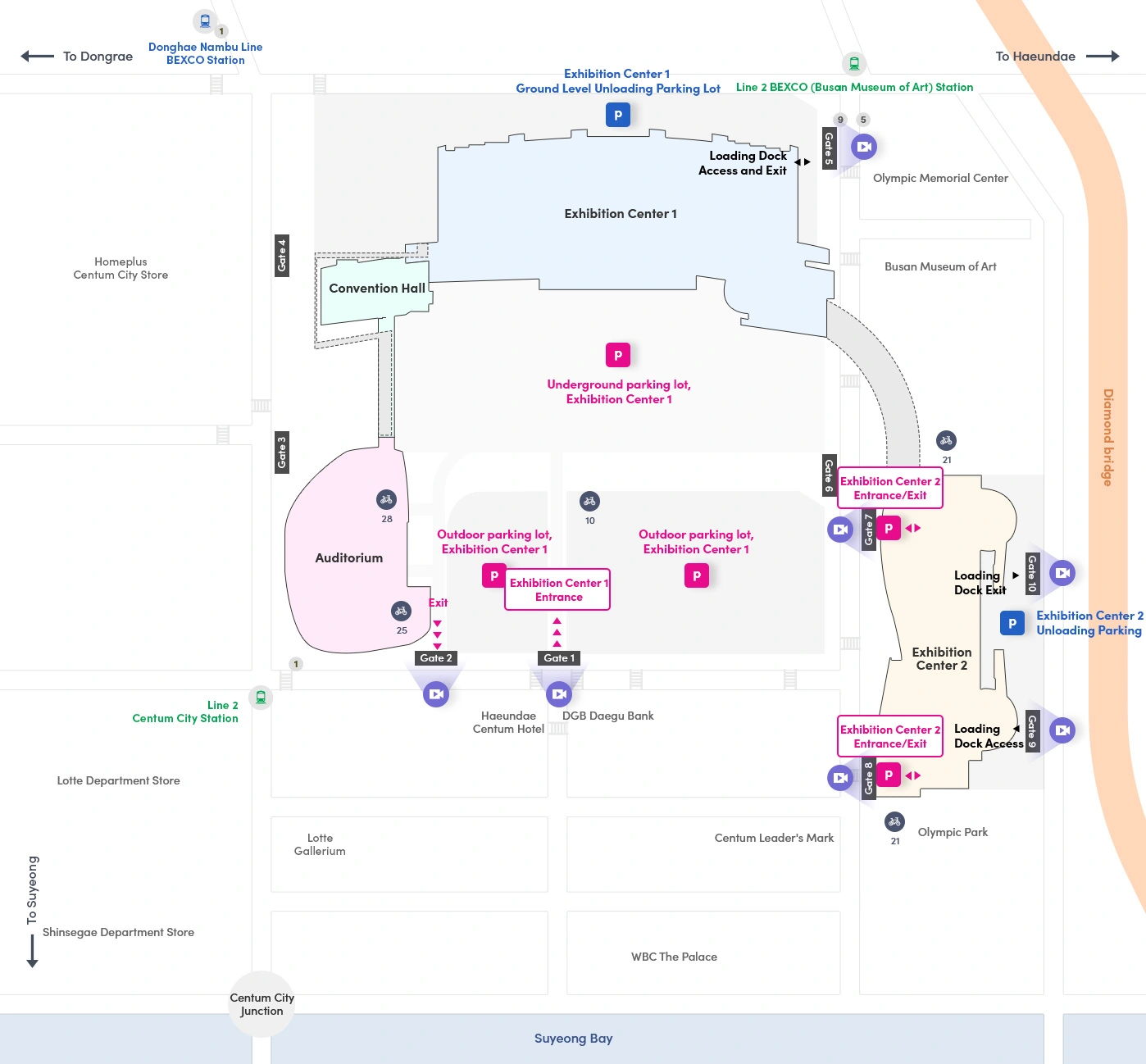
Finding convenient parking at BEXCO during G-Star Korea can be challenging due to the high volume of attendees. Here are some essential parking tips to make your experience smoother.
Arrive Early
To secure a parking spot close to the entrance, aim to arrive before 8:00 AM, as parking spaces are more readily available at that time. If you arrive later, try to be there by 8:30 AM at the latest to ensure a comfortable parking experience without the stress of searching for a spot.
BEXCO Parking fees
| Item | General parking | Monthly parking | ||
|---|---|---|---|---|
| For each 10 minutes | Day parking (24 hours) | |||
| Small |
Passenger vehicles Vans (less than 25 seats) |
400 KRW | 15,000 KRW | 130,000 KRW |
| Large | Vans (25 seats or more) Trucks (2.5t or more) |
800 KRW | 30,000 KRW | – |
Transportation Tips
1. Taxi Apps
In Korea, unlike in the U.S. or Europe, there is no Uber service available. Instead while in Busan, it’s better to use the Dongbaek Taxi app, it does require a Korean phone number to sign up. In general, throughout Korea, Kakao Taxi is the most popular taxi app. It also allows registration with a foreign phone number which may make it ideal if you are a visitor. To ensure you have a taxi available when needed, it’s recommended to book your taxi a day in advance, as getting a taxi on the event day can be challenging.
Download Dongbaek Taxi App: Appstore / Google Play
2. Public Transportation
In Korea, public transportation requires a rechargeable transportation card. Unlike Japan or other countries, paper tickets are not used for subways. You need to either get a single-use transportation card or recharge a multi-use card.
Koreans typically use their check or credit cards issued in Korea, which come with postpaid transportation card functions that can be used nationwide. However, for foreigners without a Korean card, using a T-money card is essential.
- – Single-use Transportation Card: Available at subway gates, cash only.
(50,000 KRW notes might not be accepted, so prepare 10,000 KRW notes.)
- – T-money Multi-use Transportation Card: Available at airports or convenience stores. (The first purchase must be in cash.)
- – Korea Travel Card: This is a transportation card exclusively for foreigners. Sign up in advance to apply for the card, then pick it up at Incheon Airport. Once you register the card with the mobile app, you can use it for public transportation.
Catering and Lunch Orders
As an exhibitor at G-Star Korea, you likely won’t have the luxury of stepping out for lunch. Based on the experience of our accounting manager, who has been ordering lunch at G-Star for years, using a lunch box (dosirak or sandwich) service is the best option. Here’s a detailed guide to ordering at BEXCO.
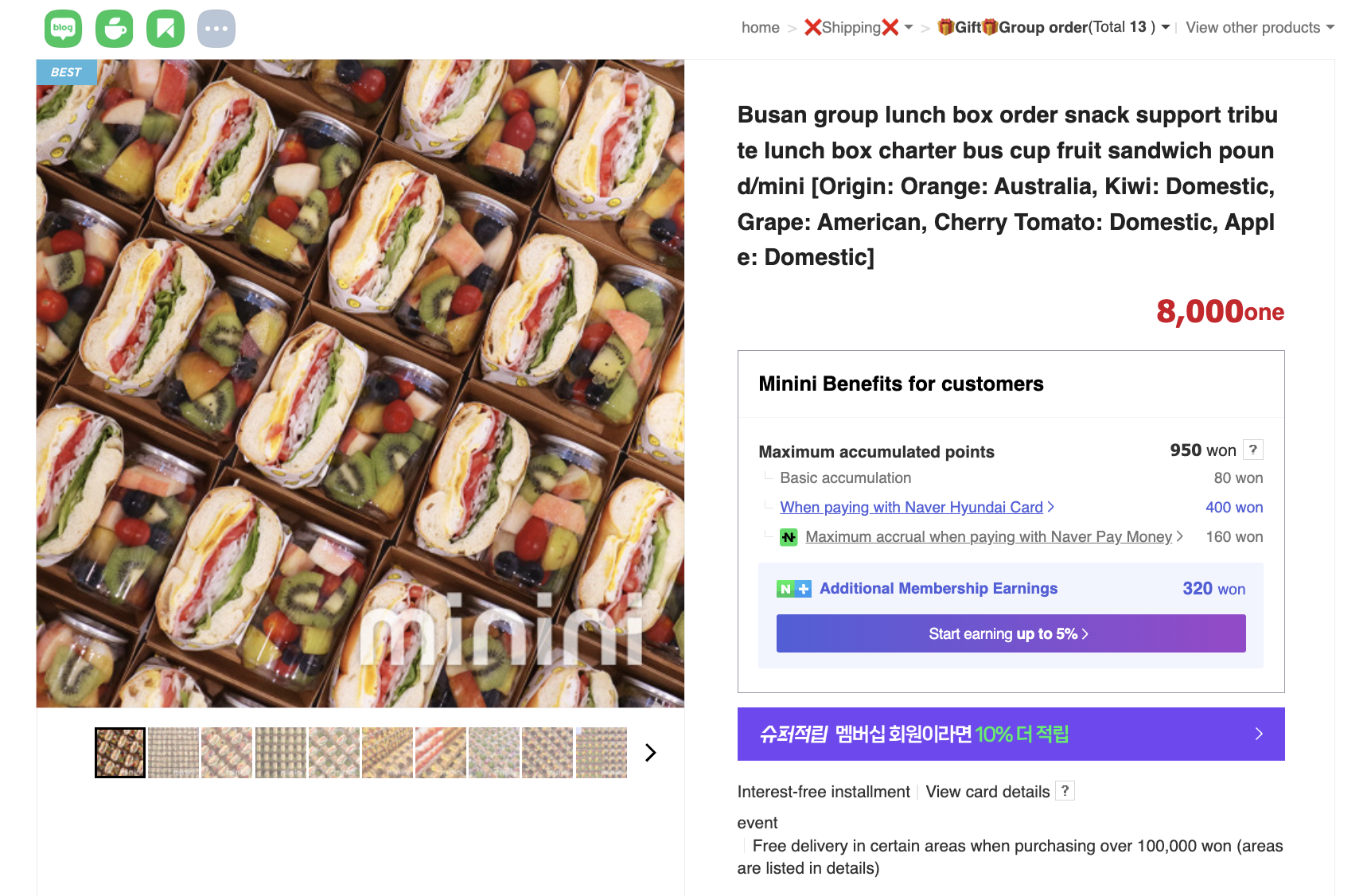
1. Dosirak Services
These lunch box services are highly recommended. Contact a dosirak provider in advance and finalize the order quantity by the afternoon of the previous day. This method ensures that your meals are delivered on time each day during the exhibition setup and event days, providing a hassle-free and reliable solution.
2. Delivery Apps
For smaller orders, you can easily use the Baedal Minjok (Baemin) app to order dosirak. However, it’s advisable to place your orders early, as delivery times can be delayed due to high demand.
3. Dinner options
During the exhibition period, having dinner near BEXCO or at your accommodation is your best bet since you probably don’t want to have dosirak for every meal. Here are some tips for dinner.
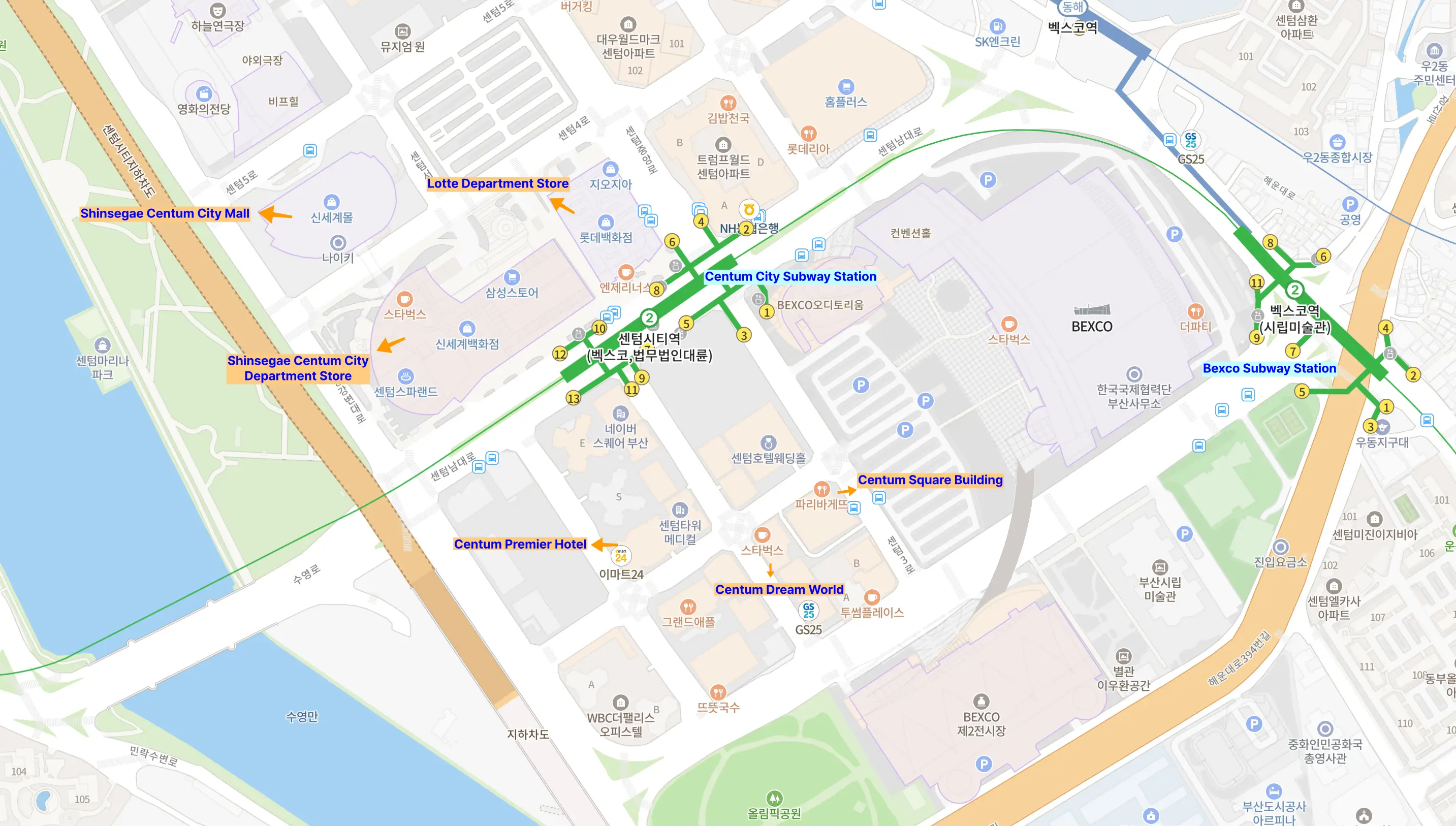
Reservations for Large Groups
If you have a large group, it’s advisable to make reservations in advance. Many restaurants offer reservation services through the Naver Map app.
Naver Map App
In Korea, Naver Map is more commonly used than Google Maps. You can easily sign up for Naver as a foreigner and use the app to find and reserve tables at nearby restaurants. This ensures a smooth dining experience without long waits, especially for larger groups.
Digital Tools
Mobile Connectivity
In Korea, international calls are often perceived as spam, leading to blocked calls. Therefore, it is recommended to use a Korean SIM or eSIM with a local number rather than relying on roaming. Prices vary depending on whether you need a phone number or just data, so check the following sites for options.
- • Korea SIM Card Options: Depending on your needs, you can get SIM cards that include both data and a phone number, or data-only options, at mobile carrier stores or convenience stores.
- • Korea eSIM Options: For those who prefer eSIM, similar plans are available. Ensure your device supports eSIM and check the provider’s details for registration.
Weather and Clothing
Temperature Consideration
November in Korea can be very cold and chilly. Busan, being a coastal city, experiences strong winds, making a puffer jacket an essential. Many Koreans will likely be wearing long padded overcoats. So if you are in charge of an outdoor booth, make sure to bring a long padded coat and heat packs. Heat packs can be easily found at convenience stores for about 1-2 dollars.
Rain or Snow Preparedness
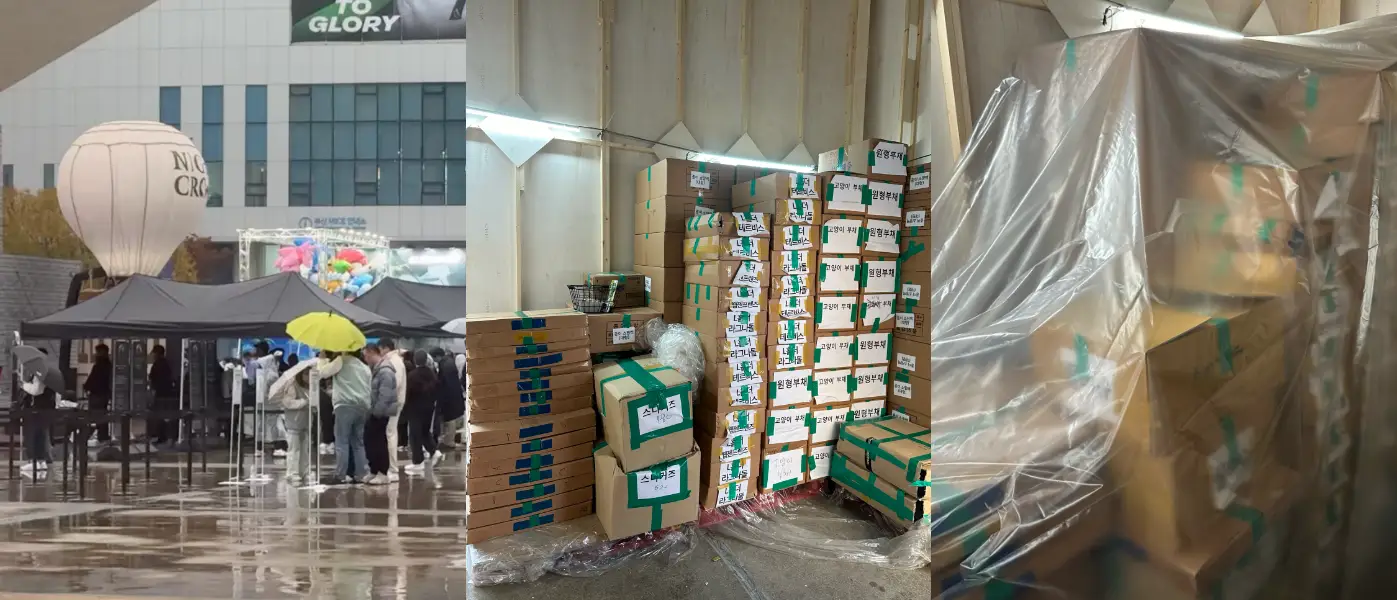
If it rains or snows, you must be prepared to manage the risks. Last year, during the G-Star event, it rained heavily. Unfortunately, the construction company did not properly finish the woodwork on the outdoor booth’s roof, leading to leaks. Although we had pallets and plastic tarps ready, we realized the need to move all the souvenirs to the hotel as the heavy rain began. Korean weather can be unpredictable, so it’s crucial to always be prepared for such scenarios. It’s advisable to have awning tents, pallets for floor moisture prevention, and waterproof tarps on hand.
More Articles
Previous: G-Star Korea Gaming Expo Booth Design & Operation Tips
Next: How to get to BEXCO for G-Star Korea (Coming Soon)
G-Star Korea Gaming Expo Booth Design & Operation Tips
July 26, 2024
G-Star Korea Gaming Expo Booth Design & Operation Tips
.
G-Star is the biggest game expo in Korea, held annually at BEXCO in Busan. The event attracts thousands of gamers, with long lines forming even before the exhibition opens, making it one of the most popular gaming events and festivals in the country.
Having managed the exhibition planning and operations for major game companies like Webzen, Tencent, Wemade, and Shift Up over the past 11 years, we have accumulated significant experience. Here are some key tips we consider essential when preparing for G-Star.
.
G-Star Korea Booth Design & Concept
Designing an effective and engaging booth is crucial for a successful exhibition at G-Star. Here are some key tips and important considerations for creating a standout booth concept.
• Define Your Theme and Identity
Establishing a clear and strong theme that aligns with your game’s identity is essential. This includes designing spaces that enhance engagement and make visitors feel like they are stepping into the game’s world. High-quality visuals, costumes, and props should be meticulously crafted to reflect the game’s characteristics and immerse visitors in the game.
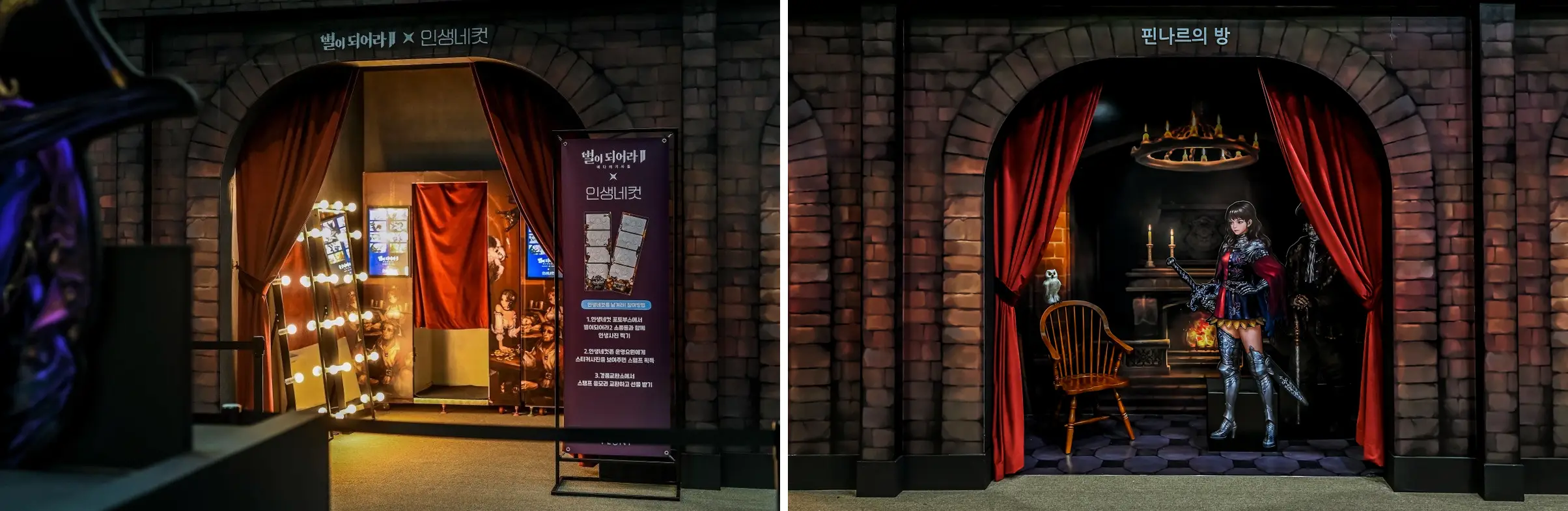
• Seamless User Flow
Plan the layout to ensure a smooth flow for visitors from entry to exit. A well-organized layout that guides visitors through various interactive zones and activities ensures a memorable and enjoyable experience. Make sure the transition between different sections is smooth, allowing visitors to fully immerse themselves in the game’s world without confusion or congestion.
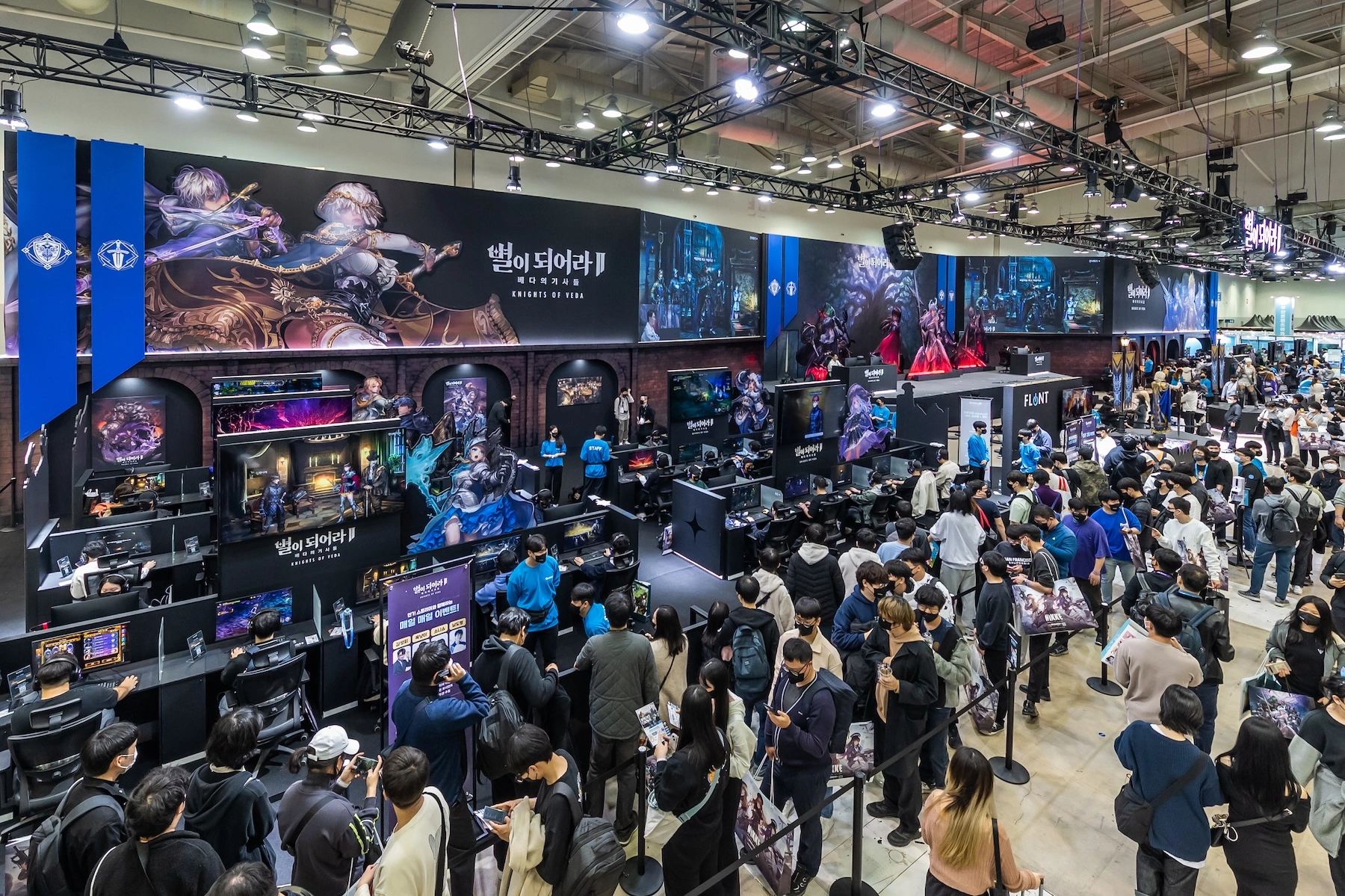
• Immersive and Interactive Experiences
Create an environment where visitors can deeply engage with the game. Incorporate interactive elements such as life-sized character displays, demo stations, themed environments, and captivating storylines to effectively convey the game’s atmosphere. Consider adding features like photo booths, character voting areas, and stamp tours, where visitors can collect stamps through different activities to receive merchandise.
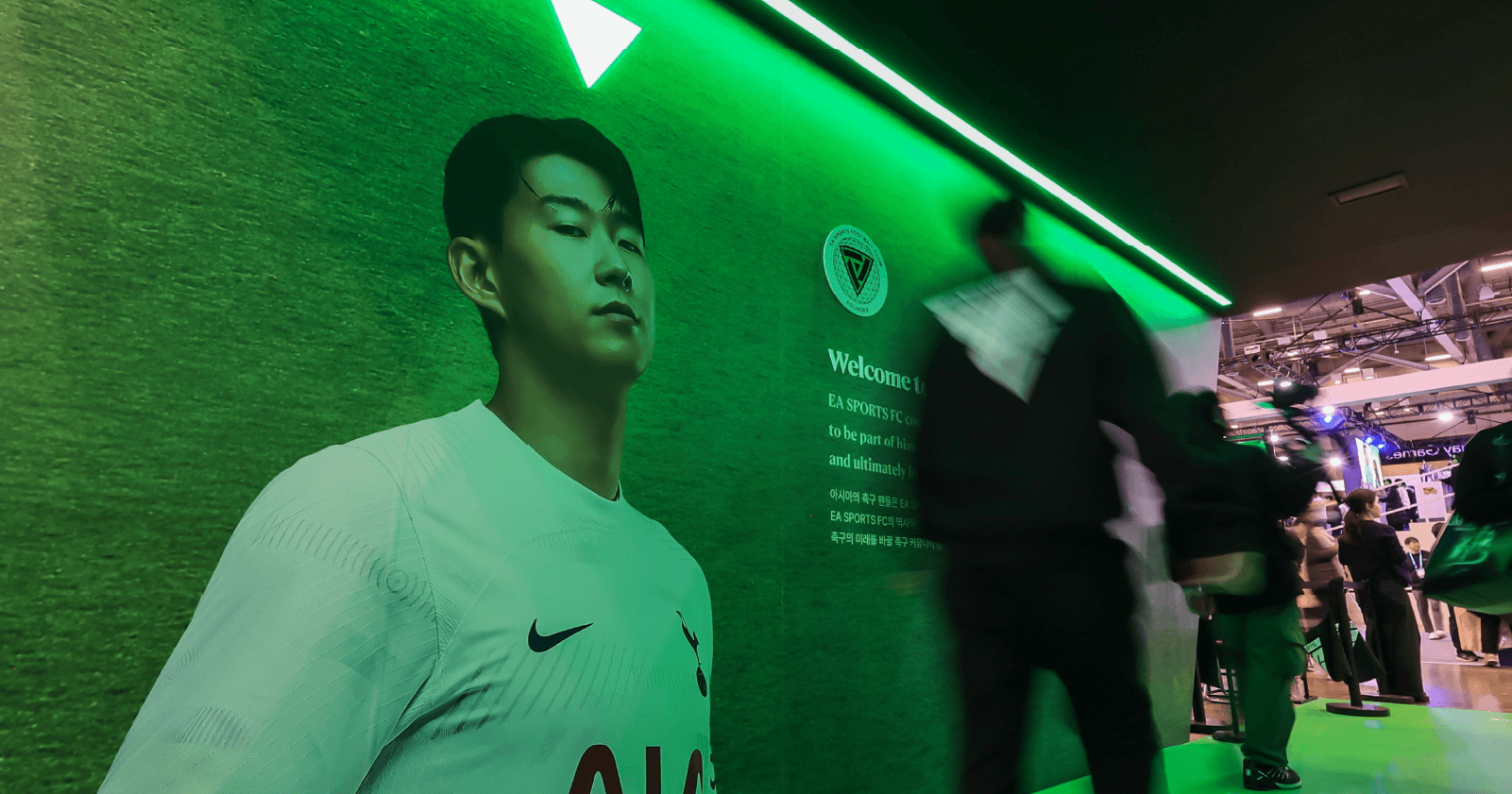
By focusing on these elements, you can create a booth that not only attracts attention but also provides a memorable and engaging experience for all attendees.
.
Cosplay Tips
• Professional Cosplay
G-Star is also a cosplay festival. Nowadays, even amateur cosplayers have high-quality costumes. Poor preparation can leave a negative impression. For Webzen, we collaborated with professional cosplayers suited to the subculture game genre. Korea’s top cosplay model, ‘Aza Miyuko‘, portrayed the character ‘Cecilia‘ from the game Terbis. Professional cosplayers not only wear costumes but also deeply study the characters to perform with synchronized expressions, poses, and movements. This dedication drew significant attention from gamers and impressed even the game creators.
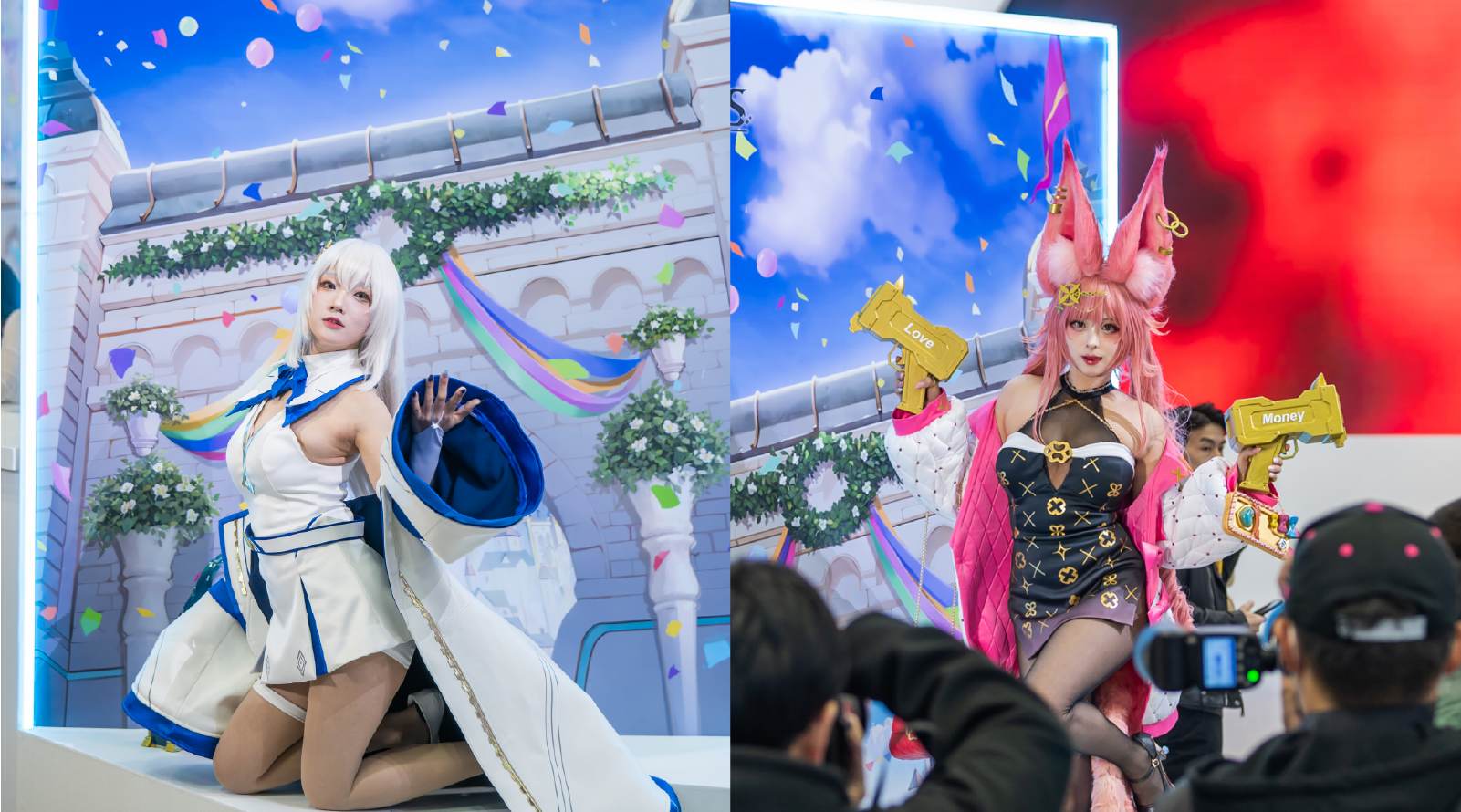
• High Quality of Costume
There’s a saying, “The devil is in the details.” It means that thorough attention to detail is crucial. Working with our costume and weapon production partners, we had to play the role of the devil, meticulously inspecting and replicating even the smallest details. From wrinkles in costumes to minute color differences, nothing was overlooked. We conducted multiple tests and rehearsals with cosplayers until the day before the G-Star opening.
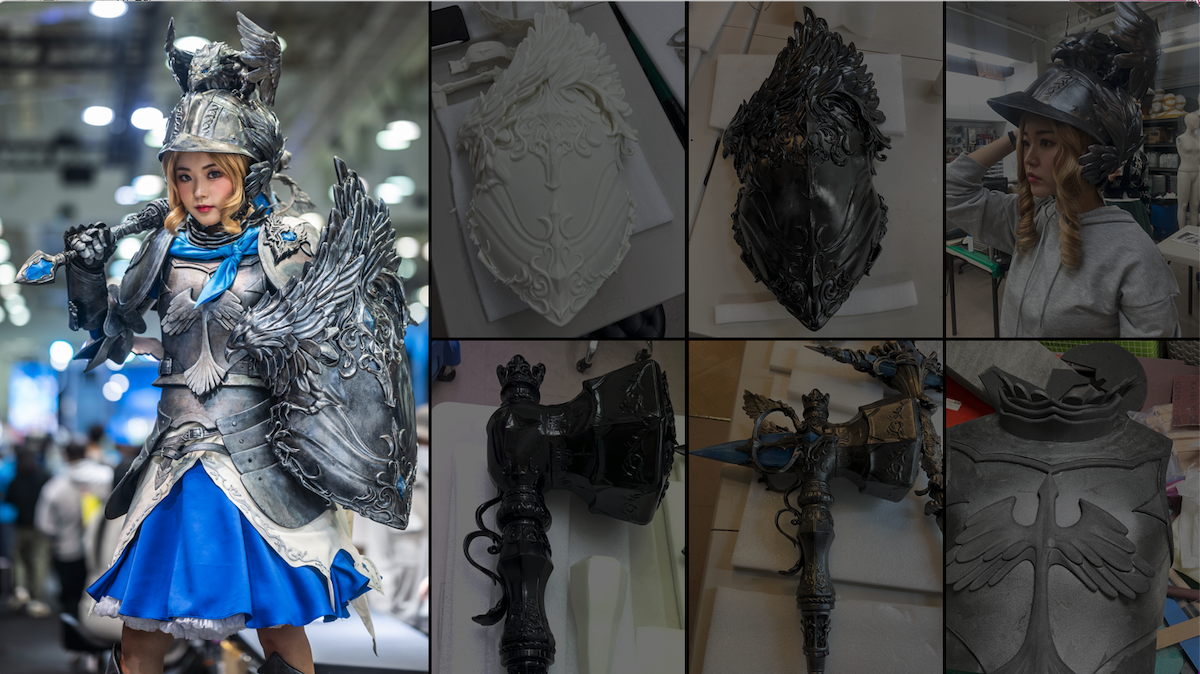
Invisible details matter. Our professional spirit aligned with the cosplayers, who passionately studied every detail, from character movements to narration. Though it was a painstaking process, the result was an unparalleled level of detail that created a profound impact.
Merchandise Tips
• Merch Lists Flood the Web
When G-Star opens, bloggers and YouTubers quickly post about the event’s merchandise, sparking competition. For attendees, obtaining merchandise is a source of happiness, and for fans, it’s a cherished collectible. Therefore, merchandise is not just a product but a medium for conveying brand experiences.
• Merch For Event Participation
For the Flint-Astra exhibition, we planned eight types of merchandise, including blankets, stickers, removable stickers, magnets, large mouse pads, tumblers, prism card tags, and playing cards. We categorized items from C-level to S-level to boost event participation.
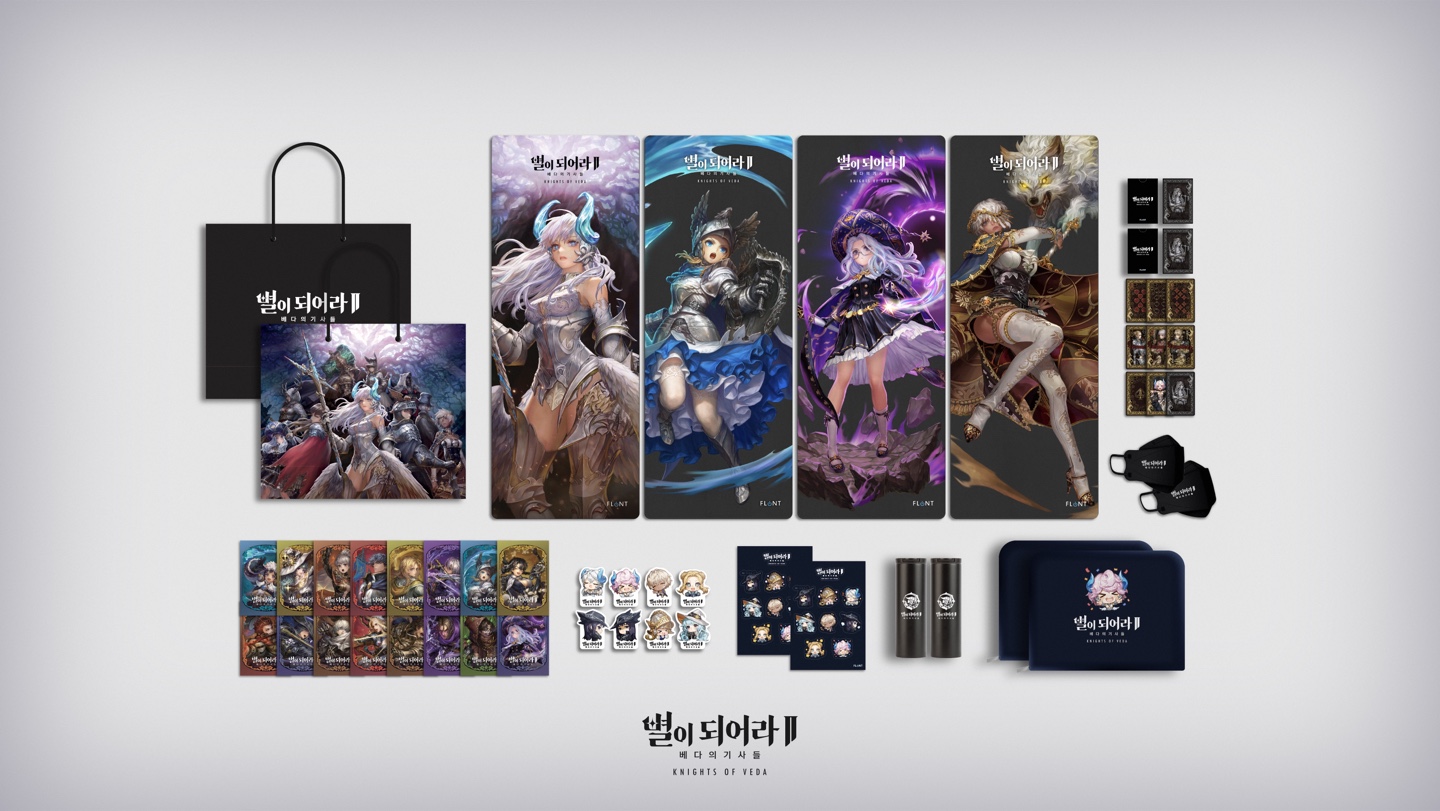
• Connecting Booth Events Using Merch
Webzen also paid close attention to merchandise quality. From Webzen Friends brand products to unique IP-themed goods, we prepared a ‘Webzen Menu’ to showcase over 15 types of merchandise at a glance. We pre-planned user pathways connecting outdoor booth events, popularity voting, demo zones, and social media events, designing a stamp event that allowed gamers to enjoy collecting merchandise as part of the booth experiences.
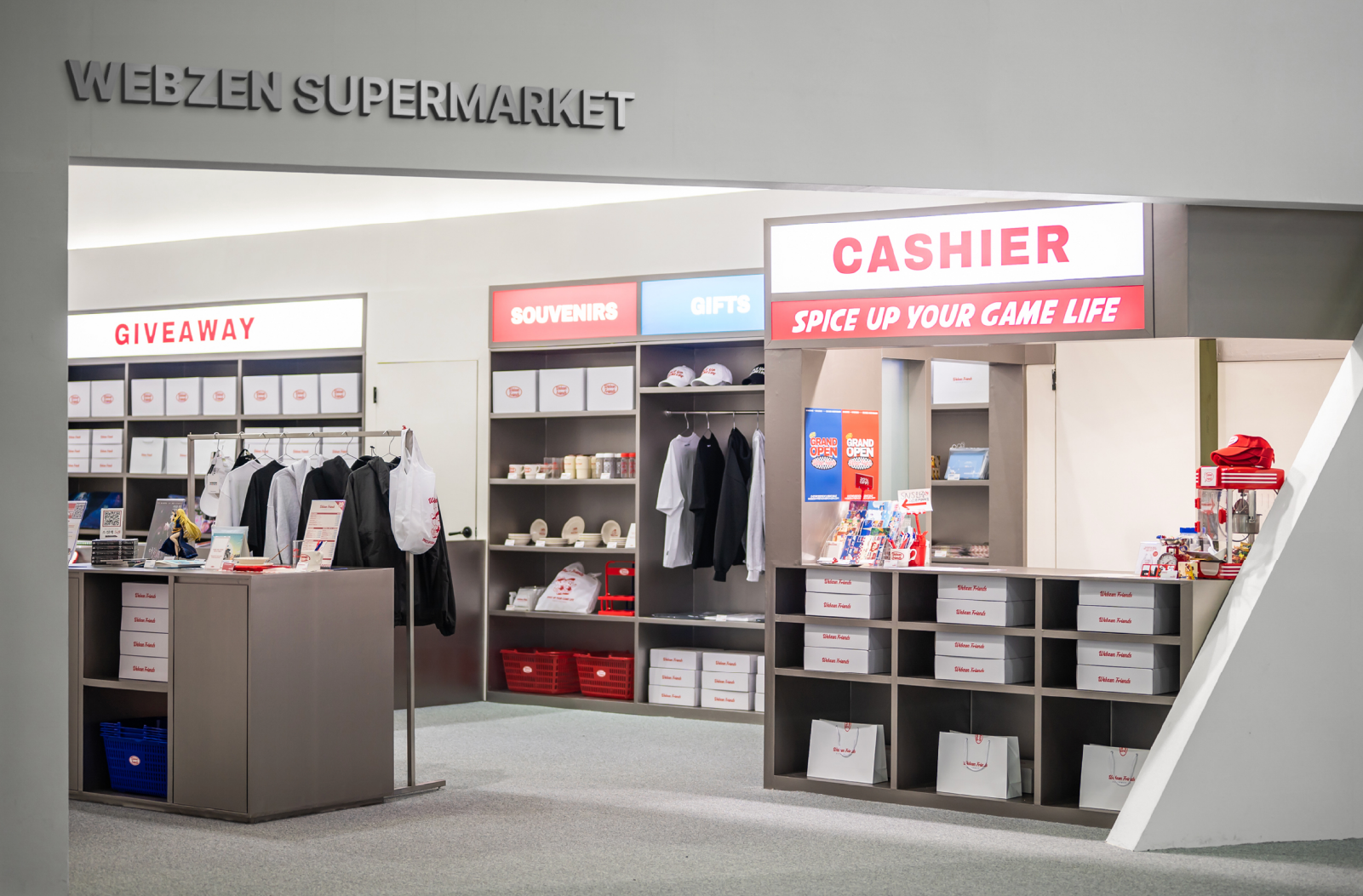
Planning a Stage Event for G-Star Korea
Planning effective stage events is crucial for a successful G-Star exhibition. Here are some key tips for creating engaging and memorable stage events.
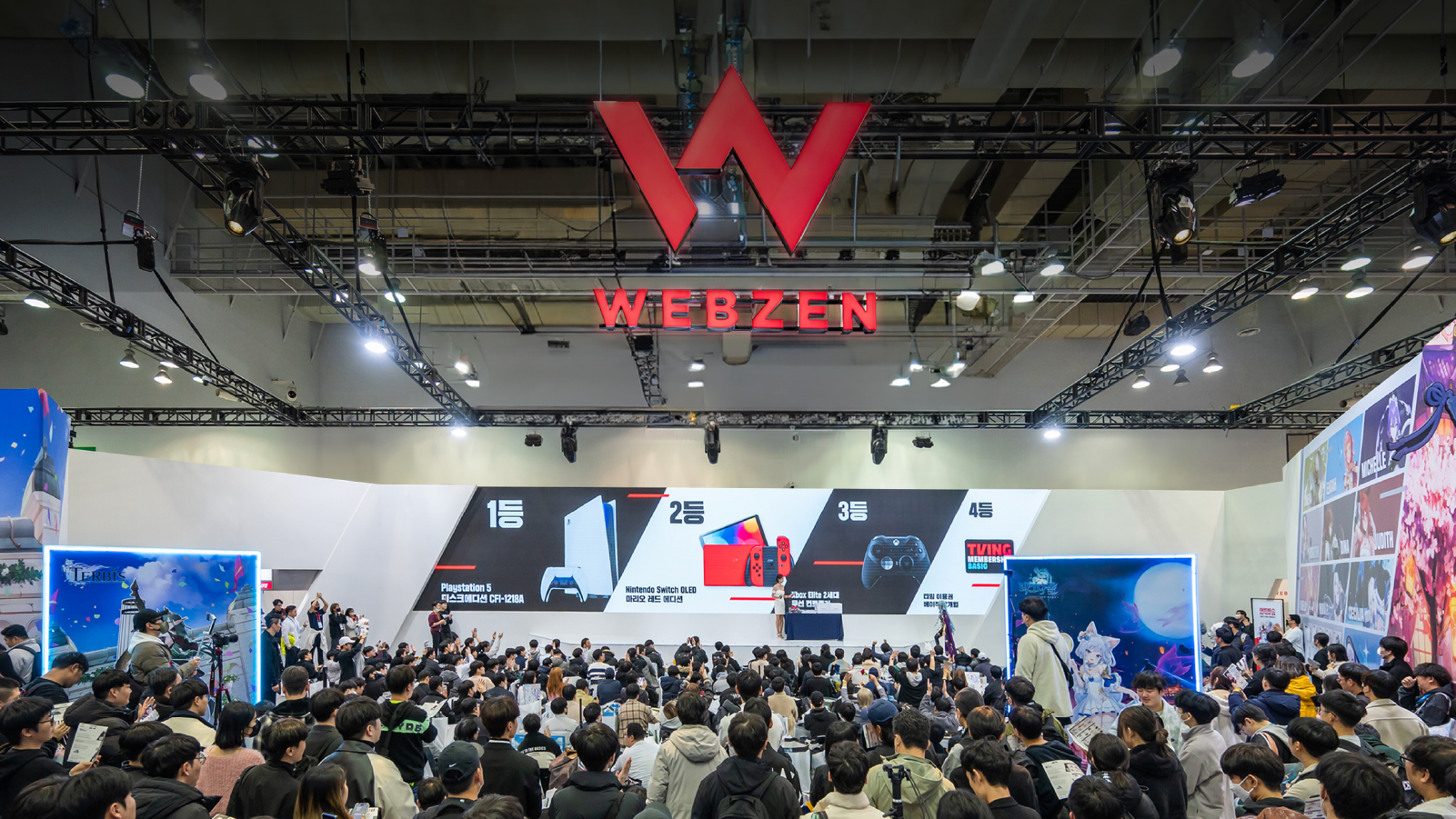
• Designing Engaging Stage Programs
First, designing stage programs is essential. Engaging programs attract and retain visitors, encouraging them to stay longer and return. To avoid empty seats and a dull atmosphere, curate interesting content with intriguing guests and activities like OX quizzes, mini-games, tournaments, and lucky draws. It’s also important to be flexible and ready to adjust the program based on the live audience’s reactions.
• Hiring a Skilled MC
Second, hiring a skilled MC is vital for managing stage events. Having multiple scripts and cue sheets ready for unexpected situations ensures better preparedness. An MC who enjoys gaming, connects well with the audience, and thinks on their feet can keep the energy high and effectively manage the crowd, making the event more dynamic and engaging.
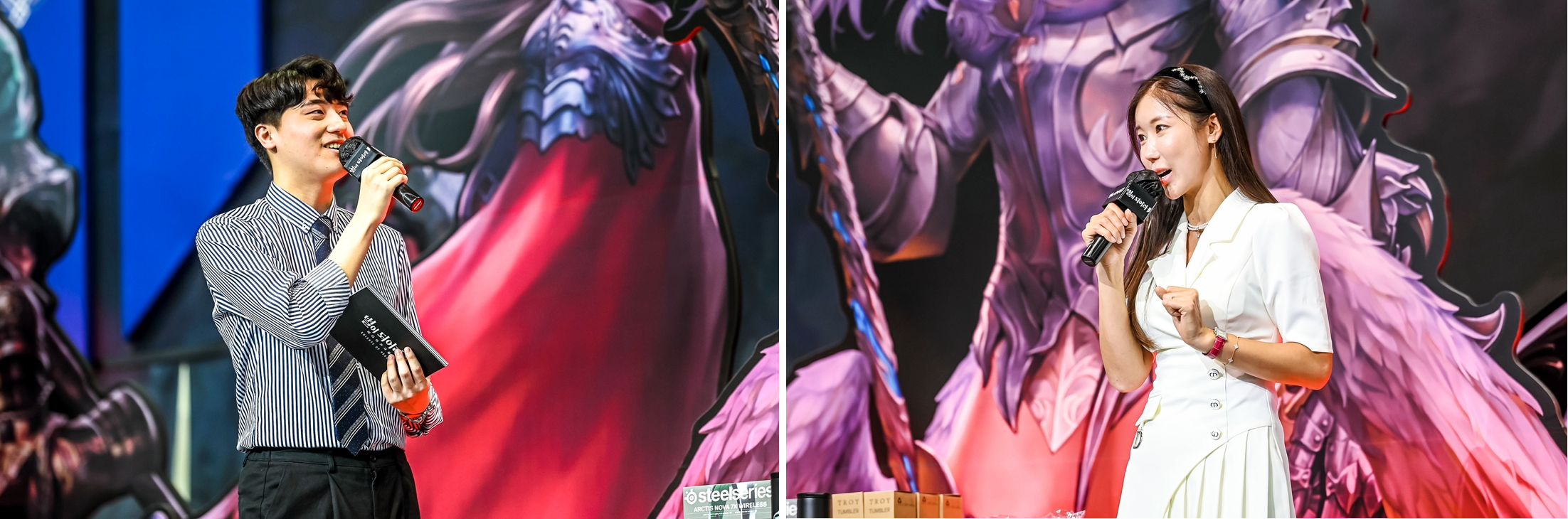
• Conducting Thorough Rehearsals and Simulations
Lastly, conducting thorough rehearsals and simulations is crucial for ensuring both safety and fun. Comprehensive rehearsals and scenario simulations help in planning for smooth and safe events. Balancing entertainment and safety through proper planning provides an enjoyable experience for all attendees.
Implementing these strategies will make stage events at G-Star both captivating and secure, leaving a lasting impression on all visitors.



