Tag Archives: experience marketing agency in korea
AGF Korea 2026 Exhibitor Guide: Dates, Audience & Booth Costs
July 14, 2026
Anime Expo 2026 recently concluded in Los Angeles with more than 422,000 turnstile visits across four sold-out days. Its continued growth reflects the commercial strength of fandoms built around anime, games, character IP, collectibles, cosplay, and live content. From our on-site perspective, that demand becomes visible well before the doors open, as fans arrive early to secure limited merchandise and access high-demand programs.
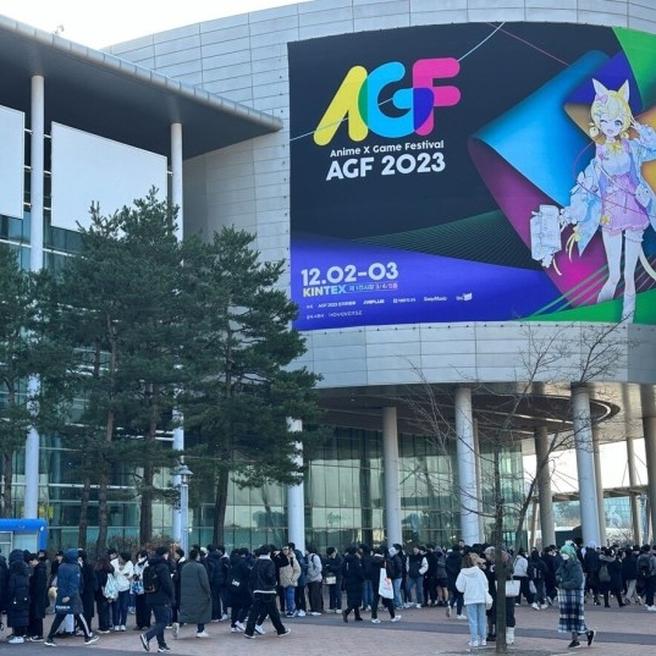
AGF Korea attracts the same level of commitment in a different market. Held in December, the event draws fans who line up before sunrise in padded winter coats to purchase exclusive products and join popular booth activities. For global publishers considering the Korean market, this AGF Korea 2026 exhibitor guide covers the event’s growth, audience profile, registration schedule, booth costs, and available discounts.
What Is AGF Korea?
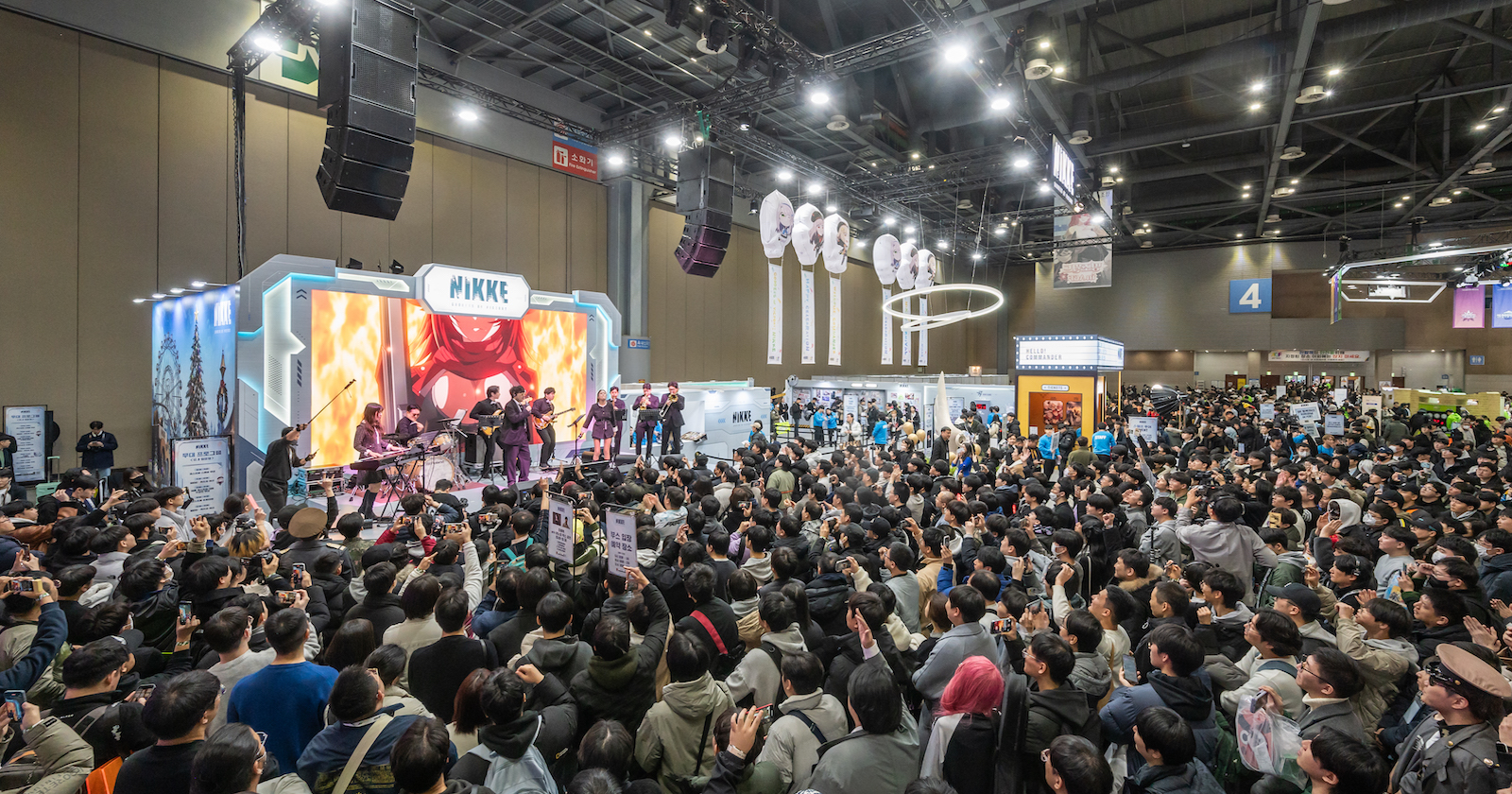
AGF, short for Anime x Game Festival, is Korea’s largest official comprehensive event centered on anime and games. It brings together games, animation, webtoons, light novels, virtual creators, merchandise, stage programs, and other forms of character-driven entertainment.
The event connects licensed IP holders, publishers, media companies, merchandise businesses, and highly engaged consumers in one large-scale B2C environment. For international game publishers, AGF provides direct access to Korean fans of anime-style, character-driven, collectible, and live-service titles.
AGF is no longer an event that publishers simply consider attending. Its growth has made it an increasingly important annual consumer touchpoint for companies targeting Korea’s anime game market.
For a broader overview of the event, read AGF: The Biggest Anime Game Festival in Korea.
AGF Korea’s Growth from 2018 to 2026
AGF began in 2018 with 32,593 visitors and 32 participating companies. Attendance reached 35,970 in 2019 before the event paused during 2020 and 2021 because of the COVID-19 pandemic.
When AGF returned in 2022, it attracted 47,774 visitors. Attendance then increased to 65,442 in 2023, 72,081 in 2024, and a record 100,518 in 2025. The official AGF website confirms that the 2025 edition passed the 100,000-visitor mark for the first time.
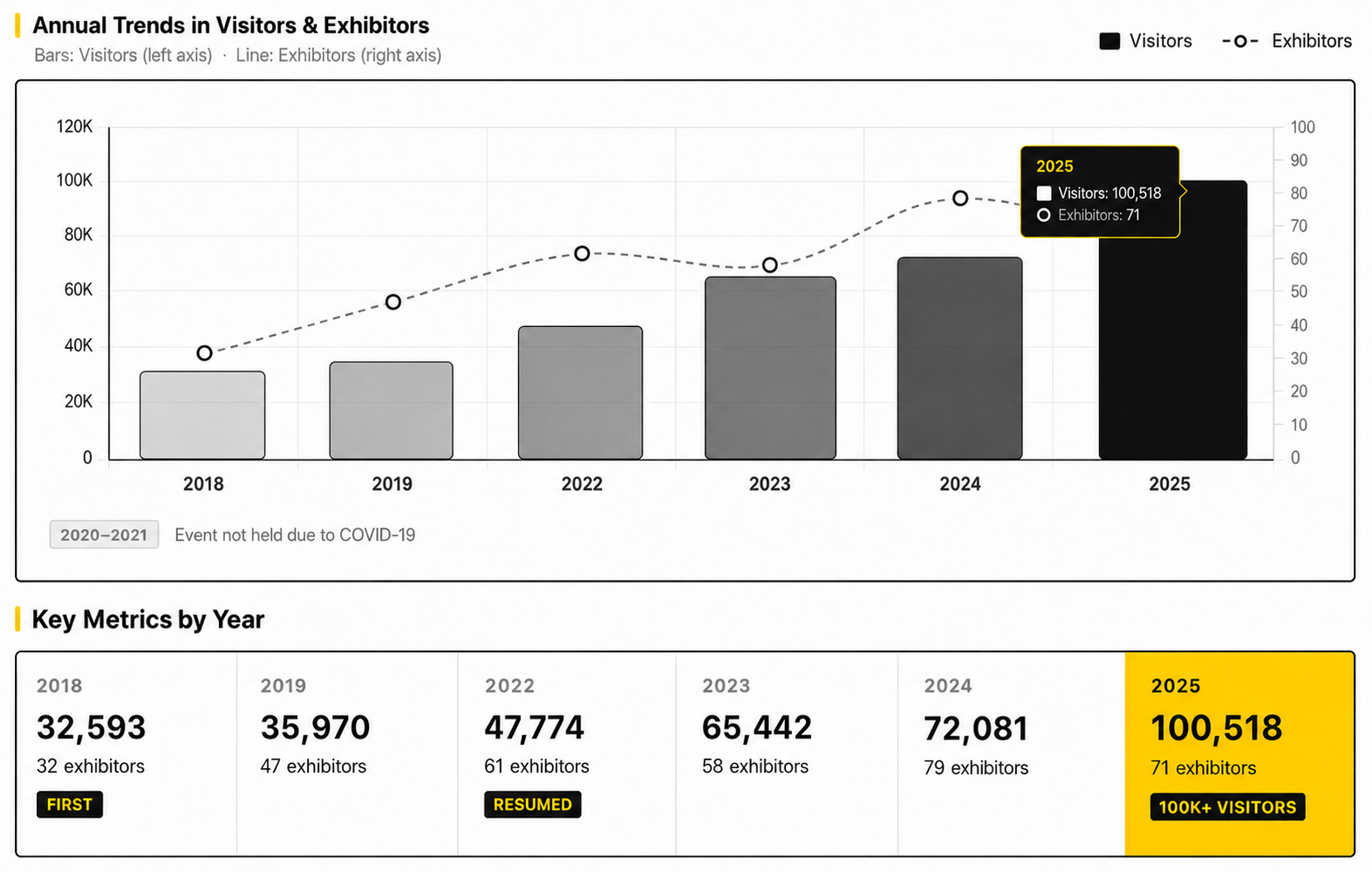
One reason for the sharp increase in 2025 was the expansion from a two-day weekend event to a three-day Friday-to-Sunday schedule. Organizer planning materials project approximately 120,000 visitors for AGF 2026, which would represent an increase of about 19 percent from 2025.
AGF 2026 will once again run for three days and occupy Halls 1 through 5 of KINTEX Exhibition Center 1. The scale of the event demonstrates how far AGF has moved beyond its early position as a niche gathering. It is now one of the most significant annual offline events for Korea’s anime, game, and character-IP fandom.
Who Attends AGF Korea?
The value of AGF lies not only in the size of its audience, but also in the characteristics of the people attending.
According to the organizer’s 2025 audience analysis, visitors in their twenties represent 60 percent of attendance. People in their thirties account for another 24 percent, meaning that consumers in their twenties and thirties make up 84 percent of the total audience.
The occupational breakdown is similarly notable. Working professionals account for 38 percent of visitors, while students represent 37 percent. Together, these groups make up 75 percent of attendance.
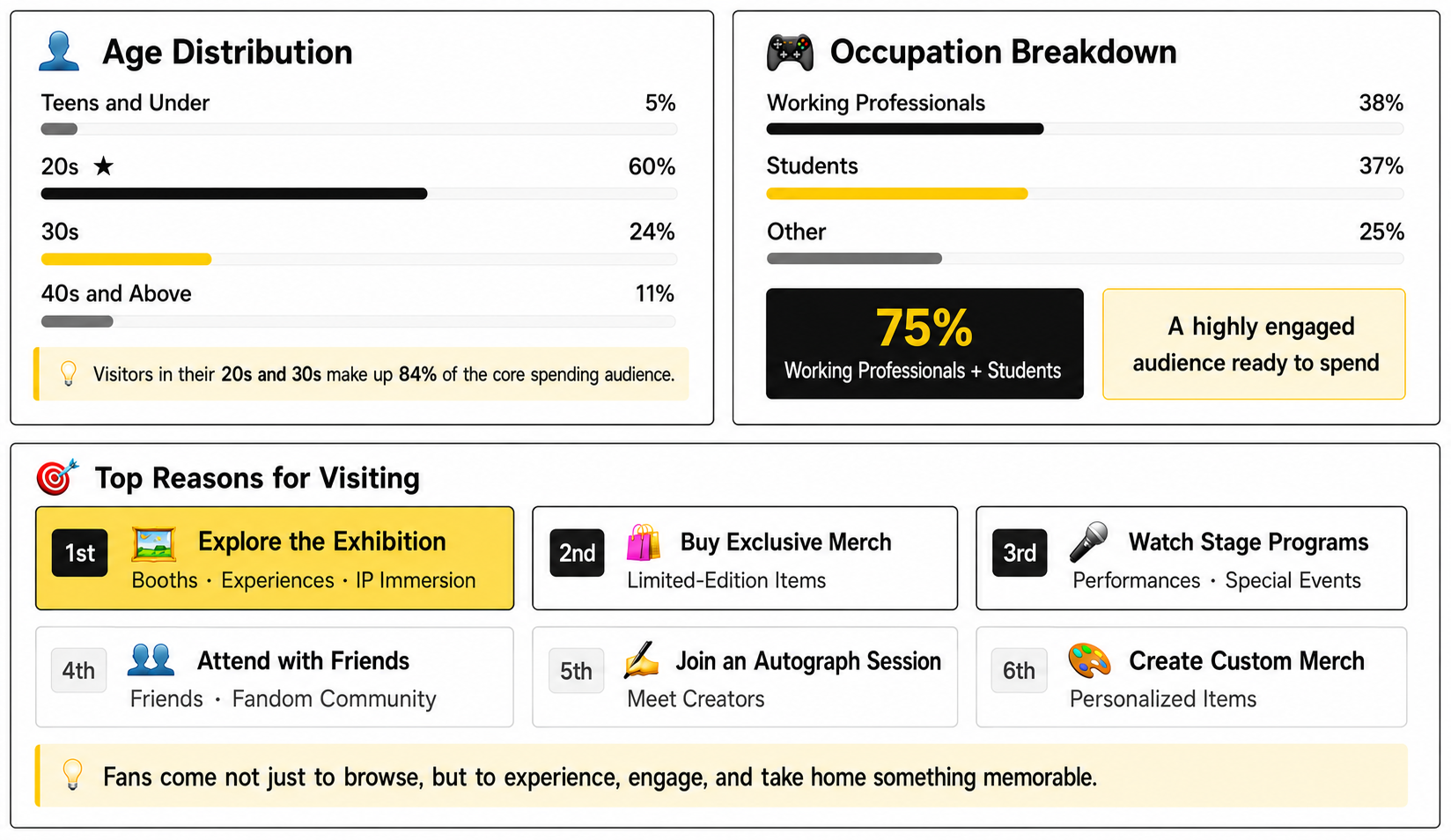
Exhibition viewing is the most common reason for attending, followed by purchasing limited-edition merchandise and watching stage programs. Visitors also attend with friends, meet artists and creators, and participate in cosplay activities.
This audience is prepared to spend time and money on the IPs it follows. Fans often plan their visits around particular booths, products, and stage schedules. Some attend on multiple days, while others line up before sunrise to improve their chances of securing limited items.
The atmosphere differs from that of a conventional gaming expo. Booths are filled with events and merchandise, while cosplay photography lines, fan gatherings, creator activities, and character displays generate continuous movement throughout the venue. AGF is an event where visitors actively shape their own experience through participation, purchasing, photography, and sharing.
AGF Korea 2026 Exhibitor Guide: Registration Timeline
Anime X Game Festival 2026 will take place from December 4 to 6, 2026, at KINTEX Exhibition Center 1 in Goyang, South Korea. The event will use Halls 1 through 5 and operate from 9:30 AM to 6:00 PM each day.
This AGF Korea 2026 exhibitor guide starts with the event schedule because booth planning depends on more than the public show dates. For global publishers, early registration begins in July, while required documents and exhibitor service applications must be completed before mid-November.
| Dates | Milestone | Notes |
|---|---|---|
| July 15–August 31, 2026 | Early Registration | 10% registration discount and priority booth placement |
| September 1–30, 2026 | General Registration | 50% deposit due within one week of application; remaining 50% due within 15 days after registration closes |
| September 16–November 16, 2026 | Documents and Exhibitor Service Applications | Submission deadlines may vary depending on the required document or requested exhibitor service |
| December 4–6, 2026 | AGF 2026 | KINTEX Exhibition Center 1, Halls 1–5 9:30 AM–6:00 PM daily |
The official exhibitor information confirms the registration dates, payment schedule, early-registration discount, and priority placement benefit.
Early registration is especially relevant at AGF because booth placement can affect visibility and traffic. Entrances, major aisles, stages, and high-demand IP booths influence how visitors move through the exhibition halls.
For more information about placement considerations, see our AGF Korea booth price and location guide.
How Much Does an AGF Korea Booth Cost?
Booth cost is one of the most practical parts of this AGF Korea 2026 exhibitor guide, especially for overseas publishers comparing early registration rates with general registration rates. For custom activations, most exhibitors will book a raw space and build a custom booth rather than a prebuilt package.
AGF prices independent exhibition space in 9 m² increments, or about 97 sq ft. The minimum independent space is 36 m², or about 388 sq ft.
During early registration, the rate is KRW 2,000,000 (approximately USD 1,330) per 9 m², or about 97 sq ft. During general registration, the rate increases to KRW 2,200,000 (approximately USD 1,470) for the same area. All official prices exclude VAT.
| Registration Type | Rate | Minimum Space | Minimum Rental Fee |
|---|---|---|---|
| Early Registration | KRW 2,000,000 (approx. USD 1,330) per 9 m² / 97 sq ft | 36 m² / 388 sq ft | KRW 8,000,000 (approx. USD 5,330) |
| General Registration | KRW 2,200,000 (approx. USD 1,470) per 9 m² / 97 sq ft | 36 m² / 388 sq ft | KRW 8,800,000 (approx. USD 5,870) |
The minimum early-registration space fee is therefore KRW 8,000,000 (approximately USD 5,330), while the minimum general-registration fee is KRW 8,800,000 (approximately USD 5,870).
Independent booths must be constructed and dismantled by the exhibitor through a KINTEX-approved contractor. Electricity, internet, audiovisual systems, furniture, graphics, and other exhibitor services are ordered separately.
AGF also offers prebuilt standard booths and enclosed storage options. However, independent space is generally the more relevant format for international publishers planning a custom branded environment.
AGF Early Bird Booth Rates
AGF offers discounts for early registration, consecutive participation, and larger exhibition footprints.
The early-registration discount may be combined with either the returning-exhibitor discount or the floor-area discount. The returning-exhibitor and floor-area discounts cannot be combined with each other. The maximum total discount is 30 percent.
| Discount Category | Equivalent Floor Area | Discount | Combination Rule |
|---|---|---|---|
| Early Registration | All eligible applications submitted by August 31 | 10% | May be combined with one additional discount category |
| Returning Exhibitor | Less than 90 m² / 969 sq ft | 5% | Choose either returning-exhibitor or floor-area discount |
| Returning Exhibitor | 90 m² / 969 sq ft or more | 10% | Choose either returning-exhibitor or floor-area discount |
| Floor Area | 90–171 m² / 969–1,841 sq ft | 10% | Cannot be combined with returning-exhibitor discount |
| Floor Area | 180–261 m² / 1,938–2,809 sq ft | 15% | Cannot be combined with returning-exhibitor discount |
| Floor Area | 270 m² / 2,906 sq ft or more | 20% | Cannot be combined with returning-exhibitor discount |
AGF calculates these thresholds using its 9 m² space-unit system. The square-meter and square-foot equivalents above are provided to make the requirements easier for international exhibitors to evaluate.
Select AGF, your participation type, and the required floor area to calculate an initial budget range covering estimated booth rental, construction, and operational expenses.
What to Expect on Site at AGF
AGF visitors do not attend only to browse. They come prepared to experience, purchase, participate, and document the IPs they follow.
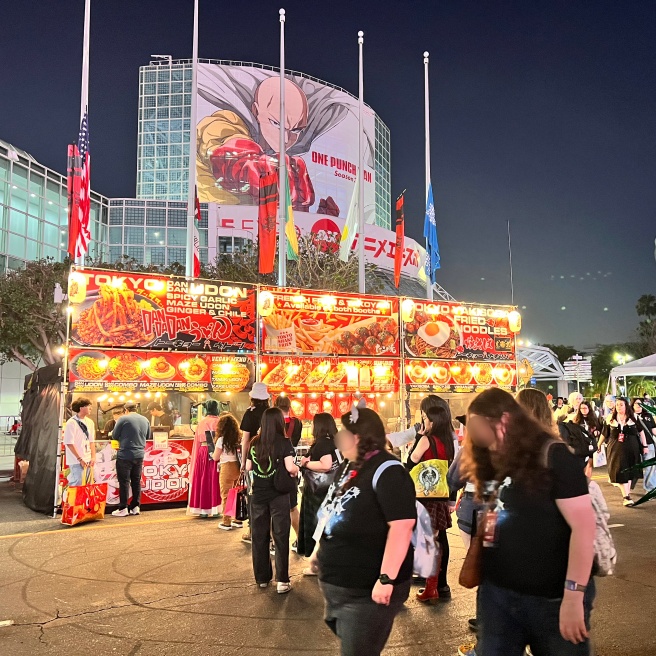
Merchandise counters, interactive events, stage schedules, cosplay appearances, and photo opportunities create continuous movement throughout the venue. Some fans return for multiple days, while others arrive before dawn to secure limited products or enter popular activities before capacity is reached.
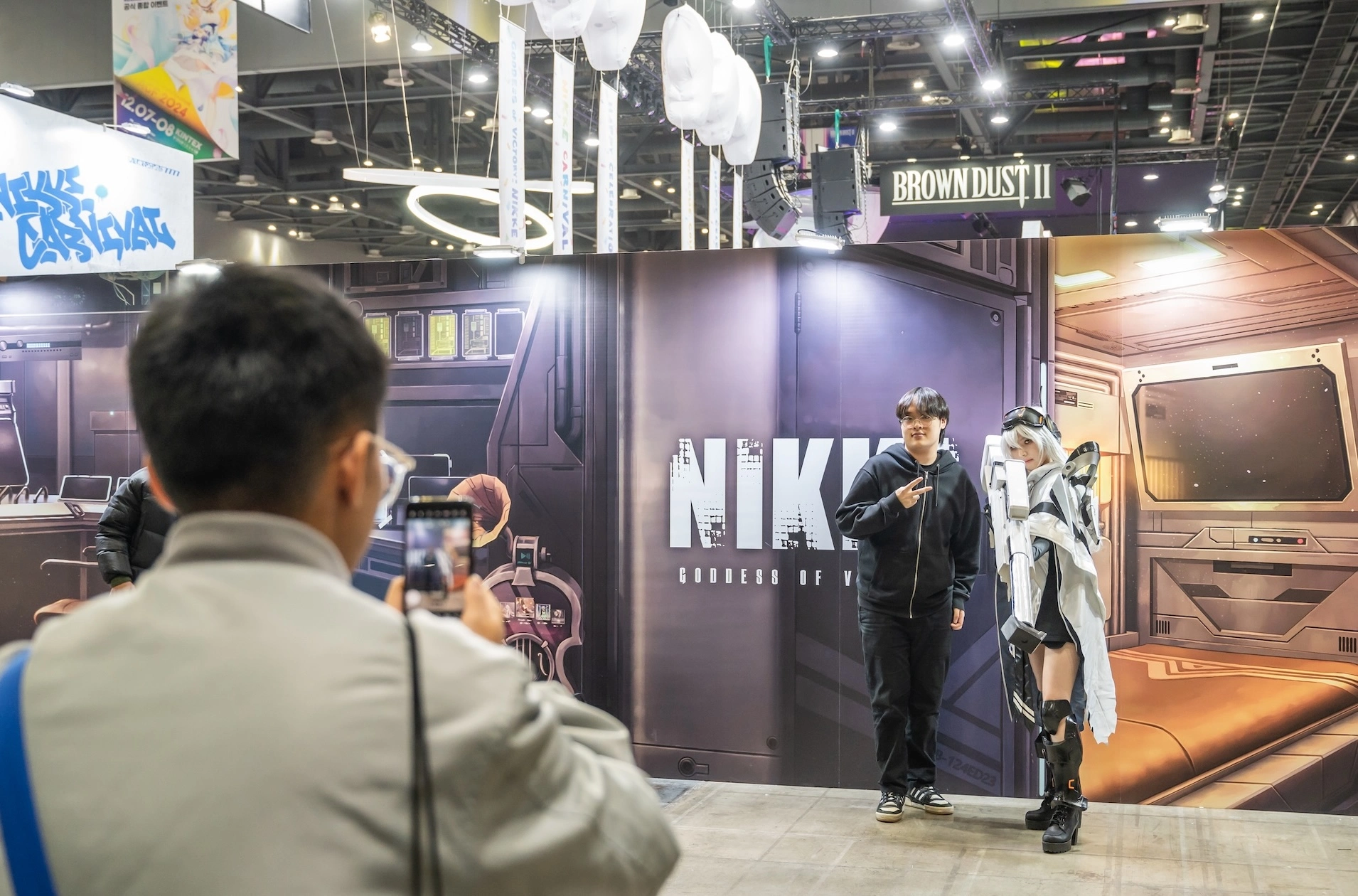
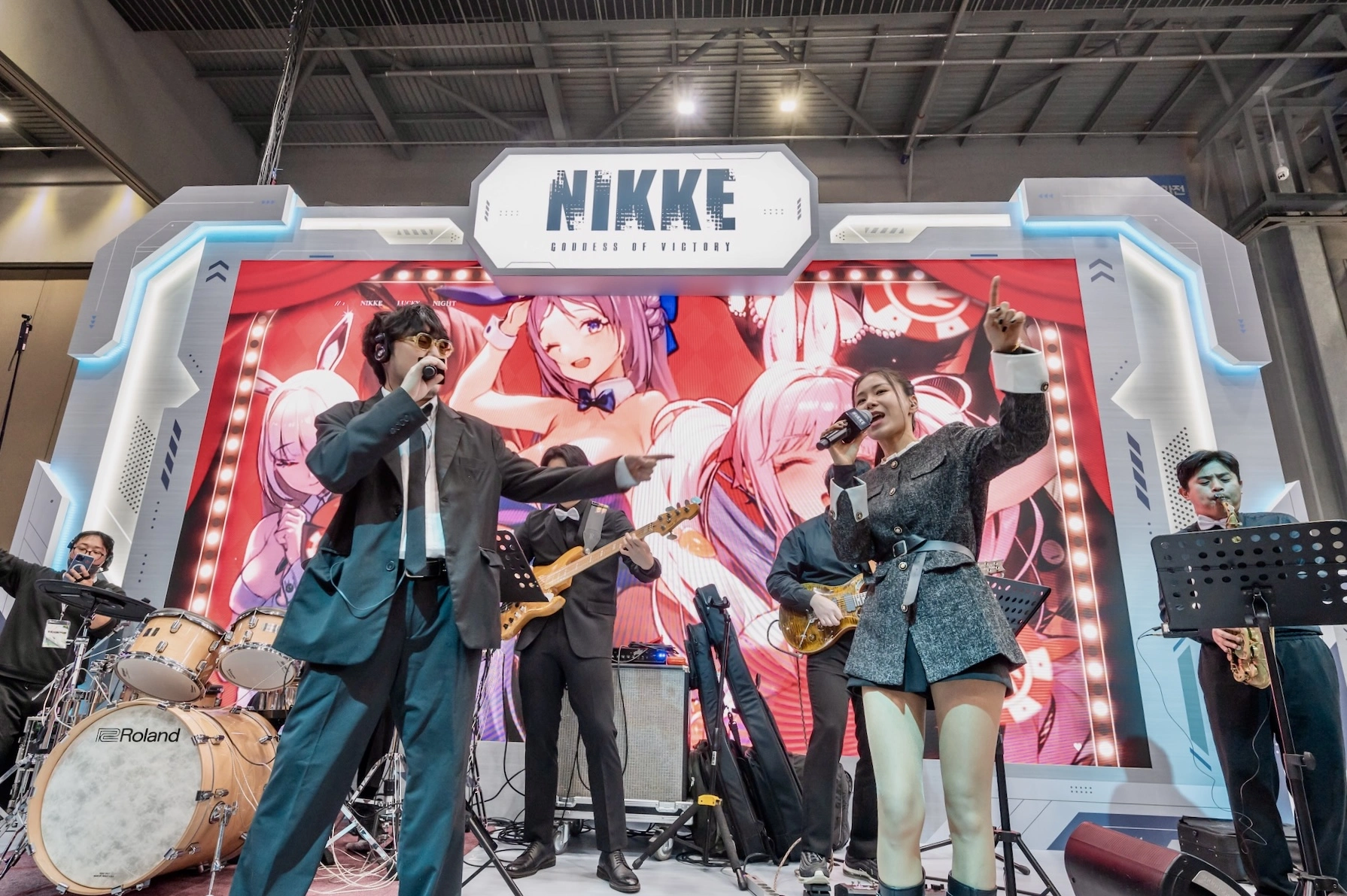
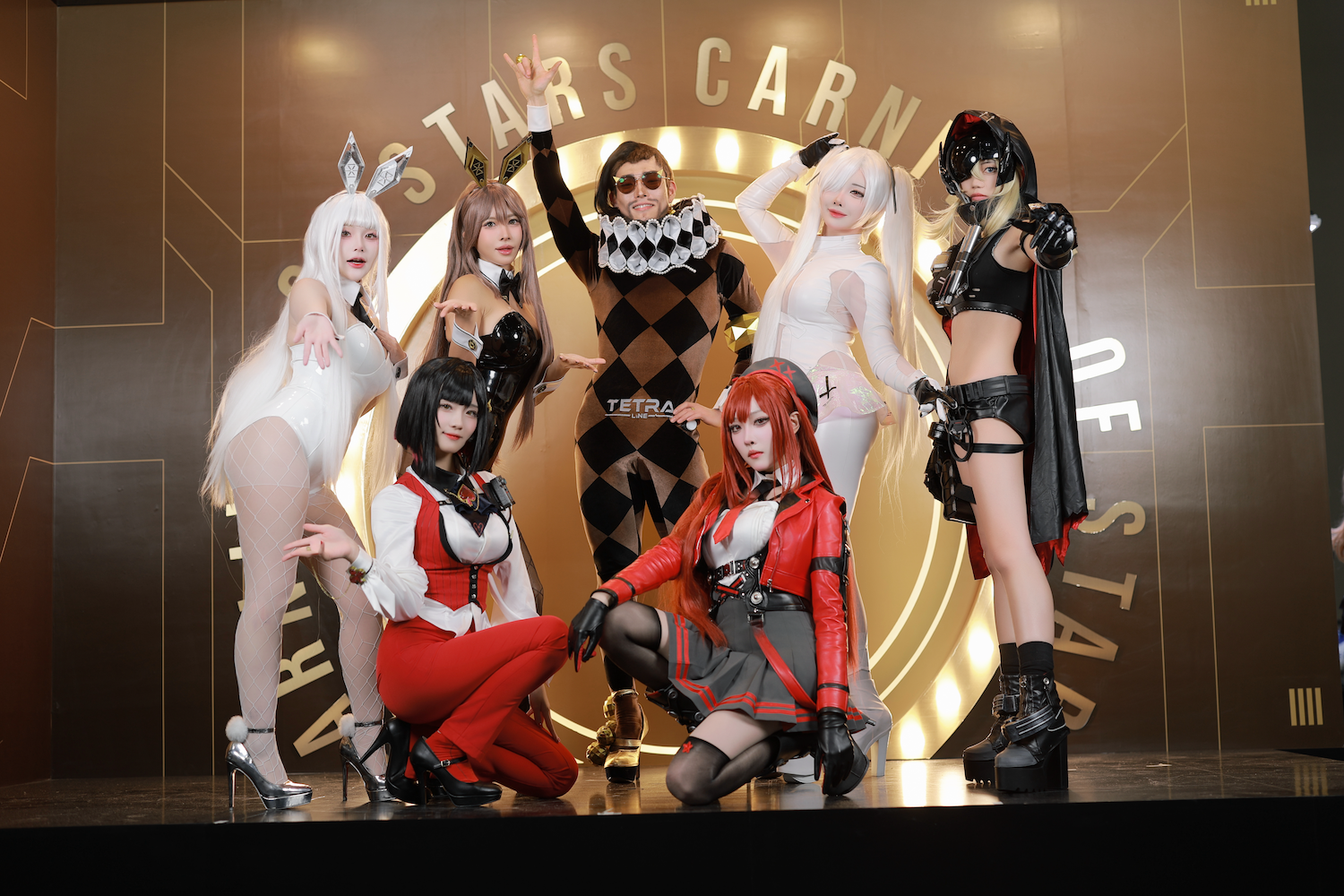
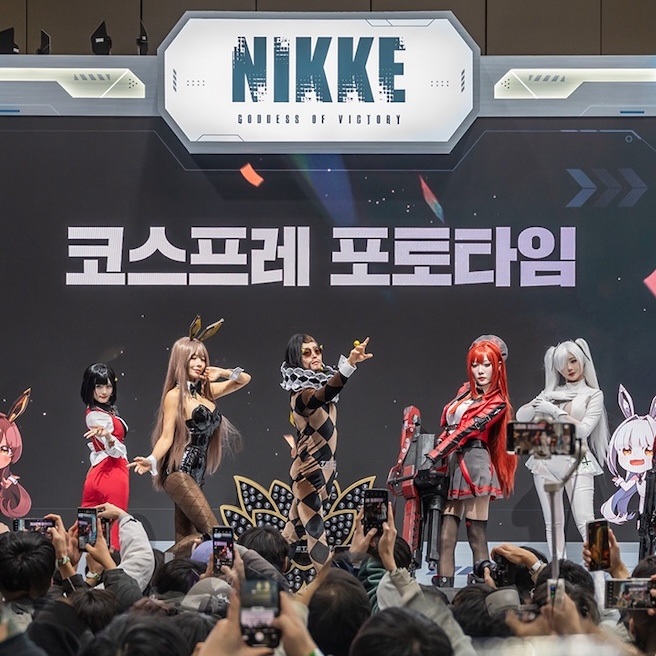
EIDETIC has planned and operated AGF activations for titles including Goddess of Victory: NIKKE. Our work has included IP-focused environments, interactive events, cosplay production, staff training, crowd management, and on-site fan engagement.
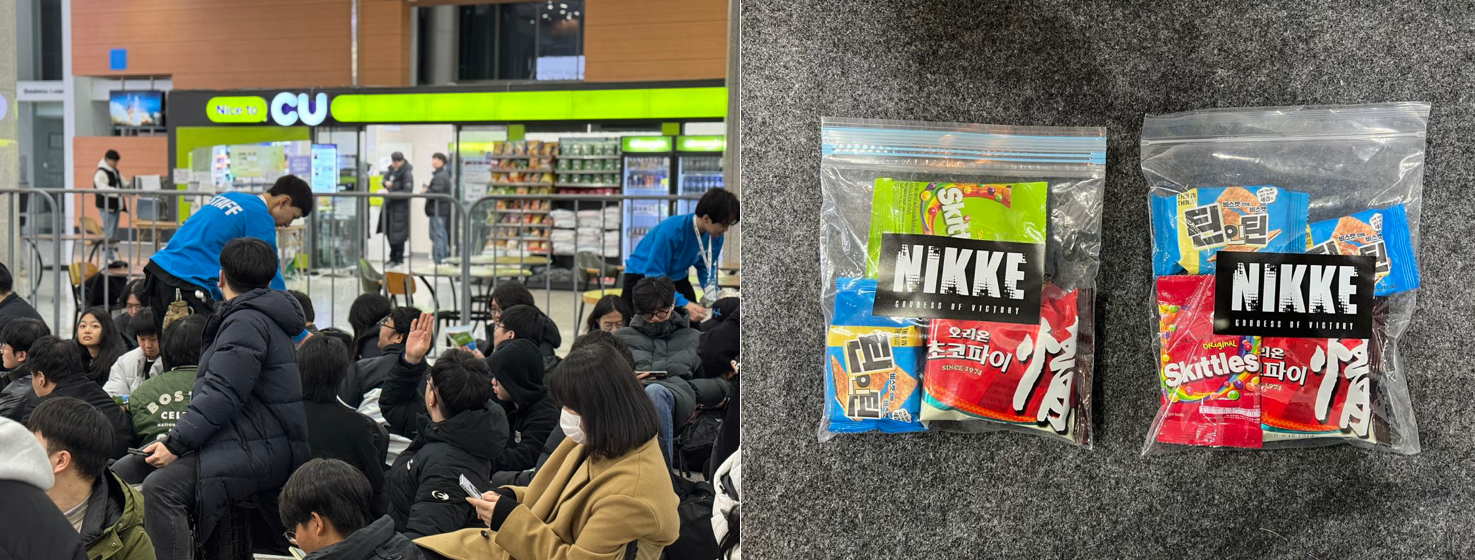
During a previous AGF opening, EIDETIC prepared hand warmers and snacks for fans waiting outside in the December cold. The gesture was simple, but it turned part of the pre-entry wait into a positive brand interaction. We have since seen more exhibitors prepare similar welcome items for early-arriving fans.
The visual impact of the booth remains important, but the full experience begins before visitors enter the space. Small details in guest communication, queue management, staffing, and hospitality can determine how fans remember the brand after the event.
This AGF Korea 2026 exhibitor guide is designed to help publishers understand not only the dates, booth costs, and registration process, but also the operational details that shape the fan experience on site.
In our next guide, we will look more closely at how publishers can turn a game world into an immersive AGF booth experience.
FAQ About AGF Korea 2026
AGF, short for Anime x Game Festival, is a major consumer event in South Korea for anime, games, webtoons, light novels, virtual creators, merchandise, stage programs, and character IP. It connects publishers and IP owners with highly engaged anime and gaming fans in the Korean market.
AGF Korea 2026 will take place from December 4 to 6, 2026, at KINTEX Exhibition Center 1 in Goyang, South Korea. The event will use Halls 1 through 5 and operate from 9:30 AM to 6:00 PM each day.
AGF primarily attracts consumers in their twenties and thirties. Visitors in their twenties account for 60% of attendance, while those in their thirties represent 24%. Office workers and students together account for 75% of the audience.
The minimum independent exhibition space is 36 m², or approximately 388 sq ft. AGF prices independent space in increments of 9 m², or approximately 97 sq ft.
The early-registration rate is KRW 2,000,000, or approximately USD 1,330, per 9 m² (97 sq ft). The general-registration rate is KRW 2,200,000, or approximately USD 1,470, for the same area. The minimum space rental fee is KRW 8,000,000 (approximately USD 5,330) during early registration and KRW 8,800,000 (approximately USD 5,870) during general registration, excluding VAT. USD equivalents are calculated at USD 1 = KRW 1,500 and may vary with exchange rates.
Early registration closes on August 31, 2026, and general registration closes on September 30, 2026. Required documents and facility applications can be submitted from September 16 through November 16.
AGF offers a 10% early-registration discount, returning-exhibitor discounts of 5% to 10%, and floor-area discounts of 10% to 20%. The early-registration discount may be combined with one additional category, while returning-exhibitor and floor-area discounts cannot be combined with each other. The maximum total discount is 30%.
AGF Korea Booth Price & Best Booth Location Tips
September 1, 2025
AGF Korea Booth Price & Best Booth Location Tips
In our previous article, we introduced what Anime Game Festival (AGF Korea) is and why it has become one of Korea’s most distinctive subculture events.
Building on that overview, this article will focus on AGF Korea Booth Price and key registration tips for exhibitors planning to participate in 2025.
AGF Korea Booth Price (USD, VAT excluded)
- ✔️Standard Booth – $2,000
Includes a fully built 3m × 3m × 3m booth with fascia board, power supply, information desk, carpeting, chairs, and LED lighting. - ✔️Independent Booth – $1,690
A space-only option that requires a minimum of 4 booths. Custom construction must be handled by KINTEX-approved contractors. Best for brands that want a larger, custom-designed presence. - ✔️Storage Booth – $615
An additional booth used as storage space. Comes with entry doors and master keys, making it convenient for managing merchandise and materials.

Booth Price Discounts for Exhibitors
AGF Korea offers several discount programs that can reduce costs by up to 30% when combined:
- • Early registration discount: 10%
- • Returning exhibitor discount: 5–10%
- • Booth scale discount: 10–20%
Applying early not only lowers the AGF Korea Booth Price but also increases the chance of securing a better booth location. Once you understand the pricing and discounts, the next step is to keep track of the registration timeline.
AGF Korea Booth Registration Period
- • Early Registration: August 4 – September 26, 2025
- • General Registration: September 29 – October 31, 2025
- • Advertising & Facility Applications: October 20 – November 21, 2025
- • Event Dates: December 5–7, 2025
In addition to planning ahead for deadlines, exhibitors should also pay close attention to booth location strategy.
AGF Korea Best Booth Location Tips
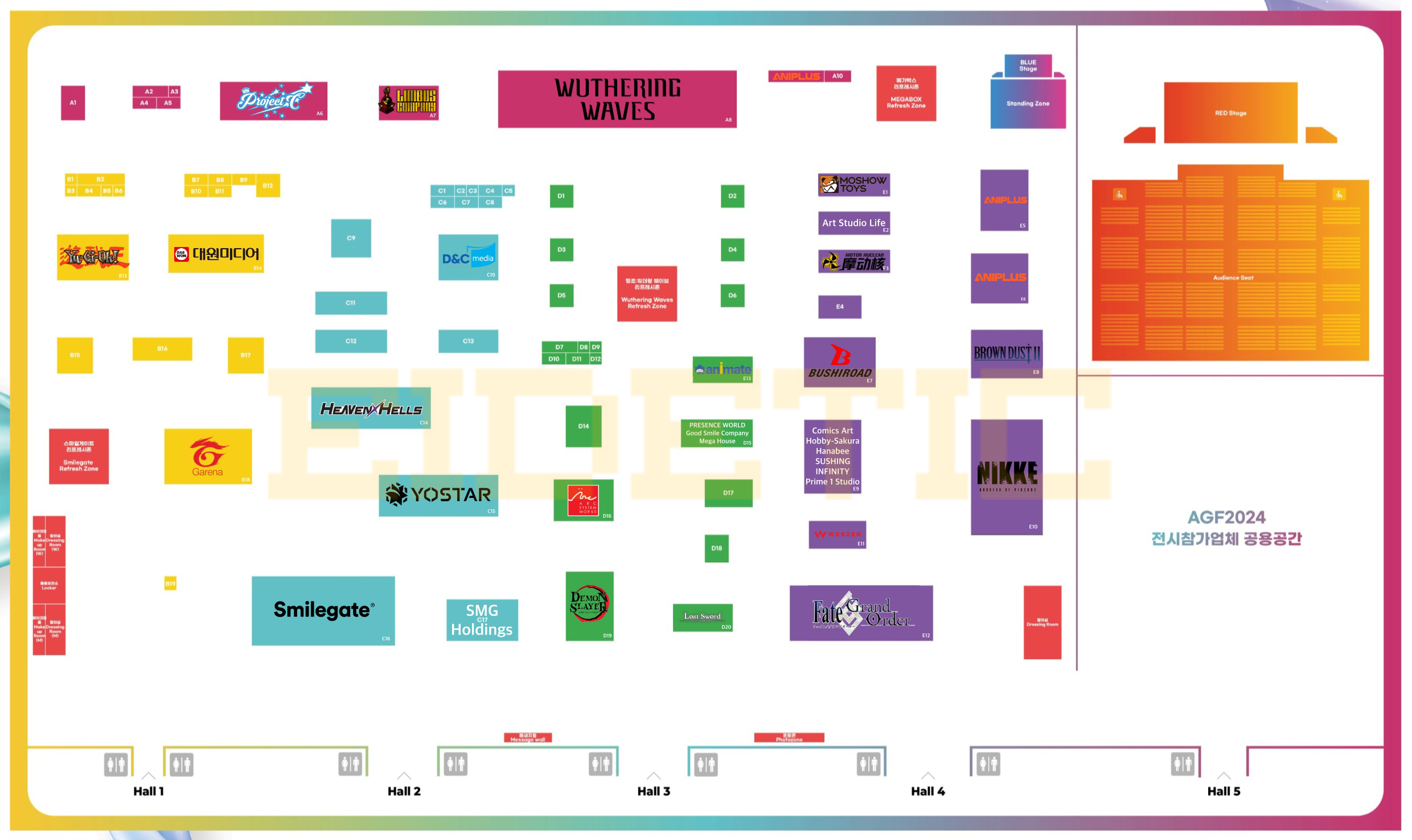
When reviewing the AGF Korea 2024 floor plan, it’s clear that booth location can be just as important as booth size. The venue has five main entrances, and booths near these entry points naturally receive higher traffic as visitors first enter the hall.
Larger booths placed by entrances or along central pathways are especially effective in drawing attention. To maximize visibility, exhibitors should apply early to secure these prime locations before they sell out.
Early registration for AGF Korea 2025 closes on September 26. here are only a few weeks left to secure the best booth prices and locations. If you are a game publisher or brand considering participation and would like professional support, feel free to reach out to us.
AGF Korea Marketing Agency
Eidetic is a global marketing agency specializing in anime and gaming events. At AGF Korea, we help publishers and IP holders design booths, create fan experiences, and connect directly with their audience.
Our portfolio includes the NIKKE booth, where we delivered an immersive setup with stage programs and interactive zones that drew strong fan engagement.


AGF: The Biggest Anime Game Festival in Korea
August 25, 2025
AGF: The Biggest Anime Game Festival in Korea
In Asia, the most recognized convention for gaming and subculture is the Tokyo Game Show (TGS) in Japan, rooted in the popularity of Japanese anime. In Korea, the largest game exhibition is G-STAR, held annually in Busan and known for its global scale.
But beyond G-STAR, Korea also has a convention that focuses more on subculture—the Anime Game Festival (AGF Korea). Dedicated to anime, games, and character IP, AGF has quickly gained popularity as the country’s most distinctive subculture event.
What Is AGF Korea(Anime Game Festival)?
The Anime X Game Festival (AGF Korea) is a large-scale convention in Korea dedicated to Japanese anime and subculture mobile games. It is co-hosted by ANIPLUS, Sony Music Entertainment, Daewon Media, and D&C Media. With four major companies behind it, the festival has continued to grow in scale and influence. Originally held only on weekends, AGF Korea expanded its schedule in 2025 to start on Friday, giving fans and exhibitors an extra day to experience the event.
FAQ for international exhibitors
The biggest game show in Korea is G-STAR, held every year in Busan. It is an international convention that covers the full spectrum of the gaming industry, from PC and mobile games to esports. G-STAR Korea is widely recognized for its large-scale consumer booths, competitive esports tournaments, and global business networking opportunities.
Where does the AGF Korea take place?
The festival takes place at KINTEX Exhibition Center 1 in Ilsan, South Korea, occupying Halls 1 through 5. As one of the country’s largest convention venues, KINTEX offers ample space for large-scale cultural and entertainment events.
When is the AGF Korea?
AGF Korea 2025 will be held from December 5 (Fri) to December 7 (Sun), 2025, with daily opening hours from 09:30 to 18:00.
Who Participates in AGF Korea?
AGF Korea brings together a wide range of domestic and international exhibitors, including:
- • Official licensors of anime and games
- • Businesses related to animation and gaming
- • Broadcasting stations, publishers, and media companies
- • Character merchandise companies
With this diverse lineup of participants, Anime Game Festival serves as both a fan festival and a professional platform for the anime and gaming industries.
Booth Registration for Anime Game Festival
- • Early Registration: Until September 26, 2025 (includes booth priority + 10% discount)
- • General Registration: Until October 31, 2025
- • Booth Facility Applications: October 20 – November 21, 2025
For exhibitors, early registration offers not only cost benefits but also better booth positioning.
Key Features of Anime Game Festival
- Anime & Game IP Showcases: Top publishers from Korea, Japan, and China present their titles and exclusive collaborations.
- Cosplay & Stage Programs: Fans experience live performances, photo zones, and cosplay showcases that highlight the subculture spirit.
- Merchandise Zones: Limited edition goods, character items, and fan-favorite collectibles are a major attraction.
- Flexible Booth Options: From standard exhibition booths to independent custom spaces, companies can choose setups that best fit their branding.
AGF continues to grow as a must-attend festival for fans and companies in the anime and gaming industries. It is where fandom meets business, making it a unique event in Asia’s subculture market.
AGF Korea Marketing Agency
Eidetic is a global marketing agency specializing in anime and gaming events. At AGF Korea, we help publishers and IP holders design booths, create fan experiences, and connect directly with their audience.
Our portfolio includes the NIKKE booth, where we delivered an immersive setup with stage programs and interactive zones that drew strong fan engagement.
In our next article, we will take a closer look at how to participate in AGF Korea as an exhibitor, including booth application details and costs.
How to Exhibit at a Korean Game Show G-STAR Korea
May 18, 2025
G-STAR 2026 Exhibitor Guide: How to Exhibit in Korea
G-STAR 2026 brings a notable change to Korea’s largest game show. For the first time in the event’s history, the main sponsor is not a game company, but WRTN Technologies, the company behind the AI platform Crack.
For exhibitors already confirmed for G-STAR 2026, securing booth space is only the beginning. The next challenge is standing out on the show floor, attracting the right audiences, and turning that attention into meaningful engagement.
This G-STAR exhibitor guide covers the decisions that come next, from booth strategy and production timelines to visitor flow, regulations, merchandise, and marketing beyond BEXCO.
G-STAR 2026 at a Glance
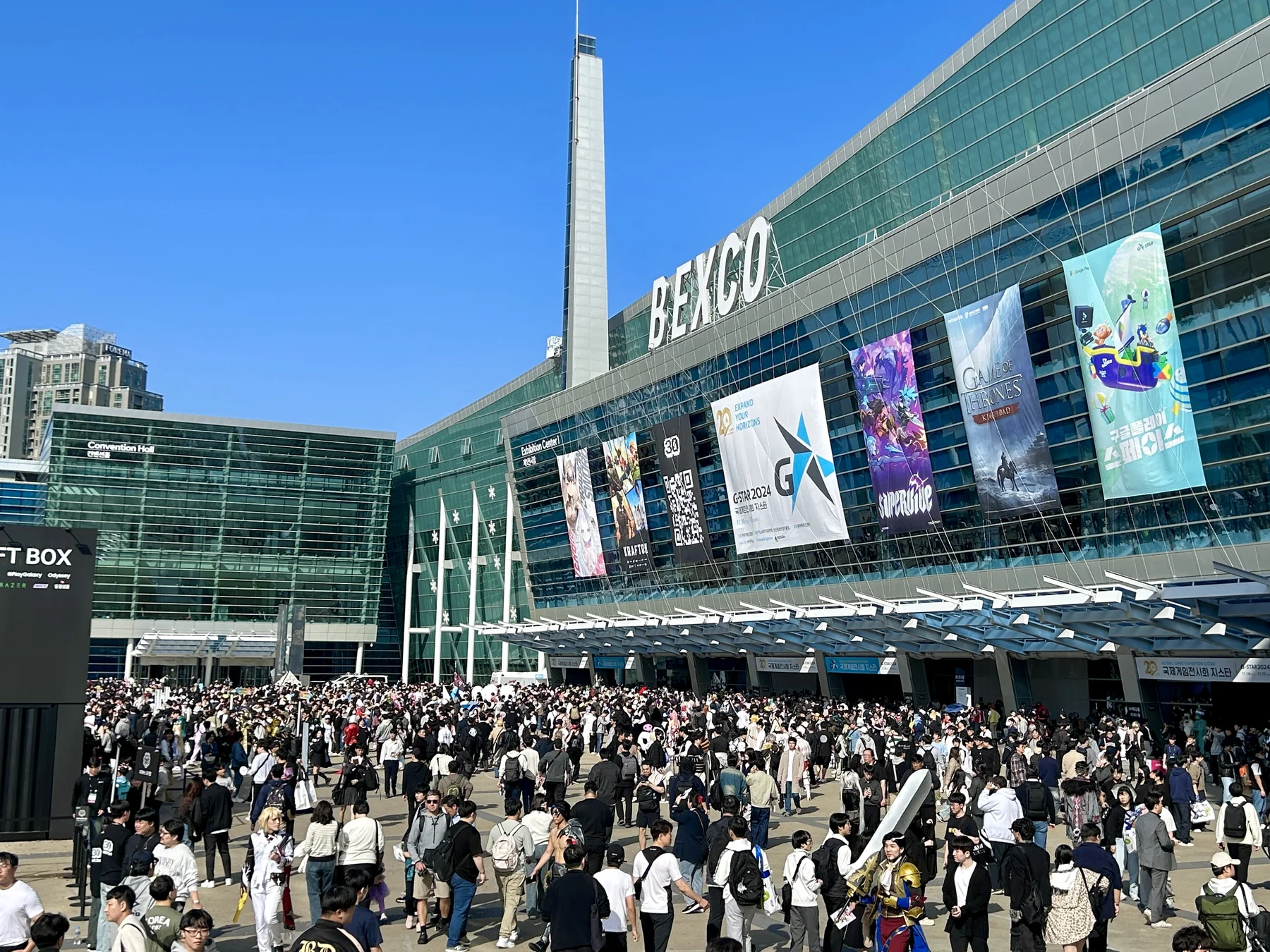
G-STAR is South Korea’s largest annual game exhibition, bringing together game publishers, developers, platforms, industry professionals, and gaming audiences at BEXCO in Busan.
The show is broadly divided into BTC and BTB programs. BTC is consumer-facing, while BTB focuses on business meetings, networking, and industry opportunities.
| G-STAR 2026 | Details |
|---|---|
| Venue | BEXCO, Busan, South Korea |
| BTC Exhibition | November 19–22, 2026 |
| BTB Exhibition | November 19–21, 2026 |
| Organizer | Korea Association of Game Industry |
| Early Bird Application | March 3–April 30, 2026 |
| General Application | May 26–July 31, 2026 |
| Current Status | Exhibitor applications closed |
With the application period complete, the focus now shifts from securing exhibition space to preparing the actual experience and making sure all operational requirements are ready before move-in.
Choosing Your G-STAR Booth Format
The application process starts on the official G-STAR website. Exhibitors create an account, submit an online application, receive organizer approval and an invoice, and complete payment.
One of the first planning decisions is choosing the right exhibition format for the project.
G-STAR 2026 offers three main booth options:
| Booth Type | What It Means | Best Suited For |
|---|---|---|
| Independent Booth | G-STAR’s space-only option for custom booth construction | Large BTC activations and custom brand experiences |
| Shell Scheme Booth | A prebuilt booth package with a simpler setup | Smaller exhibitors that do not require a fully custom structure |
| Lounge Booth | A BTB-only format located within the networking area | Meetings, networking, and business development |
G-STAR refers to its space-only option as an Independent Booth. International exhibitors may also recognize this format as raw space or a space-only booth. Raw space provides the floor area, while the exhibitor separately plans and produces the custom booth.
For larger consumer activations, raw space provides more flexibility to build an experience around game demos, stage programming, merchandise, content, and visitor engagement.
For current participation fees, discounts, payment conditions, cancellation rules, and application requirements, see our G-STAR 2026 Booth Application Guide.


Booth rental is only one part of a G-STAR budget. Booth size, construction, content, staffing, and on-site operations can significantly affect the total cost. Use EIDETIC’s Booth Cost Estimator to get an initial planning range for your G-STAR booth.
G-STAR Preparation Timeline
A G-STAR project normally starts months before the show. International exhibitors need enough time to coordinate booth production in Korea while also preparing game content, creative assets, talent, merchandise, logistics, and internal approvals.
Planning and Agency Selection
- Send RFPs and select an exhibition or experiential marketing agency.
- Define booth objectives, KPIs, game or IP priorities, and an approximate budget.
- Establish the initial booth layout and creative direction.
- Identify demo zones, stage programs, merchandise, photo opportunities, and visitor activities.
- Secure in-demand cosplayers, creators, MCs, or other talent early if they are part of the program.
A clear agency brief makes it easier to compare proposals and determine whether a concept is realistic within the available space, budget, and production schedule.
If you are preparing agency outreach, our G-STAR Booth Design & Production RFP Guide covers the information that should be included in the brief.
Design and Production
- Finalize booth design, zoning, visitor flow, and demo areas.
- Develop trailers, graphics, interactive content, and stage programming.
- Plan queue management and visitor capacity for major activities.
- Begin cosplay costume and prop production where required.
- Prepare multilingual brochures, press materials, signage, and operational content.
- Design and produce merchandise and giveaway items.
- Confirm external partners or sponsors supporting equipment, prizes, or activities.
- Plan storage, staff circulation, technical areas, and replenishment routes.
Design and operations should be developed together. Demo duration, queue capacity, stage crowds, merchandise storage, and staff access can all affect the final floor plan.
Final Operations
- Submit required exhibitor forms and exhibitor service orders.
- Confirm exhibitor badges, contractor information, utilities, and logistics.
- Finalize booth staff roles for demos, B2B meetings, stage operations, merchandise, and visitor support.
- Coordinate B2B meetings and guest schedules.
- Complete staff training, cue sheets, rehearsals, and escalation procedures.
- Finalize PR, social media, creator, and media outreach.
- Confirm merchandise inventory and replenishment plans.
- Prepare contingency plans for technical, staffing, or operational issues.
For confirmed G-STAR 2026 exhibitors, these final operational requirements should now be a priority.
Planning Your G-STAR Booth
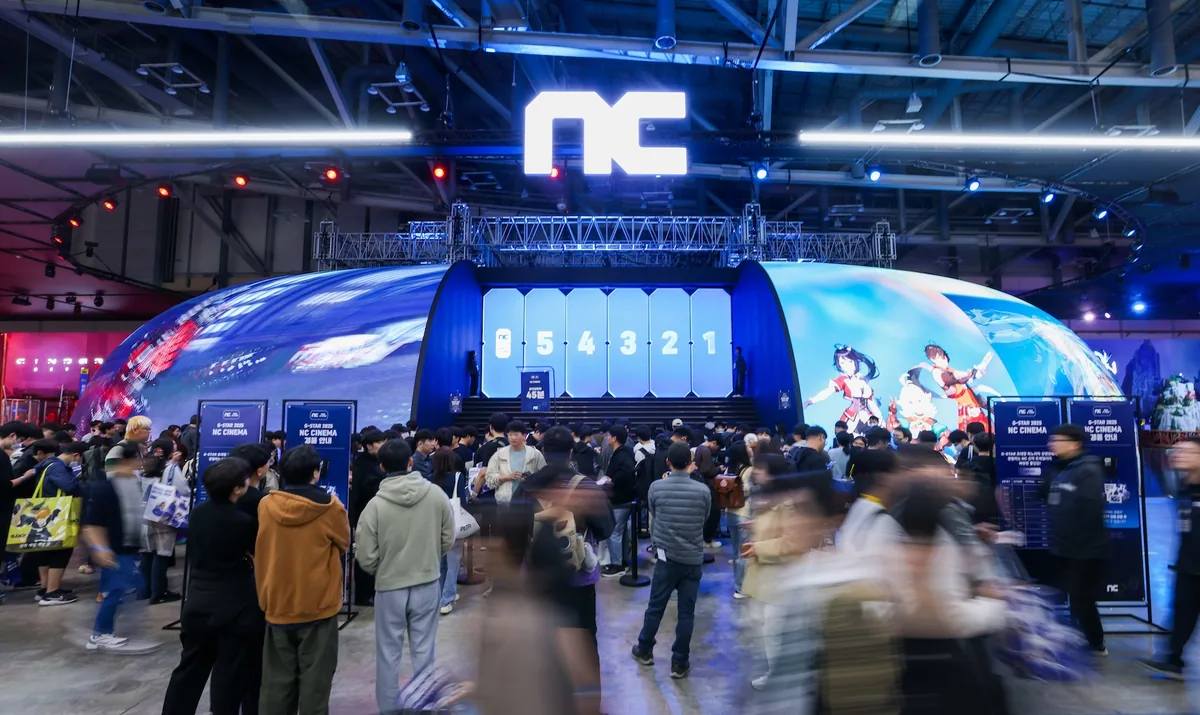
A major G-STAR BTC booth operates differently from a conventional trade show display.
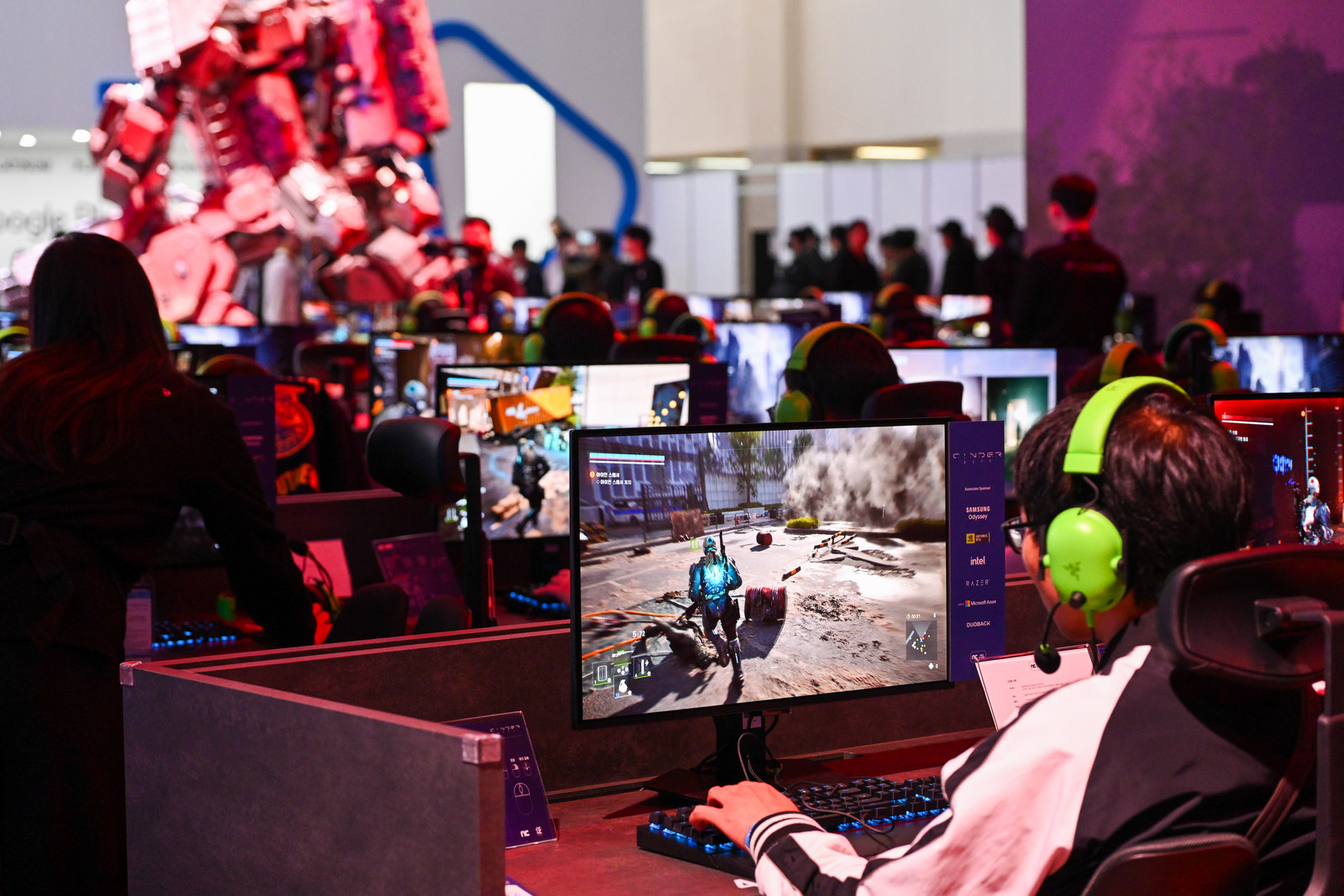
Visitors may come to play a game, watch a stage event, meet a creator, take photos with cosplayers, complete missions, collect merchandise, or simply explore a new IP. Several of these activities can happen simultaneously within the same space.
In practice, a large G-STAR booth can operate more like a temporary entertainment venue.
Build for More Than Display
Strong visual impact matters on a crowded show floor, but the booth also needs to support everything that happens after a visitor notices it.
Depending on the project, that can include playable demos, stage programming, esports, cosplay, photo opportunities, interactive missions, merchandise, community activities, creator appearances, media content, and VIP or B2B meetings.
The right combination depends on the IP, audience, booth size, and exhibition objective.
A new game preparing for launch may prioritize playable demos and media content. An established IP may place more emphasis on fan activities, merchandise, and community experiences. A publisher presenting several games may need a completely different zoning strategy.
Plan the Visitor Journey Early
Visitor flow should be treated as part of the booth design rather than something to solve after construction.
- How many visitors can each demo zone handle per hour?
- Where will queues form?
- How will visitors enter and leave major activities?
- Can staff move between operational areas without crossing visitor queues?
- Where will merchandise, equipment, and supplies be stored?
- How will items be replenished during the day?
- Will stage audiences interfere with nearby activities?
- Where will creators, cosplayers, and VIP guests enter and wait?
A demo zone may look efficient on a floor plan but still create a bottleneck if each gameplay session lasts too long. A stage may draw a strong crowd but block access to another activity. A merchandise area may require far more storage and queue capacity than expected.
These problems are easier to solve during design than during move-in.
For a closer look at booth themes, visitor flow, interactive experiences, cosplay, merchandise, and stage programming, see our G-STAR Booth Design & Operation Tips.
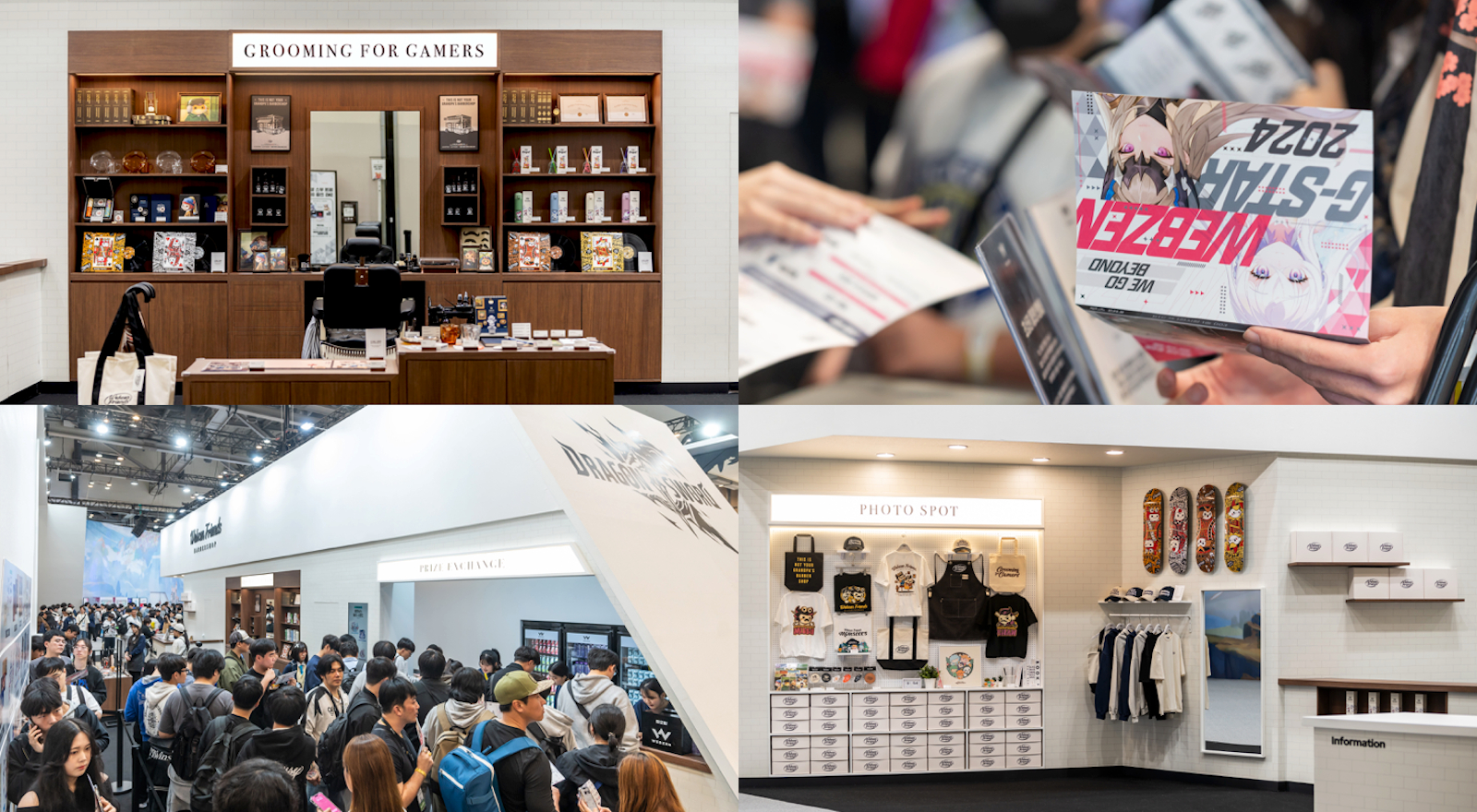
WEBZEN at G-STAR 2024
WEBZEN’s G-STAR booth combined playable content, interactive missions, cosplay, merchandise, stage programming, and visitor operations within one exhibition experience.
EIDETIC’s scope included creative strategy, visitor journey planning, booth design and production, cosplay costume production, and stage execution.
Choosing a Booth Location
G-STAR’s BTC and BTB exhibitions serve different purposes and operate in separate exhibition areas, so booth location should not be evaluated in the same way for both.
For BTC exhibitors, location can directly affect visibility, organic visitor traffic, queue placement, stage exposure, and how easily visitors enter and leave the booth. A position close to a major entrance may provide immediate exposure, but the most visible space is not automatically the best space.
When evaluating a BTC booth location, consider:
- ・Main visitor entrances and traffic direction
- ・Nearby exhibitors
- ・Booth orientation and open sides
- ・Available queue space
- ・Stage visibility
- ・Storage and service access
- ・Proximity to exits, restrooms, and food areas
Large booths also need enough surrounding space to manage queues and stage crowds without blocking neighboring exhibitors or major aisles.
For BTB exhibitors, the priorities are different. Visibility to general visitors matters less than access to meeting areas, networking spaces, and the overall business flow of the BTB exhibition.
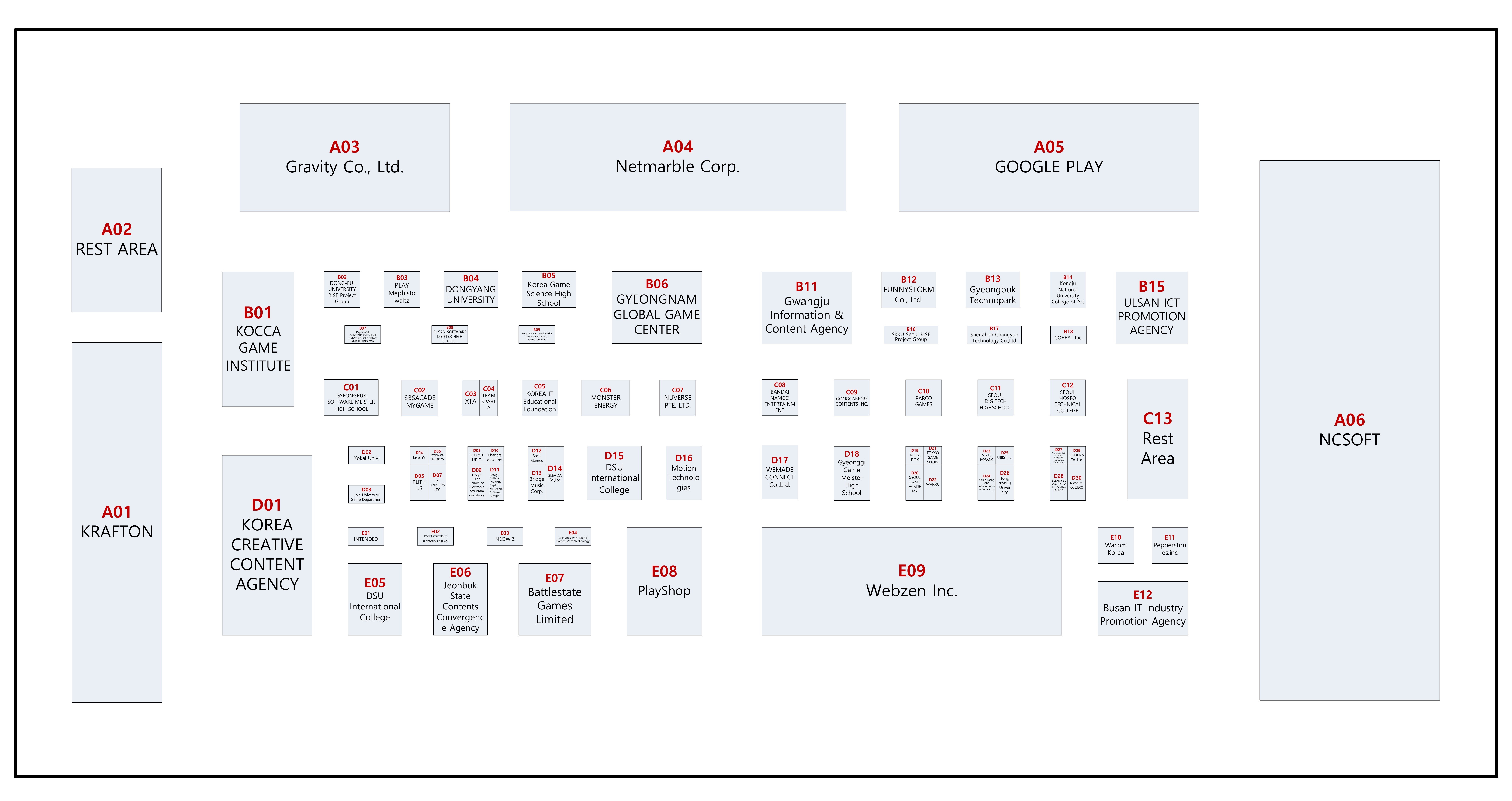
Past G-STAR floor plans can provide useful context for understanding how visitors move through BEXCO, although booth assignments and the exhibitor mix change each year.
Our G-STAR Booth Location Guide looks more closely at previous floor plans, visitor traffic, and booth placement.
Exhibitor Rules & Operations
International exhibitors should review operational requirements early enough to incorporate them into production plans.
Some requirements affect only paperwork. Others directly affect booth layout, construction, staffing, technical planning, and visitor access.
Exhibitor Services and Required Forms
Electricity, LAN, water, and other technical requirements are handled through exhibitor service applications. G-STAR also requires separate forms for exhibitor information, badges, raw-space contractors, in-booth events, on-site sales, heavy exhibits, and other operational requirements.
Not all forms are submitted through the G-STAR website. For 2026, some applications are completed online, while others must be submitted by email. For example, the Raw Space Booth Contractor Notification requires both online and email submission, while forms such as the In-booth Event Plan and On-site Sales Plan are submitted by email. Some documents are submitted on site during the exhibition.
October 16, 2026
Many G-STAR exhibitor submissions are due by this date, including utility orders, exhibitor information, badge applications, contractor notifications, in-booth event plans, and on-site sales plans.
These submissions should not be treated as a final administrative task. Power requirements, internet connections, exhibit weight, contractor access, and technical infrastructure can all influence the design and production plan.
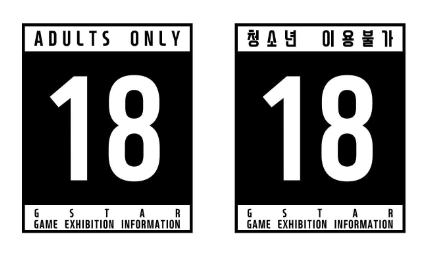
Age-Restricted Game Content
If an exhibitor plans to demonstrate age-restricted game content, those requirements should be reviewed before the booth layout is finalized.
At a minimum, exhibitors should account for rating information, visibility around demo areas, age verification, and controlled visitor access where required.
- Display the applicable game rating clearly.
- Plan the demo area so restricted content is not unnecessarily exposed to underage visitors.
- Prepare an age-verification and access-control process where required.
Always confirm the current requirements in the latest G-STAR Exhibitor Manual before finalizing the booth layout.
Merchandise and On-Site Sales
Merchandise plays a major role at consumer game exhibitions, whether it is sold directly, distributed as a giveaway, or used as a reward for completing an activity.
Exhibitors planning to sell products on site should include sales operations in the approval and planning process. For G-STAR 2026, the organizer provides an On-site Sales Plan form with an October 16 submission deadline.
The physical sales area also needs operational planning. Inventory, payment, packaging, staffing, storage, replenishment, and queue capacity can quickly turn a small merchandise corner into one of the busiest parts of the booth.
For more information on venue layouts, outdoor booth requirements, construction considerations, and operating regulations, see our G-STAR Outdoor Booth & Exhibition Regulations Guide.
Measuring Booth Performance
Foot traffic alone does not show whether a G-STAR booth achieved its objective.
A useful measurement plan starts by defining which visitor behaviors matter before the booth experience is designed.
- Game demo participation
- Visitor dwell time
- Mission participation and completion
- Dropout rate
- Merchandise or reward redemption
- Stage attendance
- QR scans or digital registrations
- Social media engagement
- Content creation and sharing
- B2B meetings or qualified leads
The most useful KPI depends on the role of each activity.
A broad giveaway should not be evaluated in the same way as a playable demo or a multi-step mission. Likewise, a photo opportunity may be more valuable for content creation than for dwell time.
Thinking about measurement during the planning stage also makes it easier to design experiences that produce trackable behavior rather than trying to reconstruct performance after the event.
Mission-Based Visitor Engagement
At WEBZEN’s G-STAR booth, mission-based activities connected different visitor touchpoints with merchandise rewards and digital verification.
The structure encouraged visitors to move through multiple parts of the booth while giving the team clearer participation and completion data than simple foot-traffic counts alone.
Getting to BEXCO & Where to Stay
G-STAR takes place at BEXCO in Busan, about 325 km southeast of Seoul. International visitors arriving through Incheon International Airport will usually need to travel onward to Busan by train, domestic flight, or private transportation.
| From | Typical Route | Arrival in Busan |
|---|---|---|
| Incheon Airport | Airport → Seoul Station → KTX | Busan Station |
| Seoul | KTX from Seoul Station | Busan Station |
| Gimpo Airport | Domestic flight to Busan | Gimhae International Airport |
From Busan Station or Gimhae International Airport, visitors can travel to BEXCO by subway, taxi, or private transportation.
For detailed routes from Incheon Airport and Seoul to Busan, see our Guide to Getting to BEXCO for G-STAR Exhibitors.
Where to Stay
For most G-STAR exhibitors, Centum City and Haeundae are the most practical areas to consider.
| Area | What to Know |
|---|---|
| Centum City | Closest to BEXCO and the most convenient option for easy access to the exhibition venue. |
| Haeundae | Offers a wide range of hotels, restaurants, cafés, and convenient options for client dinners and meetings outside show hours. |
| Gwangalli | A popular waterfront area with restaurants, cafés, and views of Gwangan Bridge, while still offering relatively easy access to BEXCO. |
For hotel recommendations, parking information, and transportation tips around BEXCO, see our G-STAR Hotel, Parking & Transportation Tips.
Beyond the Booth
G-STAR audiences are not limited to BEXCO.
During G-STAR week, gamers, creators, media, industry teams, and brand representatives move through Busan Station, Centum City, Haeundae, Gwangalli, and other high-traffic areas.
For larger campaigns, these locations can create additional touchpoints before visitors enter the exhibition or after they leave.
Potential formats include:
- ・Large-format and digital OOH
- ・Transit advertising
- ・Branded installations
- ・Pop-ups
- ・Photo opportunities
- ・Community events
- ・Hospitality events
- ・Nighttime activations
Busan Station can reach audiences as they arrive in the city, while Haeundae and Gwangalli are better suited to destination-based experiences. Centum City provides proximity to BEXCO and existing retail traffic.
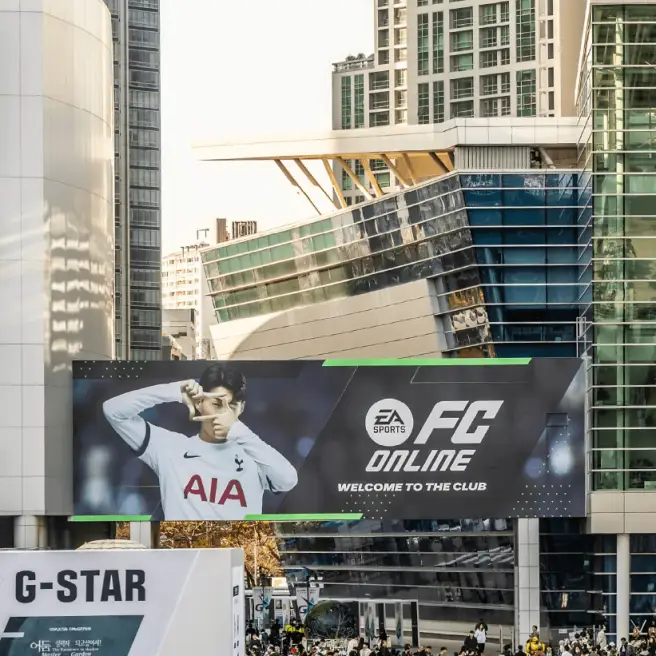
An official outdoor booth at BEXCO and an off-site activation elsewhere in Busan are different formats and may involve different space, production, approval, and operating requirements.
See our G-STAR Outdoor Advertising & Event Marketing Guide for examples of how the wider city can become part of a G-STAR campaign.
EIDETIC at G-STAR
EIDETIC has worked with game brands at G-STAR for more than a decade, supporting projects across booth strategy, visitor experience, design, production, content, and on-site execution.
Recent projects show how different brands can use the same exhibition in very different ways.
G-STAR Exhibitor FAQ
Not always. G-STAR has historically applied stricter rules regarding costume exposure and age-restricted content. Highly revealing costumes may need to be modified, and 18+ demos may require controlled access and age verification.
Yes, but on-site sales must be planned in advance. For G-STAR 2026, the On-site Sales Plan is due by October 16.
Yes. G-STAR 2026 requires an In-booth Event Plan for planned stage programs and booth activities, due by October 16.
For G-STAR 2026, an Independent Booth costs USD 2,000 per 9 m² while a Shell Scheme Booth costs USD 3,000 per unit. Construction and activation costs are additional. Use our Booth Cost Estimator for a broader planning range.
G-STAR requires booth strategy, design, production, content, staffing, logistics, and on-site operations to work as one project. EIDETIC supports global game brands with exhibition strategy, custom booth design and production, experiential content, staffing, and on-site execution in Korea.